


TL;DR:
- Wellness retreats in 2025 blend ancestral healing with modern therapies to promote lasting physical and mental well-being. They range from detox and yoga to experiential and nature-based programs, with durations typically spanning five to seven days. Successful retreats emphasize personalized plans, structured post-retreat support, and sourcing organic, locally grown food to maximize benefits.
Wellness retreats are structured programmes designed to restore physical health, mental clarity, and spiritual balance through immersive, guided experiences. The best wellness retreats 2025 has to offer combine ancestral healing traditions with evidence-based modern therapies, typically running for 5 to 7 days to allow genuine disconnection without disrupting busy schedules. Practices such as Ayurvedic Panchakarma, Blue Zones lifestyle principles, and sound healing are now standard features at leading retreats worldwide. Demand has grown sharply, and the most sought-after programmes sell out months in advance.
What types of wellness retreats are popular in 2025?
The retreat market has expanded well beyond yoga and spa weekends. Today’s health retreats 2025 fall into several distinct categories, each serving a different set of needs.
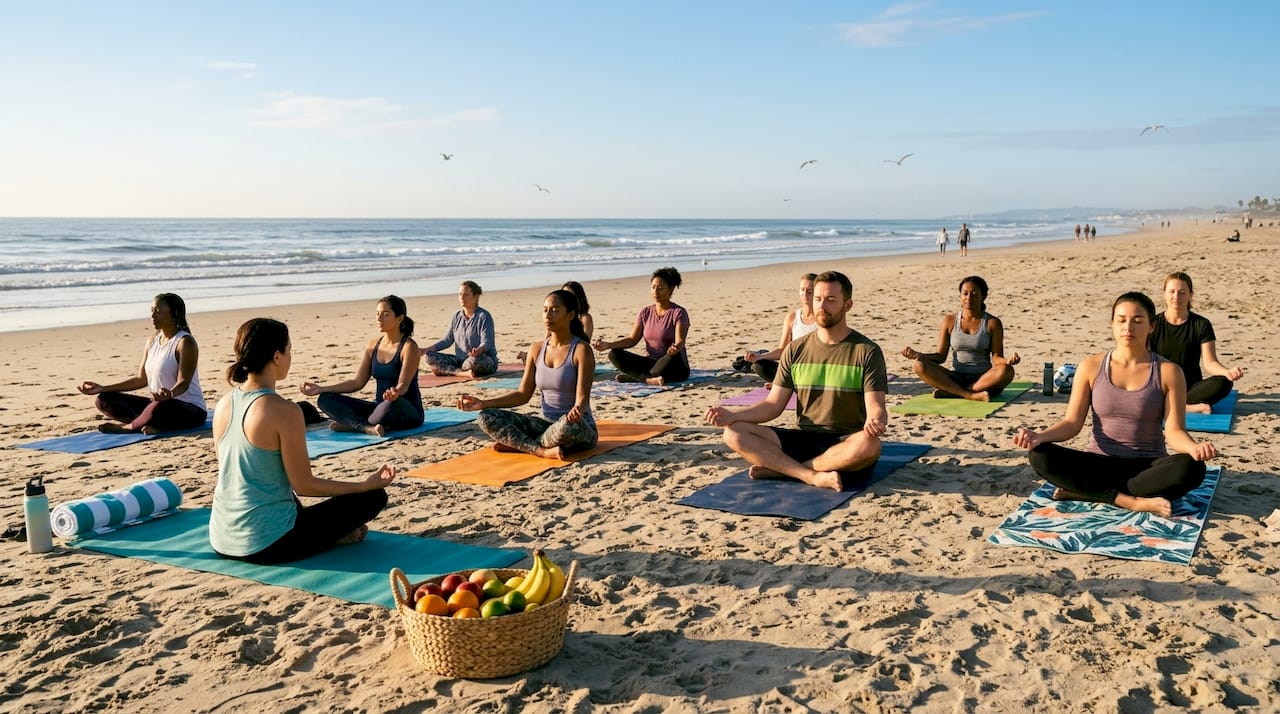
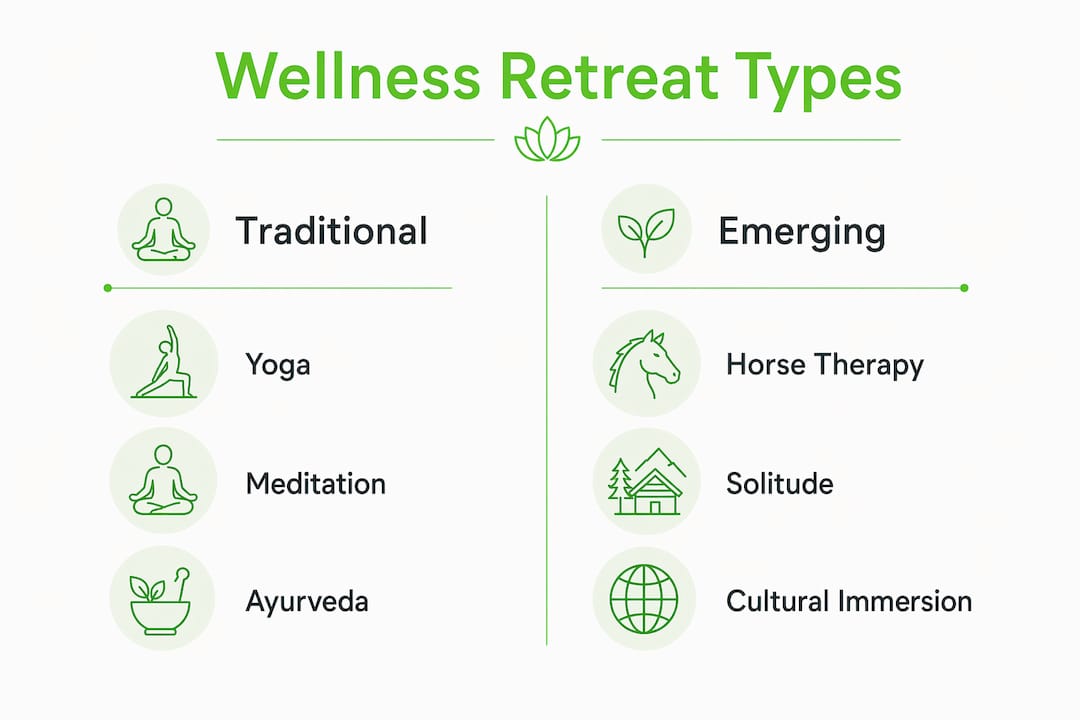
Traditional retreats remain the most booked category. These centre on yoga, seated meditation, and Ayurvedic detox protocols such as Panchakarma, which uses oil therapies, herbal treatments, and dietary adjustment to clear accumulated toxins. A 7-day Panchakarma programme is specifically marketed for complete detoxification and chakra restoration, making it one of the most structured formats available.
Emerging experiential retreats are gaining ground fast. Specialised therapies such as horse therapy, intentional solitude, and physically challenging activities are now being built into retreat schedules to accelerate personal change. These formats move beyond relaxation and ask participants to confront discomfort, which is precisely what makes them effective for deep transformation.
Nature-based and culturally immersive retreats use location as a core therapeutic tool. Retreats set in Peru’s Sacred Valley or around Mt. Shasta use the sacred container of natural settings to support mental and physical disconnection. Andean ceremonies, Blue Zones inspired nutrition, and indigenous plant medicine practices are woven into daily schedules at these locations.
| Retreat type | Core focus | Typical duration |
|---|---|---|
| Ayurvedic Panchakarma | Detox, digestive reset, chakra work | 7 days |
| Yoga and meditation | Stress reduction, mindfulness | 5–7 days |
| Nature and cultural immersion | Spiritual connection, ancestral rituals | 5–10 days |
| Experiential and physical challenge | Personal transformation, resilience | 5–7 days |
| Mindfulness and silence | Mental clarity, intentional solitude | 3–7 days |
Pro Tip: Book mindfulness retreats 2025 that include at least one structured integration session. Retreats that end without a transition plan leave participants struggling to maintain the benefits once they return home.
The shift towards wellness travel trends 2025 shows that travellers now want experiences that change their habits, not just their mood for a week.
How much do wellness retreats typically cost?
Pricing varies widely, but luxury wellness getaways set a clear benchmark. Luxury all-inclusive retreats start at approximately £4,000–£5,000 per person, covering accommodation, meals, consultations, workshops, spa treatments, and local transfers. Airfare is excluded from virtually every package at this level.
The booking process follows a predictable structure across most high-end programmes:
- Submit an application or enquiry to confirm availability and suitability.
- Pay a non-refundable deposit of approximately £400 to secure your place.
- Complete a pre-retreat health questionnaire so practitioners can begin tailoring your programme.
- Pay the remaining balance 60–90 days before the retreat start date, which is standard practice for high-end bookings.
- Arrange personal travel insurance before the balance is due, as retreat deposits are non-refundable and standard travel policies may not cover all wellness programming costs.
The deposit structure exists because retreat centres must commit to staffing, food sourcing, and accommodation well in advance. Missing the balance deadline can result in forfeiture of the deposit, so calendar reminders are not optional.
Pro Tip: Purchase travel insurance that specifically lists wellness retreat costs as a covered category. Generic holiday insurance frequently excludes non-medical programme fees, leaving you exposed if you need to cancel.
Affordable wellness retreats do exist at the £800–£1,500 range, particularly for weekend wellness retreats or group wellness retreats where costs are shared. These shorter formats sacrifice depth but work well as an introduction to retreat life before committing to a longer programme.
How do wellness retreats integrate personalised approaches?
The most effective retreats reject one-size-fits-all scheduling. Bio-individualised programming starts with an initial consultation where practitioners assess your physical condition, stress levels, sleep quality, and spiritual goals before building your daily timetable. This consultation determines which treatments you receive, which workshops are relevant, and how intensive your physical activity should be.
A typical day at a well-structured retreat might look like this:
- Early morning: Pranayama breathwork or guided meditation before breakfast
- Morning: Yoga session followed by a specialist workshop on nutrition or stress physiology
- Midday: Ayurvedic or plant-based meal prepared to your dietary profile
- Afternoon: One-to-one spa treatment, sound healing, or nature walk
- Evening: Group sharing circle or journalling session
Wellness expert Céline Vadam, who works with the Blue Zones retreat model, articulates the core principle clearly:
“Effective retreats combine ancestral wisdom and modern innovation to create sustainable lifestyle changes rather than temporary fixes. Rituals like sound healing and chakra work are tailored into habits that guests can carry home.”
Post-retreat support is where many programmes fall short. Experts recommend that providers offer integration materials or follow-up lifestyle guidance to maintain the benefits gained during the retreat. The best programmes include a written lifestyle plan, dietary recommendations, and access to a practitioner for at least 30 days after departure.
Sustainable food sourcing is also part of the personalised model. Retreats aligned with food sustainability principles source ingredients locally and seasonally, which reduces the toxic load on the body and supports the surrounding community. This is not a marketing detail. It directly affects the quality of the detox experience.
How do you choose the best wellness retreat for your goals?
Choosing the right retreat starts with being honest about what you actually need. Relaxation, detox, spiritual growth, and physical fitness each require a different programme structure. Booking a silent meditation retreat when you need cardiovascular recovery will leave you frustrated, not restored.
Work through these criteria before you commit:
- Define your primary goal. Is it stress reduction, physical detox, spiritual connection, or fitness? One goal should lead.
- Match duration to depth. A weekend wellness retreat suits stress relief. A 7-day programme is the minimum for Ayurvedic detox or chakra restoration work.
- Assess the practitioner team. Check qualifications in Ayurveda, yoga therapy, or whichever modality is central to the programme.
- Evaluate group size. Smaller groups (under 15 participants) allow more one-to-one time with practitioners and a more personal experience.
- Check food sourcing. Retreats that serve processed or non-organic food undermine the detox process. Ask specifically about plant-based meal options and ingredient sourcing.
- Confirm post-retreat support. A retreat without an integration plan is a holiday, not a healing programme.
| Selection criterion | What to look for |
|---|---|
| Programme structure | Bio-individualised, not fixed group schedule |
| Practitioner credentials | Certified in Ayurveda, yoga therapy, or relevant modality |
| Food quality | Organic, locally sourced, aligned with your dietary needs |
| Group size | Fewer than 15 for personalised attention |
| Post-retreat support | Written plan and follow-up access to practitioners |
Pro Tip: Ask the retreat provider directly: “What happens if I need to leave early?” Their answer tells you everything about how they handle pastoral care and whether they treat guests as individuals.
Spiritual wellness retreats and group wellness retreats serve different functions. A group format builds community and shared accountability. A solo or small-group spiritual retreat prioritises depth of inner work. Neither is superior. The right choice depends entirely on your current life stage and what you are genuinely ready to face.
Key takeaways
The most effective wellness retreats combine bio-individualised programming, ancestral healing practices, and structured post-retreat integration to produce lasting change rather than a temporary lift.
| Point | Details |
|---|---|
| Programme duration matters | Five to seven days is the minimum for meaningful detox or spiritual work. |
| Budget for the full cost | Luxury retreats start at roughly £4,000–£5,000 per person, excluding flights. |
| Deposits are non-refundable | Buy personal travel insurance before paying your balance. |
| Personalisation drives results | Bio-individualised programmes outperform fixed group schedules for lasting benefit. |
| Integration is non-negotiable | Retreats without post-retreat support plans rarely produce lasting lifestyle change. |
What I have learnt from watching people return from retreats
The retreats that genuinely change people share one quality that is almost never mentioned in brochures: they make you uncomfortable before they make you feel better. I have spoken with dozens of people who returned from luxury wellness getaways expecting to feel immediately serene, and instead spent the first two days in emotional turmoil as their nervous system adjusted to silence and stillness. That discomfort is not a failure of the retreat. It is the retreat working.
The second thing most people miss is the window immediately after returning home. The 72 hours after a retreat are the most critical for embedding new habits. Most people spend those hours catching up on emails and reverting to old routines within a week. The retreats that build in a structured re-entry protocol, whether that is a daily practice guide, a follow-up call with a practitioner, or a written nutrition plan, produce measurably better outcomes for their guests.
My honest view is that the ancestral wisdom angle is not marketing. Practices like Ayurvedic Panchakarma and Andean ceremony work have survived for centuries because they address the body and mind as a single system. Modern evidence-based methods add precision. The combination is genuinely more powerful than either alone. If a retreat offers only one or the other, it is leaving results on the table.
Finally, do not underestimate food. What you eat during and immediately after a retreat either reinforces or undermines everything else. Retreats that source organic, seasonal, locally grown ingredients are not being precious. They are removing a significant source of physiological stress from the equation at exactly the moment your body is most receptive to change.
— Arjit
How Naturessoulshop supports your retreat preparation
Preparing your body before a retreat and maintaining the benefits afterwards requires the same discipline as the retreat itself. Naturessoulshop stocks a full range of organic groceries and health supplements aligned with the clean, plant-forward eating that leading retreats prescribe. Every product category, from fresh produce to vegan and gluten-free dry goods, is sourced with clean ingredients and no unnecessary additives.

Whether you are preparing for a detox programme or rebuilding clean eating habits after returning home, the health products range at Naturessoulshop covers the essentials. Organic fruits and vegetables, dairy alternatives, and skin care products with clean formulations all support the kind of lifestyle that a well-run retreat is designed to establish. The work does not stop when you leave the retreat centre.
FAQ
How long do wellness retreats typically last?
Most wellness retreats run for 5 to 7 days. This duration provides enough time for genuine disconnection and therapeutic benefit without requiring an extended absence from work or family.
What is included in a luxury wellness retreat package?
Luxury all-inclusive retreats typically cover accommodation, all meals, one-to-one consultations, group workshops, spa treatments, and local transfers. Airfare and personal travel insurance are excluded and must be arranged separately.
Are retreat deposits refundable?
Retreat deposits are almost universally non-refundable. Purchasing personal travel insurance that covers the full retreat cost before paying your balance is the standard way to protect your investment.
What is bio-individualised programming?
Bio-individualised programming means your daily schedule and treatments are tailored to your specific physical and spiritual needs following an initial consultation. It is the opposite of a fixed group timetable and produces more targeted results.
How do I maintain the benefits after a wellness retreat?
The most effective approach is to follow a written integration plan provided by the retreat. This typically includes a daily practice routine, dietary guidelines, and follow-up access to a practitioner for at least 30 days after departure.


