


Start with these on your first trip: a bag of leafy greens, brown rice or another whole grain, a tin of lentils or chickpeas, fortified oat or soya milk, nutritional yeast, extra virgin olive oil, a bag of frozen mixed vegetables, and one bold spice like smoked paprika or cumin. Everything else on a plant based grocery list builds outward from those eight items. The full category breakdown, a quantified one-week shopping plan, and a proper meal-prep schedule follow below.
TL;DR:
- Most weekly plant-based shopping for one person costs between 30 and 38 pounds, depending on the balance of fresh versus frozen or canned ingredients.
- Pairing grains with legumes throughout the day ensures complete protein intake without tracking individual amino acids.
- To avoid waste, store nuts and fresh aromatics in the freezer and freeze vegetables nearing their use-by date.
- Check labels for hidden animal ingredients such as whey, gelatine, carmine, or natural flavours without a vegan certification.
- Rotating cuisines like Indian, Middle Eastern, East Asian, and Mediterranean keeps meals varied and prevents dietary boredom.
Table of Contents
- The complete plant based grocery list by category
- A one-week shopping list with quantities for one person
- Pantry staples that actually earn their shelf space
- Getting enough plant protein without overthinking it
- Shopping and storage tricks that cut waste and cost
- Turning the shopping list into a week of actual meals
- Special dietary considerations within a plant-based diet
- How to spot hidden animal products on a label
- Bringing global flavours into your weekly shop
- Common mistakes new plant-based shoppers make
- Stocking your pantry without the extra legwork
- Sources
- FAQ
The complete plant based grocery list by category
A vegan shopping list works best when you shop the way supermarkets are laid out: produce first, then dry goods, then fridge and freezer. Splitting your list this way also stops the classic beginner mistake of buying five kinds of greens and forgetting you have no grain to put under them.
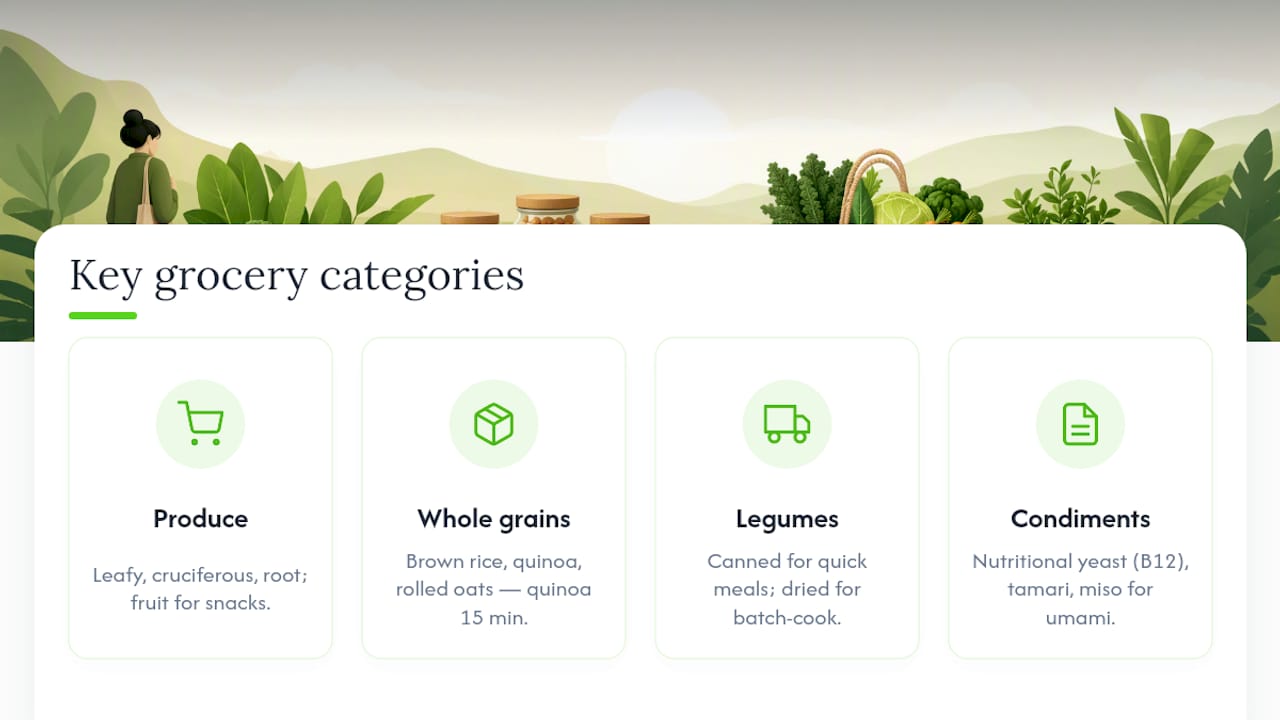
Produce. Leafy greens (spinach, kale, chard) cover most stir-fries and smoothies. Cruciferous vegetables (broccoli, cauliflower, cabbage) roast well and hold up in the fridge for four to five days. Root vegetables (sweet potato, carrot, beetroot) are your slow-cook and roasting backbone. Aromatics (onion, garlic, ginger) go into almost everything. Fruit (bananas, apples, citrus, whatever’s in season) covers breakfast and snacking without needing a recipe.
Whole grains. Brown rice, quinoa, and rolled oats are the three worth keeping stocked at all times. Quinoa cooks in 15 minutes and is a complete protein on its own. Oats need zero cooking if soaked overnight. Harvard’s Nutrition Source flags whole grains as a staple carbohydrate for good reason: they carry more fibre and micronutrients than refined versions, and they keep you fuller for longer.
Legumes. Canned lentils, chickpeas, and black beans save time; dried versions save money if you’re organised enough to soak them. Keep both on hand. Canned is for a Tuesday night curry; dried is for a Sunday batch-cook.
Dairy alternatives. Fortified oat, soya, or almond milk should replace dairy milk on your list, and the word “fortified” matters here. Unfortified nut milks often lack the calcium and vitamin B12 that dairy milk naturally provides, so check the label before you grab the cheapest carton.
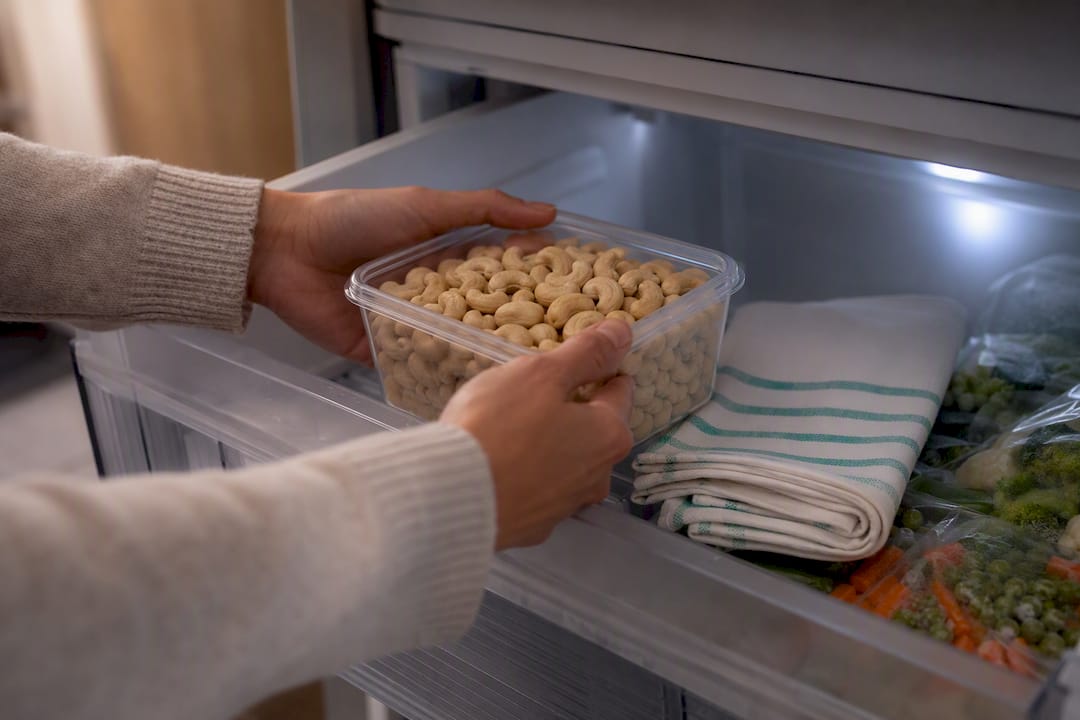
Nuts, seeds, and oils. Almonds, cashews, walnuts, chia seeds, and flaxseed cover snacking, baking, and boosting a bowl’s protein. Extra virgin olive oil handles dressings and low-heat cooking. Buy nuts and seeds in small quantities unless you have freezer space, because their oils go rancid faster than most people expect.
Canned and frozen goods. Tinned tomatoes, tinned coconut milk, and frozen mixed vegetables are the three items that turn an empty fridge into dinner. Frozen veg in particular loses almost none of its nutritional value compared with fresh and costs a fraction as much.
Condiments and umami builders. Nutritional yeast, tamari or soy sauce, and miso paste are what separate bland plant-based cooking from food people actually crave. Nutritional yeast is shelf-stable, carries vitamin B12, and works as a genuine parmesan substitute stirred into pasta or sprinkled over popcorn. Miso adds depth to soups and dressings that salt alone can’t replicate.
Spices. Cumin, smoked paprika, turmeric, and chilli flakes cover the vast majority of plant-based recipes across cuisines. Buy small jars first; ground spices lose potency within about a year.
The VA nutrition team’s grocery list follows almost this exact structure and adds one useful rule: choose low-sodium canned goods wherever the option exists, since canned beans and vegetables are often where sodium creeps in unnoticed.
A one-week shopping list with quantities for one person
Quantities are where most vegan shopping lists fall apart. Here’s what a single person needs for seven days of plant-based meals, assuming two home-cooked meals a day and simple breakfasts.
- Whole grains: 500g rice or 500g rolled oats, plus 250g quinoa
- Legumes: 3 cans (400g each) mixed beans/lentils/chickpeas, or 500g dried
- Tofu or tempeh: 400g to 600g, depending on how many meals feature it
- Fresh vegetables: roughly 1.5kg to 2kg mixed (greens, root veg, cruciferous)
- Fresh fruit: 5 to 7 pieces
- Frozen mixed vegetables: 500g bag
- Fortified plant milk: 1 litre
- Nuts and seeds: 150g to 200g mixed
- Canned tomatoes: 2 tins (400g each)
- Nutritional yeast, tamari, and one extra condiment: small jars/bottles, restocked monthly rather than weekly
| Category | Suggested quantity | Budget swap |
|---|---|---|
| Whole grains | 500g rice/oats + 250g quinoa | Buy rice in 5kg or 10kg bags |
| Legumes | 3 cans or 500g dried | Dried beans in bulk, soaked at home |
| Fresh vegetables | 1.5kg to 2kg | Swap half for frozen mixed veg |
| Fresh fruit | 5 to 7 pieces | Buy whatever’s in season |
| Plant milk | 1 litre fortified | Store-brand fortified oat milk |
| Tofu/tempeh | 400g to 600g | Firm tofu, which stretches across more meals |
| Canned tomatoes | 2 tins | Store-brand tins, not named brands |
A structured week like this, mapped against a 90-minute meal-prep system, tends to run somewhere in the £30 to £38 range for one person in the UK, depending on how much fresh produce versus frozen and canned you buy. Double the grain, legume, and vegetable quantities for two people, but plant milk and condiments barely need to move since they last longer than a week regardless.
Pantry staples that actually earn their shelf space
Not every pantry item deserves permanent real estate, but a handful genuinely do. Canned tomatoes are the base of more meals than any other single ingredient, from dal to pasta sauce to shakshuka. Lentils cook fast without soaking and carry both protein and iron. Oats double as breakfast and a baking binder. Nutritional yeast, again, is your B12 insurance policy in a jar. Tahini turns into dressings, hummus, and dessert with barely any effort.
- Canned tomatoes: base for sauces, soups, curries
- Lentils (dried or canned): fast-cooking protein and iron source
- Rolled oats: breakfast, baking, and thickening
- Nutritional yeast: B12 and savoury depth
- Tahini: dressings, hummus, sauces
Buy shelf-stable staples like rice, dried lentils, and canned tomatoes in bulk when the price per unit drops meaningfully, since they don’t spoil the way fresh produce does. Keep them in a cool, dark cupboard rather than anywhere near the stove.
Pro Tip: Keep a bag of raw cashews in the freezer rather than the cupboard. They blend into a smoother, creamier sauce once thawed, and freezing stops the natural oils from turning rancid, which happens faster than most people realise with nuts left at room temperature.
Getting enough plant protein without overthinking it
Protein anxiety is the number one reason people abandon plant-based eating in the first month, and most of it is unnecessary once you know your regular ingredients. Tofu, lentils, chickpeas, tempeh, edamame, and hemp seeds between them cover breakfast, lunch, and dinner without needing a single supplement powder.
- Tofu and tempeh: firm tofu works in stir-fries and scrambles; tempeh holds its texture better in curries and traybakes
- Lentils and chickpeas: a can of either gives you a filling base for soups, dals, and salads
- Edamame: works straight from frozen, tossed into a bowl in under five minutes
- Hemp seeds: sprinkle over porridge or salads for a protein boost with almost no prep
The pairing rule that matters most: combine a grain with a legume (rice and lentils, quinoa and chickpeas) across the day, and you cover the full range of amino acids without tracking anything. Harvard’s research on soy foods points to tofu, tempeh, and soya milk as some of the highest-quality plant proteins available, comparable in amino acid profile to animal sources.
Fortified plant milk and nutritional yeast cover vitamin B12, which plants themselves don’t naturally provide. If your grocery list is heavy on whole foods but light on fortified products, a B12 supplement is worth discussing with a GP or dietitian rather than guessing.
Shopping and storage tricks that cut waste and cost
Shop your list in the order the store is laid out: produce, then bakery, then dry goods, then canned and frozen, then fridge last. This single habit does two things. It stops you doubling back for forgotten items, and it means frozen and chilled goods spend less time out of temperature before you get them home.
- Freeze ginger whole and grate it straight from frozen; no thawing, no waste
- Keep nuts and seeds in the freezer if you buy more than a two-week supply
- Blanch and freeze vegetables nearing their use-by date instead of composting them
- Label containers with the date you cooked or opened them, not just the contents
- Rotate older pantry stock to the front every time you restock
Extension research on freezing backs the aromatics trick specifically: frozen ginger and herbs retain most of their flavour and texture, which makes the freezer one of the most underused tools in a plant-based kitchen.
Pro Tip: Pick one fixed “must-buy” subset of ten or so items you restock without thinking, and only browse for extras after those are in the trolley. It cuts decision fatigue and stops impulse buys from derailing your budget.
Turning the shopping list into a week of actual meals
The mapping from grocery list to dinner plate is where most people get stuck, so here’s the order that works.
- Cook your grain first (rice or quinoa), since it takes the longest and can sit while you prep everything else
- Roast hard vegetables (sweet potato, carrot, beetroot) at a high oven temperature while the grain cooks
- Roast or sauté soft vegetables (broccoli, courgette, peppers) separately, since they need less time
- Cook your legumes or heat canned ones, seasoning them last so they don’t overcook
- Portion everything into containers once cooled, keeping sauces separate until reheating
This sequence, run in a single session of roughly 85 to 95 minutes, produces enough components for a full week rather than a single meal. Five templates make this work in practice: overnight oats for breakfast, quinoa bowls with roasted veg and tahini dressing, lentil dal with rice, roasted vegetable and tofu traybakes, and a big pot of soup that freezes in individual portions. Most of these yield four to six servings, which covers lunch and dinner for several days without repeating the same plate twice in a row. For a longer walkthrough of the batching order, our guide on how to meal prep vegan food breaks down timings station by station.
Special dietary considerations within a plant-based diet
Plant-based doesn’t automatically mean allergen-free or gluten-free, and it’s worth checking your list against your own restrictions before you shop. Soy allergies rule out tofu, tempeh, and most soya milks, but chickpeas, lentils, and oat or almond milk fill the same roles without soy.
Nut allergies mean skipping almond milk, cashew-based sauces, and most nut butters. Seed-based alternatives, oat milk, and tahini (sesame, so check for sesame allergies too) cover most of the same gaps.
Gluten-free plant-based eating is genuinely straightforward once you know the swaps: rice, quinoa, buckwheat, and certified gluten-free oats replace wheat-based grains, and tamari (check the label) replaces regular soy sauce, which often contains wheat. Lentils, chickpeas, and most vegetables are naturally gluten-free, so the restriction mostly affects grains and sauces rather than the whole list.
FODMAP sensitivities are trickier on a plant-based diet, since many high-fibre staples (onions, garlic, certain beans) are also common triggers. If this applies to you, smaller legume portions and low-FODMAP grains like rice and quinoa are worth prioritising over wheat and larger bean servings.
How to spot hidden animal products on a label
Ingredient lists hide animal products more often than people expect, and a handful of terms are worth memorising before you shop. Whey and casein are dairy-derived and show up in bread, crackers, and even some crisps. Gelatine, made from animal collagen, appears in gummy sweets, some wines, and certain yoghurts. Carmine (sometimes listed as cochineal or E120) is a red colouring made from crushed insects, commonly found in sweets and some drinks.
Lecithin is usually soy-based and fine, but occasionally comes from egg, so check the source if the product doesn’t specify. “Natural flavours” is the vaguest term on any label and can legally include animal-derived ingredients without naming them directly, so when in doubt, look for a certified vegan mark rather than trying to decode the ingredient list yourself.
Honey is the other common trap. It’s plant-adjacent in people’s minds but is an animal product, and it shows up in cereal bars, bread, and salad dressings more often than labels make obvious. Reading the allergen and ingredient panel on packaged goods, rather than trusting the front-of-pack marketing, is the only reliable habit here.
Bringing global flavours into your weekly shop
A plant-based diet built entirely on the same five ingredients gets boring fast, and boredom is what actually derails most people, not protein or nutrient gaps. Rotating cuisines keeps both your palate and your nutrient intake wider than a repetitive Western-style vegan rotation tends to manage.
Indian cooking leans on lentils, chickpeas, and a spice cabinet (cumin, turmeric, coriander) that turns basic pantry staples into dal, chana masala, and vegetable curries. Middle Eastern cooking brings tahini, chickpeas, and bulgur wheat into hummus, falafel, and tabbouleh. East Asian cooking adds tofu, edamame, miso, and tamari, plus rice and noodles as the grain base. Mediterranean cooking rotates in olive oil, white beans, and seasonal vegetables with far less reliance on grains as the centrepiece.
The ingredients overlap more than people expect: chickpeas, rice, and olive oil show up across at least three of those cuisines. Adjusting your shopping list seasonally also helps here. Buying whatever vegetables are actually in season, rather than the same frozen broccoli every week, tends to introduce new dishes almost by accident. Seasonal menu planning resources like Wild Foodz’s guide to seasonal vegan menus are useful if you want a structured way to rotate produce through the year rather than defaulting to the same five vegetables.
Common mistakes new plant-based shoppers make
New plant-based shoppers tend to make the same two errors: buying far too many fresh greens that wilt before they’re used, and understocking the pantry items that actually make weeknight cooking possible. The fix isn’t complicated. Plan a rough week before you shop, batch-cook grains and legumes once rather than daily, and freeze aromatics like ginger and garlic paste so they never go to waste.
Three habits stick better than any single shopping list: plan loosely rather than rigidly, cook in batches on one day rather than every evening, and keep a frozen backup of the basics so a missed shopping trip never derails your week. For deeper walkthroughs on planning and staples, see our guides on plant-based meal planning and essential vegan staple foods.
— Arjit
Stocking your pantry without the extra legwork
Building this list from scratch takes an afternoon the first time. There are online stores that stock categories like organic grains, canned legumes, fortified plant milk, and nutritional yeast, often with local delivery options to simplify shopping.
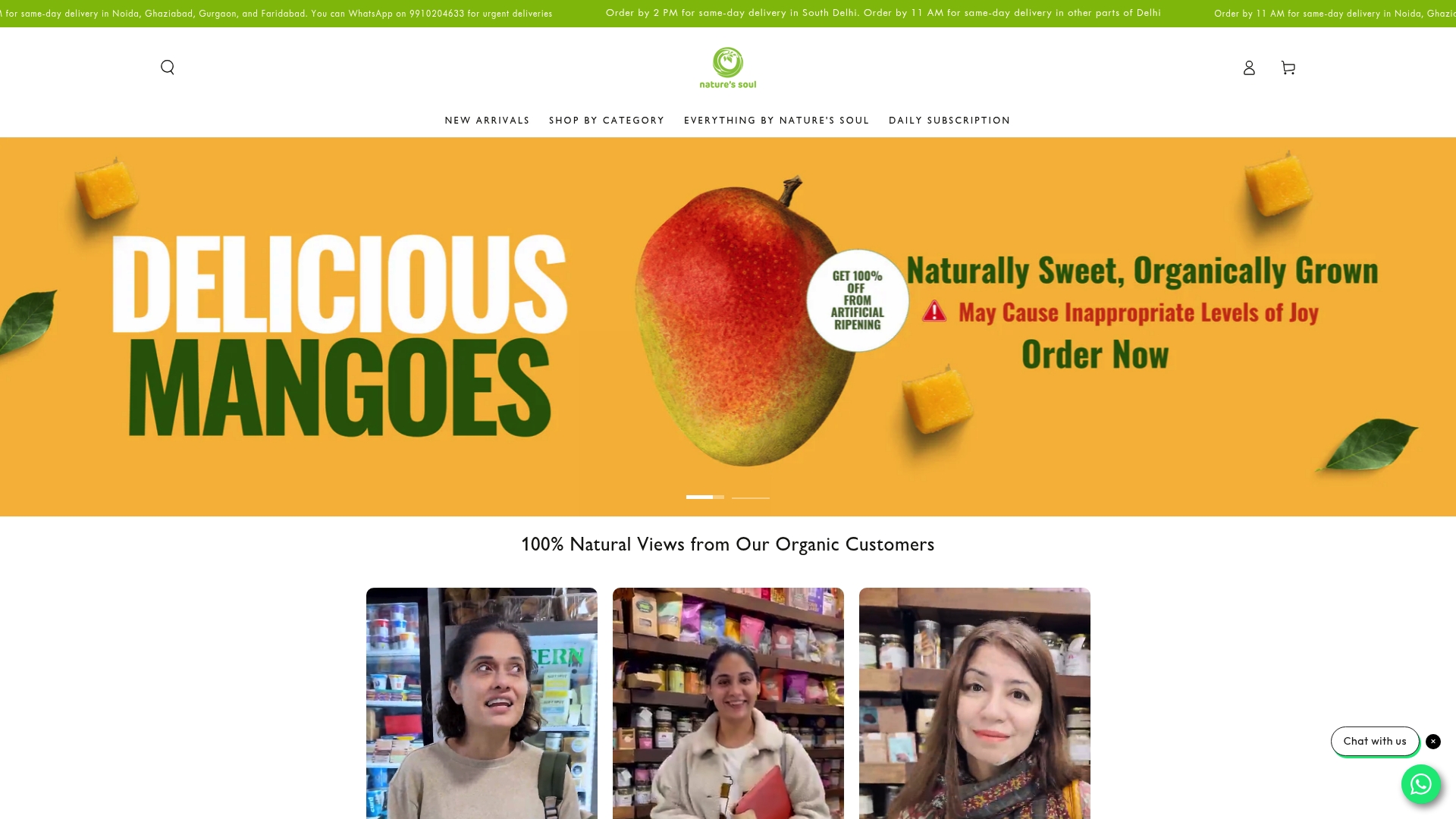
Beyond the everyday staples, Naturessoulshop also carries curated wellness additions worth building into a pantry restock, from organic skincare to broader health and supplement essentials for households already leaning plant-based. If you’re in Delhi NCR and want your kitchen restocked without the multi-store trip this list would otherwise demand, browse Naturessoulshop’s pantry range and place your first order for same-day or next-day delivery.
Sources
- How to use nutritional yeast like parmesan
- Nutrition
- Plant-Based Meal Prep: A Week of Vegan Meals in 90 Minutes
- Whole grains | The Nutrition Source | Harvard T.H. Chan School of Public Health
- Freezing herbs | Penn State Extension
FAQ
What should be on a beginner’s plant based grocery list?
Start with leafy greens, a whole grain like rice or quinoa, canned lentils or chickpeas, fortified plant milk, nutritional yeast, olive oil, frozen mixed vegetables, and one versatile spice.
How much should a one-week plant-based shop cost for one person?
A structured weekly shop for one person typically runs £30 to £38, depending on how much fresh produce you buy versus frozen and canned substitutes.
How do I get enough protein on a plant based diet?
Pair a grain with a legume across the day (rice with lentils, quinoa with chickpeas), and add tofu, tempeh, edamame, or hemp seeds regularly; Harvard’s research on soy foods confirms tofu and tempeh rank among the highest-quality plant proteins available.
How can I tell if a packaged food secretly contains animal products?
Check for whey, casein, gelatine, carmine (or E120), and vague “natural flavours” on the ingredient list, and look for a certified vegan mark if the label doesn’t make the source clear.
What pantry items should I always keep stocked?
Canned tomatoes, dried or canned lentils, rolled oats, nutritional yeast, and tahini form the core of a low-maintenance plant-based pantry, and services like Naturessoulshop stock organic versions of most of these for local delivery.


