


Most british parents in Delhi NCR discover that nearly 60 percent of children’s diets lack enough plant-based ingredients for balanced growth. For health-conscious expat families and first-time parents, sourcing nutritious meals that check every organic and gluten-free box is never as simple as it seems. This guide breaks down how british-inspired, plant-based eating can help your family create easy breakfasts, fun lunchbox ideas, and dinners packed with the nutrients growing children need.
Table of Contents
- 1. Start With Simple Plant-Based Breakfasts
- 2. Easy Lunchbox Ideas For Children
- 3. Balanced Dinners Packed With Nutrients
- 4. Gluten-Free Plant Power Snacks
- 5. Creative Ways To Add More Vegetables
- 6. Nutritious Plant-Based Protein Sources
- 7. Tips For Involving Kids In Meal Prep
Quick Summary
| Takeaway | Explanation |
|---|---|
| 1. Focus on Variety in Breakfasts | Rotating different plant-based options ensures balanced nutrition and keeps breakfast exciting for the family. |
| 2. Prepare Lunchbox Components in Advance | Meal prep during the weekend can help maintain variety and prevent mealtime monotony for children. |
| 3. Incorporate Vegetables Creatively | Use unique methods like blending or spiralising to make vegetables appealing and enjoyable for all ages. |
| 4. Highlight Diverse Plant-Based Proteins | Combining various protein sources ensures complete amino acid profiles and supports overall family health. |
| 5. Engage Kids in Meal Preparation | Involving children in cooking fosters healthy eating habits while making the process enjoyable and educational. |
1. Start with Simple Plant-Based Breakfasts
Transforming your morning routine with plant-based breakfasts means creating meals that nourish your entire family while offering delicious, protein-packed options. By embracing easy plant-based breakfast strategies, you can revolutionise how your family approaches the first meal of the day.
Plant-based breakfasts are not just about avoiding animal products. They are about crafting nutritionally balanced meals that provide sustained energy and essential nutrients. Think vibrant green smoothies packed with spinach and banana, hearty overnight oats infused with chia seeds, or protein-rich tofu scrambles that mimic traditional egg dishes.
The key is variety and simplicity. By rotating between different plant-based breakfast options, you prevent mealtime boredom and ensure your family receives a wide spectrum of nutrients. Carrot cake overnight oats, for instance, offer a sweet morning treat while delivering complex carbohydrates and dietary fibre.
When preparing these meals, focus on protein sources like tofu, nuts, seeds, and legumes. These ingredients not only provide essential amino acids but also keep hunger at bay throughout the morning. Consider preparing components like overnight oats or smoothie packs the evening before to streamline your morning routine.
Expert Tip: Batch prepare plant-based breakfast components during the weekend to ensure quick, nutritious meals throughout the busy workweek.
2. Easy Lunchbox Ideas for Children
Navigating plant-based lunchbox options for children requires creativity, nutrition, and an understanding of what makes meals appealing to young eaters. Creative lunchbox strategies can transform daily meals into exciting culinary adventures that support growing bodies.
Successful plant-based lunchboxes balance nutrition with fun. Children are more likely to enjoy meals that are visually attractive, featuring a variety of colours, textures, and flavours. Think rainbow vegetable wraps, gluten-free muffins with hidden vegetable ingredients, and sandwiches with interesting spreads that make healthy eating an enjoyable experience.
Introducing new foods requires patience and strategic planning. Begin by offering unfamiliar ingredients at home where children feel comfortable. Cut vegetables and fruits into interesting shapes, create themed lunch arrangements, and involve your children in meal preparation to increase their enthusiasm for plant-based eating.
Protein is crucial in children’s plant-based diets. Include protein rich options like hummus, nut butters, tofu spreads, lentil salads, and seeds that provide essential nutrients while keeping meals interesting. Whole grains, legumes, and varied plant proteins ensure balanced nutrition throughout the school day.
Expert Tip: Prepare lunchbox components in advance and create a weekly rotation of meals to maintain variety and prevent mealtime monotony.
3. Balanced Dinners Packed with Nutrients
Creating plant-based dinners that nourish your entire family requires understanding how to build meals rich in essential nutrients and diverse ingredients. Nutrient-dense plant-based strategies can transform your evening meals into powerful wellness opportunities.
Balanced dinners are about more than just avoiding animal products. They involve carefully combining proteins, complex carbohydrates, healthy fats, and an abundance of vegetables to create meals that support optimal health. Focus on incorporating legumes like lentils and chickpeas, whole grains such as quinoa and brown rice, and a rainbow of vegetables to ensure comprehensive nutritional coverage.
Protein diversity is crucial in plant-based nutrition. Combine different protein sources like tofu, tempeh, beans, and nuts to create complete amino acid profiles. This approach ensures your family receives all essential proteins while maintaining exciting, varied meal experiences.
Meal composition matters. Aim to fill half your plate with vegetables, one quarter with whole grains, and one quarter with plant proteins. This simple visual strategy helps create balanced meals that are both nutritionally complete and visually appealing. Roasted vegetable medleys, grain bowls with marinated tofu, and hearty legume stews are excellent examples of nutrient-packed dinner options.
Expert Tip: Prepare versatile plant-based protein bases like marinated tofu or seasoned lentils in advance to streamline weeknight dinner preparations.
4. Gluten-Free Plant Power Snacks
Gluten-free plant-based snacking represents a revolutionary approach to nutrition that combines health consciousness with delectable flavour profiles. Innovative gluten-free snack development now offers families exciting alternatives that support wellness without compromising taste.
Creating nutrient-dense gluten-free snacks involves understanding alternative flour sources and innovative preparation techniques. Ingredients like water chestnut flour, almond meal, chickpea flour, and buckwheat provide excellent gluten-free foundations that deliver robust nutritional profiles. These alternatives not only replace traditional wheat-based ingredients but also introduce unique textures and enhanced antioxidant properties.
Smart snacking means balancing nutrition with enjoyment. Consider preparing homemade energy balls using dates, nuts, and seeds. Roasted chickpea clusters, vegetable chips made from root vegetables, and chia seed puddings offer protein-rich options that appeal to both children and adults. The key is variety and creativity in ingredient selection.
Nutritional enhancement can transform simple snacks into functional food experiences. Incorporate superfoods like saffron, sea buckthorn, and medicinal herbs to boost antioxidant content and introduce additional health benefits. Probiotic-enriched gluten-free snacks can support digestive wellness while providing satisfying flavour experiences.
Expert Tip: Batch prepare gluten-free snack ingredients on weekends to ensure quick, nutritious options are always available during busy weekdays.
5. Creative Ways to Add More Vegetables
Transforming vegetable consumption from mundane to magical requires innovative strategies that make plant-based eating exciting and enjoyable for every family member. Innovative plant-based food strategies reveal numerous creative approaches to increasing vegetable intake without compromising taste or enjoyment.
Thinking beyond traditional salads means reimagining how vegetables integrate into daily meals. Consider blending spinach into morning smoothies, creating vegetable noodles from zucchini or carrots, or transforming cauliflower into pizza crusts. These techniques introduce vegetables seamlessly into familiar dishes, making nutrition delightfully unexpected.
Texture and presentation play crucial roles in vegetable acceptance. Experiment with different preparation methods such as roasting to enhance natural sweetness, spiralising to create interesting shapes, or blending into creamy sauces. Children and adults alike become more receptive when vegetables are visually appealing and prepared with culinary creativity.
Smart vegetable integration involves understanding individual family preferences. Some members might enjoy raw vegetables with interesting dips, while others prefer hidden vegetable strategies like grated carrots in muffins or pureed butternut squash in mac and cheese. The goal is making vegetables an exciting culinary adventure rather than a nutritional obligation.
Expert Tip: Prepare a weekly vegetable preparation session where you chop, roast, and pre-portion vegetables to make healthy cooking quicker and more convenient.
6. Nutritious Plant-Based Protein Sources
Understanding plant-based protein sources goes beyond simply replacing animal proteins with alternative options. Innovative protein extraction methods reveal a world of nutritional complexity that can transform family wellness strategies.
Plant proteins offer remarkable diversity with unique nutritional profiles. Legumes like lentils and chickpeas provide substantial protein alongside complex carbohydrates and dietary fibre. Seeds such as hemp, chia, and pumpkin seeds deliver complete protein packages with additional benefits like omega fatty acids and essential minerals.
Combining different plant protein sources creates comprehensive amino acid profiles. Quinoa stands out as a complete protein grain, while combinations like rice and beans provide complementary amino acids. Tofu and tempeh offer versatile protein options that absorb flavours beautifully and support muscle health.
Nutritional strategies should focus on variety and balance. Include protein rich nuts like almonds and walnuts, explore protein powders made from pea or hemp protein, and experiment with protein dense grains such as amaranth and buckwheat. The goal is creating meals that provide sustained energy and support overall family wellness.
Expert Tip: Rotate your protein sources weekly to ensure a broad spectrum of nutrients and prevent dietary monotony.
7. Tips for Involving Kids in Meal Prep
Transforming kitchen time into an educational and bonding experience requires thoughtful strategies that make cooking fun and inclusive for children. Engaging children in meal preparation can revolutionise family nutrition and create lifelong healthy eating habits.
Age-appropriate tasks are crucial when involving children in cooking. Younger children can perform simple tasks like washing vegetables, mixing ingredients, or measuring dry components. Older children can learn knife skills, recipe reading, and more complex cooking techniques. The key is matching tasks to their developmental capabilities while ensuring safety and supervision.
Creating a positive kitchen environment means celebrating every contribution. Allow children to choose recipes, select ingredients at the market, and experiment with flavour combinations. Plant-based cooking offers exceptional opportunities for creativity with colourful vegetables, interesting textures, and playful presentation techniques that make meals exciting.
Turn meal preparation into an interactive learning experience. Introduce basic nutrition concepts, discuss ingredient origins, and explain cooking techniques. Use games, storytelling, and friendly challenges to maintain engagement. Encourage children to understand the connection between food preparation and overall wellness.
Expert Tip: Establish a weekly family cooking session where each member contributes to creating a plant-based meal together.
Below is a comprehensive table summarising the key insights and strategies discussed in the article regarding preparing plant-based meals and engaging family members in their preparation and enjoyment.
| Topic | Key Insights | Benefits |
|---|---|---|
| Plant-Based Breakfasts | Create simple, protein-rich morning meals using ingredients like tofu, oats, and chia seeds. | Provides sustained energy and essential nutrients. |
| Lunchbox Ideas for Children | Prepare visually appealing, balanced meals with a variety of textures and colours like wraps, muffins, and salads. | Encourages healthy eating habits and meets dietary needs throughout the school day. |
| Nutrient-Rich Dinners | Mix proteins, whole grains, and vegetables for vibrant and diverse evening meals. | Achieves a well-rounded nutritional profile and promotes family wellness. |
| Gluten-Free Snacks | Use alternative flours like almond or buckwheat to prepare delicious energy balls, chips, and puddings. | Provides healthful snacking that meets dietary restrictions without compromising flavour. |
| Increasing Vegetable Intake | Incorporate vegetables into everyday meals creatively, such as within smoothies or as part of innovative recipes. | Makes consuming vegetables enjoyable while improving dietary habits. |
| Engaging Children in Cooking | Assign age-appropriate tasks like mixing, measuring, and chopping; turn cooking into an educational experience. | Encourages family bonding, develops essential skills, and fosters appreciation for plant-based meals. |
This table captures the essence of the article, providing an informative overview of practical plant-based dietary approaches.
Elevate Your Family’s Wellness with Smart Plant-Based Choices
The journey to nourishing your family with smart plant-based meals begins with overcoming the challenges of balancing nutrition, variety and convenience. This article reveals the pain points many parents face such as planning easily prepared breakfasts, balanced dinners packed with nutrients, and gluten-free snack options that delight every family member. By embracing these core concepts like protein diversity and creative vegetable integration, you can transform family wellness from an aspiration into a joyous daily reality.
Discover how organic and natural products can support your plant-based meal goals. Imagine having access to clean ingredients across fruits, vegetables, vegan and gluten-free groceries designed to simplify your meal prep while enhancing flavour and nutrition.
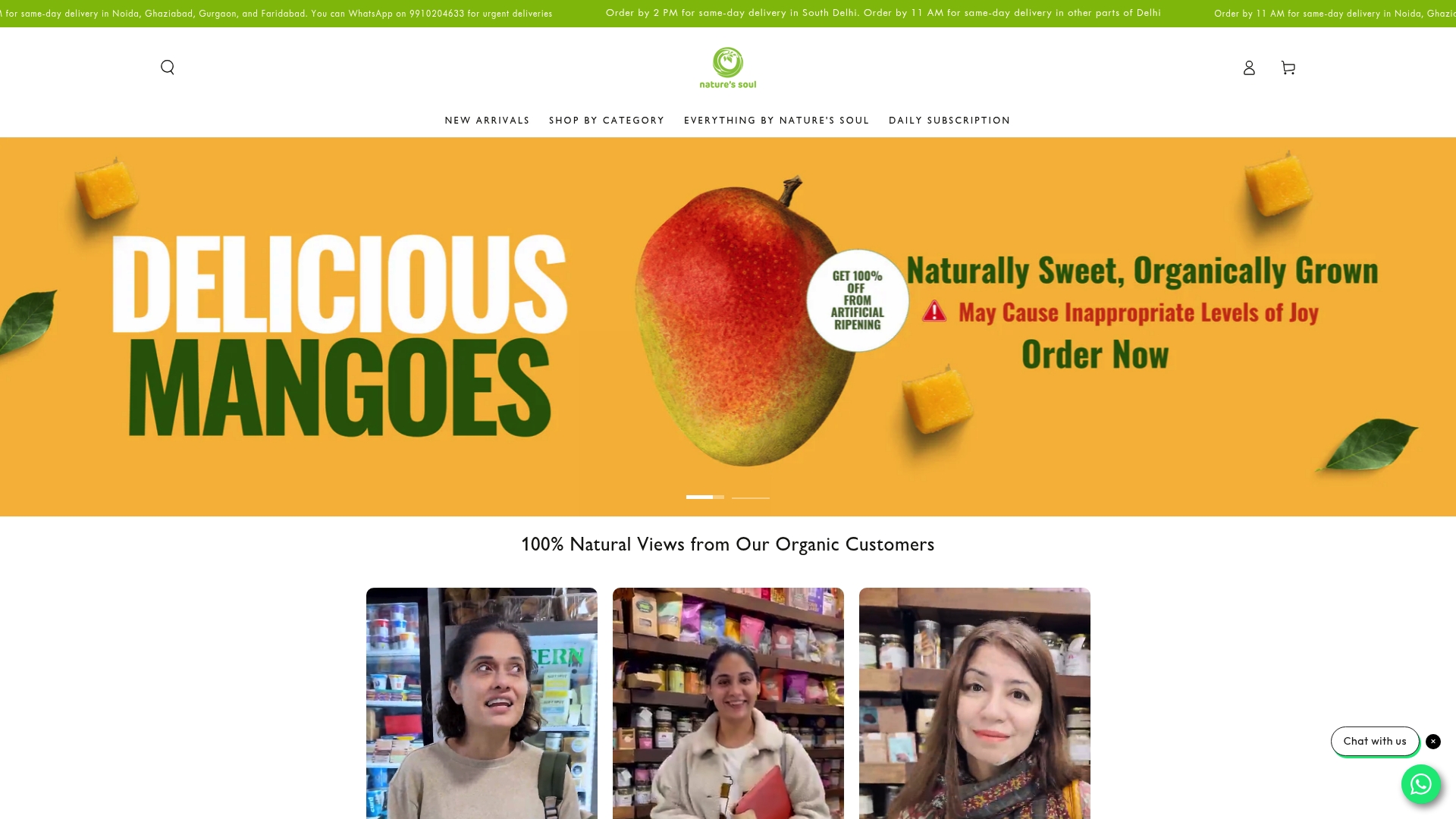
Start your family’s wellness journey today by exploring our carefully curated selection at Nature’s Soul Shop and step into a world where healthy, vibrant, and nourishing meals become effortless. Visit now and take advantage of our natural solutions that make plant-based living achievable and enjoyable for every family member.
Frequently Asked Questions
What are some simple plant-based breakfasts for family wellness?
Start your day with nutritious plant-based breakfasts like green smoothies, overnight oats, or tofu scrambles. These meals provide protein and essential nutrients while keeping mornings easy and enjoyable. Rotate different options each week to maintain variety and excitement.
How can I creatively pack plant-based lunches for my children?
Create fun and appealing plant-based lunchboxes by incorporating colourful vegetable wraps, gluten-free muffins, and engaging sandwiches. Involve your children in meal prep to increase their enthusiasm and willingness to try new foods. Experiment with different textures and shapes to make lunch exciting.
What are some balanced plant-based dinner ideas for the whole family?
Focus on nutrient-dense dinners by combining legumes, whole grains, healthy fats, and a variety of vegetables. Dishes like grain bowls with marinated tofu, roasted vegetable medleys, and hearty legume stews provide a delicious and balanced meal option. Aim to fill half the plate with vegetables for optimal nutrition.
How can I increase vegetable intake in my family’s meals?
Make vegetables more appealing by integrating them into familiar dishes, such as adding spinach to smoothies or creating vegetable noodles. Use creative preparation methods like roasting or spiralising to enhance flavour and presentation. Aim to feature at least one vegetable in every meal for better nutrition.
What are good plant-based protein sources for my family?
Incorporate diverse plant-based protein sources like lentils, chickpeas, and seeds to support your family’s nutritional needs. Combining various proteins, such as rice and beans or using tofu and tempeh, ensures a complete amino acid profile. Rotate your protein sources weekly to maintain variety and enhance meal appeal.
How can I involve my children in meal preparation?
Encourage your children to participate in cooking by giving them age-appropriate tasks such as washing vegetables or measuring ingredients. Create a positive kitchen environment by celebrating their contributions and allowing them to choose recipes. Schedule a weekly family cooking session to make it a fun bonding experience.


