


Choosing the right plant-based fats can feel overwhelming when you’re trying to improve your health in Delhi NCR. With conflicting advice about coconut oil, confusion about saturated versus unsaturated fats, and countless options at every grocery store, many health-conscious individuals struggle to make confident decisions. This guide cuts through the noise, providing clear criteria and practical recommendations so you can select plant-based fats that genuinely support cardiovascular wellness and nutritional goals. You’ll discover which fats deliver the most benefits, how to use them in your kitchen, and how to match choices to your lifestyle.
Table of Contents
- How to Choose Healthy Plant-Based Fats: Key Selection Criteria
- Avocados: Rich Source of Monounsaturated Fat and Nutrients
- Nuts and Seeds: Walnuts, Almonds, Flaxseeds, and Sesame
- Plant-Based Oils: Olive Oil, Coconut Oil, and Others
- Summary Comparison Table of Plant-Based Fats
- Situational Recommendations: Choosing Plant-Based Fats Based on Your Health and Lifestyle
- Discover Quality Plant-Based Fats at Nature’s Soul Shop
- Frequently Asked Questions About Healthy Plant-Based Fats
Key Takeaways
| Point | Details |
|---|---|
| Prioritize unsaturated fats | Monounsaturated and polyunsaturated fats from minimally processed sources support heart health better than saturated options. |
| Choose cold-pressed oils | Minimal processing preserves nutrients and avoids harmful trans fats while maintaining natural antioxidants. |
| Top healthy options | Avocado, olive oil, walnuts, flaxseeds, and almonds deliver superior fat profiles with added fiber and vitamins. |
| Use coconut oil cautiously | Higher saturated fat content means coconut oil should be used sparingly despite its cooking benefits. |
| Match fats to your goals | Align selections with specific needs like heart health, cooking temperature, budget, and taste preferences. |
How to Choose Healthy Plant-Based Fats: Key Selection Criteria
Understanding how to evaluate plant-based fats empowers you to make smart choices that align with your health goals. The fatty acid profile stands as the most critical factor. Prioritize monounsaturated and polyunsaturated fats from minimally processed nuts, seeds, and oils because these types reduce inflammation and support cardiovascular function more effectively than saturated fats.
Processing methods dramatically impact nutritional value. Cold-pressed and minimally refined oils retain their natural antioxidants, vitamins, and beneficial compounds. Heavily processed oils often contain trans fats and lose essential nutrients during refinement. When shopping in Delhi NCR, look for labels indicating cold-pressed or extra virgin status to ensure maximum quality.
Culinary suitability matters for both health and taste. Different fats perform better at various cooking temperatures. Olive oil excels in salads and low-heat cooking, while coconut oil tolerates higher temperatures but should be used occasionally due to saturated fat content. Consider how each fat’s flavor complements your favorite dishes and regional cuisine.
Nutrient density adds another layer of value beyond basic fat content:
- Fiber content in whole foods like avocados and flaxseeds supports digestive health
- Vitamin E in almonds and sunflower seeds provides antioxidant protection
- Omega-3 fatty acids in walnuts and flaxseeds reduce inflammation
- Minerals like magnesium and potassium enhance metabolic function
Local availability and affordability ensure you can maintain consistent healthy habits. Sesame seeds, groundnuts, and sunflower seeds offer excellent nutrition at budget-friendly prices throughout Delhi NCR. Imported options like extra virgin olive oil and avocados cost more but deliver unique benefits worth considering for specific uses.
Pro Tip: Start by replacing one unhealthy fat source in your daily routine with a healthier plant-based alternative. Small, consistent changes create lasting improvements in cardiovascular wellness.
Avocados: Rich Source of Monounsaturated Fat and Nutrients
Avocados stand out as one of nature’s most complete fat sources, delivering exceptional nutrition in every serving. A single medium avocado contains approximately 29g of fat, predominantly monounsaturated, along with substantial fiber, potassium, and vitamins E and C. This unique nutrient combination supports heart health by helping manage cholesterol levels while providing satiety that curbs unhealthy snacking.
The monounsaturated fats in avocados specifically benefit cardiovascular function. These fats help lower LDL cholesterol without reducing beneficial HDL cholesterol, creating a favorable lipid profile. The high potassium content further supports blood pressure regulation, while fiber aids digestive health and blood sugar stability.
Avocados work beautifully in Delhi NCR cuisine despite their non-native origins:
- Mash into spreads for whole grain toast or chapati
- Blend into smoothies for creamy texture without dairy
- Dice into salads for added richness and nutrients
- Use as a base for healthy dips replacing sour cream
- Add to grain bowls for satisfying meals
The fruit’s versatility extends beyond traditional Western uses. Many urban Indian households now incorporate avocados into fusion recipes, creating innovative dishes that blend international nutrition trends with local flavors. The mild taste adapts well to both sweet and savory applications.
Pro Tip: Buy avocados when firm and ripen at room temperature for 3-5 days. Store ripe avocados in the refrigerator to extend freshness for up to a week, ensuring you always have this nutritious fat available.
Nuts and Seeds: Walnuts, Almonds, Flaxseeds, and Sesame
Nuts and seeds pack concentrated nutrition into small servings, offering diverse fat profiles that address different health needs. Each variety brings unique benefits, making it valuable to rotate multiple types in your diet rather than relying on just one.
Walnuts provide approximately 18g of fat per ounce, distinguished by their high omega-3 alpha-linolenic acid content. This omega-3 ALA supports cardiovascular health through anti-inflammatory effects that protect blood vessels and reduce heart disease risk. The distinctive flavor works well in both sweet and savory dishes.
Almonds deliver around 14g of fat per ounce with impressive amounts of vitamin E, magnesium, and protein. The vitamin E functions as a powerful antioxidant protecting cells from oxidative damage. Magnesium supports hundreds of enzymatic reactions including energy production and muscle function. The satisfying crunch and mild sweetness make almonds ideal for snacking.
Flaxseeds contain roughly 12g of fat per ounce along with lignans and exceptional fiber content. The lignans and fiber promote gut health while supporting cardiovascular function through cholesterol management. Ground flaxseeds allow better nutrient absorption than whole seeds.
Sesame seeds offer about 14g of fat per ounce with cholesterol-lowering lignans similar to flaxseeds. The small seeds integrate easily into Indian cooking traditions, appearing in chutneys, ladoos, and as tahini paste. Their nutty flavor enhances both traditional and modern recipes.
Optimal consumption methods preserve nutritional value:
- Eat raw or lightly roasted to maintain beneficial fats
- Grind flaxseeds fresh or store ground seeds refrigerated
- Make nut butters at home for additive-free spreads
- Prepare tahini from toasted sesame seeds
- Soak nuts overnight to improve digestibility
Incorporating varied nuts and seeds ensures you receive a complete spectrum of beneficial fats, proteins, and micronutrients supporting overall wellness.
Plant-Based Oils: Olive Oil, Coconut Oil, and Others
Liquid plant oils serve as cooking staples and finishing touches, but their health impacts vary significantly based on fatty acid composition and processing methods. Understanding these differences helps you select appropriate oils for specific culinary applications.
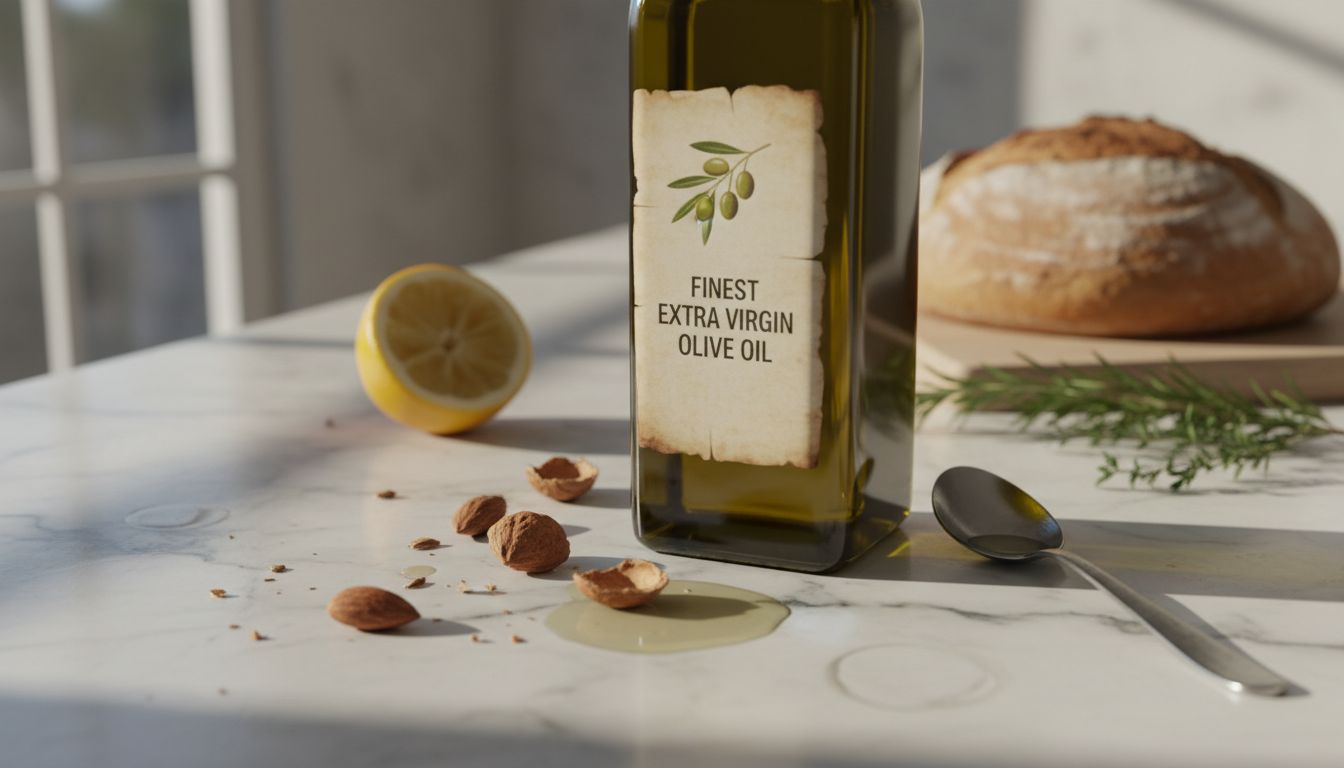
Olive oil, particularly extra virgin varieties, contains approximately 14g of fat per tablespoon, predominantly monounsaturated. The oil is rich in antioxidants and suitable for low-heat cooking and salad dressings. The polyphenols in high-quality olive oil provide anti-inflammatory benefits that extend beyond basic fat nutrition. Use olive oil for sautéing vegetables, drizzling over finished dishes, and creating vinaigrettes.
Coconut oil provides about 14g of fat per tablespoon, but this fat is predominantly saturated. Despite being high in saturated fat, coconut oil offers metabolic support and tolerates high cooking temperatures without breaking down. Use it occasionally for high-heat cooking, but don’t make it your primary fat source given current evidence about saturated fat and heart health.
Cold-pressed processing preserves nutrients across all oil types. This minimal refinement method retains natural antioxidants, vitamins, and beneficial plant compounds that heavily processed oils lose. The extra cost of cold-pressed oils delivers meaningful health advantages worth considering.
Replacing animal fats with plant oils creates measurable health improvements. Studies show this substitution reduces premature mortality risk and improves cardiovascular outcomes. The shift works best when you choose oils high in unsaturated fats rather than defaulting to highly saturated options.
Selection strategy by cooking method:
- High-heat cooking: avocado oil or occasional coconut oil
- Medium-heat sautéing: olive oil or sunflower oil
- Salad dressings: extra virgin olive oil or flaxseed oil
- Baking: replace butter with olive or sunflower oil
- Finishing drizzle: premium olive oil or toasted sesame oil
Balance oil choices with your flavor preferences and cooking style. No single oil suits every purpose, so maintaining variety in your plant-based cooking oils optimizes both nutrition and culinary results.
Summary Comparison Table of Plant-Based Fats
This side-by-side comparison helps you quickly evaluate different plant-based fats based on key nutritional and practical factors. Use this reference when planning meals or shopping for ingredients.
| Fat Source | Fat Content (per serving) | Predominant Fat Type | Key Nutrients | Best Uses | Health Impact |
|---|---|---|---|---|---|
| Avocado | 29g per fruit | Monounsaturated | Fiber, potassium, vitamins E & C | Raw applications, spreads, salads | Supports heart health, manages cholesterol, enhances satiety |
| Walnuts | 18g per ounce | Polyunsaturated (omega-3) | ALA omega-3, antioxidants | Snacking, baking, salad toppings | Anti-inflammatory, cardiovascular protection |
| Almonds | 14g per ounce | Monounsaturated | Vitamin E, magnesium, protein | Snacking, nut butter, cooking | Antioxidant protection, metabolic support |
| Flaxseeds | 12g per ounce | Polyunsaturated (omega-3) | Lignans, fiber, ALA | Ground in smoothies, baked goods | Gut health, cholesterol management, heart health |
| Sesame Seeds | 14g per ounce | Polyunsaturated | Lignans, calcium | Tahini, chutneys, toppings | Cholesterol reduction, bone health |
| Olive Oil | 14g per tablespoon | Monounsaturated | Polyphenols, vitamin E | Low-heat cooking, dressings | Anti-inflammatory, heart protection |
| Coconut Oil | 14g per tablespoon | Saturated | Medium-chain triglycerides | High-heat cooking (occasional) | Metabolic support, use sparingly due to saturated fat |
This comparison reveals that no single fat source provides everything. Combining multiple plant-based fats throughout your week ensures comprehensive nutritional coverage while keeping meals interesting and flavorful.
Situational Recommendations: Choosing Plant-Based Fats Based on Your Health and Lifestyle
Your individual circumstances should guide fat selections to maximize benefits and ensure sustainable habits. Consider these targeted recommendations for common health goals and lifestyle factors prevalent among Delhi NCR residents.
For cardiovascular health, prioritize avocado, olive oil, and walnuts rich in monounsaturated fats and omega-3s. These options deliver proven benefits for cholesterol management and arterial health. Include these fats daily through simple additions like walnut toppings on morning oatmeal, olive oil in lunch salads, and avocado in evening meals.
High-temperature cooking requires heat-stable options, but health considerations still apply. Limit coconut oil use despite its high smoke point because the saturated fat content contradicts heart health goals when used frequently. Avocado oil offers a better alternative for high-heat applications with its favorable unsaturated fat profile.
Boosting omega-3 intake and fiber becomes simple with flaxseeds and chia seeds. Grind flaxseeds fresh each morning and stir into smoothies, yogurt, or porridge. The combination of omega-3 ALA and soluble fiber supports both cardiovascular and digestive wellness simultaneously.
Convenient healthy snacking relies on shelf-stable options you can keep at work or in your bag. Almonds and mixed nuts provide portable nutrition without refrigeration. Pre-portion servings into small containers to control intake while ensuring you always have a nutritious option available.
Budget-conscious shoppers can access excellent nutrition through locally available sesame seeds, groundnuts, and sunflower seeds. These options cost significantly less than imported products while delivering comparable health benefits. Buy in bulk and store properly to maximize value.
Pro Tip: Create a weekly rotation including at least four different plant-based fat sources to ensure nutritional diversity. This approach prevents boredom, provides comprehensive nutrients, and keeps your meals interesting throughout the month.
Discover Quality Plant-Based Fats at Nature’s Soul Shop
Finding truly organic, minimally processed plant-based fats requires a trusted source committed to quality and transparency. Nature’s Soul Shop curates premium nuts, seeds, oils, and fresh produce including avocados, all meeting strict standards for organic certification and clean ingredients. Every product supports your wellness journey with the nutritional integrity you deserve.
Explore expert advice on selecting healthy fats through detailed guides addressing Delhi NCR specific needs and preferences. The selection includes hard-to-find items like cold-pressed flaxseed oil, premium extra virgin olive oil, and organic raw nuts alongside everyday staples. Convenient delivery across Delhi NCR brings fresh, high-quality ingredients directly to your doorstep, eliminating the hassle of searching multiple markets for specialty items.
Whether you’re building a complete vegan pantry or simply upgrading your cooking oils, Nature’s Soul Shop provides the foundation for healthier eating. The commitment to organic, natural products across all categories means you can trust every ingredient meets rigorous quality standards. Start enhancing your nutrition today with plant-based fats that truly support your health goals.
Frequently Asked Questions About Healthy Plant-Based Fats
How Do I Differentiate Between Monounsaturated and Polyunsaturated Fats?
Monounsaturated fats contain one double bond in their chemical structure and appear in olive oil, avocados, and almonds. Polyunsaturated fats have multiple double bonds and include omega-3 and omega-6 fatty acids found in walnuts, flaxseeds, and sunflower oil. Both types support heart health better than saturated fats, though polyunsaturated fats are more susceptible to oxidation and require careful storage.
What Is the Recommended Daily Intake of Plant-Based Fats?
Healthy adults should aim for 20-35% of total daily calories from fats, primarily from unsaturated plant sources. For a 2000-calorie diet, this translates to roughly 44-78g of fat per day. Focus on quality over quantity by choosing whole food sources like nuts, seeds, and avocados rather than relying heavily on extracted oils. Individual needs vary based on activity level, health status, and overall dietary patterns.
Can I Use All Plant Oils for High-Heat Cooking?
No, different oils have varying smoke points that determine safe cooking temperatures. Avocado oil and refined coconut oil tolerate high heat well, while extra virgin olive oil and flaxseed oil break down at high temperatures, creating harmful compounds. For everyday sautéing, regular olive oil works fine. Reserve delicate oils for dressings and finishing touches. Check more healthy fat selection tips for specific cooking guidance.
What Are the Most Affordable Healthy Plant-Based Fats?
Sesame seeds, groundnuts, and sunflower seeds offer excellent nutrition at budget-friendly prices throughout India. Local markets typically stock these items at lower costs than imported options. Buying whole nuts and seeds in bulk rather than pre-packaged portions reduces expense significantly. Sunflower oil provides a cost-effective cooking oil alternative to pricier olive oil while still delivering beneficial unsaturated fats.
How Do Plant-Based Fats Support Heart Health Differently Than Animal Fats?
Plant-based fats predominantly contain unsaturated fatty acids that help reduce LDL cholesterol and inflammation, key factors in cardiovascular disease. Animal fats typically provide more saturated fat, which can raise LDL cholesterol levels when consumed in excess. Plant sources also deliver fiber, antioxidants, and phytosterols absent in animal fats, creating additional cardiovascular protection through multiple mechanisms beyond basic fat composition.


