


Nearly half of first-time parents in Delhi NCR are seeking new ways to boost family wellness through diet, yet many overlook the power of plant protein compared to traditional british staples. The choice between animal and plant protein can shape everything from immunity to energy levels for growing children and busy parents. Discover what sets plant protein apart and how switching up your meals could transform everyday nutrition at home.
Table of Contents
- What Is Plant Protein And Why Choose It?
- Types Of Plant Protein Sources Explained
- Key Nutritional Benefits For Families
- Comparing Plant And Animal Protein Effects
- Environmental Impact And Global Practices
- Addressing Myths And Practical Tips
Key Takeaways
| Point | Details |
|---|---|
| Holistic Nutrition | Plant proteins enhance family diets by offering essential amino acids along with antioxidants, fibre, and micronutrients. |
| Diverse Sources | Incorporating a variety of plant protein sources such as legumes, cereals, and oilseeds ensures comprehensive nutrition and reduces dietary monotony. |
| Health Benefits | Plant proteins are linked to lower risks of cardiovascular diseases and improved digestion, promoting overall family health. |
| Sustainability | Transitioning to plant-based proteins supports environmental sustainability by reducing resource consumption and lowering carbon footprints. |
What Is Plant Protein And Why Choose It?
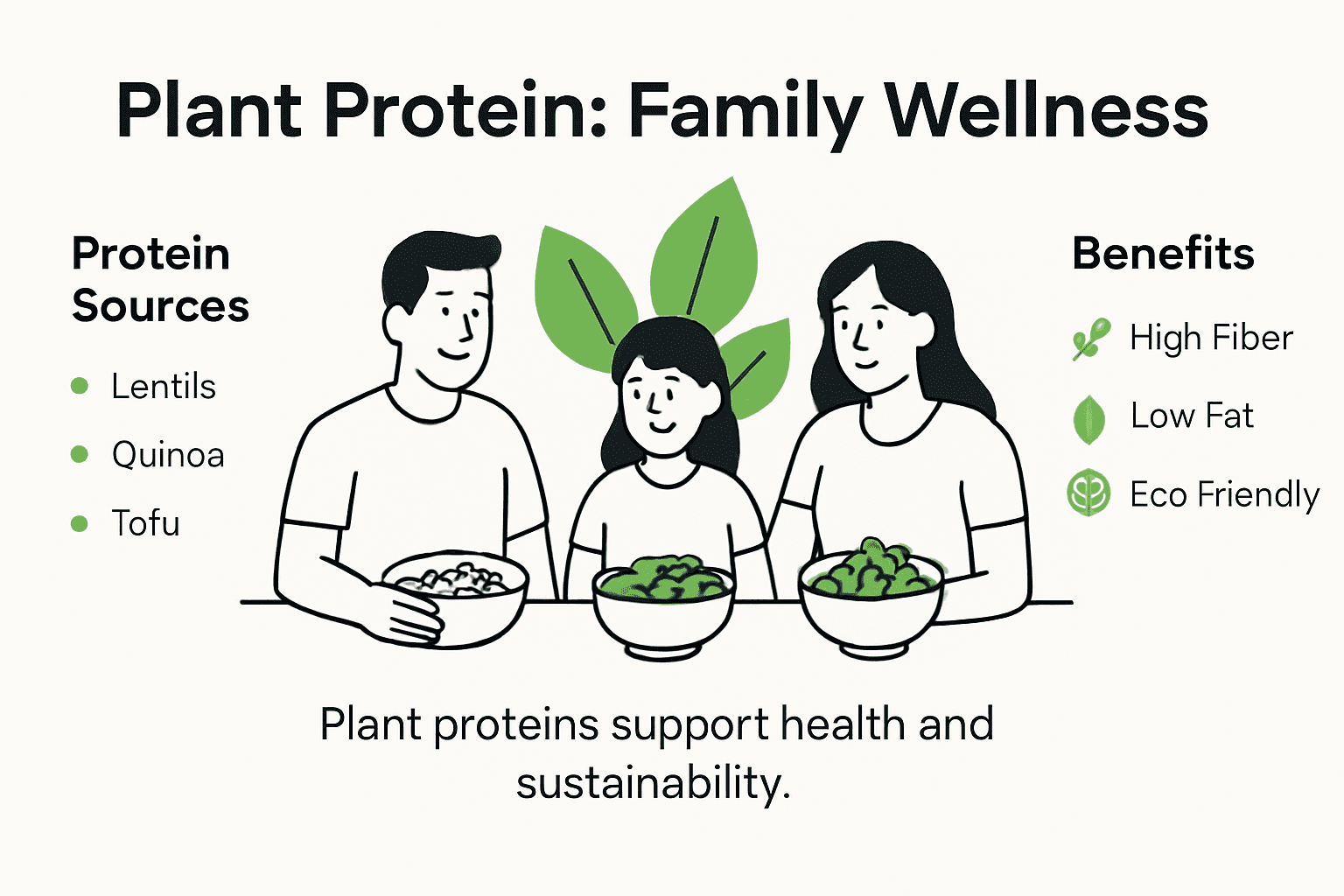
Plant protein represents a powerful nutritional alternative sourced entirely from botanical origins like legumes, nuts, seeds, and grains. Unlike animal-based proteins, these nutrient-dense sources provide essential amino acids crucial for human health while offering remarkable diverse nutritional benefits across global dietary systems.
At its core, plant protein consists of protein compounds extracted directly from plant sources through sophisticated processing techniques. These proteins deliver comprehensive nutritional profiles that support muscle development, cellular repair, and metabolic functions. Scientific research indicates that plant proteins often contain additional beneficial compounds like antioxidants, fibre, and micronutrients not typically found in animal protein sources, making them particularly attractive for holistic family wellness strategies.
Different plant protein sources offer unique advantages. Legumes like lentils and chickpeas provide robust protein content with high digestibility, while quinoa presents a complete protein containing all nine essential amino acids. Nuts and seeds contribute healthy fats alongside protein, creating a nutritionally balanced profile. Extraction methods and functional properties vary significantly depending on environmental factors, which means families can choose proteins that best match their specific dietary requirements and health goals.
Pro tip: Gradually introduce diverse plant protein sources into family meals by experimenting with protein-rich ingredients like tofu, tempeh, and edamame to ensure smooth nutritional transitions.
Types Of Plant Protein Sources Explained
Plant proteins encompass a diverse range of botanical sources, each offering unique nutritional profiles and health benefits. Leguminous plants, cereals, and oilseeds form the primary categories of plant protein sources, providing essential amino acids and nutrients that support comprehensive family wellness.
Legumes represent one of the most nutritionally rich protein sources, featuring foods like lentils, chickpeas, beans, and peas. These protein powerhouses not only deliver high protein content but also provide significant amounts of fibre, vitamins, and minerals. Cereals such as quinoa, amaranth, and brown rice contribute additional protein, though they typically have lower lysine content compared to legumes. Oilseeds like almonds, chia seeds, and hemp seeds offer remarkable protein density alongside healthy omega fatty acids.
Emerging plant protein sources increasingly include novel botanical varieties that demonstrate remarkable nutritional potential. Innovations in sustainable agriculture and food processing have expanded protein options to include sources like spirulina, pea protein isolates, and even protein derived from emerging crops like sacha inchi. These advanced protein sources not only provide comprehensive nutrition but also contribute to more environmentally sustainable dietary practices.
Pro tip: Rotate different plant protein sources weekly to ensure a diverse nutrient intake and prevent potential monotony in your family’s dietary routine.
Here is a comparison of traditional and emerging plant protein sources, highlighting their nutritional profiles and sustainability:
| Source Type | Key Nutritional Benefit | Example Foods | Sustainability Aspect |
|---|---|---|---|
| Legumes | High protein, fibre, iron | Lentils, chickpeas | Low water usage, easy crop |
| Cereals | Complex carbs, some protein | Quinoa, amaranth | Diverse climates, low input |
| Oilseeds | Omega fats, dense protein | Chia, hemp seeds | Soil improvement, high yield |
| Emerging Botanicals | All essential amino acids | Spirulina, sacha inchi | Efficient land use, future-ready |
Key Nutritional Benefits For Families
Plant proteins offer a transformative approach to family nutrition, delivering comprehensive health benefits that extend far beyond traditional protein sources. Replacing animal protein with plant-based alternatives can significantly enhance dietary fibre intake and provide essential micronutrients critical for overall family wellness, making them an increasingly attractive nutritional strategy for modern families.
Plant protein consumption provides multiple health advantages, including lower saturated fat content, higher dietary fibre, and a rich profile of essential nutrients. These nutritional powerhouses support cardiovascular health, potentially reducing disease risks while offering a more balanced approach to protein consumption. Unlike traditional animal protein sources, plant proteins come with additional benefits such as improved digestive health, reduced inflammation, and enhanced metabolic functions that can benefit family members across different age groups.
Combining diverse plant protein sources becomes crucial for ensuring complete nutritional coverage. While individual plant proteins might lack certain amino acids, strategic dietary planning can overcome these limitations. Families can achieve optimal protein intake by mixing legumes, nuts, seeds, and whole grains, creating a comprehensive protein profile that supports muscle development, immune function, and overall physiological well-being. The environmental sustainability of plant proteins further enhances their appeal, offering families an opportunity to make nutritionally sound and ecologically responsible dietary choices.
Pro tip: Create weekly meal plans that incorporate a variety of plant protein sources to ensure balanced nutrition and maintain dietary interest for all family members.
Comparing Plant And Animal Protein Effects
Understanding the nutritional differences between plant and animal proteins reveals significant implications for family health and wellness. Extensive research indicates that plant proteins are associated with reduced risks of cardiovascular disease, certain cancers, and overall mortality compared to animal protein sources, presenting a compelling argument for dietary diversification.

Protein quality varies dramatically between plant and animal sources. Animal proteins typically provide complete amino acid profiles with immediate bioavailability, while plant proteins require strategic combination to achieve similar nutritional outcomes. Legumes, nuts, and seeds can be expertly paired to create comprehensive protein profiles that match animal protein’s nutritional complexity. Plant proteins additionally offer remarkable advantages, including lower saturated fat content, higher fibre levels, and significant micronutrient concentrations that support holistic family health.
Beyond individual health considerations, the broader environmental impact distinguishes plant proteins as a more sustainable nutritional choice. Animal protein production generates substantially higher greenhouse gas emissions and requires significantly more water and land resources compared to plant protein cultivation. By gradually transitioning towards plant-based protein sources, families can simultaneously support personal health and contribute to ecological conservation efforts, creating a meaningful intersection between nutrition and environmental responsibility.
Pro tip: Introduce plant protein diversity gradually by replacing one animal protein meal per week with carefully selected plant-based alternatives to support smooth dietary transitions.
The table below contrasts key impacts of plant versus animal protein on family health and the environment:
| Factor | Plant Protein Benefit | Animal Protein Limitation | Long-Term Impact |
|---|---|---|---|
| Cardiovascular Health | Lower saturated fats | Higher cholesterol | Reduced disease risk |
| Digestive Function | High dietary fibre | Low fibre content | Improved gut well-being |
| Environmental Impact | Lower carbon footprint | High resource demand | Supports sustainability |
Environmental Impact And Global Practices
Global agricultural practices are undergoing significant transformation as researchers and policymakers recognise the critical role of sustainable protein production. Transitioning to plant-based protein sources represents a pivotal strategy for reducing environmental resource consumption worldwide, with profound implications for land, water, and energy management.
Plant-based protein production demonstrates substantially lower environmental footprints compared to traditional animal protein systems, generating markedly reduced greenhouse gas emissions and minimising ecological disruption. The comprehensive assessment of protein extraction and processing techniques reveals nuanced opportunities for optimising sustainable production. Different plant protein sources - from legumes to algae - offer varied environmental benefits, with some requiring minimal water and land resources while providing significant nutritional value.
International agricultural strategies are increasingly prioritising organic farming and sustainable production practices to mitigate environmental risks. Developing economies are particularly positioned to leverage plant protein technologies, creating more resilient food systems that balance nutritional needs with ecological preservation. Advanced biotechnological innovations are enabling more efficient protein extraction methods, reducing energy consumption and improving overall environmental performance of plant-based protein production.
Pro tip: Research local plant protein producers and prioritise regionally grown sources to minimise transportation emissions and support sustainable agricultural practices.
Addressing Myths And Practical Tips
Plant protein nutrition remains shrouded in numerous misconceptions that frequently discourage families from exploring these beneficial dietary options. Scientific research comprehensively debunks prevalent myths about plant protein being nutritionally incomplete or inadequate for muscle development, demonstrating that balanced plant-based diets can effectively meet protein requirements across all life stages.
Contrary to popular belief, plant proteins do not necessitate meticulous amino acid combining at each meal. The human body maintains an amino acid pool, allowing for flexible protein intake throughout the day. Different plant protein sources - including legumes, nuts, seeds, and grains - can be consumed strategically to ensure comprehensive nutritional coverage. Athletes and fitness enthusiasts can particularly benefit from understanding that plant proteins support muscle growth and recovery when consumed as part of a well-planned diet.
Practical implementation of plant protein nutrition requires thoughtful dietary planning and gradual transitions. Families should focus on diversifying protein sources, experimenting with protein-rich ingredients like tofu, tempeh, lentils, and quinoa. Understanding individual nutritional needs, consulting nutritional professionals, and maintaining a balanced approach can help overcome potential challenges associated with plant-based protein adoption. Educational resources and consistent experimentation are key to successfully integrating plant proteins into family meal planning.
Pro tip: Start by replacing one animal protein meal weekly with a diverse plant protein alternative to build confidence and gradually expand your family’s nutritional repertoire.
Embrace Plant Protein for Lasting Family Wellness
The article highlights the challenge many families face in finding nutritionally complete, clean, and sustainable protein sources that support holistic health and wellness goals. With concerns about saturated fats, digestive health, and environmental impact driving interest towards plant protein, it is essential to source organic and natural products with clean ingredients to ensure the best health outcomes for all family members. Integrating plant protein-rich foods such as legumes, nuts, seeds, and whole grains can seem overwhelming without access to trustworthy, wholesome products.
At NaturesSoulShop we understand your goal of providing balanced, diverse, and eco-conscious nutrition. Our wide selection of organic fruits, vegetables, vegan and gluten free dry grocery items, and natural dairy alternatives makes it easier than ever to transition your family towards a vibrant plant-based lifestyle. Start your journey today with clean ingredients you can trust to nourish your family while enhancing overall wellness and supporting environmental sustainability.
Discover the power of nature for your family’s wellbeing. Visit NaturesSoulShop now and explore how our organic and natural products can help you embrace the benefits of plant protein. Act today to enjoy healthier meals and a more sustainable future for your loved ones.
Frequently Asked Questions
What are the main benefits of plant protein for family wellness?
Plant protein offers numerous benefits, including lower saturated fat content, high dietary fibre, a rich profile of essential nutrients, and support for cardiovascular health. These factors contribute to improved overall family wellness and reduced disease risk.
How can families effectively incorporate plant protein into their meals?
Families can start by introducing diverse plant protein sources gradually, such as lentils, quinoa, nuts, and seeds, into their meal plans. Experimenting with ingredients like tofu and tempeh can also help ensure a smooth transition to plant-based options.
Are plant proteins sufficient for muscle development compared to animal proteins?
Yes, when strategically combined, plant proteins can provide complete amino acid profiles necessary for muscle development. Foods like legumes, nuts, and seeds can be paired to meet nutritional needs without relying solely on animal proteins.
What are some emerging plant protein sources I can include in my family’s diet?
Emerging plant protein sources include spirulina, pea protein isolates, and proteins derived from novel crops like sacha inchi. These options provide comprehensive nutrition and contribute to sustainable dietary practices.


