


More than one in five British athletes now explore plant-based diets as part of their training, a trend that is rapidly changing sports nutrition. This shift raises important questions for anyone serious about performance and recovery. Understanding which foods deliver complete protein and key micronutrients may give athletes a real edge while keeping nutrition both ethical and sustainable.
Table of Contents
- Defining Plant Based Diets For Athletes
- Core Nutritional Needs For Athletic Performance
- Key Protein And Micronutrient Sources
- Meal Planning And Real-World Examples
- Comparing Plant Based And Animal Diets
- Common Pitfalls And Effective Solutions
Key Takeaways
| Point | Details |
|---|---|
| Nutritional Focus | Plant-based diets for athletes should emphasise whole food sources, ensuring nutrient density over protein quantity. |
| Strategic Meal Planning | Athletes must plan meals to include diverse plant proteins and address potential micronutrient deficiencies effectively. |
| Monitoring and Adjustment | Regular monitoring of nutritional intake and physiological responses is essential for optimising performance on a plant-based diet. |
| Comparative Benefits | Well-planned plant-based diets can match or exceed traditional animal protein diets in supporting athletic performance and overall health. |
Defining Plant Based Diets for Athletes
Plant-based diets for athletes represent a comprehensive nutritional approach that emphasises whole food sources derived exclusively from plants. These diets are structured around consuming vegetables, fruits, whole grains, legumes, nuts, and seeds, offering athletes a unique pathway to optimal performance and holistic wellness.
Unlike traditional dietary models, plant-based nutrition focuses on nutrient density rather than protein quantity. Athletes embracing this approach prioritise whole food ingredients that provide complex carbohydrates, essential amino acids, antioxidants, and micronutrients. The fundamental principle involves consuming minimally processed plant sources that support muscular recovery, sustained energy release, and overall metabolic efficiency.
Athletic performance on a plant-based diet requires strategic nutritional planning. Athletes adopting these dietary frameworks typically seek long-term health benefits alongside peak physical capabilities. Key nutritional considerations include ensuring adequate protein intake through diverse plant proteins, maintaining proper amino acid profiles, and supplementing potential micronutrient gaps such as vitamin B12, iron, and omega-3 fatty acids.
Pro Nutrition Strategy: Design your plant-based athletic meal plan around diverse protein sources like lentils, quinoa, tofu, and tempeh to guarantee comprehensive amino acid intake and support muscle development.
Linked Plant-Based Protein Guide can provide additional insights into optimising nutritional strategies for athletes.
Core Nutritional Needs for Athletic Performance
Optimal athletic performance requires a strategic approach to nutritional intake that balances macronutrients and micronutrients precisely. Athletes must understand that nutrition goes beyond simple calorie consumption, demanding a nuanced understanding of how different nutritional components support physical performance and recovery.
The foundational nutritional pillars for athletes include carbohydrates, proteins, and healthy fats. Carbohydrates serve as the primary energy source, providing rapid fuel for high-intensity activities and supporting glycogen replenishment. Proteins play a critical role in muscle repair, growth, and recovery, while healthy fats contribute to hormonal balance, inflammation reduction, and sustained energy production.

Micronutrient intake represents another crucial aspect of athletic nutrition. Sports nutrition focuses on providing the right balance of nutrients to fuel physical activity and promote optimal recovery. Essential vitamins and minerals like iron, calcium, vitamin D, and B-complex vitamins support metabolic processes, bone health, oxygen transportation, and energy metabolism. Athletes must pay particular attention to these micronutrients to maintain peak physiological function.
Pro Nutritional Strategy: Calculate your individual macronutrient requirements based on your specific sport, body composition, and training intensity to create a personalised nutrition plan that supports your athletic goals.
Exploring Natural Protein Sources can provide additional insights into meeting your nutritional needs effectively.
Key Protein and Micronutrient Sources
Athletes can successfully meet their nutritional requirements through strategic plant-based protein sources that provide comprehensive amino acid profiles. The key is understanding how to combine different plant proteins to create complete protein combinations that support muscle development and recovery.
The primary protein-rich plant sources for athletes include legumes, nuts, seeds, and specialised plant proteins. Specific powerhouse foods encompass:
- Soy products (tempeh, tofu, edamame)
- Beans and lentils
- Quinoa
- Chia seeds
- Hemp seeds
- Nutritional yeast
- Seitan
Plant-based diets can provide essential proteins and micronutrients through diverse whole food consumption, ensuring athletes receive comprehensive nutritional support. Critical micronutrients such as iron, zinc, calcium, and vitamin B12 require particular attention. Athletes should focus on consuming fortified foods, dark leafy greens, nutritional supplements, and varied protein sources to maintain optimal physiological function.
Pro Nutritional Strategy: Rotate your protein sources weekly to ensure a comprehensive amino acid intake and prevent nutritional monotony.
Addressing Potential Nutrient Deficiencies can help athletes maintain balanced plant-based nutrition.
Here is a summary of strategic plant-based protein and micronutrient solutions for athletes:
| Nutritional Challenge | Strategic Solution | Benefit to Athletic Performance |
|---|---|---|
| Incomplete protein profiles | Combine diverse plant proteins | Supports muscle synthesis and recovery |
| Iron and B12 deficiencies | Use fortified foods or supplements | Maintains energy and supports red blood cell production |
| Low omega-3 fatty acids | Include chia, flax, hemp seeds | Promotes healthy inflammation response |
| Reduced calorie density | Focus on higher-calorie plant foods | Supports endurance and prevents energy deficit |
| Poor micronutrient absorption | Pair with vitamin C-rich foods | Enhances mineral uptake and overall health |
Meal Planning and Real-World Examples
Athletic meal planning for plant-based diets requires strategic nutritional approach and thoughtful preparation, ensuring athletes receive comprehensive nutritional support through carefully designed meal strategies.
A typical day’s meal plan for plant-based athletes might include:
- Breakfast: Tofu scramble with spinach, quinoa porridge with berries
- Mid-Morning Snack: Protein smoothie with plant-based protein powder, banana, and almond milk
- Lunch: Black bean and sweet potato Buddha bowl with mixed seeds
- Pre-Workout: Energy balls made from dates, nuts, and chia seeds
- Post-Workout: Tempeh stir-fry with brown rice and roasted vegetables
- Dinner: Lentil and vegetable curry with whole grain naan
Effective meal planning involves balancing macronutrients to support performance and recovery, with careful attention to protein intake, complex carbohydrates, and essential micronutrients. Athletes should focus on whole food sources, incorporating diverse plant proteins, complex carbohydrates, and nutrient-dense vegetables to ensure comprehensive nutritional coverage.
Pro Nutritional Strategy: Prepare weekly meal prep containers with pre-portioned ingredients to streamline your nutritional intake and maintain consistent energy levels.
Master Plant-Based Meal Planning to optimise your athletic nutrition strategy.
Comparing Plant Based and Animal Diets
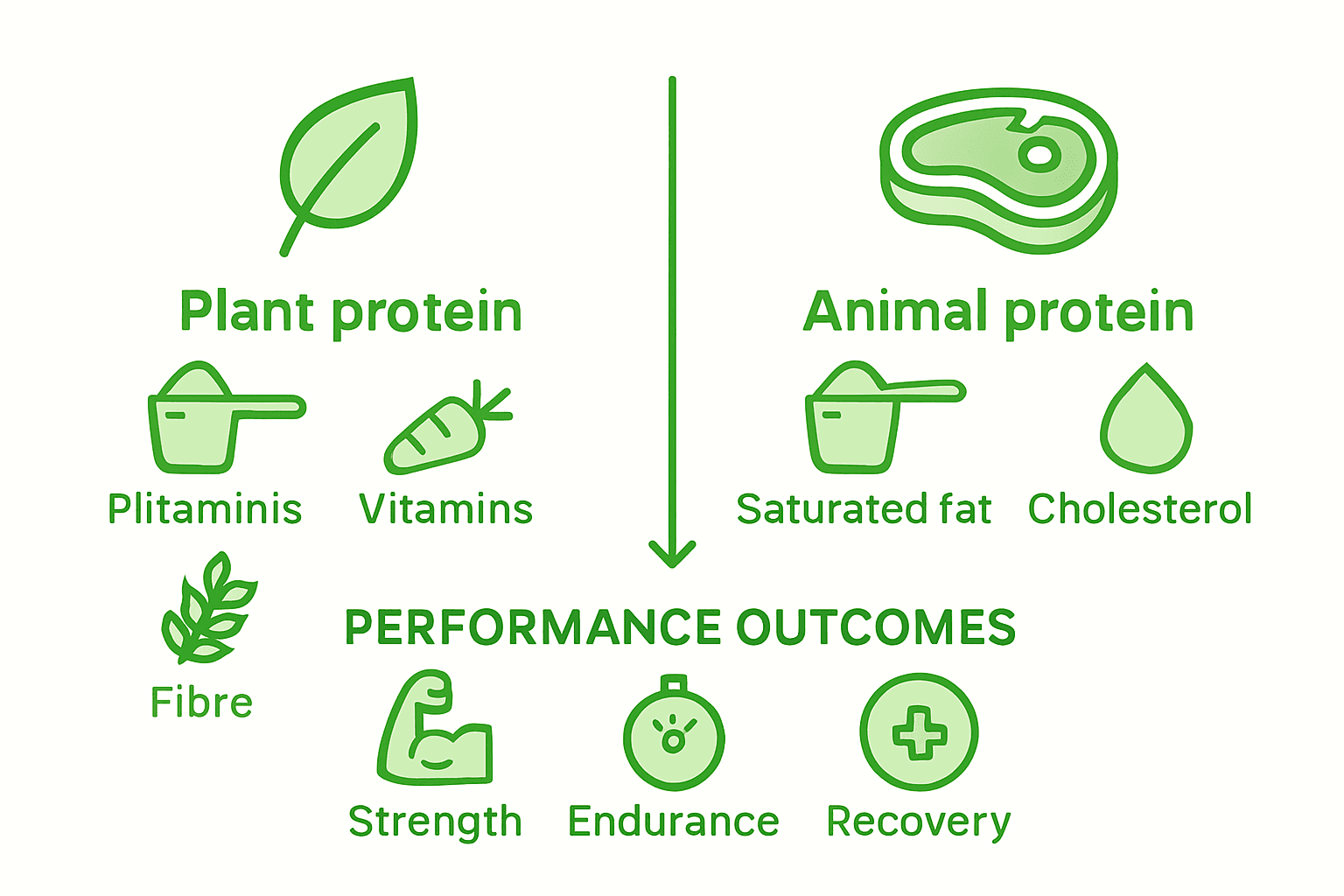
A systematic review of dietary approaches reveals compelling insights into plant-based and animal protein nutritional strategies, challenging long-held assumptions about athletic performance and dietary requirements.
Key comparative aspects between plant-based and animal diets include:
- Protein Quality: Plant proteins require strategic combination
- Digestibility: Animal proteins typically digest more rapidly
- Micronutrient Profile: Plant diets offer broader phytonutrient range
- Inflammatory Response: Plant-based diets often demonstrate lower inflammation markers
- Environmental Impact: Significant sustainability advantages for plant-based approaches
The SWAP-MEAT Athlete study demonstrated remarkable nutritional equivalence between different dietary models, indicating that well-planned plant-based diets can match or exceed traditional animal-protein nutritional strategies. Crucial factors include comprehensive meal planning, understanding protein complementarity, and maintaining diverse nutrient intake.
Pro Nutritional Strategy: Gradually transition between dietary approaches, monitoring individual physiological responses and performance metrics during dietary shifts.
Explore Plant-Based Nutritional Strategies to understand the comprehensive benefits of alternative dietary approaches.
The following table compares key distinctions between plant-based and animal-based diets for athletes:
| Aspect | Plant-Based Diet | Animal-Based Diet |
|---|---|---|
| Protein Source | Legumes, grains, seeds | Meat, dairy, eggs |
| Environmental Impact | Low greenhouse emissions | High resource consumption |
| Inflammation Marker | Often lower | Can be higher |
| Micronutrient Risks | B12, iron, zinc challenge | Easier B12, iron intake |
Common Pitfalls and Effective Solutions
Athletes transitioning to plant-based diets often encounter specific nutritional challenges that require strategic interventions to maintain optimal performance and overall health.
Common pitfalls in plant-based athletic nutrition include:
- Protein Insufficiency: Inadequate protein quantity and quality
- Micronutrient Gaps: Potential deficiencies in iron, vitamin B12, zinc
- Amino Acid Completeness: Difficulty achieving complete protein profiles
- Digestion and Absorption: Reduced bioavailability of certain nutrients
- Caloric Density: Challenges maintaining sufficient energy intake
Strategic nutritional planning can effectively address these potential dietary limitations, emphasising diverse protein sources, targeted supplementation, and comprehensive meal design. Athletes must focus on protein complementarity, consuming a wide range of plant proteins like legumes, nuts, seeds, and whole grains to ensure complete amino acid profiles and optimal nutrient absorption.
Pro Nutritional Strategy: Conduct periodic blood tests to monitor micronutrient levels and adjust your dietary strategy proactively, ensuring comprehensive nutritional coverage.
Understanding Vegan Nutritional Deficiencies can provide deeper insights into managing plant-based dietary challenges.
Elevate Your Athletic Performance with Pure Plant-Based Nutrition
Athletes embracing a plant-based diet face challenges such as ensuring complete protein intake and avoiding micronutrient gaps like vitamin B12 and iron deficiencies. The article highlights the importance of strategic meal planning and diverse plant proteins to unlock peak performance and holistic wellness. At Nature’s Soul, we understand these obstacles and offer a range of organic and natural products crafted to support your nutritional goals with clean ingredients you can trust.

Discover how our carefully curated selection of vegan and gluten-free superfoods, nuts, seeds, and natural supplements can provide the vital nutrients you need to stay energised and recover faster. Act now to transform your athletic journey with wholesome nutrition designed specifically for active lifestyles. Visit Nature’s Soul to explore our full range and start building your personalised plant-based meal plan today. Unlock your potential with reliable nutrition support that fuels your ambitions.
Learn more about optimising your protein intake by exploring our Plant-Based Protein Guide and master meal preparation with our Plant-Based Meal Planning Guide.
Frequently Asked Questions
What are the core nutritional needs for athletes on a plant-based diet?
Optimal athletic performance requires a balanced intake of macronutrients (carbohydrates, proteins, and healthy fats) along with essential micronutrients (vitamins and minerals), all of which support physical performance and recovery.
How can athletes ensure they meet their protein requirements on a plant-based diet?
Athletes should include a diverse range of plant protein sources such as legumes, nuts, seeds, and grains. Combining different plant proteins can help achieve a complete amino acid profile necessary for muscle development and recovery.
What micronutrients should athletes pay attention to when following a plant-based diet?
Critical micronutrients include vitamin B12, iron, calcium, and omega-3 fatty acids. Athletes should consider consuming fortified foods, dark leafy greens, and supplements to avoid deficiencies.
How can meal planning enhance performance for athletes on a plant-based diet?
Effective meal planning allows athletes to balance macronutrient intake, ensure adequate protein consumption, and incorporate nutrient-dense foods, enhancing overall performance and recovery.


