


More than half of British adults try to find new ways to boost their nutrition, yet few realize how nutritional yeast has quietly gained popularity among those seeking both taste and health. This naturally savory ingredient, known for its cheese-like flavor, offers a powerhouse of nutrients often missing from traditional diets in the United Kingdom. Whether you are vegan, vegetarian, or simply curious, you will discover how nutritional yeast can add valuable nutrients and flavor to everyday meals.
Table of Contents
- What Nutritional Yeast Actually Is
- Fortified vs Unfortified Varieties
- Nutritional Power: Protein & B‑Vitamins
- Antioxidants, Fibre and Immune Supports
- Potential Risks And Safety Considerations
Key Takeaways
| Point | Details |
|---|---|
| Nutritional Value | Nutritional yeast is a potent source of complete protein and B-vitamins, making it ideal for plant-based diets. |
| Fortified vs Unfortified | Choose fortified varieties for enhanced B-vitamin content, especially Vitamin B12, which is crucial for vegetarians and vegans. |
| Health Benefits | Nutritional yeast offers antioxidant properties, supports digestion, and may aid immune function through its unique fibre and antioxidants. |
| Consumption Caution | Introduce nutritional yeast gradually into your diet to monitor for any potential sensitivities or adverse reactions. |
What Nutritional Yeast Actually Is
Nutritional yeast is a fascinating food product derived from the Saccharomyces cerevisiae species, a unique type of deactivated yeast with remarkable nutritional properties. Unlike its active counterparts used in baking and brewing, this variety undergoes a specialised heating process that completely stops its fermentation capabilities, transforming it into a versatile food ingredient available in various forms like flakes, granules, and powders.
Originally grown on nutrient-rich mediums such as molasses, nutritional yeast is produced through a controlled fermentation process that results in a distinctive product packed with essential nutrients. When the yeast is heated, it becomes “deactivated,” which means it can no longer reproduce or cause fermentation. This process also releases glutamic acid, contributing to its characteristic savory and slightly nutty flavour profile that makes it popular among plant-based food enthusiasts.
The primary characteristics of nutritional yeast include its golden-yellow colour, flaky or powdery texture, and its remarkable ability to serve as a flavour enhancer and nutritional supplement. Vegans and vegetarians particularly appreciate this ingredient for its cheese-like taste and impressive nutritional density. It can be sprinkled over dishes, incorporated into sauces, or used as a seasoning to add depth and a umami-like flavour to various culinary creations.
Pro Tip - Nutritional Yeast Selection: When purchasing nutritional yeast, opt for fortified varieties that include additional B-vitamins, especially if you follow a plant-based diet, to maximise your nutritional intake and enjoy its versatile culinary applications.
Fortified vs Unfortified Varieties
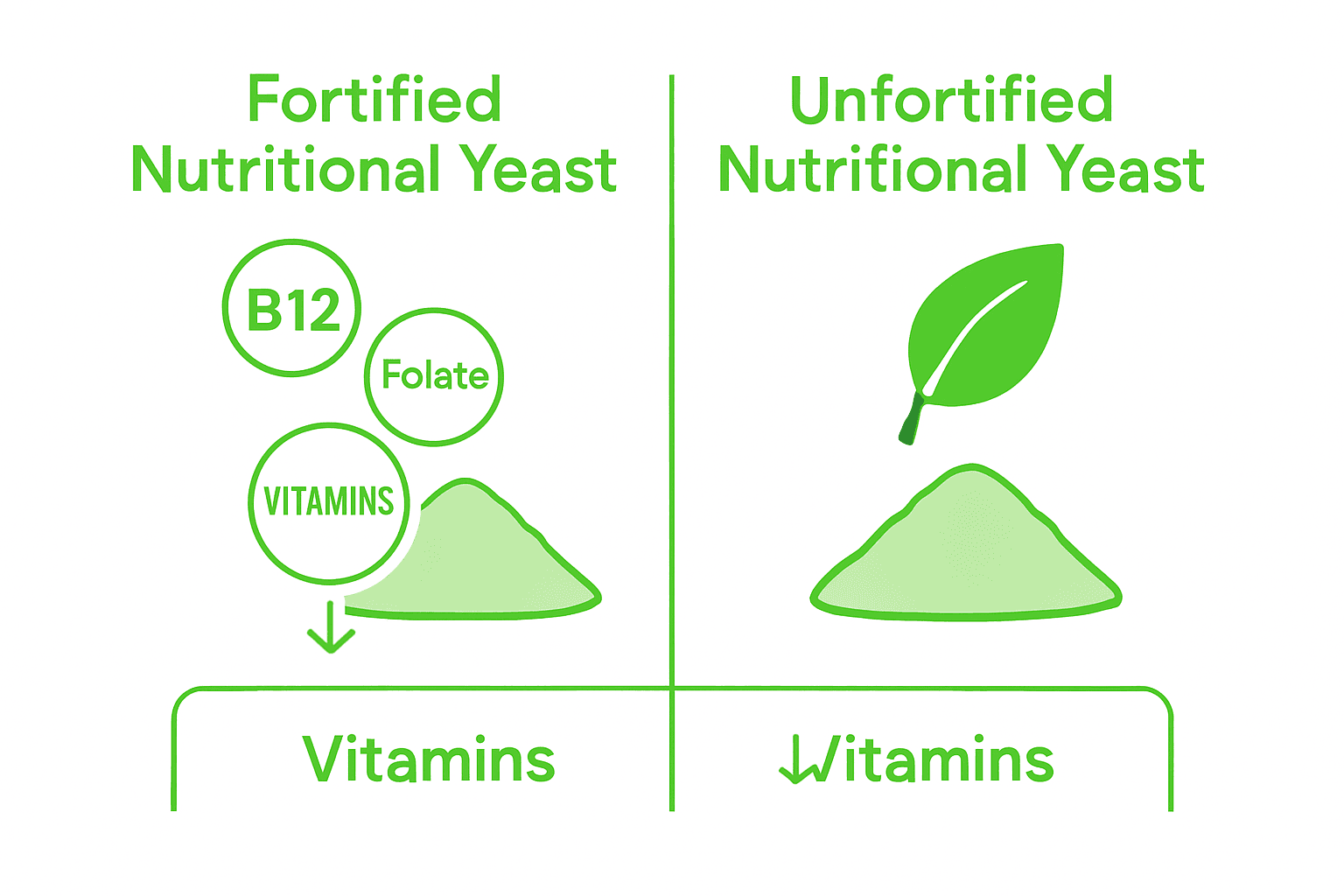
Nutritional yeast presents two distinct categories that dramatically differ in their nutrient composition and potential health benefits. Unfortified varieties contain only naturally occurring vitamins and minerals, representing the most basic form of this versatile food product. These varieties maintain the fundamental nutritional profile derived directly from the yeast’s natural fermentation process, offering a more minimalistic nutritional approach.
In contrast, fortified nutritional yeast represents a significantly enhanced version designed to maximise nutritional intake. These varieties are deliberately supplemented with synthetic vitamins, typically including crucial nutrients like niacin, vitamin B6, thiamin, riboflavin, folate, and vitamin B12. The added vitamins can substantially boost the nutritional profile, making fortified versions particularly attractive for individuals following plant-based diets.
Comparing the two varieties reveals important distinctions. Unfortified nutritional yeast provides a more natural, unadulterated nutrient profile, appealing to those seeking minimally processed food options. Fortified varieties, however, offer a targeted approach to nutrition, specifically addressing potential vitamin deficiencies common in vegetarian and vegan dietary patterns. The choice between these varieties depends on individual nutritional needs, dietary restrictions, and personal health goals.
Pro Tip - Nutritional Variety Selection: Always check the product label to understand the specific vitamin content and choose a nutritional yeast variety that aligns with your individual dietary requirements and health objectives.
Here is a concise comparison of fortified and unfortified nutritional yeast varieties:
| Characteristic | Fortified Nutritional Yeast | Unfortified Nutritional Yeast |
|---|---|---|
| B-vitamin content | Enhanced with extra vitamins | Only naturally present levels |
| Common use case | Supports vegan nutrient needs | Appeals to whole food purists |
| Typical vitamin B12 | Present, synthetic addition | Usually absent or undetectable |
| Consumer consideration | Check label for additives | Prioritise minimal processing |
Nutritional Power: Protein & B‑Vitamins
Nutritional yeast stands out as an exceptional nutritional powerhouse, particularly for those seeking plant-based protein and essential vitamins. A remarkable complete protein source, it provides all nine essential amino acids crucial for optimal bodily function, with just two tablespoons delivering an impressive 5 grams of protein. This makes it an invaluable dietary addition for vegetarians, vegans, and anyone looking to diversify their protein intake.

The vitamin profile of nutritional yeast is equally impressive, especially its B-vitamin complex. Fortified varieties offer a comprehensive range of B vitamins including thiamine, riboflavin, niacin, vitamin B6, and vitamin B12, which play critical roles in energy metabolism, nervous system health, and preventing fatigue. Vitamin B12, in particular, is especially significant for individuals following plant-based diets, as it is typically found in animal products.
Beyond its nutritional density, nutritional yeast provides a unique combination of health benefits. The complete protein content supports tissue repair and muscle maintenance, while the B-vitamin complex helps maintain metabolic efficiency and supports overall cellular function. Its versatility allows for easy incorporation into various dishes, making it a convenient nutritional supplement for those seeking to enhance their dietary intake of essential nutrients.
Pro Tip - Protein Supplementation: Integrate nutritional yeast gradually into your diet, starting with small amounts and increasing serving sizes to assess individual tolerance and maximise nutritional benefits.
Antioxidants, Fibre and Immune Supports
Nutritional yeast emerges as a powerful ally in supporting overall health, particularly through its remarkable combination of antioxidants, dietary fibre, and immune-boosting compounds. The presence of beta-glucan, a specialised type of fibre, offers significant health benefits, including potential cholesterol reduction and enhanced immune system function, making it a valuable addition to health-conscious dietary strategies.
The antioxidant profile of nutritional yeast provides an additional layer of cellular protection, helping to combat oxidative stress and support long-term metabolic health. These antioxidants work synergistically to neutralise harmful free radicals, potentially reducing inflammation and supporting the body’s natural defence mechanisms. The fibre content further contributes to digestive health, promoting gut microbiome balance and supporting efficient nutrient absorption.
Beyond its immediate nutritional benefits, nutritional yeast demonstrates promising potential in supporting immune resilience. Its unique combination of beta-glucans and antioxidants may help modulate immune responses, potentially offering protective mechanisms against various environmental and physiological stressors. The compound’s ability to support cellular health makes it an intriguing option for individuals seeking natural approaches to maintaining overall wellness and immune system functionality.
Pro Tip - Immune Support Integration: Incorporate nutritional yeast gradually into your diet, starting with small amounts and observing your body’s response, to maximise its potential immune-supporting benefits.
Below is a summary of key nutritional and health properties of nutritional yeast:
| Property | Nutritional Yeast Benefit | Who Benefits Most |
|---|---|---|
| Complete protein | Contains all essential amino acids | Vegans, vegetarians |
| B-vitamin complex | Supports energy, nerves, reduced fatigue | Plant-based diets |
| Beta-glucans | May boost immunity, lower cholesterol | Health-conscious consumers |
| Antioxidants | Helps protect cells from oxidative stress | Those seeking cell support |
| Fibre | Promotes digestive health | Individuals with gut issues |
Potential Risks And Safety Considerations
While nutritional yeast offers numerous health benefits, it is crucial to approach its consumption with informed caution. Individuals should be aware of potential risks, particularly those with specific health conditions or medication interactions, such as people taking monoamine oxidase inhibitors (MAOIs) or those with known yeast sensitivities.
The risk of vitamin overconsumption presents a significant consideration for nutritional yeast consumers. Fortified varieties can contain concentrated levels of B-vitamins, which may lead to exceeding recommended daily intake if consumed in large quantities. Symptoms like niacin flushing can occur when vitamin levels become excessive, highlighting the importance of moderation and mindful consumption.
Digestive sensitivities represent another potential area of concern for some individuals, with some people experiencing mild gastrointestinal discomfort when introducing nutritional yeast into their diet. Allergic reactions, though rare, can also manifest in sensitive individuals, underscoring the importance of gradual introduction and careful personal monitoring. Those with known yeast allergies or compromised immune systems should consult healthcare professionals before incorporating nutritional yeast into their regular dietary routine.
Pro Tip - Cautious Consumption: Begin with small quantities of nutritional yeast, monitor your body’s response, and consult a healthcare professional if you have pre-existing health conditions or concerns about potential interactions.
Unlock the Full Potential of Nutritional Yeast for Your Wellbeing
If you are seeking a natural way to boost your protein intake and support your immune system with the rich source of B-vitamins found in nutritional yeast the challenge lies in finding clean and organic products made with care. Nutritional yeast’s impressive benefits like complete protein and beta-glucans can transform your health routine but only when paired with pure ingredients you can trust.
Discover how to enhance your daily nutrition with premium organic and natural products at Nature’s Soul Shop. Embrace a lifestyle supported by clean ingredients from fruits to vegan dry groceries tailored for those who value wellness without compromise. Start your health journey today by visiting Nature’s Soul Shop and experience the difference of products that truly nurture your body and mind.
Frequently Asked Questions
What is nutritional yeast, and how is it different from active yeast?
Nutritional yeast is a deactivated form of the yeast species Saccharomyces cerevisiae, which is processed to stop fermentation. Unlike active yeast used in baking or brewing, nutritional yeast is a versatile ingredient valued for its rich nutritional profile and savoury flavour.
What are the benefits of fortified nutritional yeast compared to unfortified?
Fortified nutritional yeast has added synthetic vitamins, such as B12, niacin, and folate, enhancing its nutritional value, especially for those on plant-based diets. Unfortified versions contain only naturally occurring nutrients, appealing to those seeking minimally processed options.
Can nutritional yeast help with protein intake in a vegan diet?
Yes, nutritional yeast is an excellent source of complete protein, containing all nine essential amino acids. Just two tablespoons provide approximately 5 grams of protein, making it a valuable addition for vegans and vegetarians looking to enhance their protein consumption.
Are there any potential risks associated with consuming nutritional yeast?
While generally safe, individuals with yeast sensitivities or those on specific medications, such as monoamine oxidase inhibitors (MAOIs), should be cautious. Additionally, excessive consumption of fortified varieties can lead to vitamin overconsumption, so moderation is key.


