


More than 30 percent of urban Indian parents now question the role of wheat and gluten in their family diets, especially in cities like Delhi NCR that blend age-old traditions with new health trends. As gluten myths circulate rapidly on social media and british research findings spark debates, understanding gluten’s origins can shape better dietary choices for both adults and children. This guide uncovers how gluten shaped human history, challenging popular beliefs and empowering you to make confident, well-informed decisions for a balanced urban lifestyle.
Table of Contents
- Gluten Through The Ages: Core Meaning And Myths
- Gluten In Ancient And Traditional Diets
- Industrialisation And Changing Grain Processing
- Emergence Of Gluten Intolerance And Celiac Disease
- Gluten’s Role In Modern Indian Diets
- Weighing Gluten-Free Against Traditional Choices
Key Takeaways
| Point | Details |
|---|---|
| Historical Importance of Gluten | Gluten has been a fundamental part of human diets for approximately 10,000 years, primarily introduced through wheat cultivation. |
| Contemporary Dietary Trends | A rise in gluten sensitivity and related disorders requires informed dietary choices, avoiding unnecessary restrictions without medical justification. |
| Nutrition and Processing Concerns | Industrial grain processing has altered gluten content and nutritional profiles, prompting a need for selecting minimally processed grains. |
| Cultural Adaptations | Traditional diets, including Indian cuisine, showcase adaptability in incorporating gluten-free alternatives while maintaining nutritional balance. |
Gluten Through the Ages: Core Meaning and Myths
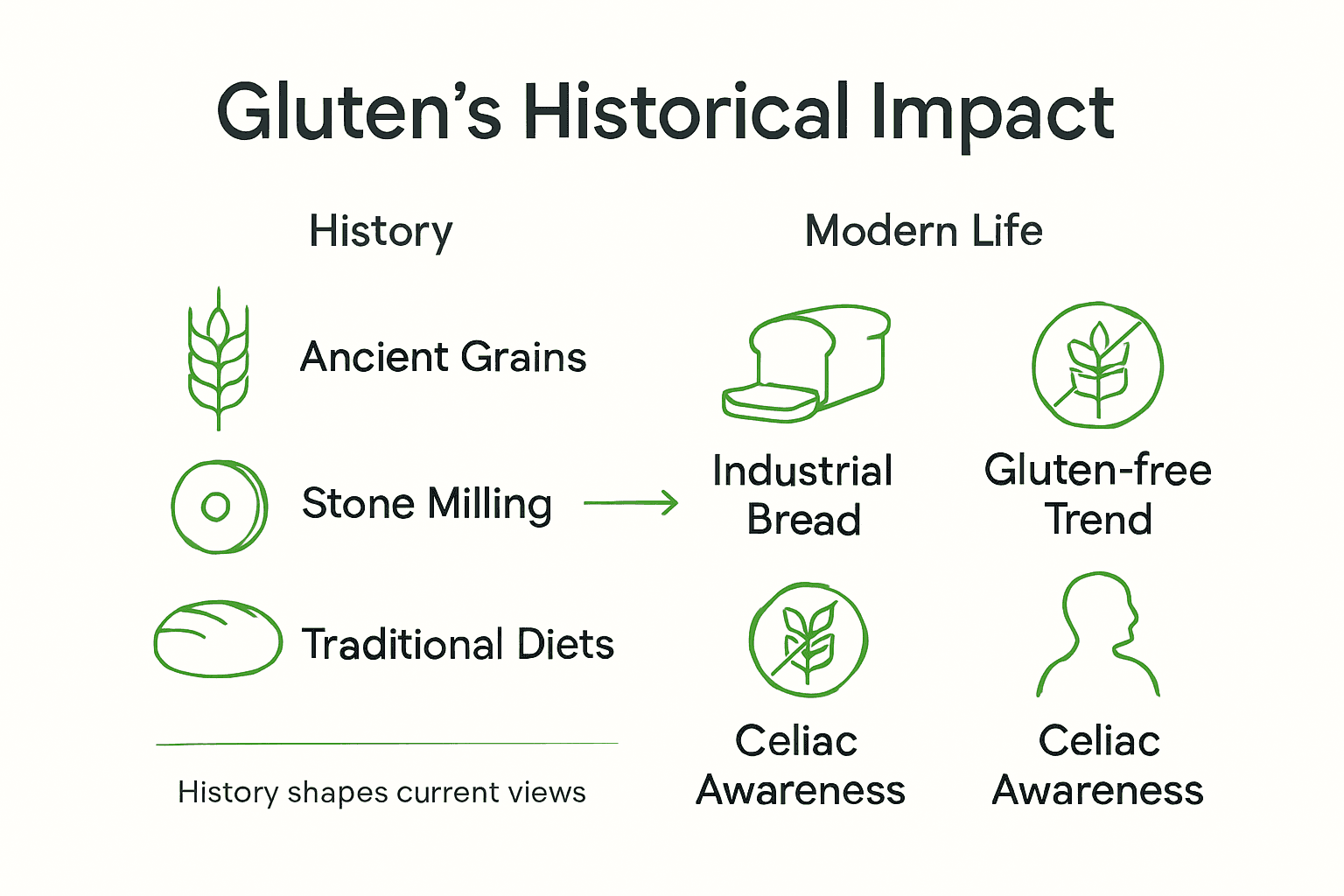
The history of gluten represents a fascinating narrative of human nutrition, stretching back thousands of years. Archaeological evidence suggests gluten’s introduction into human diets approximately 10,000 years ago, coinciding with wheat cultivation in the Fertile Crescent region. This protein complex found in wheat, barley, and rye has transformed from a nutritional novelty to a fundamental component of global dietary patterns.
Gluten’s unique molecular structure provides remarkable properties that made it revolutionary in food production. Its viscoelastic characteristics enable bread to rise and maintain structure, creating the fluffy textures we associate with modern baked goods. These properties emerged from gluten’s complex protein composition, primarily glutenin and gliadin, which interact to create an intricate network responsible for wheat’s distinctive elasticity.
Despite its long history, gluten has become increasingly controversial in recent decades. Myths surrounding this protein have proliferated, with misconceptions about its health impacts spreading rapidly. While some individuals genuinely experience gluten-related disorders, many dietary claims lack scientific substantiation. Understanding gluten requires separating evidence-based information from trendy nutritional narratives.
Pro Tip: Research Carefully: Always consult healthcare professionals and scientific sources before making significant dietary changes, particularly when considering gluten elimination.
Gluten in Ancient and Traditional Diets
Traditional culinary practices across different cultures have long incorporated gluten-rich foods, demonstrating its profound significance in human nutrition. In East Asian cuisines, wheat gluten has been a staple ingredient since the 6th century, with seitan emerging as a remarkable meat substitute that showcased the versatility of this protein complex. These ancient food preparation techniques reveal how societies discovered and utilised gluten’s unique structural properties long before modern scientific understanding.
Ancient grains played a pivotal role in developing sophisticated dietary traditions. Khorasan wheat, an ancient grain variety, exemplifies how traditional wheat types were integral to historical nutrition, offering a nutty flavour profile and remarkable nutritional density. Civilisations across the Middle East and Mediterranean regions incorporated these grains into breads, pastas, and other staple foodstuffs, demonstrating gluten’s fundamental importance in human dietary evolution.
The cultural significance of gluten extends beyond mere sustenance. Traditional food preparation methods often involved complex techniques that maximised gluten’s protein network, creating textures and culinary experiences that defined regional cuisines. From hand-stretched noodles in China to hearth-baked breads in European villages, gluten served as a critical ingredient that transformed simple grains into complex, nourishing meals.
Pro Tip: Explore Heritage: When investigating traditional diets, examine local grain varieties and preparation techniques to understand the nuanced role of gluten in different cultural food systems.
Industrialisation and Changing Grain Processing
The 20th century marked a transformative period in grain processing and wheat production, with global wheat yields experiencing a remarkable fivefold increase. This unprecedented agricultural expansion fundamentally altered the nutritional landscape, introducing industrial-scale processing techniques that dramatically changed how grains were cultivated, harvested, and transformed into food products.
Modern grain processing represents a complex technological evolution that significantly impacts gluten composition and nutritional characteristics. Industrial methods have fundamentally altered the molecular structure and protein profile of wheat-based products, introducing unprecedented variations in gluten concentration and reactivity. Techniques such as high-speed milling, chemical treatments, and genetic modifications have created wheat products with substantially different properties compared to traditional agricultural practices.

The industrialisation of grain processing has profound implications for human nutrition and health. While these technological advances have increased food production efficiency and reduced costs, they have simultaneously raised questions about potential long-term health consequences. The standardisation of wheat varieties, combined with more intensive agricultural methods, has potentially contributed to increased gluten sensitivity and related digestive challenges experienced by contemporary populations.
Here is a comparison of ancient and modern grain processing methods and their effects:
| Aspect | Traditional Processing | Industrial Processing |
|---|---|---|
| Grain Varieties | Diverse, local species | Standardised, high-yield crops |
| Gluten Content | Lower, more varied | Higher, often more reactive |
| Processing Techniques | Stone milling, fermentation | High-speed milling, additives |
| Nutritional Qualities | Retains more nutrients | May lose fibre and micronutrients |
Pro Tip: Mindful Selection: When purchasing grain products, prioritise minimally processed, whole grain options that retain more of their original nutritional complexity and natural characteristics.
Emergence of Gluten Intolerance and Celiac Disease
Celiac disease represents a complex autoimmune disorder with profound implications for human health, characterised by an intense immune response triggered by gluten consumption. This condition causes significant damage to the small intestine’s delicate lining, preventing nutrient absorption and leading to a range of potentially debilitating symptoms that can impact multiple bodily systems.
Recent scientific investigations have revealed intricate mechanisms underlying gluten’s inflammatory potential, demonstrating that both modern and ancient wheat cultivars can provoke immune responses. Proteins within wheat trigger complex cellular reactions, with some individuals experiencing heightened sensitivity that goes beyond traditional celiac disease diagnostic criteria. This emerging understanding highlights the nuanced relationship between dietary proteins and individual immune system reactions.
The increasing prevalence of gluten-related disorders reflects a complex interplay of genetic predisposition, environmental factors, and changing dietary patterns. While historically rare, gluten intolerance has transitioned from a marginal medical concern to a widespread health issue affecting millions globally. This transformation suggests underlying shifts in human immunological responses, potentially linked to changes in agricultural practices, food processing techniques, and broader environmental influences.
The following table summarises gluten-related disorders and their characteristics:
| Disorder | Description | Typical Symptoms |
|---|---|---|
| Coeliac Disease | Autoimmune condition triggered by gluten | Digestive pain, nutrient loss |
| Non-Coeliac Sensitivity | Immune reaction not classified as coeliac | Bloating, fatigue, headaches |
| Wheat Allergy | Allergic response to wheat proteins | Hives, swelling, anaphylaxis |
Pro Tip: Personalised Assessment: Consult healthcare professionals for comprehensive testing if you suspect gluten sensitivity, as individual responses can vary significantly across different population groups.
Gluten’s Role in Modern Indian Diets
Indian culinary traditions represent a complex landscape of dietary practices, with gluten playing a nuanced role across different regional cuisines. Traditional Indian diets incorporate gluten through various wheat-based staples, including rotis, chapatis, parathas, and numerous bread varieties that form the cornerstone of daily nutrition for millions across the subcontinent. These wheat-based products not only provide essential nutrients but also represent deep-rooted cultural and familial connections to food preparation techniques.
The metropolitan diet in cities like Delhi NCR has witnessed significant transformations, with increasing awareness about gluten sensitivity driving dietary modifications. Wheat alternatives such as bajra, jowar, and ragi have gained prominence, reflecting a growing understanding of diverse grain options beyond traditional wheat-based products. Urban Indian consumers are increasingly exploring gluten-free alternatives, driven by health consciousness and a more sophisticated approach to nutrition.
Interestingly, the Indian culinary landscape demonstrates remarkable adaptability in addressing dietary restrictions. Regional cuisines have long incorporated naturally gluten-free ingredients like rice, lentils, and millet, providing inherent flexibility for individuals with gluten-related health concerns. The emergence of specialised gluten-free products in metropolitan markets further underscores a significant shift in dietary awareness and consumer preferences.
Pro Tip: Mindful Menu Planning: When navigating Indian cuisine, prioritise whole grain and naturally gluten-free options while carefully examining ingredient lists to manage potential gluten exposure.
Weighing Gluten-Free Against Traditional Choices
The contemporary dietary landscape reveals a complex narrative surrounding gluten consumption and dietary choices, with an increasing number of individuals questioning traditional wheat-based nutritional paradigms. While gluten-free diets have gained significant popularity, health professionals caution against wholesale elimination without proper medical justification, emphasising the importance of personalised nutritional assessment.
Nutritional research suggests that indiscriminate adoption of gluten-free diets can potentially lead to unintended dietary imbalances. Scientific investigations highlight the risks of nutritional deficiencies when transitioning away from traditional grain-based consumption. Whole grains traditionally provide essential nutrients including fibre, B vitamins, and minerals, which may be compromised in strictly gluten-free dietary approaches. This nutritional complexity demands a nuanced understanding beyond simple dietary elimination.
The decision to pursue a gluten-free lifestyle requires careful consideration of individual health circumstances, genetic predisposition, and specific physiological responses. While some individuals genuinely require gluten elimination due to medical conditions like celiac disease, others may experience unnecessary dietary restrictions. The emerging scientific consensus advocates for personalised nutrition strategies that balance individual health needs with comprehensive nutritional requirements.
Pro Tip: Informed Choices: Consult registered dietitians or nutritionists before making significant dietary changes, ensuring your nutrition remains balanced and tailored to your specific health profile.
Embrace Balanced Wellness by Understanding Gluten’s Role
The history of gluten uncovers important challenges many face today, such as gluten intolerance and the quest for personalised nutrition. The article highlights growing concerns about modern wheat processing methods and their impact on health, alongside the necessity of informed dietary decisions. If you are looking for clean, natural solutions that respect your body’s needs and honour the wisdom of traditional diets, exploring organic and gluten-free options can bring relief and balance.
Discover the benefits of organic and natural products crafted to support your wellbeing at Nature’s Soul Shop. Whether seeking gluten-free groceries, fresh produce, or wholesome dairy alternatives, our selection aims to align with your health goals while avoiding unnecessary additives. Don’t wait to take control of your nutrition and lifestyle. Visit Nature’s Soul Shop now to choose products made with clean ingredients that complement your journey to a healthier living experience.
Frequently Asked Questions
What is gluten, and how has it impacted human diets throughout history?
Gluten is a protein complex found in wheat, barley, and rye, historically integrated into human diets for over 10,000 years. Its unique properties revolutionised food production, particularly in baking, allowing for the fluffy textures we associate with bread and other baked goods.
What are the differences between traditional and industrial grain processing methods?
Traditional processing methods typically involve diverse, local grain varieties and techniques such as stone milling, which retain more nutrients. In contrast, industrial processing utilises standardised high-yield crops, high-speed milling, and additives, often altering the molecular structure of gluten and potentially affecting its reactivity in modern diets.
What are gluten-related disorders, and how do they vary?
Gluten-related disorders include coeliac disease, non-coeliac gluten sensitivity, and wheat allergy. Celiac disease is an autoimmune disorder triggered by gluten, while non-celiac sensitivity involves immune reactions without the same diagnostic criteria. Wheat allergy is an allergic response to wheat proteins, each condition manifesting with different symptoms such as digestive discomfort or allergic reactions.
Is a gluten-free diet necessary for everyone?
No, a gluten-free diet is not necessary for everyone. While individuals with coeliac disease or certain sensitivities must avoid gluten, others may face unnecessary restrictions. It’s essential to consult healthcare professionals for personalised nutritional assessments rather than making broad dietary changes without justification.


