


Every parent faces those puzzling days when a restless child, nagging tummy aches, or sudden fatigue disrupt family life in Delhi NCR. Gut health is at the core of so many daily struggles, affecting everything from digestion to mood and immunity. Beneath it all lies the complex world of the gut microbiome—a community of beneficial microbes that flourish with mindful habits and the right foods. Discover how simple, natural choices can give your family a truly healthier foundation.
Table of Contents
- Understanding Natural Gut Health Fundamentals
- Key Signs of an Unhealthy Gut
- Top Foods and Ingredients for Gut Balance
- Daily Habits That Support Digestion
- Mistakes to Avoid When Improving Gut Health
Key Takeaways
| Point | Details |
|---|---|
| Gut Health is Fundamental | A healthy gut microbiome is essential for digestion, nutrient absorption, and immune function, impacting overall wellness and daily wellbeing. |
| Recognise Symptoms Early | Symptoms like bloating, fatigue, and mood swings may indicate an unhealthy gut, prompting proactive dietary and lifestyle changes. |
| Prioritise Nutrition | Incorporate fermented foods and prebiotic-rich diets to support beneficial bacteria while reducing processed foods that harm gut health. |
| Establish Consistent Habits | Regular habits such as mindful eating, hydration, and movement significantly enhance digestive health over time. |
Understanding Natural Gut Health Fundamentals
Your gut is far more than just a digestive system. It’s actually a thriving ecosystem harbouring trillions of microorganisms called the gut microbiome, which includes bacteria, fungi, and viruses working together to keep you and your family healthy. Think of it like a garden inside your body – when you feed it the right things and maintain it properly, everything flourishes. When you neglect it or feed it poorly, the whole system suffers. Your gastrointestinal tract manages digestion, nutrient absorption, and immune function, making gut health one of the most foundational aspects of overall wellness that directly affects how you feel every single day.
What makes gut health so relevant to families in Delhi NCR is understanding how deeply interconnected this system truly is. Your gut doesn’t work in isolation – it communicates with your brain through what scientists call the gut-brain axis, influencing mood, stress levels, and even how your children behave and learn. For first-time parents juggling work, school runs, and household management, this connection explains why a child with poor gut health might struggle with concentration or seem more irritable than usual. The microbiome also produces essential vitamins like B12 and K, supports your immune system to fight off infections, and helps regulate inflammation throughout your body. When this delicate balance tips toward harmful bacteria, it creates what’s called dysbiosis, which can lead to digestive discomfort, weak immunity, and other health issues.
Maintaining balanced microbial populations means actively choosing foods and lifestyle habits that support beneficial bacteria over harmful ones. This is where your daily choices become powerful – foods rich in prebiotics and probiotics directly influence which microorganisms thrive in your gut. Prebiotics act as food for good bacteria, whilst probiotics introduce beneficial strains directly. Beyond diet, movement matters significantly. Regular exercise, stress management, adequate sleep, and hydration all shape which bacteria flourish and which fade away. For expatriate families managing the stress of relocation, unfamiliar food systems, and adapting to Delhi NCR’s climate and water quality, deliberately nurturing your gut microbiome becomes an investment in your family’s resilience and adaptability.
The fundamental truth about natural gut health is this: your body’s ability to absorb nutrients, defend against illness, regulate your mood, and maintain energy depends entirely on the quality of your microbial ecosystem. You cannot isolate gut health from overall wellbeing – they are inseparable. For families wanting to feel better, have more stable energy, support their children’s development, and reduce frequent infections and digestive complaints, understanding these basics transforms how you approach food shopping, meal planning, and daily routines.
Pro tip: Start tracking which foods make your family feel energised versus sluggish for one week – this personal observation often reveals patterns that generic advice misses, helping you identify which natural foods work best for your specific family’s digestive system.
Key Signs of an Unhealthy Gut
Your body sends signals when something is wrong with your gut, but most people miss them because they attribute these symptoms to stress, age, or simply having a “sensitive stomach.” The truth is that frequent digestive complaints like gas, bloating, constipation, diarrhoea, and heartburn are your gut’s way of flagging an imbalance between beneficial and harmful bacteria. For expatriate families in Delhi NCR dealing with dietary adjustments, water quality changes, and unfamiliar food systems, recognising these red flags early can prevent months of discomfort. When your gut microbiome becomes imbalanced, it cannot properly break down food, absorb nutrients, or maintain the intestinal barrier that keeps harmful substances out of your bloodstream. This is not something to ignore or accept as normal.
Beyond the obvious digestive symptoms, an unhealthy gut creates a ripple effect throughout your entire system. You might notice persistent fatigue that coffee cannot fix, sleep disturbances where you wake up feeling unrefreshed despite eight hours in bed, or unexplained weight fluctuations despite no changes to your diet or exercise. Many parents report that their children suddenly develop food intolerances they never had before, struggle with sugar cravings that seem insatiable, or experience skin irritations like eczema or acne that resist typical treatments. Some families describe mood changes such as anxiety or depression that appeared without obvious cause, or recurring migraines that pharmaceutical solutions only partially address. These symptoms reflect poor nutrient absorption and a compromised immune system. When your gut lining becomes permeable—what some call “leaky gut”—undigested food particles and bacterial toxins can enter your bloodstream, triggering inflammation throughout your body and creating autoimmune responses.

The connection between your digestive health and these seemingly unrelated symptoms is profound. Your gut produces approximately 95 percent of your serotonin, the neurotransmitter that regulates mood and sleep quality. When dysbiosis occurs, this production plummets. Your immune system relies on a healthy gut barrier and balanced microbiome to distinguish between friend and foe, so an unhealthy gut leads to increased infections and autoimmune flare-ups. Chronic symptoms deserve attention—if you or your family members experience constipation or abdominal pain lasting beyond two weeks, blood in stool, or persistent abdominal swelling, consulting a healthcare provider becomes necessary rather than optional. However, many milder symptoms respond beautifully to natural dietary and lifestyle interventions before they escalate into chronic conditions. This is where understanding digestive health foods becomes your first line of defence, allowing you to actively restore balance rather than simply managing symptoms.
Recognising these signs in yourself and your children empowers you to act. You do not need to accept bloating after meals, afternoon energy crashes, or constant digestive discomfort as your new normal. Your family’s baseline should include stable energy levels, predictable digestion, clear skin, stable mood, and restful sleep. When these are absent, your gut is almost certainly involved. Pay attention to patterns—does bloating appear after certain foods? Do headaches follow specific meals? Does your child’s behaviour improve or worsen based on what they eat? These observations become invaluable as you begin to address the root cause rather than chasing individual symptoms.
Here’s a summary of common gut health symptoms, their possible causes, and suggested action steps:
| Symptom | Possible Cause | Suggested First Action |
|---|---|---|
| Persistent tiredness | Poor nutrient absorption | Increase prebiotic fibre intake |
| Bloating after meals | Microbiome imbalance | Add fermented foods gradually |
| Frequent infections | Weakened immune barrier | Reduce processed sugar |
| Mood swings or anxiety | Disrupted serotonin production | Support sleep and stress relief |
| New food intolerances | Gut lining permeability (“leaky gut”) | Track trigger foods in diary |
| Skin irritations | Systemic inflammation or dysbiosis | Focus on varied vegetables |
Pro tip: Keep a simple food and symptom diary for two weeks, noting what your family eats and any digestive, energy, mood, or skin changes that follow—this personalised data often reveals specific trigger foods or patterns that generic advice cannot identify, giving you concrete starting points for improvement.
Top Foods and Ingredients for Gut Balance
The most powerful tool you have for restoring gut health sits right in your kitchen. Food is not just fuel—it is medicine that directly shapes which bacteria thrive in your microbiome and how well your digestive system functions. When you understand which foods rebuild your gut lining, feed beneficial bacteria, and reduce inflammation, you transform your family’s health without needing supplements or complicated protocols. Fermented foods are where most families should start because they deliver live probiotics directly into your system. Yogurt, kefir, kimchi, sauerkraut, tempeh, and miso contain billions of beneficial bacteria strains that colonise your gut and outcompete harmful species. For expatriate families in Delhi NCR, fermented foods are particularly valuable because they also help your digestive system adapt to local water and new food environments. Start small with just one tablespoon of fermented food daily—many people experience bloating when they introduce too much too quickly, so gradual is better than aggressive.
Beyond fermented foods, fibre-rich whole foods act as the fertiliser that feeds your good bacteria. Leafy greens, berries, citrus fruits, whole grains, nuts, seeds, and legumes provide the prebiotic fibre that beneficial bacteria need to multiply and thrive. Prebiotic foods work by a simple mechanism—your body cannot digest this specific type of fibre, so it passes into your colon intact where your microbiome ferments it into short-chain fatty acids that strengthen your gut lining and reduce inflammation throughout your body. The colours matter too. Orange vegetables like sweet potatoes and carrots contain beta-carotene that heals the intestinal wall. Dark leafy greens deliver magnesium and folate that support microbial diversity. Berries provide polyphenols that act as prebiotics. Purple foods like aubergines and purple cabbage contain compounds that increase your good bacteria populations by up to 167 percent within weeks. For your children, making vegetables attractive is half the battle—roasting them with natural oils until caramelised, mixing them into curries with familiar spices, or adding them to rice dishes makes them feel less like “healthy food” and more like actual meals they enjoy.
What you remove is equally important as what you add. Processed foods, excess sugar, and high-fructose ingredients actively harm your microbiome by feeding pathogenic bacteria and yeast. These harmful organisms then produce toxins that damage your intestinal lining and trigger inflammation. Alcohol, whilst occasionally acceptable for adults, disrupts microbial balance and damages the protective mucus layer. High-fat red meats, particularly when charred at high temperatures, introduce compounds that your body struggles to process and that feed harmful bacteria. This does not mean you must become vegetarian or never eat red meat again—it means choosing grass-fed, high-quality meats in reasonable portions, cooking them gently rather than charring them, and balancing them with abundant fibre and fermented foods. In Delhi NCR, where eating out is common and food options are plentiful, the practical strategy is this: make 80 percent of your family meals from whole foods, fermented items, and vegetables, and 20 percent can include treats or less optimal choices. This ratio prevents the guilt trap of perfectionism whilst still delivering real results.
The most overlooked category is lean proteins and healthy fats. Fish rich in omega-3 fatty acids, organic eggs, and legumes provide amino acids your gut lining needs to repair itself and neurotransmitter precursors your brain requires. Coconut oil, ghee, and olive oil contain compounds that reduce inflammation and feed certain beneficial bacteria strains. When you think about meals, imagine a simple plate: one-half filled with colourful vegetables and leafy greens, one-quarter with whole grains or legumes, and one-quarter with lean protein. Add a small amount of healthy fat and a serving of fermented food. This basic structure works across every cuisine—Indian curries with lentils and vegetables, rice bowls with fish and fermented accompaniments, pasta dishes with vegetables and herbs. Your family does not need exotic superfoods or expensive supplements to restore gut health. They need consistent access to the foods that have supported human digestion for centuries.
Compare the key food groups for gut health and their unique benefits:
| Food Group | Primary Benefit | Example Foods | Unique Contribution |
|---|---|---|---|
| Fermented foods | Add live probiotics | Yoghurt, sauerkraut | Adapt microbiome rapidly |
| Prebiotic fibre foods | Feed good bacteria | Lentils, oats, berries | Produce gut-healing compounds |
| Colourful vegetables | Reduce inflammation | Carrots, spinach | Strengthen intestinal lining |
| Lean proteins & fats | Repair gut lining | Fish, eggs, olive oil | Aid neurotransmitter balance |
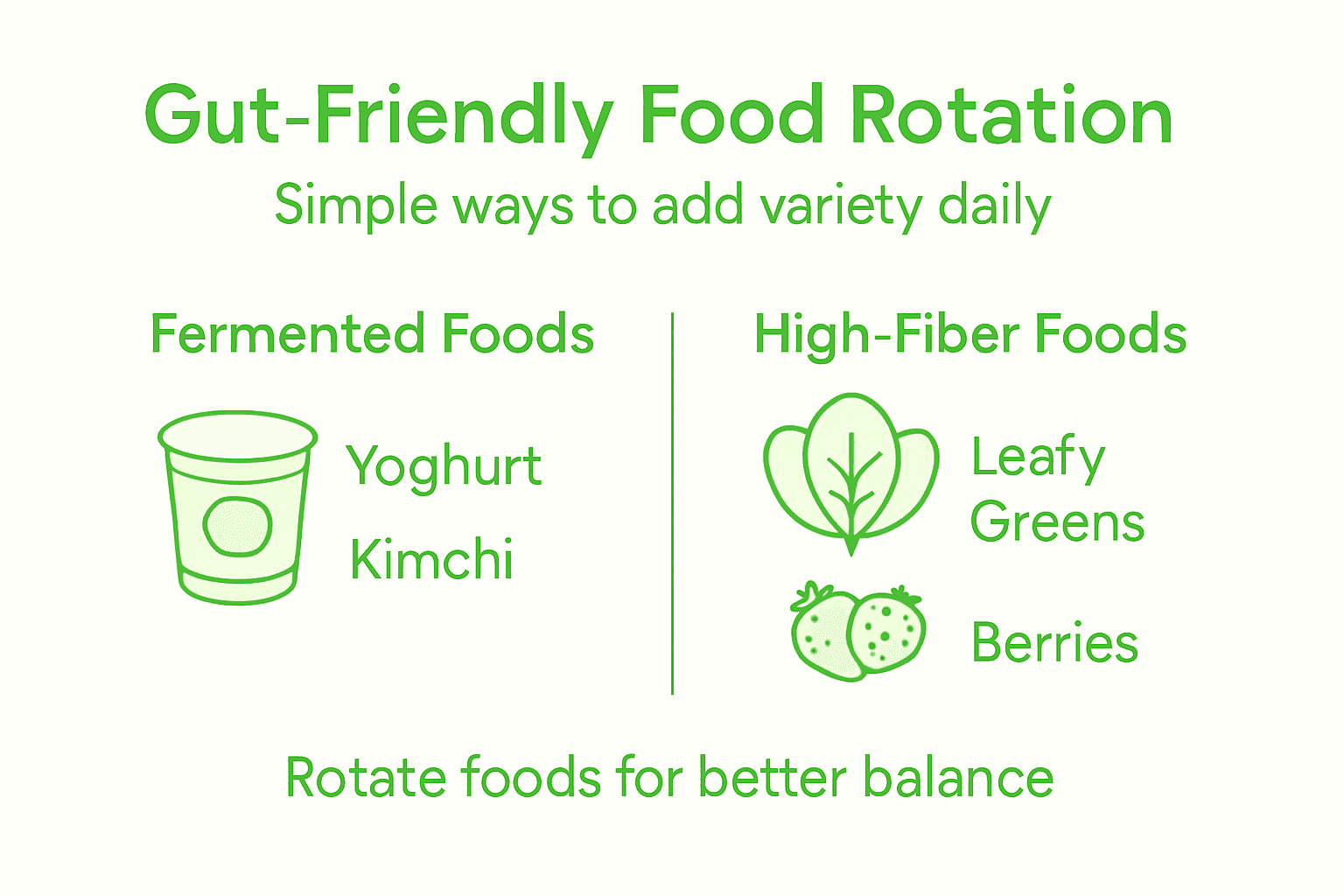
Pro tip: Start a “gut-friendly rotation” where you plan one fermented food for each family member’s preference (some prefer yogurt, others like sauerkraut or miso), then commit to including it daily for two weeks before evaluating energy and digestive changes—this personalised approach prevents the common problem of buying expensive fermented foods that sit unused because nobody in your family actually enjoys them.
Daily Habits That Support Digestion
Your gut does not care about motivation or good intentions. It responds to consistent, repeated actions. The difference between families that transform their digestive health and those that do not typically comes down to three or four small daily habits rather than dramatic overhauls. The first and most underestimated habit is how you eat, not just what you eat. When you sit down at a table, remove distractions, and chew each bite thoroughly for at least 20 to 30 seconds, your digestive system activates properly. Your saliva contains enzymes that begin breaking down food immediately, and chewing signals your stomach to produce acid and your pancreas to prepare digestive enzymes. For families in Delhi NCR rushing between office commutes and school drop-offs, eating whilst driving or at your desk whilst working sends a stress signal to your body that diverts blood away from digestion toward fight-or-flight responses. Your gut physically cannot digest food optimally when you are stressed. Similarly, avoiding straws and chewing gum might sound trivial, but both introduce excess air into your digestive tract, causing bloating and gas that children and adults find uncomfortable. Small behavioural shifts compound dramatically over weeks.
The second pillar is movement and stress management. Regular exercise stimulates gut motility, meaning it literally helps food move through your digestive system at the right pace, preventing both constipation and diarrhoea. You do not need intense workouts. A 20-minute walk after meals, gentle yoga, or even dancing to music whilst cooking activates your gut and reduces bloating within hours. Stress management is equally critical because chronic stress literally damages your gut lining and shifts your microbiome toward harmful species. For expatriate families managing relocation stress and first-time parents juggling overwhelming responsibilities, building even 10 minutes of daily stress relief transforms your family’s digestion. This might be meditation, breathing exercises, time in nature, journalling, or simply sitting quietly without your phone. Your children watch and learn these patterns from you, so modelling stress management teaches them gut health lessons that last a lifetime. Sleep completes this picture. When you sleep insufficient hours or at irregular times, your circadian rhythm disrupts, and your gut microbiome literally shifts toward dysbiosis. Aim for consistent sleep timing across your family, even on weekends.
The third habit involves hydration and gradual dietary fibre increases. Drinking adequate water throughout the day is not optional for digestion. Water softens stool, helps your gut bacteria ferment fibre properly, and reduces bloating. Most people in Delhi NCR do not drink enough water due to heat and busy schedules, making this a critical gap. However, if you suddenly increase your fibre intake dramatically, you will experience uncomfortable bloating and gas as your microbiome adjusts. The solution is simple: increase fibre by approximately 5 grams every three to four days, giving your system time to adapt. Start with cooked vegetables that are easier to digest, then progress to raw vegetables, then to seeds and nuts. This gradual approach prevents the common mistake where people try eating lots of salad and legumes immediately, feel terrible, and abandon gut health efforts entirely.
The fourth habit is eating smaller, more frequent meals. Rather than three large meals that overwhelm your digestive capacity, eating four or five smaller meals keeps your digestive system working steadily without stress. This is particularly valuable for children whose stomachs are smaller and for anyone experiencing digestive discomfort. Including fermented foods at each meal becomes effortless when meals are smaller. A spoonful of yoghurt with breakfast, a small serving of sauerkraut with lunch, a fermented vegetable accompaniment with dinner—distributed throughout the day, these add up to meaningful probiotic exposure without feeling forced. The habit that ties everything together is consistency over perfection. Your family does not need to execute every habit flawlessly. Choose one or two habits this week—perhaps sitting down to eat without distractions and drinking more water. Next week, add movement. The week after, address sleep timing. By month two, you will notice energy increases, bloating decreases, and your children seem calmer and more focused. These changes build on each other exponentially.
Pro tip: Create a “digestion checklist” for your family that includes five daily habits (sit down to eat, chew thoroughly, drink water, move your body, manage stress), then track which days you complete at least three items—this removes the pressure of perfection whilst creating visible progress that motivates consistency, and after four weeks of tracking, these habits become automatic rather than effortful.
Mistakes to Avoid When Improving Gut Health
Gut health improvement fails for most people not because the science is complicated but because they make preventable mistakes that derail their progress. The first and most common error is the all-or-nothing approach. Families discover information about gut health, get excited, and then attempt a complete dietary overhaul overnight. They eliminate all sugar, processed foods, and alcohol simultaneously whilst adding expensive supplements, fermented foods, and completely restructuring meal planning. This works for approximately two weeks before the family reverts to old patterns, feels like they have failed, and abandons the entire effort. Sustainable change requires gradual implementation. Start with one or two changes per week, give your family time to adapt psychologically and physically, and build from there. Your gut microbiome does not change overnight, and neither does your family’s eating culture. Trying to transform everything simultaneously sets you up for the frustration that derails lasting improvements.
The second critical mistake is neglecting the sustainability foundation. You cannot build lasting gut health on a diet your family actually dislikes or habits that feel like punishment. If nobody in your household enjoys fermented vegetables, buying expensive jars that sit unused in your refrigerator is wasteful and demoralising. Quick fixes and fad diets almost never provide lasting benefits because they are not designed to become your family’s normal life. Instead, identify which gut-supporting foods your family already enjoys, then build from there. If your children like rice, make it a base for vegetable-rich bowls. If they prefer yoghurt to other fermented foods, commit to quality yoghurt daily rather than forcing them to eat sauerkraut. The goal is creating habits that feel natural enough that you maintain them for years, not months. This is where understanding which sustainable dietary patterns support your family best becomes foundational rather than aspirational.
A third pitfall is overusing probiotics without understanding what you are taking. Not all probiotic supplements are equal. Many contain ineffective strains, insufficient quantities, or species that do not actually colonise your gut effectively. Taking random probiotics hoping they will solve your problems is like throwing money at a problem without a plan. Worse, taking probiotics without also removing the foods that feed harmful bacteria is counterproductive. It is like trying to fill a bucket with a hole in the bottom. Your harmful bacteria feast on processed sugar and refined grains, so adding beneficial bacteria whilst continuing to eat these foods means the harmful bacteria often win. Similarly, antibiotics are powerful but indiscriminate. They kill harmful bacteria but also devastate your beneficial species, leaving your microbiome depleted and vulnerable to opportunistic infections. If antibiotics are medically necessary, take them, but recognise that restoring your gut afterwards requires deliberate effort and time. This is also where avoiding unnecessary gluten consumption patterns becomes relevant for families where gluten sensitivity exists but has not been formally identified, as undiagnosed sensitivity drives chronic inflammation that blocks all other gut health improvements.
Fourth, families often neglect the lifestyle factors that are equally important as food. You can eat perfectly but still have a damaged gut if you are chronically stressed, sleeping poorly, sedentary, or consuming excess alcohol. Your stress level literally alters which bacteria thrive in your microbiome. Your sleep schedule directly influences your circadian rhythm, which controls your gut barrier function and microbial composition. Alcohol damages the protective mucus layer and disrupts microbial balance. For expatriate families in Delhi NCR managing relocation stress, work pressure, and unfamiliar environments, addressing stress and sleep becomes non-negotiable rather than optional. Similarly, expecting your children to maintain good digestion whilst being sedentary contradicts how human bodies are designed. Movement stimulates gut motility and changes your microbial composition within hours. The mistake is treating food as the only variable whilst ignoring that your entire lifestyle either supports or sabotages your gut health. Finally, ignoring dietary variety limits your microbiome diversity. Your gut thrives when exposed to many different plant species, colours, and fibre types. Eating the same five foods repeatedly, even if they are healthy, creates a limited microbiome rather than a resilient one. Rotating seasonal vegetables, trying different whole grains, incorporating varied legumes, and exposing your children to diverse plant foods builds a microbiome adaptable to different foods and more resistant to illness.
Pro tip: Before starting any gut health change, identify which mistakes you or your family are currently making (perfectionism, unsustainable changes, stress neglect, limited food variety), then choose just one mistake to address first—this focused approach prevents overwhelm and creates momentum for additional changes, whereas trying to fix everything simultaneously usually backfires.
Restore Your Family’s Gut Health Naturally with Trusted Organic Choices
Struggling with digestive discomfort, fluctuating energy, or mood imbalances in your family can be frustrating and exhausting. This article highlights how an imbalanced microbiome, poor nutrient absorption, and lifestyle stressors challenge your family’s wellbeing daily. At Nature’s Soul Shop, we understand these exact pain points and offer a carefully curated selection of organic fruits, vegetables, dairy, and vegan products made with clean ingredients to gently nurture your gut microbiome. Embracing foods rich in natural prebiotics and live probiotics has never been easier or more reassuring.

Take the first step now to build lasting gut health by choosing organic, natural products that support digestion and immunity. Visit Nature’s Soul Shop, where wholesome nutrition meets science-backed wellness. Explore our range to find nourishing options that promote balance and vitality for your entire family. Transform your daily routine and experience the remarkable benefits of true gut support today.
Frequently Asked Questions
What are the main symptoms of an unhealthy gut?
Common symptoms of an unhealthy gut include bloating, gas, constipation, diarrhoea, fatigue, sleep disturbances, and mood swings. If you experience these symptoms frequently, it may indicate an imbalance in your gut microbiome.
How can I naturally improve my gut health through diet?
To improve gut health, focus on incorporating fermented foods like yoghurt, sauerkraut, and kimchi, as well as fibre-rich whole foods such as fruits, vegetables, and whole grains. These foods help nourish beneficial gut bacteria and support a healthy microbiome.
What lifestyle habits can support digestion and gut health?
Healthy lifestyle habits that support digestion include staying hydrated, managing stress, getting adequate sleep, and incorporating regular physical activity. Eating smaller, more frequent meals can also enhance digestive efficiency.
Are probiotics necessary for gut health improvement?
While probiotics can help improve gut health, they are not always necessary. It’s important to focus first on a balanced diet rich in prebiotics and fermented foods that feed and support the growth of beneficial gut bacteria. Supplements should be considered based on individual needs and dietary habits.
Recommended
- Understanding Digestive Health Foods for Optimal Wellbeing – naturessoulshop
- Prebiotic vs Probiotic Foods – Impact on Gut Health – naturessoulshop
- 10 Must-Know Prebiotic Foods List for Better Gut Health – naturessoulshop
- How to Build Healthy Habits Naturally for Lasting Wellness – naturessoulshop
- Family-Friendly Carpet Cleaning Tips for Safe and Fresh Homes 2025 - Yarra Valley Carpet Cleaning


