


Finding organic products with truly ethical sourcing can feel like a maze for british expats and first-time parents in Delhi NCR. Over 60 percent of consumers believe ethical claims are often just clever marketing, leaving families unsure about their purchases. As transparency becomes key, recognising what ethical sourcing really means and spotting common misconceptions is the first step. Discover clear ways to protect your family’s health and make sustainable choices you can trust.
Table of Contents
- Ethical Sourcing Practices And Misconceptions
- Types Of Ethical Sourcing In Wellness Sector
- Global Regulations And Certification Standards
- Ensuring Transparency, Traceability And Fair Labour
- Risks, Compliance Challenges And What To Avoid
Key Takeaways
| Point | Details |
|---|---|
| Understanding Ethical Sourcing | Ethical sourcing encompasses environmental, social, and economic considerations, moving beyond superficial marketing claims to encompass genuine, systemic changes. |
| Types of Ethical Sourcing in Wellness | Approaches such as Fair Trade and Regenerative Agriculture can significantly enhance product quality while benefitting local communities and ecosystems. |
| Importance of Transparency | Transparency is crucial for accountability in supply chains; organisations must implement robust systems for monitoring and documentation. |
| Risks and Compliance Challenges | Businesses face various risks, including reputational vulnerabilities and regulatory inconsistencies, requiring proactive strategies for effective ethical sourcing management. |
Ethical sourcing practices and misconceptions
Ethical sourcing represents more than a corporate buzzword - it’s a comprehensive approach to responsible procurement that extends far beyond simple compliance. Recent scholarly research reveals the evolving complexity of ethical supply chain practices, demonstrating how organisations must thoughtfully integrate environmental, social, and economic considerations into their sourcing strategies.
Many consumers and businesses fundamentally misunderstand ethical sourcing, often reducing it to superficial marketing claims or checkbox activities. Consumer perception studies highlight that cost-driven decisions frequently undermine genuine ethical initiatives, creating a significant gap between proclaimed values and actual implementation. This disconnect means that while companies might tout ethical credentials, the underlying procurement practices may remain fundamentally unchanged.
Understanding ethical sourcing requires recognising its multidimensional nature. Key dimensions include:
- Worker welfare and fair compensation
- Environmental sustainability
- Transparent supply chain practices
- Respect for local community standards
- Minimising ecological footprint
The challenge lies not just in developing ethical guidelines, but in consistently implementing and verifying them across complex global supply networks. Organisations must move beyond performative gestures to create meaningful, systemic changes that genuinely protect workers, communities, and ecological systems.
Pro Tip - Supply Chain Transparency: Regularly audit your supplier relationships, requesting detailed documentation about labour practices, environmental standards, and community impact to ensure genuine ethical commitment.
Types of ethical sourcing in wellness sector
Ethical sourcing in the wellness sector represents a nuanced approach to responsible product procurement, encompassing multiple sophisticated strategies that extend far beyond traditional supply chain management. Comprehensive research on sustainable botanical sourcing reveals several critical methodological approaches that wellness brands are increasingly adopting to ensure environmental and social responsibility.
The primary types of ethical sourcing in wellness industries include:
- Fair Trade Partnerships: Ensuring direct, equitable compensation for agricultural producers
- Direct Farmer Collaborations: Establishing transparent, long-term relationships with local farming communities
- Regenerative Agriculture Practices: Supporting agricultural methods that restore ecological systems
- Transparent Supply Chain Tracking: Implementing comprehensive monitoring of product origins
- Biodiversity Conservation Initiatives: Protecting local ecosystems during ingredient procurement
Each ethical sourcing approach carries unique implications for product quality, environmental sustainability, and community development. Fair trade models, for instance, not only guarantee fair wages but also create economic stability for small-scale farmers, while regenerative agriculture practices help restore soil health and mitigate climate change impacts.
The wellness sector’s commitment to ethical sourcing extends beyond mere transactional relationships. By prioritising holistic approaches that balance economic viability with social and environmental considerations, brands can create meaningful change. This requires continuous investment in understanding complex global supply networks and maintaining rigorous standards of transparency and accountability.
The following table compares key ethical sourcing approaches in the wellness sector and their business impacts:
| Sourcing Approach | Business Impact | Environmental Benefit |
|---|---|---|
| Fair Trade | Strengthens brand trust | Reduces rural poverty |
| Direct Farmer Collaboration | Enhances supply reliability | Encourages sustainable agriculture |
| Regenerative Agriculture | Improves product differentiation | Restores soil health |
| Transparent Supply Chain | Supports compliance, reduces risk | Increases traceability |
| Biodiversity Initiatives | Opens access to eco-aware markets | Protects local ecosystems |
Pro Tip - Ethical Ingredient Verification: Request detailed sourcing documentation from wellness brands, including origin certificates, fair trade credentials, and environmental impact assessments to ensure genuine ethical commitment.
Global regulations and certification standards
The landscape of global ethical sourcing regulations represents a complex, evolving framework designed to protect workers, communities, and environmental systems. The first globally benchmarked standard for ethical trade and responsible sourcing provides critical insights into how international bodies are developing comprehensive compliance mechanisms that transcend traditional regulatory approaches.
Key international regulatory frameworks critical to ethical sourcing include:
- EU Corporate Sustainability Due Diligence Directive (CSDDD): Mandating human rights and environmental protection
- International Labour Organisation (ILO) Standards: Establishing fundamental worker protection guidelines
- United Nations Guiding Principles on Business and Human Rights: Creating global accountability frameworks
- Global Reporting Initiative (GRI): Developing transparent sustainability reporting standards
- Fairtrade International Certification: Ensuring equitable economic practices
Comprehensive international regulations now require detailed documentation and compliance mechanisms that go far beyond traditional checklist approaches. These frameworks demand holistic evidence of sustainable practices, worker welfare, environmental protection, and transparent supply chain management. Companies must now demonstrate not just compliance, but proactive commitment to ethical principles across their entire operational ecosystem.

Implementing these global standards requires significant organisational transformation. Businesses must invest in robust tracking systems, develop comprehensive training programmes, and create internal cultures that prioritise ethical considerations alongside economic objectives. This means moving from reactive compliance to proactive sustainability leadership.
Pro Tip - Regulatory Navigation: Regularly consult updated international ethical sourcing guidelines, and engage specialised compliance consultants to ensure your organisational practices remain current with evolving global standards.
Ensuring transparency, traceability and fair labour
Transparency represents the cornerstone of ethical supply chain management, moving far beyond simple documentation to create genuine accountability. A comprehensive systematic review of sustainable supply chain practices reveals the intricate mechanisms required to establish genuine traceability and protect fundamental human rights across global production networks.
Key strategies for ensuring comprehensive transparency include:
- Digital Tracking Systems: Implementing real-time monitoring technologies
- Independent Auditing: Engaging third-party verification processes
- Worker Interview Protocols: Establishing confidential feedback mechanisms
- Comprehensive Documentation: Creating detailed, verifiable sourcing records
- Supply Chain Mapping: Visualising complete production pathways
Traceability demands multifaceted approaches that integrate technological solutions with human-centred practices. Companies must develop robust systems that not only track product origins but also validate working conditions, environmental standards, and economic fairness throughout the entire production lifecycle. This requires moving beyond superficial compliance to create genuine, measurable accountability.
Successful transparency initiatives transform supply chain management from a transactional process to a collaborative, ethical ecosystem. By prioritising worker welfare, environmental sustainability, and economic justice, organisations can create meaningful change that extends far beyond traditional corporate social responsibility frameworks.
Pro Tip - Transparency Verification: Request comprehensive sourcing documentation that includes worker interview transcripts, independent audit reports, and detailed supply chain mapping to ensure genuine ethical commitment.
Risks, compliance challenges and what to avoid
Ethical sourcing demands sophisticated risk management strategies that go beyond traditional compliance frameworks. Global analysis of smart supply chain ethical challenges reveals the complex landscape of potential pitfalls organisations must navigate to maintain genuine ethical standards.
Key risks and challenges in ethical sourcing include:
- Reputational Vulnerabilities: Potential brand damage from unverified supply chains
- Regulatory Inconsistencies: Navigating disparate international compliance requirements
- Digital Traceability Limitations: Technological gaps in tracking complex production networks
- Subcontractor Accountability: Managing extended supply chain accountability
- Economic Incentive Misalignment: Balancing cost efficiency with ethical standards
Comprehensive compliance enforcement frameworks recommend proactive risk mitigation strategies that transform potential vulnerabilities into opportunities for systemic improvement. Organisations must develop dynamic, adaptive approaches that continuously assess and address emerging ethical challenges across global production networks.

Successful risk management requires moving beyond reactive compliance to creating holistic, integrated ethical governance systems. This means developing robust vendor selection protocols, implementing real-time monitoring technologies, and establishing transparent, accountable reporting mechanisms that prioritise worker welfare and environmental sustainability.
The table below summarises common ethical sourcing risks and ways to address them:
| Risk Area | Main Challenge | Effective Mitigation |
|---|---|---|
| Reputational | Negative media coverage | Proactive, transparent reporting |
| Regulatory | Varying international laws | Use external compliance consultants |
| Technological | Gaps in digital systems | Invest in advanced traceability tools |
| Subcontractor | Limited oversight | Regular third-party audits |
| Economic Incentives | Cost pressures | Align remuneration to ethical targets |
Pro Tip - Risk Assessment: Conduct annual comprehensive ethical sourcing audits that include independent third-party evaluations, worker feedback mechanisms, and detailed supply chain mapping to identify and address potential compliance vulnerabilities.
Embrace Genuine Ethical Sourcing for Your Family’s Wellness
The challenge with ethical sourcing is moving beyond superficial claims to ensure true transparency, fair labour, and environmental sustainability as highlighted in the article. At Natures Soul Shop, we understand the importance of these principles and are committed to providing organic and natural products across categories including fruits, vegetables, meats, dry grocery, dairy, vegan and gluten free options, home care, and skin care — all sourced with respect for workers, communities, and ecology.
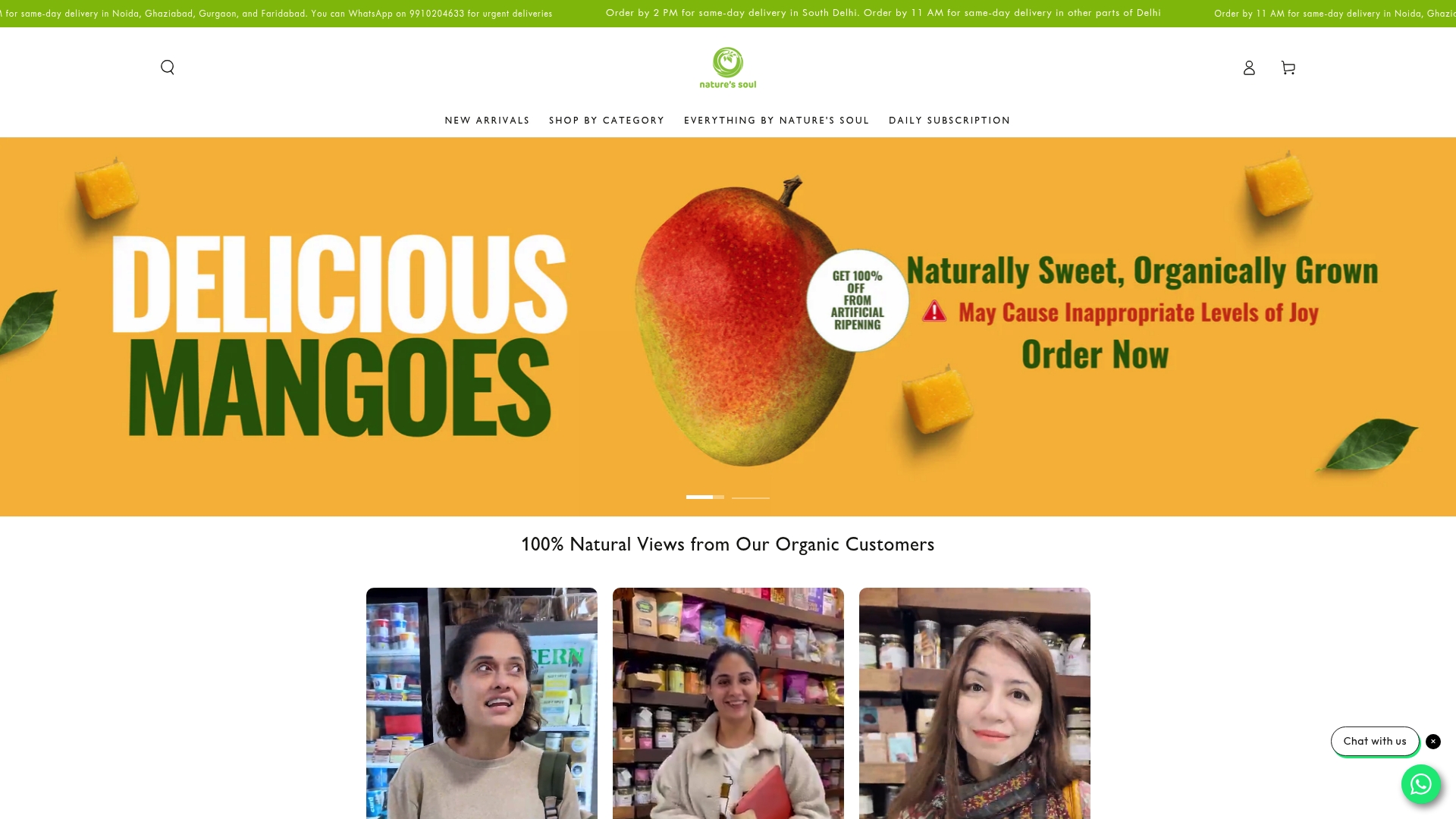
Choose wellness products that reflect authentic ethical practices. Discover how our dedication to clean ingredients and transparent supply chains supports the wellbeing of your entire family and the planet. Start making impactful choices today by exploring our full range at Natures Soul Shop. Learn more about how we implement responsible sourcing by visiting our homepage and experience trusted wellness that truly cares.
Frequently Asked Questions
What is ethical sourcing in the wellness sector?
Ethical sourcing in the wellness sector refers to responsible product procurement that prioritises environmental sustainability, social responsibility, and fair trade practices, ensuring that products are sourced in a way that benefits communities and protects the environment.
How does ethical sourcing impact family wellness?
Ethical sourcing impacts family wellness by promoting healthier, sustainable products that contribute to the well-being of communities. It supports fair labour practices, ensures high-quality ingredients, and fosters a healthier ecosystem, ultimately enhancing overall family health.
What are some common ethical sourcing practices?
Common ethical sourcing practices include Fair Trade partnerships, direct farmer collaborations, regenerative agriculture, transparent supply chain tracking, and biodiversity conservation initiatives. These approaches aim to ensure fair wages, environmental protection, and social equity.
Why is transparency important in ethical sourcing?
Transparency is crucial in ethical sourcing as it builds trust between consumers and brands. It ensures accountability and allows consumers to verify the practices behind the products they purchase, ultimately fostering a better alignment between consumer values and corporate actions.


