


Most advice about holistic wellness gets it wrong, especially when it comes to the british approach. Many confuse holistic wellness with just trendy diets or alternative therapies, missing the deeper connection between mind, body, and spirit. In truth, over 65 percent of British adults misunderstand what holistic health really means. This guide brings clarity, helping you spot common myths while uncovering practical steps for lasting well-being that fit modern British lifestyles.
Table of Contents
- Defining Holistic Wellness And Key Misconceptions
- Core Pillars: Mind, Body, And Spirit Balance
- Clean Eating: Organic, Vegan, And Gluten-Free Choices
- Building Daily Rituals For Lasting Wellness
- Natural Products For Home And Skin Care
- Avoiding Common Wellness Pitfalls And Fads
Key Takeaways
| Point | Details |
|---|---|
| Holistic Wellness Is Comprehensive | Holistic wellness integrates physical, mental, emotional, and spiritual health, recognising that true well-being transcends the mere absence of disease. |
| Emphasising Personalisation and Prevention | Effective holistic health strategies focus on personalised care and preventative measures rather than solely medical interventions. |
| Importance of Daily Rituals | Establishing daily wellness rituals promotes sustainable health by creating intentional habits that nurture mind-body balance. |
| Critique of Wellness Fads | It is essential to critically assess wellness trends and rely on evidence-based practices tailored to individual needs for long-term health. |
Defining Holistic Wellness and Key Misconceptions
Holistic wellness represents a comprehensive approach to health that transcends traditional medical perspectives by integrating physical, mental, emotional, and spiritual dimensions. This multifaceted framework acknowledges that human well-being emerges from interconnected aspects of life, rather than treating individual symptoms in isolation.
At its core, holistic wellness recognises that true health involves more than merely the absence of disease. It encompasses proactive strategies that nurture overall quality of life, emphasising prevention, balance, and personal empowerment. Unlike conventional health models that often focus exclusively on physical metrics, holistic approaches consider how emotional states, lifestyle choices, environmental factors, and psychological well-being contribute to an individual’s comprehensive health profile.
Common misconceptions about holistic wellness frequently stem from oversimplification or misunderstanding. Many people erroneously believe holistic practices are exclusively alternative medicine or spiritually driven interventions. In reality, holistic wellness integrates scientific understanding with personalised, comprehensive care strategies. Research exploring interconnected well-being perspectives suggests that effective holistic approaches blend empirical health data with nuanced understanding of individual human experiences.
Key aspects that distinguish holistic wellness include:
- Proactive health management
- Personalised lifestyle interventions
- Mind-body-spirit interconnectedness
- Emphasis on preventative strategies
- Recognition of individual uniqueness
By embracing a holistic perspective, individuals can develop more profound, sustainable approaches to personal health and well-being that transcend traditional medical paradigms.
Core Pillars: Mind, Body, and Spirit Balance
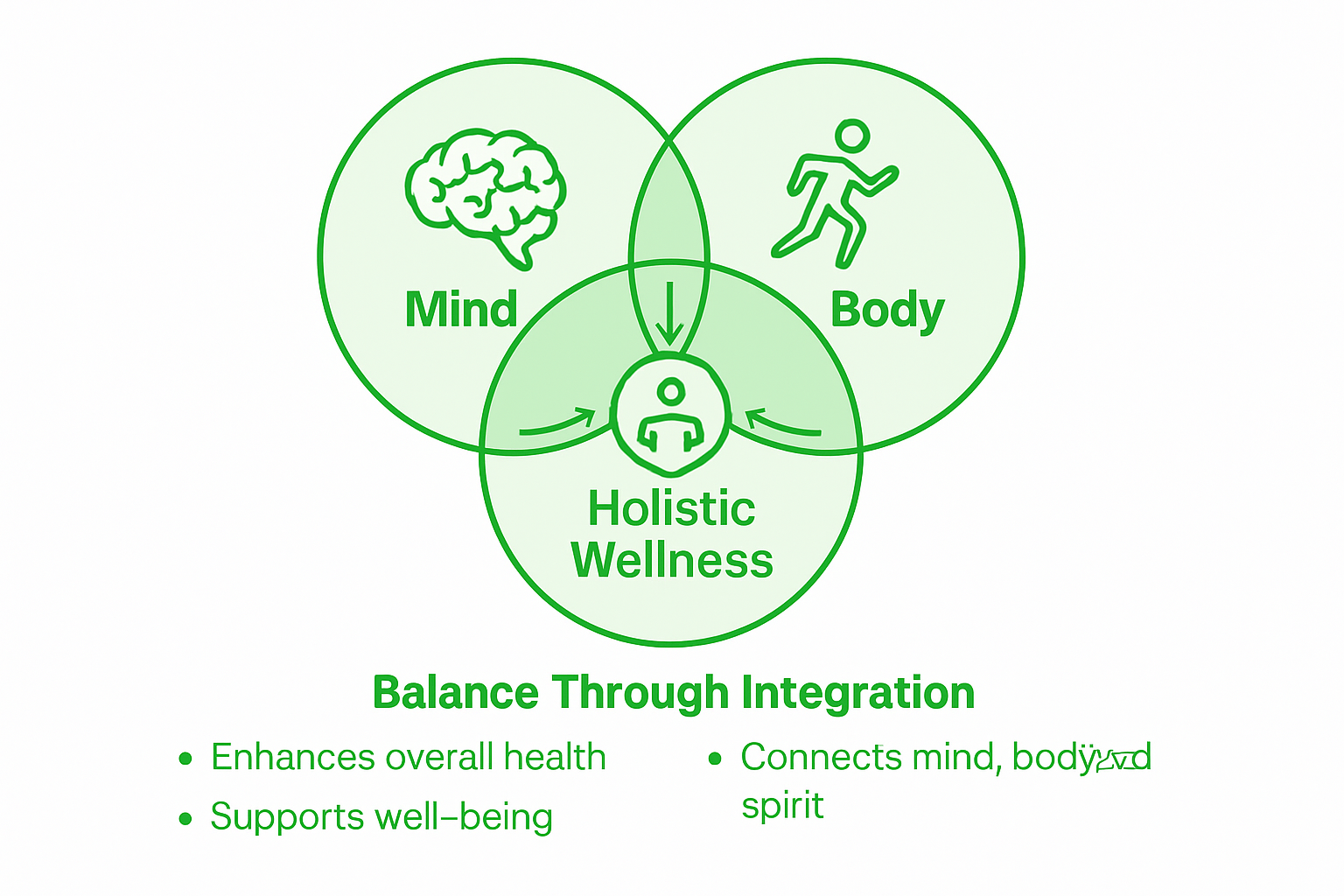
The concept of holistic wellness fundamentally relies on understanding the intricate relationships between mind, body, and spirit as interconnected systems that collectively determine overall health and well-being. Holistic health principles emphasise the profound interconnectedness of these core dimensions, recognising that disruption in one area can significantly impact the others.
Mental wellness represents the cognitive and emotional landscape that influences our perception, decision-making, and emotional resilience. It encompasses psychological health, stress management, emotional intelligence, and the capacity to maintain balanced thought processes. Psychological well-being directly interacts with physical health through neurochemical pathways, hormonal responses, and immune system functioning, demonstrating the complex neural connections between mental states and physiological reactions.

Physical wellness extends beyond mere absence of disease, involving optimal nutrition, regular physical activity, adequate rest, and maintaining bodily homeostasis. The body functions as a dynamic system where nutritional intake, movement, sleep patterns, and environmental interactions continuously shape physiological performance. Spirit wellness, often the most nuanced pillar, represents an individual’s sense of purpose, connection to broader existential meaning, personal values, and inner peace.
The synergistic relationship between these pillars suggests that true health emerges through deliberate, holistic practices:
- Mindful meditation for mental clarity
- Balanced nutritional strategies
- Regular physical exercise
- Stress management techniques
- Cultivating meaningful relationships
- Exploring personal philosophical perspectives
By recognising the dynamic interplay between mind, body, and spirit, individuals can develop more comprehensive, personalised wellness strategies that honour the complexity of human experience.
Clean Eating: Organic, Vegan, and Gluten-Free Choices
Clean eating represents a holistic nutritional philosophy that prioritises whole, minimally processed foods while emphasising quality, sustainability, and individual health requirements. Holistic nutrition approaches recognise food as fundamental nourishment for overall well-being, extending beyond mere caloric intake to consider nutritional integrity and personal dietary needs.
Organic eating forms a critical component of clean nutrition, focusing on produce cultivated without synthetic pesticides, herbicides, or genetically modified organisms. Vegan dietary choices further enhance this approach by eliminating animal products, promoting plant-based nutrition that supports both personal health and environmental sustainability. Essential tips for navigating organic gluten-free food selections can help individuals make informed dietary decisions that align with their wellness objectives.
Gluten-free nutrition has evolved from a medical necessity for individuals with coeliac disease to a broader wellness strategy embraced by many seeking improved digestive health and reduced inflammatory responses. This dietary approach involves eliminating wheat, barley, rye, and their derivatives, replacing them with nutrient-dense alternatives that support optimal bodily functioning.
Key principles of clean eating include:
- Prioritising whole, unprocessed foods
- Choosing organic and locally sourced produce
- Minimising artificial additives and preservatives
- Focusing on plant-based protein sources
- Understanding individual nutritional requirements
- Practising mindful eating techniques
By adopting a comprehensive approach to clean eating, individuals can transform their nutritional habits, supporting holistic wellness through conscious, informed dietary choices that nourish both body and mind.
Building Daily Rituals for Lasting Wellness
Daily wellness practices represent intentional, systematic approaches to nurturing holistic health, transforming seemingly mundane moments into powerful opportunities for personal growth and well-being. Consistent rituals serve as foundational elements that gradually reshape lifestyle patterns, creating sustainable pathways towards optimal physical, mental, and emotional equilibrium.
Morning routines emerge as critical touchstones for establishing daily wellness momentum. These intentional practices might include mindful breathing exercises, gentle stretching, nutritious breakfast preparation, and short meditation sessions that align physiological and psychological systems. Holistic health principles emphasise interconnected body-mind practices that cultivate inner balance and resilience.
Successful ritual development requires understanding individual preferences and designing flexible frameworks that accommodate personal constraints. Rather than pursuing rigid, prescriptive approaches, effective wellness rituals should feel intrinsically motivating, adaptable, and aligned with personal values and lifestyle dynamics.
Key elements for developing sustainable daily wellness rituals include:
- Establishing consistent sleep and wake cycles
- Incorporating mindful movement
- Practising regular meditation
- Maintaining nutritional awareness
- Creating dedicated self-reflection time
- Prioritising stress management techniques
By approaching daily rituals as dynamic, evolving practices, individuals can cultivate profound, long-lasting transformations in their overall well-being.
Natural Products for Home and Skin Care
Holistic wellness approaches emphasise the transformative potential of natural, chemical-free products in supporting overall health and environmental sustainability. The shift towards natural home and skin care solutions represents a profound understanding that what we apply externally directly influences our body’s internal ecosystem, making conscious product selection a critical aspect of comprehensive well-being.
Organic skincare transcends mere cosmetic enhancement, functioning as a nuanced form of bodily nourishment. Natural skincare benefits extend far beyond surface-level aesthetics, addressing underlying skin health through clean, minimally processed ingredients that support cellular regeneration and protect against environmental stressors. Ingredients sourced from organic, sustainably cultivated botanicals offer potent nutritional profiles without harmful synthetic chemicals.
Home care products similarly demand critical evaluation, with conscientious consumers increasingly recognising the importance of reducing chemical exposure in everyday environments. Natural cleaning solutions, crafted from plant-based ingredients, provide effective sanitisation while minimising toxic residues that conventional products often leave behind. These alternatives support not just personal health, but contribute to broader ecological sustainability efforts.
Key considerations for selecting natural home and skin care products include:
- Prioritising organic, plant-derived ingredients
- Avoiding synthetic fragrances and preservatives
- Checking for third-party certification
- Understanding ingredient transparency
- Considering environmental impact
- Supporting ethical, sustainable brands
By embracing natural products, individuals can create harmonious, health-supporting ecosystems within their personal spaces and skin care routines.
Avoiding Common Wellness Pitfalls and Fads
Holistic wellness research cautions against simplistic, trend-driven approaches to health, highlighting the critical need for nuanced, personalised strategies that transcend momentary wellness fads. The wellness landscape is frequently cluttered with quick-fix solutions, miracle supplements, and one-size-fits-all methodologies that promise transformative results but often lack substantive scientific grounding.
Wellness misconceptions frequently emerge from misunderstood or oversimplified health information, propagated through social media, unverified internet sources, and aggressive marketing campaigns. Comprehensive well-being perspectives demand a more sophisticated understanding that recognises the complex, interconnected nature of human health across physical, psychological, and spiritual dimensions.
Common wellness pitfalls include radical dietary restrictions, extreme fitness regimens, unregulated supplement consumption, and trend-based interventions that ignore individual physiological differences. These approaches often neglect the fundamental principle of personalised, holistic health management, which requires understanding unique bodily needs, genetic predispositions, and lifestyle contexts.
Key strategies for avoiding wellness fads include:
- Critically evaluating health claims
- Consulting qualified healthcare professionals
- Prioritising evidence-based interventions
- Understanding individual health markers
- Embracing balanced, sustainable practices
- Recognising the limitations of trendy solutions
True wellness emerges through informed, patient, and integrated approaches that honour individual complexity and reject superficial, commercially driven health narratives.
Empower Your Holistic Wellness Journey with Natural Solutions
The article highlights the common challenges of integrating mind, body, and spirit balance while avoiding wellness fads. You may be seeking reliable ways to embrace proactive health management through clean eating, natural skin care, and sustainable daily rituals. At Nature’s Soul Shop, we deeply understand the importance of personalised, organic, and chemical-free products that support genuine holistic wellness. Our range includes carefully selected organic fruits, vegetables, vegan and gluten-free groceries, as well as natural home and skin care items designed to nurture your complete well-being.
Take control of your wellness journey today by exploring our natural and organic offerings. Discover how embracing clean ingredients can transform your daily rituals and build lasting vitality. Experience the difference that conscious choices make by visiting Nature’s Soul Shop and start living a truly empowered, balanced life now.
Frequently Asked Questions
What is holistic wellness?
Holistic wellness is a comprehensive approach to health that incorporates physical, mental, emotional, and spiritual dimensions, recognising that overall well-being comes from the interconnectedness of these aspects.
How can I establish a daily wellness routine?
To create a daily wellness routine, focus on incorporating consistent practices such as mindful meditation, balanced nutrition, regular exercise, sufficient sleep, and stress management techniques tailored to your personal needs and preferences.
What are the key components of clean eating?
Key components of clean eating include prioritising whole, minimally processed foods, choosing organic produce, focusing on plant-based proteins, and minimising artificial additives, all while understanding your individual nutritional requirements.
Why are natural products important for home and skin care?
Natural products are essential for home and skin care as they reduce exposure to harmful chemicals, support overall health, and contribute to environmental sustainability, offering nourishing benefits without the side effects of synthetic ingredients.
Recommended
- Building Healthy Habits Naturally: A Step-by-Step Guide – naturessoulshop
- Sustainable Wellness Brands: Complete Expert Guide – naturessoulshop
- Understanding Healthy Eating on the Go: Key Concepts – naturessoulshop
- How to Start Eating Healthy: A Simple Step-by-Step Guide – naturessoulshop
- 7 Essential Chiropractic Self-Care Tips for Active Lifestyles


