


Over one third of British adults now report reducing or eliminating animal products from their diets, reflecting a powerful shift in how people view food and health. Choosing between vegan and vegetarian diets can seem complicated, especially with so many ethical and nutritional factors involved. This article breaks down the basics of these popular British dietary choices, clarifies what sets them apart, and highlights why your motivations and food preferences really matter.
Table of Contents
- What Vegan and Vegetarian Diets Mean
- Key Nutritional Differences Explained
- Common Foods and Ingredient Choices
- Health Impacts and Nutritional Benefits
- Ethical, Environmental, and Practical Considerations
Key Takeaways
| Point | Details |
|---|---|
| Dietary Distinctions | Vegetarian diets allow for the consumption of dairy and eggs, while vegan diets eliminate all animal products, demanding stricter nutritional management. |
| Nutritional Awareness | Both dietary approaches require careful planning to ensure adequate nutrient intake, particularly for critical nutrients like Vitamin B12, iron, and omega-3 fatty acids. |
| Health Benefits | Plant-based diets may offer significant health advantages, including reduced risks of chronic diseases such as type 2 diabetes and cardiovascular conditions. |
| Ethical and Environmental Motives | Individuals often adopt plant-based diets driven by ethical concerns for animal welfare, environmental sustainability, and personal health goals, reflecting complex motivations behind their choices. |
What Vegan and Vegetarian Diets Mean
Vegetarian and vegan diets represent intentional dietary choices that eliminate certain animal products, reflecting personal ethical, health, and environmental considerations. Dietary restrictions vary significantly between these two nutritional approaches, creating unique nutritional landscapes for practitioners.
In a vegetarian diet, individuals abstain from consuming meat, fish, and seafood, but may continue to include dairy products and eggs. This dietary approach allows for more nutritional flexibility compared to veganism. Vegetarians typically divide themselves into subcategories: lacto-vegetarians who consume dairy, ovo-vegetarians who eat eggs, and lacto-ovo-vegetarians who incorporate both dairy and eggs into their nutrition plan.
A vegan diet, by contrast, represents a more comprehensive elimination of all animal-derived products. Vegans exclude not just meat and seafood, but also dairy, eggs, honey, and any animal-based ingredients. According to nutritional guidelines, this dietary choice extends beyond food, often encompassing lifestyle decisions that avoid animal exploitation in clothing, cosmetics, and other consumer products.
Both dietary approaches share fundamental commonalities: emphasising whole grains, legumes, fruits, vegetables, nuts, and seeds as primary nutritional sources. The key difference lies in the extent of animal product exclusion and the philosophical motivations underlying these dietary choices. Practitioners often cite reasons ranging from animal welfare and environmental sustainability to personal health optimisation when selecting these nutritional pathways.
Key Nutritional Differences Explained
Nutritional profiles of vegan and vegetarian diets reveal significant variations in essential nutrient composition that can profoundly impact overall health and wellness. While both dietary approaches eliminate meat consumption, their nutritional landscapes differ substantially, requiring careful planning to ensure comprehensive nutrient intake.
Vegetarian diets typically provide more dietary flexibility, allowing for dairy and egg consumption which helps mitigate some potential nutrient deficiencies. Protein sources in these diets often include eggs, milk, cheese, and yoghurt, complementing plant-based proteins like legumes, nuts, and seeds. However, research indicates potential risks of nutrient gaps that require strategic dietary supplementation and mindful food selection.
Vegan diets, being more restrictive, demand more sophisticated nutritional management. Critical nutrients that require specific attention include:
- Vitamin B12 (typically found in animal products)
- Iron
- Omega-3 fatty acids
- Calcium
- Zinc
- Complete protein combinations
Successful implementation of vegan and vegetarian diets necessitates comprehensive nutritional knowledge, potentially involving professional dietary consultation to ensure balanced nutrient intake. Practitioners must focus on diverse, whole-food plant-based approaches, potentially incorporating fortified foods or targeted supplements to address potential nutritional shortfalls.
Common Foods and Ingredient Choices
Plant-based dietary foundations encompass a diverse range of nutrient-rich ingredients that form the cornerstone of vegetarian and vegan nutrition. These diets rely heavily on whole foods that provide essential nutrients, flavours, and culinary versatility, transforming traditional meal preparations into innovative, health-conscious experiences.
The core ingredients for both dietary approaches typically include:
- Whole grains (quinoa, brown rice, millet)
- Legumes (lentils, chickpeas, black beans)
- Nuts and seeds (almonds, chia, flaxseeds)
- Fresh vegetables and fruits
- Plant-based protein sources
Vegetarian diets offer additional flexibility with ingredient selections, incorporating dairy products and eggs as supplementary protein and nutrient sources. Protein alternatives like tofu, tempeh, seitan, and nutritional yeast become crucial for maintaining balanced nutrition, especially in more restrictive vegan dietary frameworks.
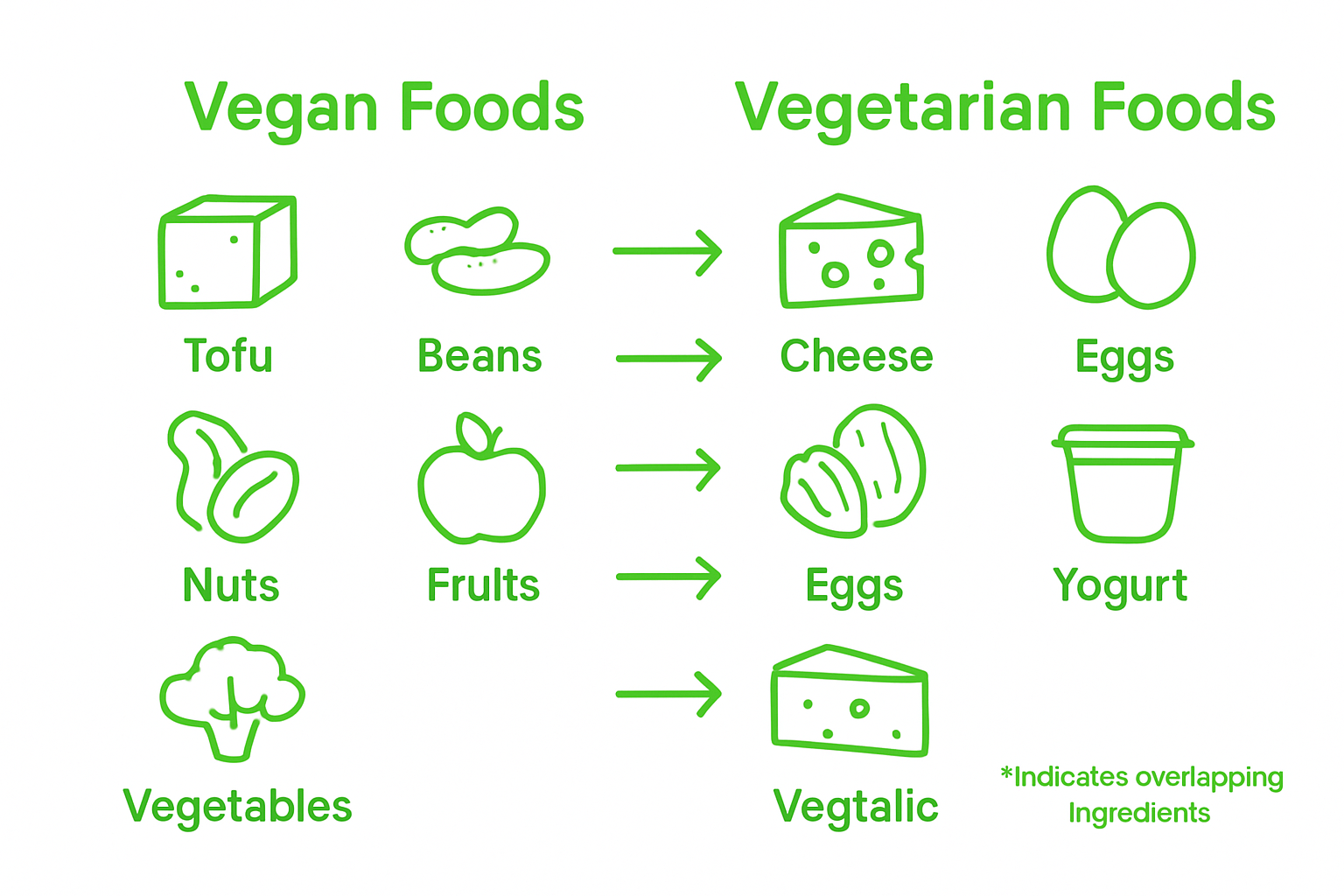
Ingredient substitution represents a critical skill for individuals transitioning to plant-based diets. Creative cooking techniques transform traditional animal-based recipes using innovative plant-based alternatives, ensuring meals remain delicious, nutritionally complete, and satisfying. Practitioners learn to reimagine classic dishes through mindful ingredient selection, proving that dietary restrictions need not compromise culinary enjoyment or nutritional adequacy.
Health Impacts and Nutritional Benefits
Research on vegetarian and vegan dietary patterns reveals significant potential health advantages and considerations for individuals adopting plant-based nutritional approaches. These dietary choices demonstrate remarkable impacts on metabolic health, body composition, and long-term disease prevention strategies.
The potential health benefits of plant-based diets are extensive and multifaceted. Comprehensive nutritional studies indicate these dietary approaches can potentially:
- Reduce risk of type 2 diabetes
- Lower cardiovascular disease probability
- Mitigate hypertension risks
- Support weight management efforts
- Potentially decrease certain cancer risks
Metabolic indicators such as body mass index and cholesterol levels often show positive modifications in individuals maintaining well-structured vegetarian and vegan diets. However, practitioners must remain vigilant about potential nutritional gaps, particularly concerning protein intake, vitamin B12, iron, and omega-3 fatty acids. Strategic meal planning and potential supplementation become crucial for maintaining optimal health outcomes.

Nutritional diversity remains paramount in plant-based dietary frameworks. Successful implementation requires comprehensive understanding of ingredient combinations, nutrient absorption mechanisms, and individual physiological requirements. Practitioners are encouraged to consult healthcare professionals for personalised dietary guidance, ensuring their chosen nutritional pathway supports comprehensive wellness and addresses individual health objectives.
Ethical, Environmental, and Practical Considerations
Global perspectives on dietary choices reveal complex motivations behind plant-based nutritional approaches, extending far beyond individual health considerations. These dietary decisions intersect with profound ethical, environmental, and social implications that challenge traditional nutritional paradigms.
Individuals typically adopt vegetarian and vegan lifestyles through three primary motivational frameworks:
-
Ethical Considerations
- Animal welfare protection
- Reducing animal suffering
- Challenging industrial farming practices
-
Environmental Motivations
- Reducing carbon footprint
- Minimising agricultural land usage
- Decreasing greenhouse gas emissions
-
Personal Health Goals
- Improving metabolic indicators
- Managing chronic disease risks
- Enhancing nutritional intake
Dietary choice research demonstrates that practitioners rarely commit to these nutritional pathways through a single motivation. Instead, complex intersectional considerations drive individuals towards plant-based dietary frameworks, reflecting nuanced personal values and broader societal awareness.
Practical implementation requires comprehensive understanding of nutritional requirements, cultural adaptability, and personal lifestyle integration. Successful practitioners develop flexible approaches that balance ethical principles, environmental consciousness, and individual nutritional needs, recognising that dietary choices represent deeply personal commitments with far-reaching systemic implications.
Embrace Your Plant-Based Journey with Confidence and Pure Ingredients
Transitioning to a vegan or vegetarian lifestyle comes with unique nutritional challenges and ethical motivations as highlighted in the article. Whether you are seeking to optimise your intake of essential nutrients like Vitamin B12 or aiming to align your dietary choices with environmental sustainability, it is vital to have access to natural, clean ingredients that support your wellbeing goals. Nourish your body with thoughtfully sourced products that complement your plant-based lifestyle and reduce the worry of hidden animal derivatives or additives.
Explore the wide range of organic and natural options at Nature’s Soul Shop designed for vegans and vegetarians alike. From fresh fruits and vegetables to vegan and gluten-free dry groceries and dairy alternatives, our clean ingredients help you maintain balanced nutrition while honouring ethical and environmental values. Start your wellness journey today by visiting our homepage and discover how our natural products can support your health and lifestyle choices with ease and authenticity.
Frequently Asked Questions
What is the main difference between a vegan and a vegetarian diet?
A vegan diet excludes all animal products, including meat, dairy, eggs, and honey, while a vegetarian diet allows for some animal products such as dairy and eggs.
What nutritional considerations should I be aware of when following a vegan or vegetarian diet?
It’s important to monitor for potential nutrient deficiencies in both diets. Vegans need to pay special attention to Vitamin B12, iron, calcium, omega-3 fatty acids, and complete protein sources. Vegetarians may have fewer deficiencies due to the inclusion of dairy and eggs.
Can a vegan or vegetarian diet provide all necessary nutrients for good health?
Yes, a well-planned vegan or vegetarian diet can provide all necessary nutrients. However, individuals may need to consider fortified foods or supplements, especially for nutrients that are less available in plant-based diets, such as Vitamin B12 and iron.
What are some common health benefits associated with vegan and vegetarian diets?
Plant-based diets can reduce the risk of type 2 diabetes, lower cardiovascular disease likelihood, help manage weight, and potentially decrease certain cancer risks due to their emphasis on whole, nutrient-dense foods.
Recommended
- Complete Guide to Vegan Diet – naturessoulshop
- Vegan Diet Myths: Complete Guide to Facts and Fiction – naturessoulshop
- Plant Based Diet Guide: Complete Wellness Resource – naturessoulshop
- How to Start Vegan Diet Naturally: Step-by-Step Success – naturessoulshop
- Effective Vegetarian Weight Loss Tips for Lasting Change - LeanAndFit


