


Over one third of british families report finding it difficult to meet everyone’s nutritional needs at mealtimes. Balancing different tastes, health requirements, and busy schedules often creates more stress than satisfaction around the dinner table. Understanding how to organise balanced meals not only supports each family member’s well-being but also brings a sense of harmony to the household. This guide explains practical steps to help all british households plan healthy meals the whole family enjoys.
Table of Contents
- Step 1: Assess Family Dietary Needs And Preferences
- Step 2: Create A Weekly Balanced Meal Schedule
- Step 3: Source Organic And Natural Ingredients
- Step 4: Prepare And Store Meals Efficiently
- Step 5: Review And Adjust Your Meal Plans
Quick Summary
| Key Point | Explanation |
|---|---|
| 1. Assess dietary needs regularly | Understand each family member’s unique nutritional needs and preferences through periodic evaluations to create balanced meal plans. |
| 2. Establish a weekly meal schedule | Design a structured weekly meal plan that incorporates nutritional diversity, ensuring balanced meals and preventing monotony. |
| 3. Source quality organic ingredients | Prioritise sourcing organic and local produce to enhance nutrition while being environmentally conscious and reducing pesticide exposure. |
| 4. Streamline meal preparation | Implement efficient meal prep strategies and involve family members in cooking to make it a shared activity and enhance efficiency. |
| 5. Regularly review meal plans | Conduct monthly assessments to adapt meal plans based on family preferences and nutritional requirements, ensuring flexibility and responsiveness. |
Step 1: Assess Family Dietary Needs and Preferences
Effectively planning healthy family meals begins with understanding the unique nutritional requirements and personal food preferences of each family member. Conducting a comprehensive dietary assessment allows you to create balanced meal strategies that satisfy everyone while supporting optimal health.
Start by gathering detailed information through a systematic food frequency evaluation that tracks individual eating patterns. Consider multiple factors including age, activity level, existing health conditions, allergies, and personal taste preferences. A thorough assessment might involve having each family member complete a detailed questionnaire about their typical food consumption, favourite meals, dietary restrictions, and nutritional goals.
Pro tip: Remember that dietary needs evolve with time. What works for your family today might require adjustment in six months, so plan for regular reassessments. By creating a flexible approach that considers individual variations, you can develop meal plans that are nutritionally sound and genuinely enjoyable for everyone.
Step 2: Create a Weekly Balanced Meal Schedule
Crafting a weekly balanced meal schedule transforms healthy eating from an aspiration into a practical, achievable routine. Your goal is to design a systematic approach that ensures nutritional variety and consistent meal planning across different days and meal types.
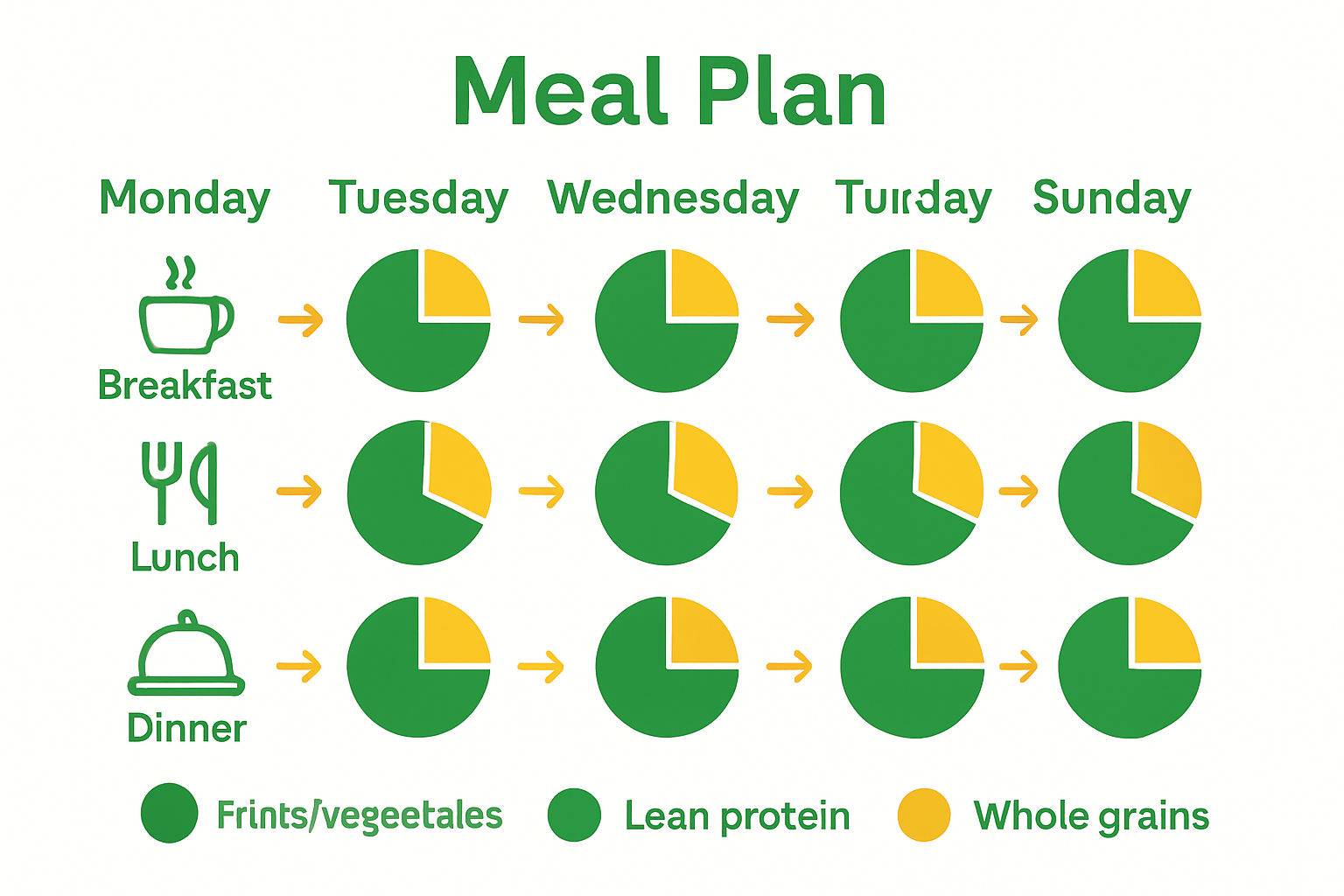
Following recommended nutritional guidelines, structure your weekly schedule around a plate composition model that allocates approximately half your plate to fruits and vegetables, a quarter to lean proteins, and a quarter to whole grain carbohydrates. This approach ensures balanced nutrition while preventing mealtime monotony. Consider rotating protein sources like legumes, fish, poultry, and plant-based alternatives to maintain interest and nutritional diversity.
Pro tip: Designate specific preparation times for batch cooking and meal prepping. Weekend meal preparation can streamline your weekday nutrition, reducing stress and helping you maintain consistent, healthy eating patterns. By creating a flexible yet structured meal schedule, you transform nutrition from a daily challenge into a sustainable lifestyle approach.
Step 3: Source Organic and Natural Ingredients
Sourcing high-quality organic and natural ingredients is fundamental to creating nutritious and sustainable family meals. Your mission is to develop a strategic approach that prioritises clean ingredients and environmentally conscious food selections while supporting your family’s health.

Understanding sustainable menu planning involves more than simply purchasing organic produce. Sustainable ingredient sourcing requires careful consideration of origin, production methods, and nutritional value. Focus on local farmers markets, community supported agriculture programmes, and reputable organic suppliers who demonstrate transparent farming practices. Prioritise seasonal produce, which typically offers superior nutritional density and reduces environmental transportation impacts.
Pro tip: Start small by introducing organic ingredients incrementally. Begin with items most susceptible to pesticide residues like leafy greens, berries, and root vegetables. This gradual approach allows you to manage costs while progressively improving your family’s overall nutritional intake without overwhelming your budget or existing shopping routines.
Step 4: Prepare and Store Meals Efficiently
Meal preparation and storage are crucial skills that transform healthy eating from an aspiration into a practical daily reality. Your objective is to develop a systematic approach that minimises time spent in the kitchen while maximising nutritional value and meal quality.
Creative meal planning strategies involve establishing themed preparation templates and developing efficient workflows. Consider dedicating specific days for batch cooking protein bases, chopping vegetables, and preparing versatile components that can be mixed and matched throughout the week. Invest in high-quality airtight storage containers that preserve food freshness and prevent contamination. Prioritise meal preparation techniques that allow for easy reheating and minimal nutrient loss.
Pro tip: Involve family members in meal preparation to distribute workload and transform cooking from a chore into an engaging shared activity. Children can help with simple tasks like washing vegetables or measuring ingredients, while older family members can assist with more complex cooking stages. This collaborative approach not only streamlines meal preparation but also teaches valuable culinary skills and promotes family bonding.
Step 5: Review and Adjust Your Meal Plans
Meal planning is a dynamic process that requires consistent evaluation and adaptation to maintain its effectiveness. Your goal is to create a flexible system that evolves with your family’s changing nutritional needs, schedules, and preferences.
Comprehensive meal planning strategies recommend conducting regular reviews to assess the performance of your current approach. Schedule a monthly assessment where you analyse factors such as meal satisfaction, nutritional balance, time efficiency, and budget considerations. Track which meals were most enjoyed, identify recipes that require modification, and note any emerging dietary requirements or preferences within your family.
Pro tip: Maintain a flexible mindset when reviewing meal plans. Adaptability is key to successful long term meal planning, so be prepared to experiment with new recipes, swap ingredients, and modify your approach based on real world feedback. Create a simple tracking system where family members can provide input on meals they enjoy or would like to see changed, transforming meal planning into a collaborative and responsive process.
Transform Your Family’s Health with Pure Organic Goodness
Planning balanced family meals that respect individual nutritional needs and preferences can feel overwhelming. You want clean, natural ingredients that nourish everyone and fit into your busy lifestyle. At Nature’s Soul Shop, we understand the challenge of sourcing high-quality organic fruits, vegetables, proteins and pantry essentials that support your journey towards healthier living.
Start creating meals your family truly enjoys by choosing from our wide range of products made with clean ingredients. Whether you are embracing plant-based options or need gluten-free and dairy choices, our carefully curated selection ensures sustainability and nutritional value for every recipe.

Take the first step today to ease meal prep stress and enhance your family’s well-being. Discover how our organic and natural products can seamlessly fit into your weekly meal plans by visiting Nature’s Soul Shop now. Empower your kitchen with healthful, delicious ingredients and transform mealtimes into moments of joy and vitality.
Frequently Asked Questions
How can I assess my family’s dietary needs and preferences?
Effectively assess your family’s dietary needs by gathering detailed information on each member’s nutritional requirements, existing health conditions, and food preferences. Create a food frequency questionnaire to track their eating patterns and preferences, and review this information regularly to ensure it remains relevant as needs evolve.
What should be included in a balanced weekly meal schedule?
A balanced weekly meal schedule should aim to fill half the plate with fruits and vegetables, a quarter with lean proteins, and a quarter with whole grain carbohydrates. Structure your meals around this plate composition model to ensure nutritional diversity and variety, and rotate protein sources throughout the week to keep meals interesting.
How can I source organic and natural ingredients for meals?
Begin by prioritising seasonal produce from local farmers markets or community-supported agriculture programmes to ensure freshness and high nutritional value. Focus on gradually introducing organic ingredients, starting with items known for higher pesticide residues, to manage costs while improving nutrition quality in your family’s meals.
What are some efficient meal preparation and storage techniques?
Develop a systematic approach for meal preparation by dedicating specific days for batch cooking and prepping versatile meal components. Invest in high-quality airtight storage containers to keep food fresh, and consider involving family members in the cooking process to make it a collaborative and enjoyable activity.
How often should I review and adjust my family meal plans?
Regularly review your meal plans at least once a month to assess meal satisfaction, nutritional balance, and time efficiency. Solicit feedback from family members about meals they enjoy and new dietary needs, and be open to modifying your plans based on this input to keep them relevant and enjoyable for everyone.
Recommended
- Plant Based Meal Planning: A Step-by-Step Success Guide – naturessoulshop
- Understanding Healthy Eating on the Go: Key Concepts – naturessoulshop
- How to Start Eating Healthy: A Simple Step-by-Step Guide – naturessoulshop
- 7 Easy Vegan Dinner Recipes for Healthy Living – naturessoulshop
- 7 Essential Daily Wellness Tips for a Healthier Lifestyle – Nutribliss Inc.


