


For many health-conscious parents in Delhi NCR, picking organic products goes hand in hand with the wish to protect the environment for their children. The growing interest in sustainable packaging means families are searching for honest, eco-friendly choices—but common misconceptions can make these decisions harder. This guide unpacks what truly makes packaging environmentally responsible, highlights pitfalls to avoid, and reveals how smart material choices can reduce your household’s impact on the planet.
Table of Contents
- Eco-friendly Packaging Explained And Misconceptions
- Biodegradable, Compostable And Recycled Material Types
- How Eco-friendly Packaging Reduces Environmental Harm
- Regulatory Standards For Safe Organic Food Packaging
- Risks To Health, Greenwashing And Practical Costs
- Comparing Eco-friendly Versus Conventional Packaging
Key Takeaways
| Point | Details |
|---|---|
| Understand Material Types | Distinguish between biodegradable, compostable, and recycled materials for truly sustainable choices. |
| Scrutinise Claims | Evaluate packaging claims critically to avoid misconceptions and greenwashing tactics. |
| Lifecycle Assessment is Crucial | Consider the entire lifecycle of packaging to gauge its environmental impact effectively. |
| Support Genuine Innovations | Opt for innovative materials that offer significant ecological benefits over traditional options. |
Eco-friendly packaging explained and misconceptions
Eco-friendly packaging represents a critical approach to reducing environmental impact through thoughtful material selection and design strategies. Sustainable packaging aims to minimise waste, reduce carbon footprint, and create circular economic solutions that protect our planet’s resources.
Consumers often hold significant misconceptions about packaging sustainability, particularly regarding what truly constitutes an environmentally responsible choice. Key misunderstandings include:
- Believing paper automatically means eco-friendly
- Assuming biodegradability equals sustainability
- Overestimating the environmental benefits of certain packaging materials
- Misunderstanding the difference between recyclable and actually recycled packaging
Research indicates that perceived environmental friendliness frequently diverges from actual ecological impact. Many consumers mistakenly equate paper packaging with superior sustainability, even when the total environmental cost might be comparable or potentially higher than alternative materials.
Material complexity plays a significant role in genuine eco-friendly packaging. Truly sustainable solutions require comprehensive lifecycle assessments that consider:
- Raw material extraction
- Manufacturing processes
- Transportation emissions
- Potential for reuse or recycling
- End-of-life disposal mechanisms
Effective eco-friendly packaging demands a holistic approach that goes beyond superficial environmental appearances. Manufacturers must prioritise design strategies that genuinely minimise environmental impact while maintaining product protection and safety standards.
Pro tip: Always examine packaging materials critically, looking beyond surface-level environmental claims to understand their true ecological footprint.
Biodegradable, compostable and recycled material types
Modern sustainable packaging relies on a diverse range of eco-friendly materials designed to minimise environmental impact. Innovative biodegradable polymers are transforming packaging solutions across multiple industries, offering alternatives to traditional petroleum-based materials.
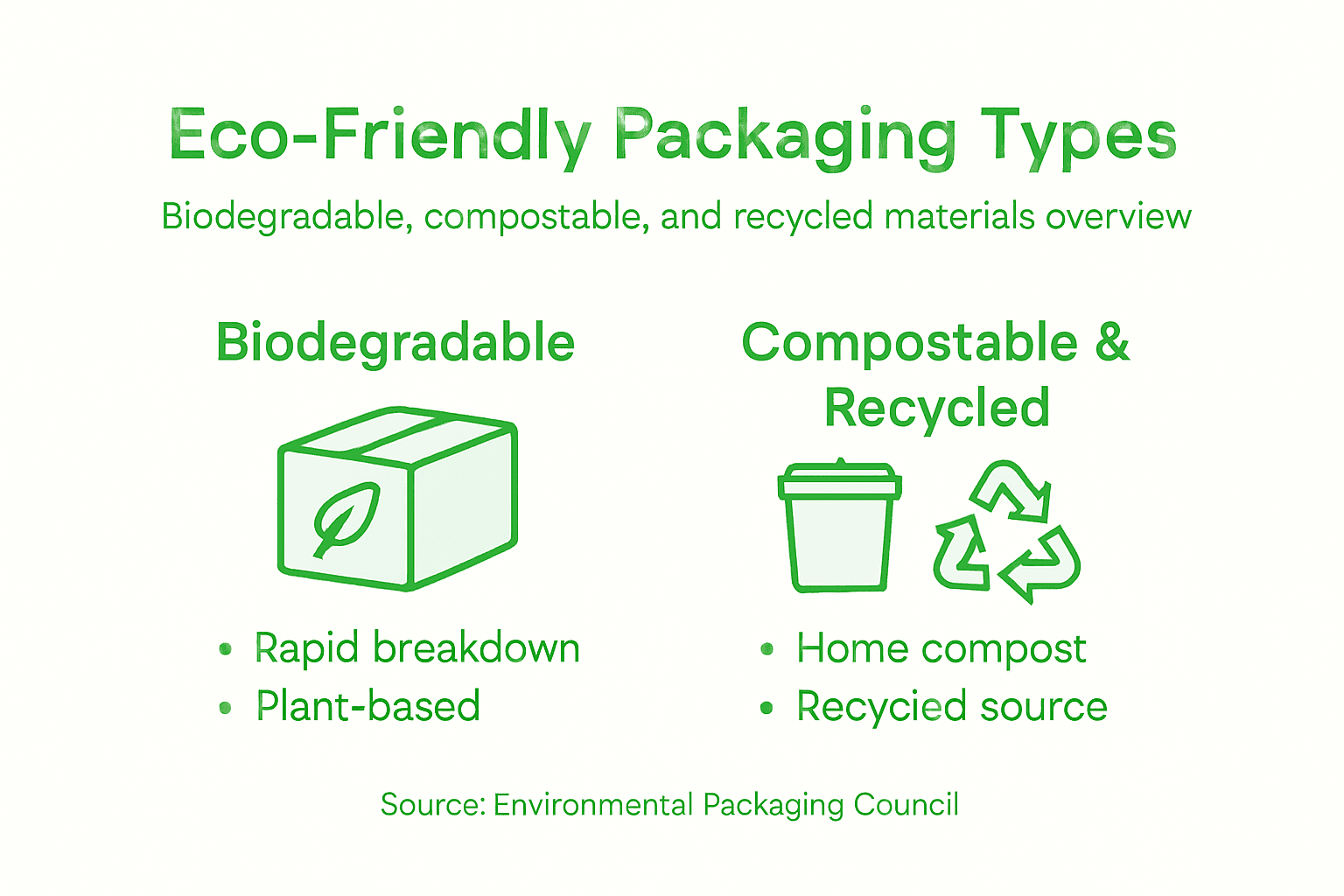
Three primary categories of environmentally responsible packaging materials emerge:
- Biodegradable Polymers: Derived from renewable sources like corn starch, sugarcane, and hemp
- Compostable Materials: Capable of breaking down completely in industrial composting facilities
- Recycled Materials: Repurposed packaging that reduces waste and conserves raw resources
Bioplastics represent a particularly promising innovation, with materials such as polylactic acid (PLA) and polyhydroxyalkanoates (PHA) offering substantial environmental benefits. These advanced materials can decompose under specific conditions, providing a more sustainable alternative to conventional plastics.
Material performance varies significantly across different packaging types. Key considerations include:
- Mechanical strength
- Decomposition rate
- Manufacturing energy requirements
- Potential for industrial processing
- Overall carbon footprint
Consumers and manufacturers must understand the nuanced differences between biodegradable, compostable, and recyclable materials. Not all eco-friendly packaging solutions are created equal, and careful assessment is crucial for making truly sustainable choices.
To compare the practical properties and environmental outcomes of key packaging material types, see the table below:
| Material Type | Typical Source | Decomposition Rate | Main Environmental Benefit |
|---|---|---|---|
| Biodegradable Polymer | Plant-based crops | Months to several years | Reduces persistent plastic pollution |
| Compostable Material | Organic waste, fibres | Few months in industrial compost | Enhances soil health, closes waste loop |
| Recycled Material | Reclaimed plastics, paper | Comparable to original material | Conserves raw resources, lowers landfill burden |
Pro tip: Examine packaging labels carefully, looking beyond marketing claims to understand the actual environmental credentials of different material types.
How eco-friendly packaging reduces environmental harm
Sustainable packaging plays a critical role in mitigating environmental degradation by addressing multiple ecological challenges throughout its lifecycle. Reducing environmental pollution involves strategic approaches that minimise resource consumption and waste generation.
Key mechanisms through which eco-friendly packaging reduces environmental harm include:
- Minimising plastic waste accumulation
- Lowering greenhouse gas emissions
- Conserving natural resources
- Reducing manufacturing carbon footprint
- Preventing microplastic contamination
Biodegradable alternatives offer significant environmental advantages by replacing traditional petroleum-based plastics. These innovative materials break down more rapidly, substantially reducing long-term ecological impact and preventing persistent pollution in natural ecosystems.
Lifecycle assessment reveals multiple environmental benefits of sustainable packaging strategies:
- Reduced raw material extraction
- Lower energy consumption during production
- Decreased waste management requirements
- Minimised landfill contributions
- Enhanced circular economic principles
By prioritising materials that can be recycled, composted, or naturally decomposed, manufacturers and consumers can collectively contribute to significant environmental protection efforts.
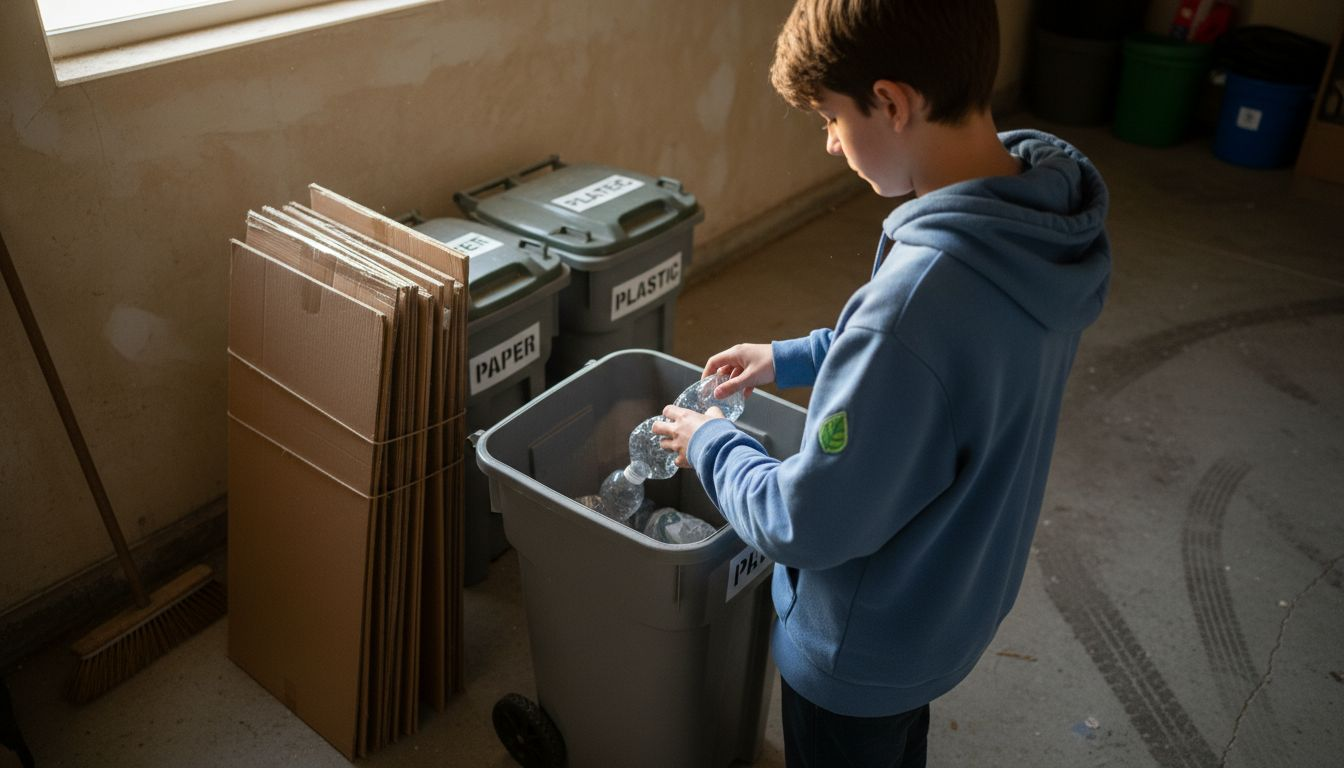
Pro tip: Choose packaging with clear recycling instructions and minimal material complexity to maximise your environmental contribution.
Regulatory standards for safe organic food packaging
The landscape of food packaging regulations represents a critical safeguard for consumer health and environmental protection. Global regulatory frameworks have evolved to address complex challenges surrounding material safety, chemical migration, and sustainable packaging innovations.
Key regulatory considerations for safe organic food packaging include:
- Preventing chemical substance migration
- Ensuring material food-contact safety
- Protecting consumer health standards
- Maintaining food quality and integrity
- Implementing stringent testing protocols
International food safety organisations continuously develop comprehensive guidelines that address emerging packaging technologies. These standards aim to balance innovation with rigorous safety assessments, ensuring that new sustainable packaging materials meet strict health and environmental criteria.
Compliance mechanisms for organic food packaging involve multiple layers of regulatory oversight:
- Material composition analysis
- Migration testing for potential contaminants
- Environmental impact assessments
- Long-term stability evaluations
- Comprehensive chemical safety screenings
Manufacturers must navigate complex international regulations that vary across different regions, requiring detailed documentation and continuous scientific validation of packaging materials’ safety and performance.
Pro tip: Always verify packaging certifications and look for internationally recognised safety standards when selecting organic food packaging.
Risks to health, greenwashing and practical costs
The contemporary marketplace is rife with environmental marketing claims that often misrepresent product sustainability. Greenwashing impacts consumer perceptions significantly, creating complex challenges for conscientious families seeking genuine eco-friendly solutions.
Key risks associated with greenwashing include:
- Misleading health benefit claims
- Potential consumer deception
- Erosion of trust in sustainable brands
- Financial costs of misinformation
- Undermining genuine environmental efforts
Companies frequently employ strategic marketing techniques that create an illusion of environmental responsibility without substantive changes to their practices. These tactics can lead to serious consequences, including:
- Increased consumer skepticism
- Potential legal challenges
- Reputation damage
- Financial penalties
- Market share reduction
Understanding the nuanced landscape of sustainable packaging requires critical evaluation of marketing claims, scientific evidence, and actual environmental impact. Consumers must develop sophisticated strategies to differentiate between genuine sustainability efforts and superficial marketing narratives.
Pro tip: Always request independent certification and detailed environmental impact documentation before accepting packaging sustainability claims.
Comparing eco-friendly versus conventional packaging
Packaging technologies represent a critical environmental battleground where material choices significantly impact ecological sustainability. Environmental impact comparisons reveal stark differences between conventional and eco-friendly packaging solutions.
Key distinctions between conventional and eco-friendly packaging include:
- Material origin (petroleum-based vs renewable sources)
- Degradation timeframes
- Carbon footprint
- Manufacturing energy requirements
- Long-term environmental consequences
Conventional packaging, predominantly derived from petroleum-based plastics, presents substantial environmental challenges. These materials typically require hundreds of years to decompose, contributing to persistent pollution and ecosystem damage. In contrast, eco-friendly packaging focuses on biodegradable, recyclable alternatives that minimise long-term environmental impact.
Performance metrics for comparing packaging technologies involve multiple critical considerations:
- Material durability
- Protective capabilities
- Decomposition rate
- Production energy consumption
- Waste management potential
While eco-friendly packaging demonstrates promising environmental advantages, manufacturers must continue addressing challenges related to mechanical strength, production costs, and scalability to achieve widespread adoption.
For a quick comparison of eco-friendly versus conventional packaging, consider this concise overview:
| Characteristic | Eco-friendly Packaging | Conventional Packaging |
|---|---|---|
| Material Source | Renewable, recycled input | Petroleum-derived, virgin input |
| Carbon Footprint | Lower, often offsettable | Higher, non-compensated |
| Decomposition Time | Months to years | Centuries |
| Waste Management | Recyclable, compostable | Difficult recycling, landfill reliance |
Pro tip: Prioritise packaging solutions that balance environmental sustainability with practical functionality and protection.
Embrace Truly Eco-Friendly Choices to Protect Your Family and Planet
The challenge of navigating the many misconceptions around eco-friendly packaging can feel overwhelming. Many families want to reduce their environmental impact but struggle to find genuine sustainable solutions that go beyond marketing hype and greenwashing. Understanding terms like biodegradable, compostable and recycled materials is crucial for making choices that protect your loved ones and the environment.
At Natures Soul Shop, we share your commitment to wellness and sustainability by offering a thoughtful selection of organic and natural products packaged with care. Our commitment to clean ingredients and eco-conscious packaging means you can trust us to deliver quality without compromise. Explore how our products across categories like home care, skin care and dry grocery align with true environmental responsibility by visiting our main website.
Take action today to reduce your family’s environmental footprint with packaging and products designed for health, safety and sustainability.
Discover more about sustainable living and make confident choices by visiting Natures Soul Shop. Your trusted source for clean, eco-friendly products awaits.
Start your journey to authentic eco-friendly living now with Natures Soul Shop and protect your family as you protect the planet.
Frequently Asked Questions
What is eco-friendly packaging?
Eco-friendly packaging refers to materials and design strategies that minimise environmental impact, reduce waste, and use sustainable resources to protect the planet’s resources.
How can I identify truly sustainable packaging?
To identify sustainable packaging, critically examine claims, look for certification marks, and assess the packaging’s material source, decomposition potential, and recycling instructions.
What are the differences between biodegradable, compostable, and recycled materials?
Biodegradable materials break down more rapidly but may not always decompose completely, while compostable materials fully decompose in industrial composting. Recycled materials are repurposed from waste, conserving raw resources.
Why is it important to understand packaging sustainability?
Understanding packaging sustainability helps consumers make informed choices that genuinely reduce environmental harm, avoid greenwashing, and support products with a lower ecological footprint.


