


Every health-conscious parent knows the kitchen is where family wellness truly begins, yet plastic containers linger on most Delhi NCR shelves despite growing risks. Studies show that over 80 percent of homes still rely on plastic for storage, exposing families to toxins and microplastics. With rising interest in organic lifestyles fueled by british and European trends, switching to safe, plastic free options is more than a trend—it is a positive shift for family health, household sustainability, and the environment.
Table of Contents
- Plastic Free Food Storage Explained For Families
- Key Materials And Sustainable Storage Options
- Health And Environmental Benefits Of Going Plastic Free
- Common Pitfalls And How To Avoid Them
- Practical Tips For Safe Plastic Free Storage
Key Takeaways
| Point | Details |
|---|---|
| Transition to Plastic-Free Storage | Families should gradually replace plastic containers with glass, stainless steel, or silicone alternatives to minimise health risks and environmental impact. |
| Material Selection | Key materials like glass, stainless steel, and bamboo should be chosen for their durability and eco-friendliness to ensure safe food storage. |
| Health Benefits | Reducing plastic usage decreases exposure to harmful chemicals, improving overall family health and safety. |
| Sustainable Practices | Establish a systematic approach for transitioning to plastic-free storage to foster long-term sustainable habits without overwhelming the family. |
Plastic free food storage explained for families
Plastic free food storage represents a crucial health strategy for modern families seeking to minimise toxic chemical exposure and environmental impact. By transitioning away from traditional plastic containers, households can significantly reduce potential risks associated with harmful chemical leaching and microplastic contamination.
The core principle involves selecting alternative materials that maintain food safety while protecting both family health and ecological systems. Glass, stainless steel, silicone, and ceramic containers emerge as superior alternatives to conventional plastic storage options. These materials offer multiple advantages: they do not release toxic substances when heated, remain durable for extended periods, and can be repeatedly used without degrading food quality.
Families can implement plastic free storage strategies through progressive, practical steps. This might include replacing plastic lunch containers with glass or stainless steel alternatives, using reusable silicone bags instead of disposable plastic bags, and selecting cloth snack bags for children’s lunches. By preventing food waste strategically, these approaches not only protect health but also contribute to sustainable household practices.
Pro Tip: Start transitioning to plastic free storage gradually by replacing one type of container each month to make the process manageable and cost-effective.
Key materials and sustainable storage options
Sustainable food storage demands thoughtful selection of materials that prioritise both environmental responsibility and food safety. Sustainable packaging alternatives have emerged as critical solutions for families seeking to reduce plastic dependency, offering diverse options that protect both health and ecological systems.
The primary sustainable materials recommended for food storage include glass, stainless steel, food-grade silicone, bamboo, and beeswax wraps. Each material brings unique advantages: glass remains non-reactive and easily recyclable, stainless steel provides exceptional durability, silicone offers flexibility and reusability, bamboo presents a lightweight biodegradable option, and beeswax wraps provide natural, compostable food covering. These alternatives not only minimise environmental impact but also prevent potential chemical leaching associated with traditional plastic containers.
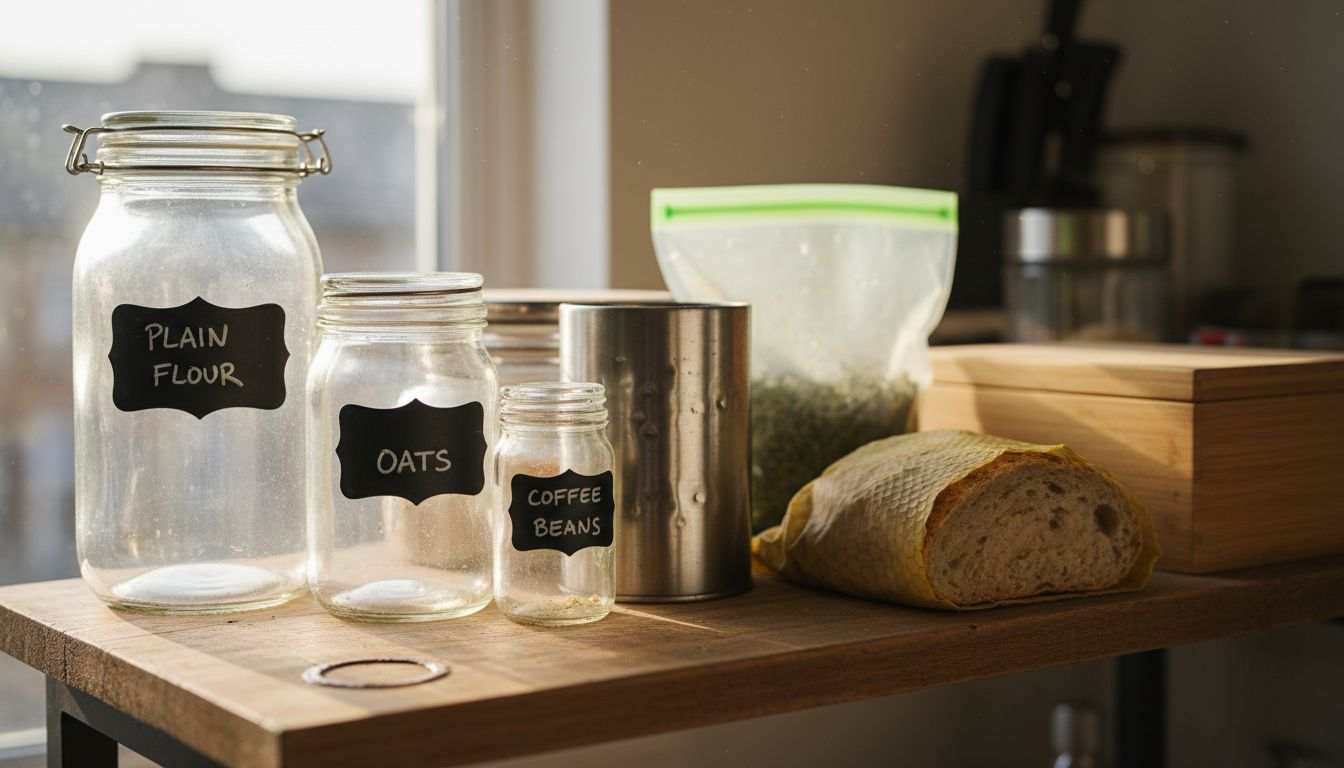
Here is a quick comparison of sustainable food storage materials and their unique strengths:
| Material | Durability | Eco-Friendliness | Practical Use Example |
|---|---|---|---|
| Glass | Highly resistant | Easily recyclable | Meal preps and leftovers |
| Stainless Steel | Extremely robust | Long lifespan, recyclable | Lunchboxes and thermos |
| Silicone | Flexible, non-breakable | Reusable, low waste | Snack bags and freezer storage |
| Bamboo | Lightweight, sturdy | Biodegradable, compostable | Dry snacks and bread |
| Beeswax Wraps | Single-use lifespan | Compost-friendly | Wrapping fruit or cheese |
When selecting sustainable storage options, families should consider factors beyond material composition. Safe food storage guidelines recommend examining container certifications, heat resistance, and long-term durability. Stainless steel containers with secure locking mechanisms, glass containers with bamboo or silicone lids, and reusable silicone bags certified as food-safe represent excellent choices for modern households committed to reducing plastic waste.
Pro Tip: Invest in a diverse collection of sustainable storage containers, gradually replacing plastic items to make the transition both economical and manageable.
Health and environmental benefits of going plastic free
Reducing plastic usage represents a critical strategy for protecting both human health and environmental ecosystems. Addressing plastic pollution offers profound benefits that extend far beyond simple waste reduction, encompassing comprehensive improvements in personal and planetary well-being.
From a health perspective, eliminating plastic food storage materials significantly reduces exposure to harmful chemical additives. Toxic compounds like Bisphenol A (BPA) and phthalates are known endocrine disruptors linked to serious health risks including hormonal imbalances, reproductive challenges, and increased cancer susceptibility. By transitioning to glass, stainless steel, and food-grade silicone containers, families can dramatically minimise their contact with these potentially dangerous substances.
Environmentally, going plastic free delivers substantial ecological advantages. Reducing single-use plastics helps mitigate greenhouse gas emissions, decrease oceanic and terrestrial pollution, and protect biodiversity. Every plastic-free choice contributes to lower carbon footprints, reduced microplastic contamination in water systems, and more sustainable waste management practices. These collective actions support broader environmental conservation efforts and promote more responsible consumption patterns.
Below is a summary showing how reducing plastic in food storage positively impacts health and the environment:
| Benefit Type | Key Outcome | Example Effect |
|---|---|---|
| Health | Lower toxic exposure | Fewer hormone disruptors in food |
| Health | Reduced allergy risks | Less chemical sensitivity |
| Environment | Decreased microplastic waste | Cleaner rivers and oceans |
| Environment | Less carbon footprint | Lower greenhouse gas emissions |
Pro Tip: Start your plastic-free journey by replacing one single-use plastic item each week, creating sustainable habits without overwhelming yourself.
Common pitfalls and how to avoid them
Navigating the transition to plastic-free food storage requires careful awareness of potential missteps that can compromise health and sustainability goals. Sustainable food storage solutions demand more than simply replacing plastic containers with alternative materials.
One critical pitfall involves misunderstanding container safety and chemical risks. Misleading labels like ‘BPA-free’ can create false security, as many replacement plastics contain equally harmful chemical additives. Families must scrutinise material composition, avoiding plastics with problematic resin codes such as PVC and polystyrene. Plastic container safety requires understanding potential chemical leaching, particularly when containers are exposed to heat, acidic foods, or repeated use.
Additional common mistakes include improper maintenance of alternative storage materials and incomplete transition strategies. Reusable containers made from glass, stainless steel, or silicone require careful cleaning, proper drying, and periodic inspection for damage. Families should establish a systematic approach to replacing plastic items, focusing on gradual, intentional substitution rather than attempting a complete overhaul simultaneously. This measured approach prevents overwhelm and ensures more sustainable, long-term lifestyle changes.
Pro Tip: Create a replacement inventory tracking your plastic-free transitions, noting which containers work best for different food types and storage needs.
Practical tips for safe plastic free storage
Transitioning to plastic-free food storage requires strategic planning and thoughtful implementation. Safe food storage practices demand careful consideration of container materials, handling techniques, and preservation methods that protect both food quality and family health.
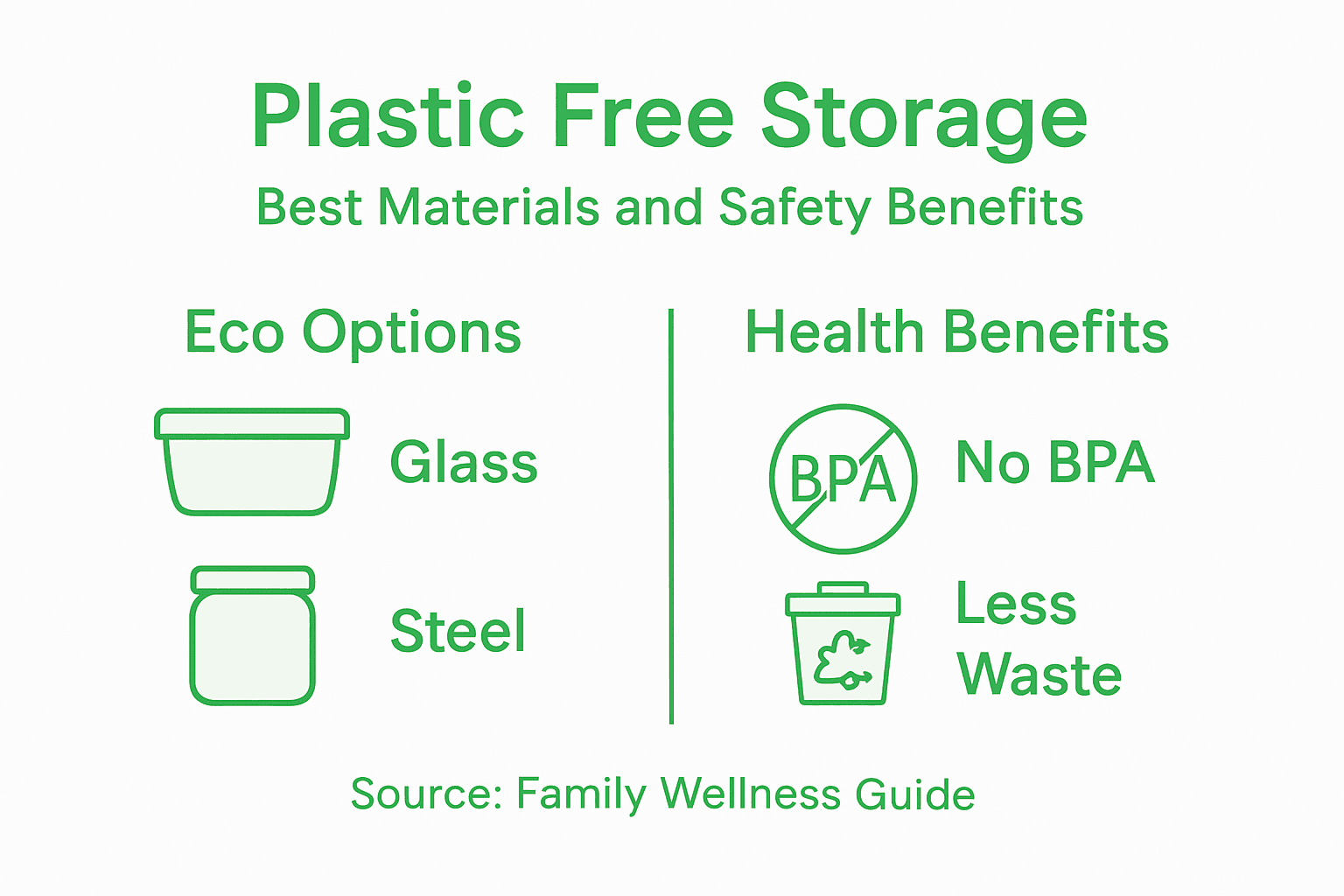
Choosing the right storage containers is fundamental to successful plastic-free food preservation. Recommended materials include high-quality glass with secure locking lids, stainless steel containers with airtight seals, and food-grade silicone bags designed for repeated use. Families should prioritise containers specifically engineered for food storage, avoiding repurposed industrial materials or containers with questionable manufacturing standards. When selecting alternatives, examine material certifications, heat resistance capabilities, and durability to ensure long-term functionality.
Food safety guidelines emphasise critical handling practices beyond container selection. This includes maintaining appropriate temperature controls, preventing cross-contamination by separating raw and prepared foods, and establishing consistent cleaning protocols for reusable containers. Regular inspection of storage containers for scratches, wear, or potential damage becomes essential, as compromised surfaces can harbour bacteria and compromise food safety.
Pro Tip: Create a dedicated cleaning and maintenance station for your plastic-free containers, ensuring thorough washing, complete drying, and organised storage between uses.
Embrace Plastic Free Food Storage with Natural Wellness Solutions
Plastic free food storage is about safeguarding your family from harmful chemicals while protecting the environment for future generations. At the heart of this challenge lies the need for safe, durable, and sustainable alternatives to traditional plastics. If you are seeking to reduce exposure to toxic compounds like BPA and phthalates or want to take gradual, manageable steps toward healthier storage options the insights from the article resonate deeply.
Make your plastic free transition effortless with Nature s Soul Shop. Explore a curated range of organic and natural products crafted with clean ingredients across fruits, vegetables, meats, dairy, vegan and gluten free options to complement your health-focused lifestyle. Experience wellness solutions that align with the sustainable values of plastic free food storage guidelines and safe food handling practices. Start today by visiting Nature s Soul Shop and take the first step toward a healthier home and planet.
Frequently Asked Questions
What are the benefits of using plastic-free food storage options?
Using plastic-free food storage options helps reduce exposure to harmful chemicals like BPA and phthalates, supports environmental sustainability, and minimises plastic waste in ecosystems. These alternatives, such as glass and stainless steel, do not leach toxic substances and are often more durable.
What materials are safe for plastic-free food storage?
Safe materials for plastic-free food storage include glass, stainless steel, food-grade silicone, bamboo, and beeswax wraps. These materials are non-reactive, reusable, and minimise environmental impact while ensuring food safety.
How can families gradually transition to plastic-free food storage?
Families can start transitioning by replacing one type of plastic container each month. This gradual approach allows for manageable changes without overwhelming costs, ensuring a systematic replacement of plastic items with sustainable alternatives.
What are common pitfalls when switching to plastic-free food storage?
Common pitfalls include misunderstanding container safety, relying on misleading labels like ‘BPA-free’, and not properly maintaining alternative materials. It’s vital to check material compositions and ensure proper cleaning and inspection of reusable containers to avoid food safety issues.


