


Over eight million tonnes of plastic waste are generated every year in the UK alone, yet many british households still rely on single-use packaging for food storage. As concerns around pollution and excessive waste grow, the search for eco-friendly solutions has never felt more urgent. Discover practical ways to store food using sustainable materials that protect both your pantry and the planet, making it easier to reduce your environmental footprint every day.
Table of Contents
- Defining Eco Friendly Food Storage Solutions
- Popular Materials and Product Types
- How Sustainable Storage Methods Work
- Benefits for Health and the Environment
- Challenges, Limitations, and Common Mistakes
Key Takeaways
| Point | Details |
|---|---|
| Emphasis on sustainability | Eco-friendly food storage prioritises sustainable materials and waste reduction, enhancing food quality while protecting the environment. |
| Lifecycle consideration | Effective storage solutions require evaluation of the entire lifecycle of materials, from production to disposal, to minimise ecological impact. |
| Innovative materials | Utilising advanced materials like bioplastics and natural fibres can significantly reduce environmental degradation and enhance functionality. |
| Addressing challenges | Understanding the limits of biodegradable packaging and ensuring proper usage can improve the effectiveness of eco-friendly storage solutions. |
Defining Eco Friendly Food Storage Solutions
Eco-friendly food storage solutions represent a transformative approach to preserving our food while minimising environmental impact. These innovative solutions go beyond traditional packaging methods, focusing on sustainable materials, reduced waste, and preservation techniques that protect both food quality and ecological health. Sustainable food storage isn’t just a trend—it’s a critical strategy for reducing our carbon footprint and promoting responsible consumption.
According to research from mdpi, eco-friendly packaging for functional foods must prioritise several key principles. The primary objectives include:
- Reducing environmental degradation
- Maintaining food product integrity
- Utilising biodegradable and non-toxic materials
- Minimising waste generation
- Supporting circular economy principles
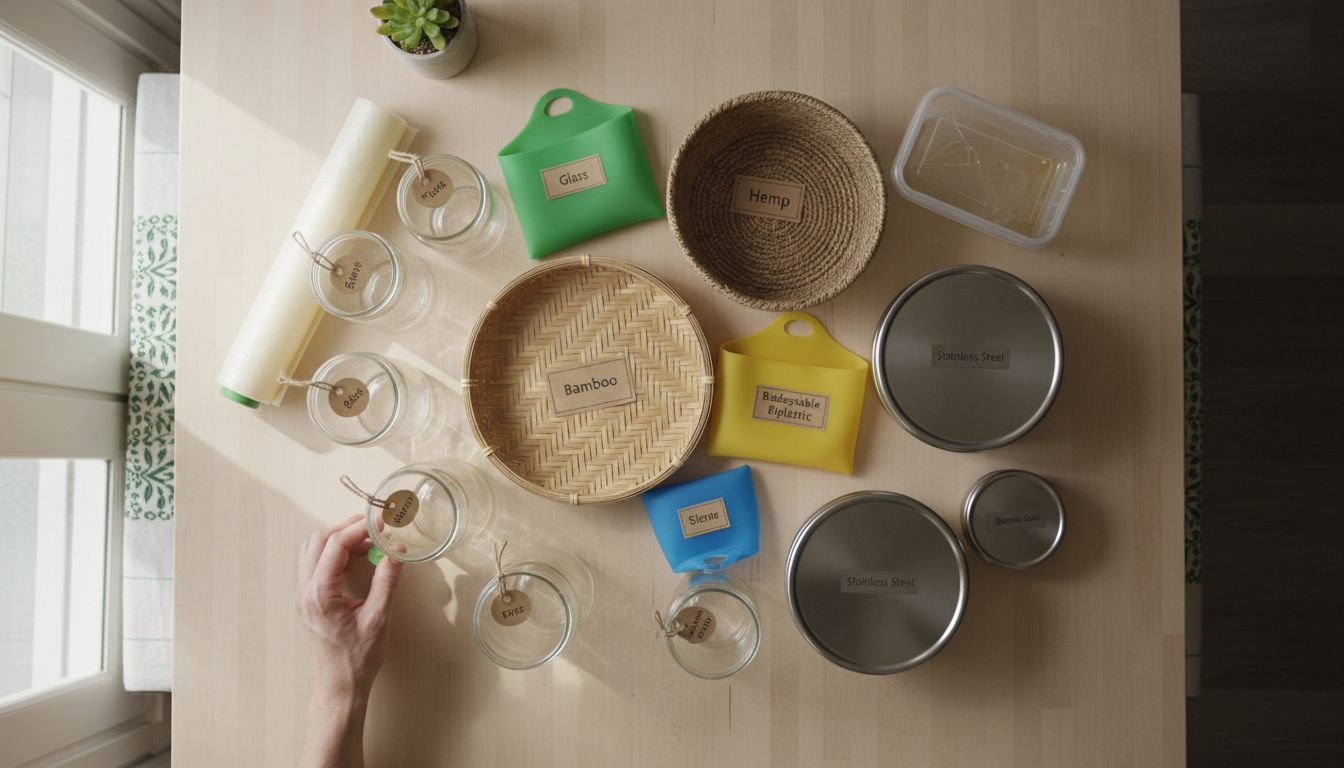
These solutions encompass a wide range of approaches, from reusable containers made of sustainable materials like bamboo and glass to innovative packaging designed for complete biodegradation. The goal is creating storage systems that protect food while simultaneously protecting our planet. How to Store Fresh Food Naturally provides additional insights into natural preservation techniques that complement these eco-friendly storage strategies.
Moreover, effective eco-friendly food storage requires a holistic approach. This means considering the entire lifecycle of storage materials—from production and usage to disposal or recycling. Consumers and manufacturers alike must prioritise solutions that minimise environmental impact, reduce single-use plastics, and support regenerative practices. By embracing these principles, we can transform food storage from a routine necessity into a meaningful contribution towards global sustainability efforts.
Popular Materials and Product Types
The landscape of eco-friendly food storage is rich with innovative materials that prioritise sustainability and functionality. Biomass-based packaging has emerged as a groundbreaking approach to reducing environmental impact, offering solutions that transform agricultural waste into practical storage solutions. According to research from ScienceDirect, recent advancements have significantly expanded the potential of biomass-derived materials, including bioplastics, advanced fibers, and high-performance films.
Key materials in eco-friendly food storage include:
- Natural Fibers: Bamboo, hemp, and agricultural waste derivatives
- Biodegradable Polymers: Plant-based plastics that decompose naturally
- Glass: Infinitely recyclable and non-toxic
- Stainless Steel: Durable and long-lasting storage solutions
- Silicone: Reusable and heat-resistant alternative to traditional plastics
Research from Pubs highlights the remarkable potential of biodegradable coatings, which incorporate diverse materials such as lipids, proteins, polysaccharides, and agricultural waste byproducts. These innovative coatings not only provide excellent food preservation but also address critical environmental challenges by utilising renewable resources. Sustainable Food Choices Guide offers additional context on selecting environmentally responsible storage options.
Beyond material selection, consumers must consider the entire lifecycle of food storage products. This means evaluating not just immediate functionality, but also long-term environmental impact, recyclability, and potential for reuse. The most effective eco-friendly food storage solutions balance practical performance with genuine sustainability, transforming everyday food preservation into an act of environmental stewardship.
How Sustainable Storage Methods Work
Sustainable storage methods represent a sophisticated intersection of environmental consciousness and advanced technological innovation. Smart packaging systems are revolutionising how we approach food preservation, moving beyond traditional storage techniques to create intelligent solutions that actively protect and monitor food quality. According to groundbreaking research from ArXiv, emerging technologies now enable battery-free, stretchable packaging systems that can wirelessly monitor food conditions and release protective compounds in real-time.
Key mechanisms of sustainable storage methods include:
- Intelligent monitoring of food quality
- Active compound release to prevent deterioration
- Wireless tracking of environmental conditions
- Adaptive preservation techniques
- Minimal resource consumption
Recent scientific developments are pushing the boundaries of sustainable storage even further. ArXiv highlights an innovative polymer informatics workflow that utilises machine learning to design chemically recyclable polymers specifically for food packaging. These advanced systems go beyond traditional preservation methods by predicting and mitigating potential quality degradation through sophisticated computational models. Zero Waste Grocery Shopping Guide provides complementary insights into reducing packaging waste throughout the food consumption lifecycle.
Ultimately, sustainable storage methods are about creating a holistic approach to food preservation. This means designing systems that not only protect food but also minimise environmental impact, reduce waste, and leverage cutting-edge technologies. By integrating smart monitoring, adaptive materials, and computational design, these innovative storage solutions are transforming how we think about food preservation in an increasingly resource-conscious world.
Benefits for Health and the Environment
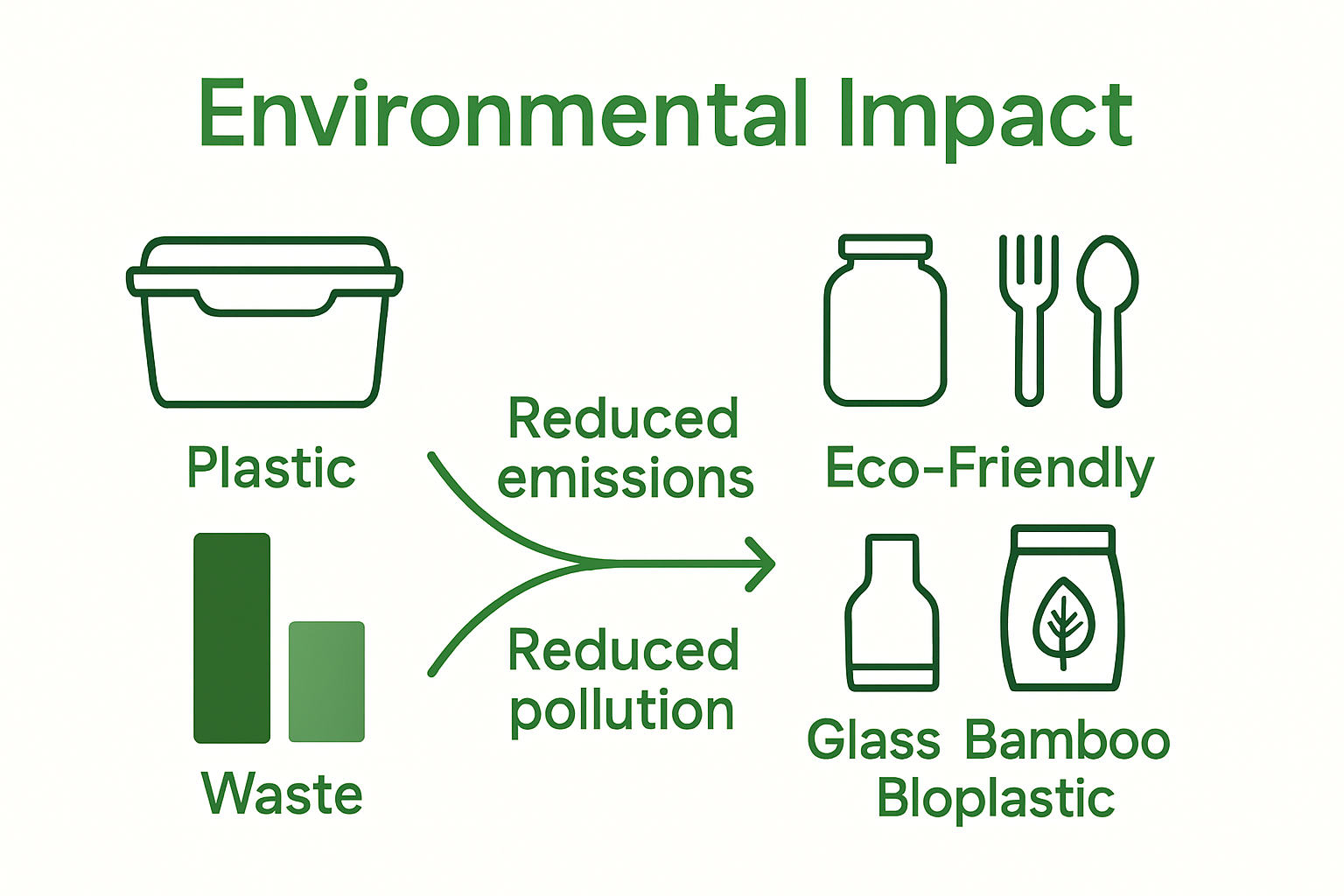
Eco-friendly food storage represents a powerful intersection of personal health and environmental stewardship. Sustainable packaging solutions are not merely a trend but a critical approach to reducing our ecological footprint while simultaneously protecting human health. According to research from Dergipark, innovative packaging strategies play a crucial role in minimising food waste and dramatically reducing greenhouse gas emissions.
Key health and environmental benefits include:
- Reduction of toxic chemical exposure
- Decreased plastic pollution
- Lower carbon emissions
- Enhanced food safety and preservation
- Support for circular economy principles
Research from Food Journal highlights the transformative potential of advanced packaging technologies like bioplastics and edible films. These innovations offer remarkable advantages, providing eco-friendly alternatives that protect both consumer health and environmental ecosystems. Regenerative Agriculture Guide offers complementary insights into holistic approaches that support sustainable food systems.
Ultimately, choosing eco-friendly food storage is a profound act of environmental responsibility and self-care. By selecting packaging that minimises chemical leaching, reduces waste, and supports sustainable production methods, consumers can directly contribute to personal wellness and global environmental healing. Each mindful choice represents a small but significant step towards creating a more sustainable and healthier future for our planet and ourselves.
Challenges, Limitations, and Common Mistakes
Navigating the world of eco-friendly food storage requires a nuanced understanding of the inherent challenges in sustainable packaging technologies. Research from Pubs reveals that biodegradable packaging solutions face significant hurdles in material performance, scalability, and regulatory compliance. These complexities often catch consumers and manufacturers off guard, creating unexpected barriers to widespread adoption.
Common challenges and mistakes in eco-friendly food storage include:
- Inadequate understanding of material compatibility
- Overlooking specific storage temperature requirements
- Misunderstanding decomposition timelines
- Assuming all biodegradable materials perform equally
- Neglecting proper cleaning and maintenance of sustainable containers
According to comprehensive research from ScienceDirect, biomass-based packaging development confronts substantial obstacles including technological limitations, cost considerations, and variable consumer acceptance. These challenges require a sophisticated approach that balances environmental goals with practical functionality. Sustainable Food Choices Guide provides additional context for navigating these complex considerations.
Addressing these challenges demands continuous education and a willingness to adapt. Consumers must move beyond simplistic assumptions about sustainable packaging, recognising that each eco-friendly solution comes with its own set of performance characteristics and potential limitations. Success lies in understanding these nuances, making informed choices, and remaining committed to incremental improvements in food storage technologies.
Transform Your Food Storage with Real Eco-Friendly Solutions
The challenge of finding truly sustainable food storage can feel overwhelming. With concerns about chemical exposure, waste reduction and the need for biodegradable materials it is crucial to choose storage that actually supports your health and the environment. This guide highlights the importance of understanding the lifecycle of packaging and avoiding common mistakes that undermine eco-friendly promises.
Discover how our range of organic and natural products at Nature’s Soul can complement your eco-conscious lifestyle. From clean ingredients to thoughtfully sourced packaging, every choice contributes to sustainability. Start making mindful decisions today by exploring our Sustainable Food Choices Guide and learn how to reduce waste while improving food preservation. Join us now and turn eco-friendly intentions into everyday actions that benefit you and the planet.
Frequently Asked Questions
What are eco-friendly food storage solutions?
Eco-friendly food storage solutions are innovative methods and materials used to preserve food while minimising environmental impact. They focus on sustainable materials, reduced waste, and preservation techniques that protect food quality and ecological health.
What materials are commonly used in eco-friendly food storage?
Common materials include natural fibres like bamboo and hemp, biodegradable polymers made from plant-based plastics, glass, stainless steel, and silicone. These materials prioritise sustainability and can significantly reduce environmental harm compared to traditional plastics.
How do sustainable storage methods work?
Sustainable storage methods often involve smart packaging systems that monitor food quality, release protective compounds, and adapt preservation techniques. They use advanced technologies and materials designed to reduce environmental impact while keeping food fresh and safe.
What are the health benefits of using eco-friendly food storage?
Using eco-friendly food storage reduces exposure to toxic chemicals, decreases plastic pollution, and enhances food safety. By supporting sustainable practices, consumers contribute to lower carbon emissions and a healthier environment, which benefits both personal well-being and the planet.
Recommended
- How to Store Fresh Food Naturally for Maximum Freshness – naturessoulshop
- Master Zero Waste Grocery Shopping: A Practical Guide – naturessoulshop
- Complete Guide to Sustainable Food Choices – naturessoulshop
- Switching to Organic: Step-by-Step Guide for Healthier Living – naturessoulshop
- Healthy Cookware Explained: Essential Guide to Safe Choices – Brass & Steel
- Nonstick Alternatives Explained: Understanding Safe Options – Brass & Steel


