


Every health-conscious british parent in Delhi NCR knows how complicated it feels to choose truly sustainable food packaging for organic baby products. With less than thirty percent of packaging in India meeting modern sustainability standards, eco-friendly solutions are far from the norm. Understanding what makes packaging genuinely sustainable empowers families to make safer, greener choices for their little ones and home essentials by focusing on both well-being and the planet.
Table of Contents
- Defining Sustainable Food Packaging Standards
- Types of Sustainable Packaging Materials
- Features And Functionality For Organic Products
- Legal And Safety Requirements Worldwide
- Risks, Costs, And Common Packaging Pitfalls
- Real-World Applications And Consumer Choices
Key Takeaways
| Point | Details |
|---|---|
| Sustainable Food Packaging Standards | Emphasis on reducing carbon footprint, ensuring recyclability, and minimising material usage is essential for sustainable packaging solutions. |
| Types of Sustainable Materials | Diverse packaging materials such as biopolymers and recycled products offer environmental benefits while maintaining product integrity. |
| Considerations for Organic Packaging | Packaging for organic products must ensure breathability and chemical inertness, supporting both product safety and sustainability. |
| Navigating Legal Requirements | Manufacturers must stay informed on evolving global regulations to ensure compliance and maintain product safety, effectively addressing challenges in sustainable packaging. |
Defining Sustainable Food Packaging Standards
Sustainable food packaging represents a complex, multidimensional approach to protecting food products while minimising environmental impact. Holistic sustainability frameworks require comprehensive evaluation beyond traditional packaging considerations, integrating food safety, functionality, and ecological responsibility across entire supply chains.
At its core, sustainable food packaging encompasses strategies that balance product preservation, environmental protection, and economic feasibility. Research indicates that no single packaging solution universally meets all sustainability criteria. Instead, organisations must develop nuanced approaches considering material sourcing, production processes, transportation efficiency, waste management, and potential recycling or biodegradation pathways.
Key standards for sustainable food packaging typically involve evaluating multiple interconnected factors, including:
- Carbon footprint reduction
- Minimal material usage
- Recyclability or compostability
- Non-toxic material selection
- Energy efficiency during production
- Lifecycle assessment of packaging materials
Implementing these standards requires collaborative efforts between manufacturers, policymakers, and consumers to create packaging solutions that protect food quality while minimising environmental degradation.
Expert Tip: When selecting food packaging, prioritise materials with verified sustainability certifications and transparent supply chain documentation.
Types of Sustainable Packaging Materials
Sustainable packaging materials have evolved significantly, offering diverse alternatives to traditional petroleum-based plastics. Bio-based packaging materials represent a critical innovation in reducing environmental impact, encompassing a wide range of naturally derived substances designed to protect food products while minimising ecological footprint.
The primary categories of sustainable packaging materials include biopolymers, biodegradable plastics, and natural fibre-based solutions. These materials are engineered to address critical challenges in food preservation, offering comparable functionality to conventional packaging while significantly reducing environmental burden. Advanced sustainable materials now incorporate sophisticated technologies like cellulose nanofibers, marine polymers, and agro-waste derivatives, demonstrating remarkable potential for circular economy principles.
Key sustainable packaging materials include:
- Biopolymers: Derived from renewable biological sources
- Cellulose-based materials: Extracted from plant cell walls
- Starch-based packaging: Biodegradable and compostable options
- Seaweed and algae derivatives: Innovative marine-sourced solutions
- Agricultural waste materials: Repurposed fibres from crop residues
- Recycled paper and cardboard: Reduced virgin material consumption
Each material offers unique advantages, balancing performance requirements with environmental considerations. Manufacturers must carefully assess material properties, biodegradability, and lifecycle impact when selecting sustainable packaging solutions.
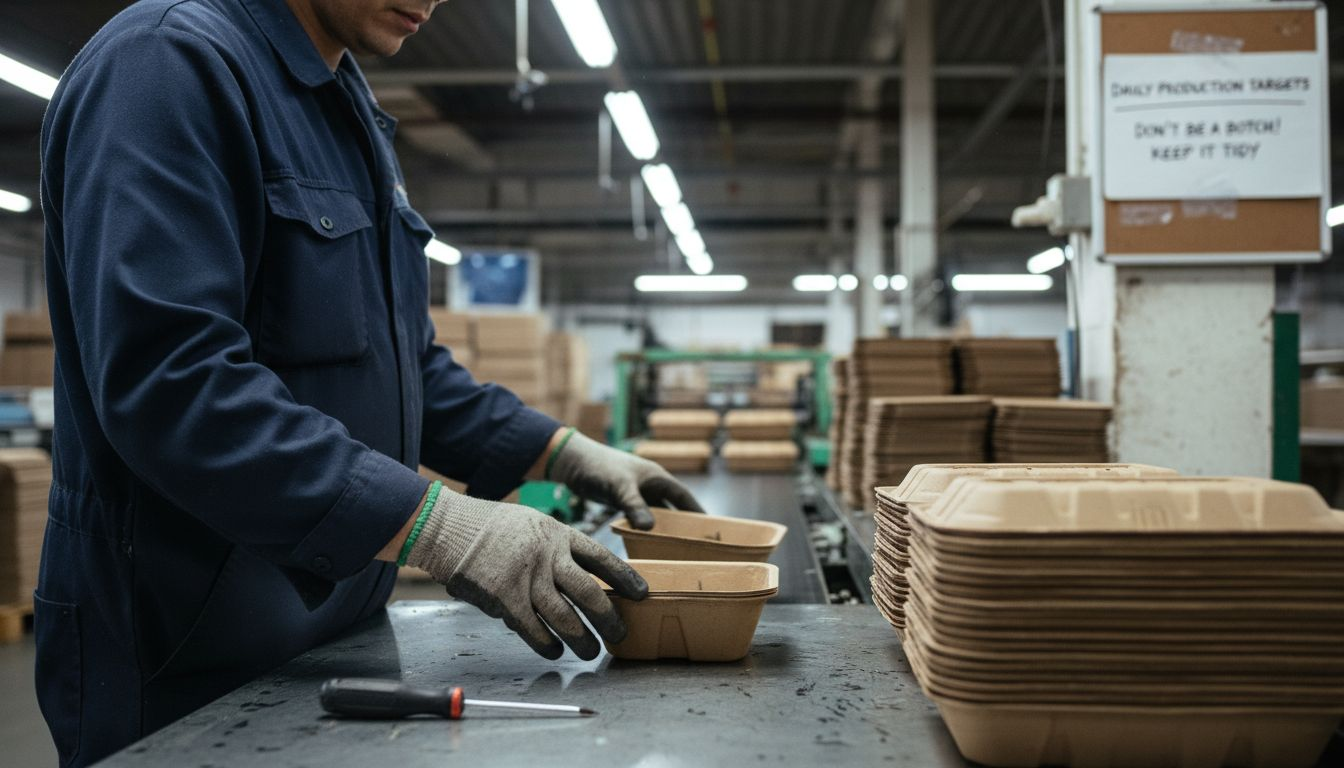
Here is a summary comparing key sustainable packaging materials and their common applications:
| Material Type | Primary Application | Environmental Benefit |
|---|---|---|
| Biopolymers | Flexible food wraps | Renewable, lower carbon output |
| Cellulose-based | Rigid containers, cartons | Biodegradable, plant-sourced |
| Starch-based packaging | Disposable cutlery, trays | Compostable, food-contact safe |
| Seaweed/algae-derived | Edible coatings, pouches | Marine-based, minimal land use |
| Agricultural waste | Label stock, secondary packing | Utilises by-products, reduces waste |
| Recycled paper/cardboard | Outer boxes, sleeves | Cuts virgin material demand |
Expert Tip: Investigate packaging materials that offer multiple sustainability attributes, such as biodegradability, renewable sourcing, and minimal processing requirements.
Features and Functionality for Organic Products
Organic product packaging requires sophisticated design strategies that go beyond traditional preservation methods. Sustainable packaging innovations are increasingly focused on creating intelligent systems that maintain product integrity while meeting stringent organic certification standards.
The critical features for organic product packaging encompass multiple sophisticated dimensions. Advanced barrier technologies now integrate complex functionalities including enhanced food safety, extended shelf life, and minimal environmental impact. These packaging solutions must simultaneously protect product quality, prevent contamination, and support the delicate ecosystem of organic production.
Key functional requirements for organic product packaging include:
- Breathability: Allowing natural gas exchange
- Moisture regulation: Preventing condensation and bacterial growth
- Chemical inertness: Ensuring no migration of harmful substances
- Biodegradability: Supporting circular economy principles
- Transparency: Clear labelling of organic certification
- Minimal processing: Reducing energy consumption during packaging
Manufacturers must carefully balance technical performance with environmental sustainability, selecting materials that protect organic products without compromising their inherent nutritional and ecological value.
Expert Tip: Select packaging materials that provide multi-functional protection while maintaining complete transparency about their environmental credentials.
Legal and Safety Requirements Worldwide
Sustainable food packaging regulations represent a complex, evolving landscape of international standards and safety protocols. Global regulatory frameworks continue to develop sophisticated approaches that balance environmental considerations with rigorous food safety requirements across diverse international jurisdictions.
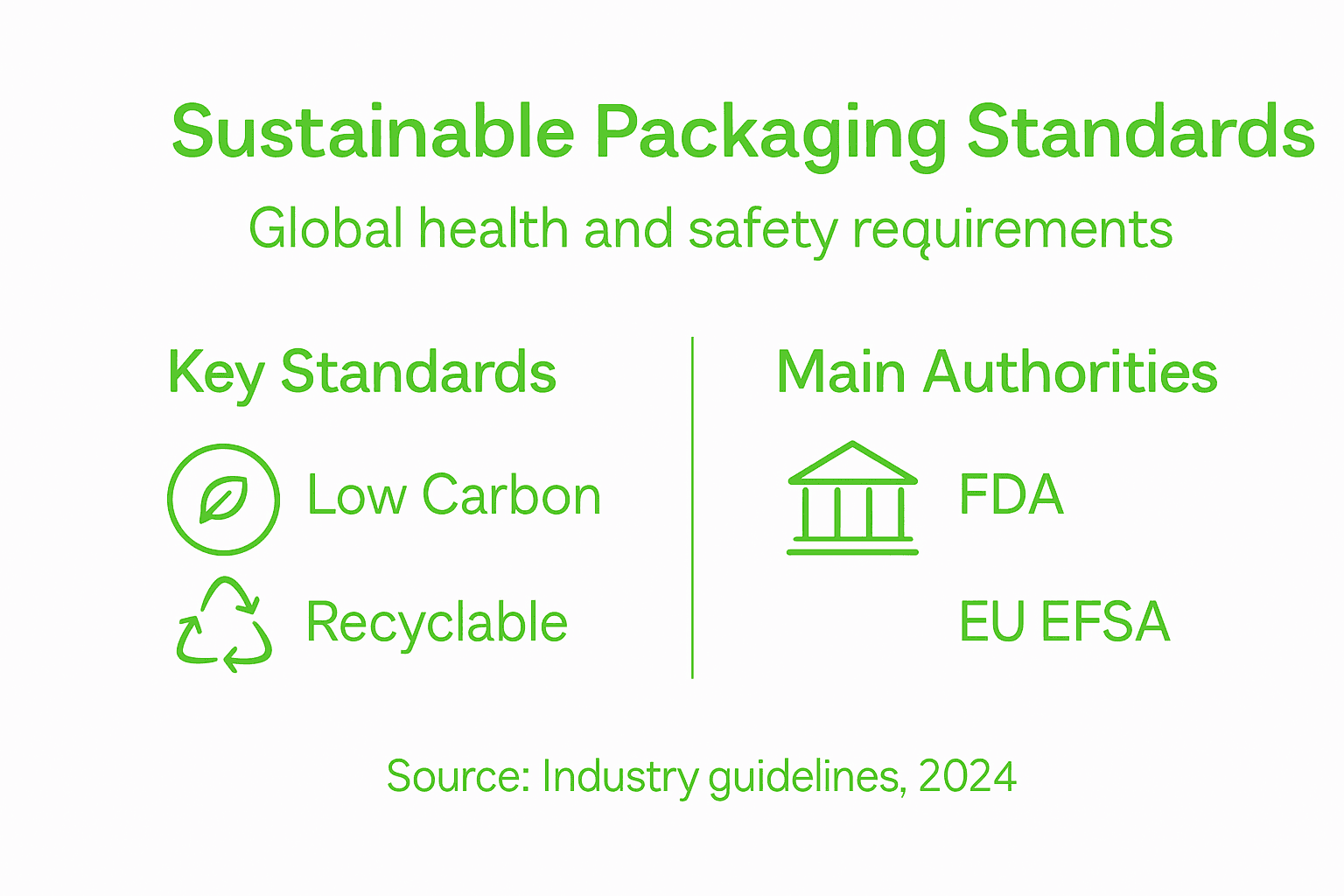
The complexity of worldwide legal requirements stems from multiple interconnected considerations. Food safety regulations mandate comprehensive evaluation of packaging materials, ensuring they meet stringent standards for chemical migration, contamination prevention, and environmental sustainability. These regulations typically address several critical dimensions:
Key legal and safety requirements include:
- Material Composition: Strict limitations on chemical constituents
- Migration Testing: Comprehensive screening for potential contaminants
- Environmental Compliance: Verification of biodegradability standards
- Traceability: Detailed documentation of packaging supply chains
- Certification Protocols: Rigorous validation processes
- Cross-Border Harmonisation: Alignment of international packaging standards
Manufacturers must navigate a complex regulatory environment, ensuring that packaging solutions meet diverse international requirements while maintaining product integrity and consumer safety.
Expert Tip: Develop a comprehensive compliance strategy that anticipates regulatory changes and proactively addresses emerging international packaging standards.
Risks, Costs, and Common Packaging Pitfalls
Sustainable food packaging involves navigating a complex landscape of potential challenges that extend far beyond environmental considerations. Economic sustainability challenges reveal intricate trade-offs between material performance, cost-effectiveness, and ecological impact that organisations must carefully evaluate.
Supply chain complexities introduce multifaceted risks that organisations must systematically address. These risks encompass technological limitations, economic constraints, and potential compromises in product preservation that can significantly impact overall packaging effectiveness.
Common packaging pitfalls organisations encounter include:
- Material Performance: Inconsistent barrier properties
- Cost Implications: Higher initial investment requirements
- Consumer Perception: Misunderstandings about sustainability claims
- Regulatory Compliance: Complex international certification processes
- Technical Limitations: Reduced shelf life for certain products
- Recycling Challenges: Inadequate infrastructure for material processing
Successful sustainable packaging strategies require comprehensive risk assessment, continuous innovation, and transparent communication with stakeholders about material capabilities and limitations.
The following table outlines pitfalls in sustainable food packaging and effective business responses:
| Common Pitfall | Business Impact | Recommended Strategic Response |
|---|---|---|
| Inconsistent barrier properties | Increased spoilage or returns | Invest in material R&D improvements |
| High upfront costs | Delayed ROI, pricing challenges | Phased adoption, volume discounts |
| Sustainability confusion | Consumer mistrust of green claims | Transparent, certified labelling |
| Regulatory complexity | Market access limitations, legal risk | Internal compliance team formation |
| Limited recycling options | Packaging ends in landfill | Target local recycling solutions |
Expert Tip: Conduct thorough lifecycle assessments and maintain flexibility in material selection to mitigate potential performance and economic risks.
Real-World Applications and Consumer Choices
Sustainable food packaging represents a dynamic intersection between technological innovation and consumer environmental consciousness. Circular food supply chains are increasingly transforming how consumers perceive and interact with packaging, driving meaningful change across global markets.
Consumer packaging perception reveals that purchase decisions are now fundamentally influenced by packaging sustainability attributes. Consumers are increasingly evaluating products not just on performance and price, but on the environmental credentials and transparency of their packaging solutions.
Key real-world application considerations include:
- Transparency: Clear sustainability labelling
- Design Aesthetics: Visually appealing eco-friendly packaging
- Functional Performance: Maintaining product quality
- Recyclability: Easy disposal and processing
- Material Origin: Traceable and responsible sourcing
- Carbon Footprint: Reduced environmental impact
Successful sustainable packaging strategies must balance technological innovation, environmental responsibility, and consumer expectations, creating holistic solutions that resonate across diverse market segments.
Expert Tip: Prioritise packaging designs that communicate sustainability credentials transparently while delivering exceptional product protection and user experience.
Choose Sustainable Packaging That Matches Your Commitment to Health and the Environment
The challenge of finding food packaging that truly balances sustainability, safety, and functionality is real. This article highlights key issues like material biodegradability, carbon footprint reduction, and packaging transparency — all vital to protecting not only your food but also our planet. When you shop for organic and natural products, it is essential to trust packaging solutions that align with these goals without compromising product quality or your health.
At Nature’s Soul Shop, we understand the importance of holistic sustainability frameworks and advanced biodegradable materials. Our range features carefully selected items across categories including organic fruits, vegetables, meats, and vegan products, all supported by packaging that prioritises minimal environmental impact and full transparency.
Discover a healthier way to shop that respects both your wellbeing and the earth. Explore our carefully curated selection today and experience the difference that sustainable food packaging can make. Visit Nature’s Soul Shop now to support products with verified sustainability, clean ingredients, and responsible packaging solutions.
Frequently Asked Questions
What are the key standards for sustainable food packaging?
Key standards for sustainable food packaging include carbon footprint reduction, minimal material usage, recyclability or compostability, non-toxic material selection, energy efficiency during production, and lifecycle assessment of packaging materials.
What types of materials are considered sustainable for food packaging?
Sustainable packaging materials include biopolymers, cellulose-based materials, starch-based packaging, seaweed and algae derivatives, agricultural waste materials, and recycled paper and cardboard, each with unique benefits and applications.
How can consumers identify sustainable packaging for organic products?
Consumers can identify sustainable packaging for organic products by looking for clear labelling that details organic certification, multi-functional protection features, and materials with verified sustainability credentials, such as biodegradability and renewable sourcing.
What are some common pitfalls in sustainable food packaging?
Common pitfalls in sustainable food packaging include inconsistent barrier properties, high upfront costs, consumer misunderstanding of sustainability claims, regulatory compliance challenges, reduced shelf life for certain products, and limited recycling options.
Recommended
- Complete Guide to Sustainable Food Choices – naturessoulshop
- Complete Guide to Eco Friendly Food Storage – naturessoulshop
- Sustainable Wellness Brands: Complete Expert Guide – naturessoulshop
- How to Choose Healthy Snacks Naturally: Step-by-Step Guide – naturessoulshop
- Freshness Indicators for Food: Complete Guide - Probe IT


