


Over 60 percent of British households report that kitchen organisation directly affects their eating habits. Sorting out your pantry is not just about neat shelves but about making healthier choices and reducing waste. Whether you are aiming for organic, allergen-friendly foods or efficient storage solutions, this guide outlines practical steps to create a kitchen that fits your lifestyle and keeps you feeling your best.
Table of Contents
- Step 1: Assess Your Nutritional and Lifestyle Needs
- Step 2: Design Your Pantry Space for Accessibility
- Step 3: Select Organic and Allergen-Friendly Essentials
- Step 4: Organise and Store Products for Freshness
- Step 5: Review and Adjust Your Pantry Regularly
Key Summary
| Major Insight | Explanation |
|---|---|
| 1. Assess Your Nutritional Needs | Create a personal health profile to identify dietary requirements and gaps, guiding your pantry choices for optimal wellness. |
| 2. Design an Accessible Pantry | Organise your pantry with adjustable shelving and ergonomic tools to enhance usability and streamline cooking activities. |
| 3. Choose Quality Ingredients | Focus on organic, allergen-friendly foods that align with your dietary needs, while avoiding processed products to support health. |
| 4. Maintain Freshness Through Organisation | Systematically group and label pantry items, using airtight containers to preserve quality and ensure easy access to ingredients. |
| 5. Regularly Review Your Pantry | Schedule quarterly assessments of your pantry inventory to adapt to changing dietary goals and ensure ingredient freshness. |
Step 1: Assess Your Nutritional and Lifestyle Needs
Understanding your unique nutritional requirements forms the foundation of building a purposeful pantry for healthy natural living. A comprehensive nutritional assessment involves evaluating dietary intake, lifestyle habits, and medical history to identify potential nutritional imbalances and plan appropriate interventions.
To begin this crucial process, start by creating a detailed personal profile that captures your current health status, dietary preferences, fitness levels, and wellness goals. Consider factors such as age, gender, activity level, existing health conditions, and any specific dietary restrictions like gluten free or plant based eating. Tracking your current eating patterns will help you understand nutritional gaps and design a pantry strategy that supports optimal health.
Examine your typical daily meals and identify areas where you can introduce more whole foods and nutrient dense ingredients. Assessing personal habits and emotional health is crucial in understanding how lifestyle factors influence dietary choices and overall wellbeing. This holistic approach ensures your pantry becomes a powerful tool for supporting your health journey.
Cracking tip: Invest time in creating a comprehensive health journal documenting your current nutritional intake, energy levels, and wellness objectives to guide your pantry building strategy with precision.
Step 2: Design Your Pantry Space for Accessibility
Creating an accessible and functional pantry is essential for maintaining an efficient and enjoyable cooking environment. Utilising adjustable and multifunctional furniture can help design a pantry space that adapts to diverse user needs and promotes ease of access, ensuring your storage solutions work for you.
Start by evaluating your current pantry layout and identifying potential barriers to accessibility. Consider your physical height, mobility, and daily reaching patterns. Implement strategic shelving solutions that place frequently used items at comfortable eye and hand levels. Opt for pull out shelves, rotating corner units, and adjustable height mechanisms that allow you to customise storage according to your specific requirements. Clear organisation zones based on food categories will streamline your cooking process and reduce unnecessary movement.
Prioritise ergonomic design principles when selecting storage containers and organisational tools. Choose lightweight containers with easy grip handles, transparent materials for quick identification, and stackable designs that maximise vertical space. Ensure adequate lighting and consider installing motion sensor lights or under shelf illumination to improve visibility and reduce strain when searching for ingredients.
Sage advice: Invest in modular storage systems that can be reconfigured as your nutritional needs and lifestyle evolve, providing long term flexibility and adaptability in your pantry design.
Here is a summary of storage options and their benefits for pantry accessibility:
| Storage Solution | Key Benefit | Best For |
|---|---|---|
| Pull out shelves | Reduces bending and reaching | Low shelves, deep spaces |
| Rotating corner units | Maximises awkward corners | Pantry corners |
| Adjustable shelves | Adapts to changing item heights | Flexible storage zones |
| Transparent containers | Quick content identification | Dry goods and grains |
Step 3: Select Organic and Allergen-Friendly Essentials
Building a healthy pantry requires strategic selection of ingredients that support your nutritional goals and dietary requirements. Nutrient profiling helps classify foods based on their nutritional composition, enabling you to make informed choices about organic and allergen-friendly essentials for your pantry.
Begin by carefully examining product labels and understanding potential allergen risks. Look for clear labelling that indicates gluten free, dairy free, nut free, or other specific dietary requirements. The Nutri-Score system provides a simplified nutritional rating that can help you quickly assess the nutritional value of packaged foods. Prioritise whole food ingredients with minimal processing and focus on organic options that minimise exposure to synthetic pesticides and additives.
Establish a diverse pantry that supports multiple dietary needs by selecting versatile ingredients. Choose alternative grains like quinoa and millet for gluten free options, explore plant based protein sources such as lentils and chickpeas, and include a variety of seeds and nuts that cater to different nutritional profiles. When possible, opt for organic certifications and transparent sourcing to ensure the highest quality ingredients for your natural living pantry.
Clever hint: Create a personalised allergen and dietary requirement checklist to streamline your shopping process and ensure every pantry item meets your specific health and wellness standards.
This table provides an overview of common pantry allergens and suitable alternatives:
| Allergen | Common Sources | Suitable Alternative |
|---|---|---|
| Gluten | Wheat, barley, rye | Quinoa, rice, millet |
| Dairy | Milk, cheese, butter | Oat milk, coconut oil |
| Nuts | Almonds, peanuts | Pumpkin seeds, hemp |
| Eggs | Mayonnaise, cakes | Aquafaba, chia seeds |
Step 4: Organise and Store Products for Freshness
Creating an efficient and well-maintained pantry requires strategic organisation that preserves the quality and nutritional value of your ingredients. Implementing clear labelling and proper ventilation can significantly enhance pantry organisation and maintain product freshness, transforming your storage space into a functional nutritional hub.
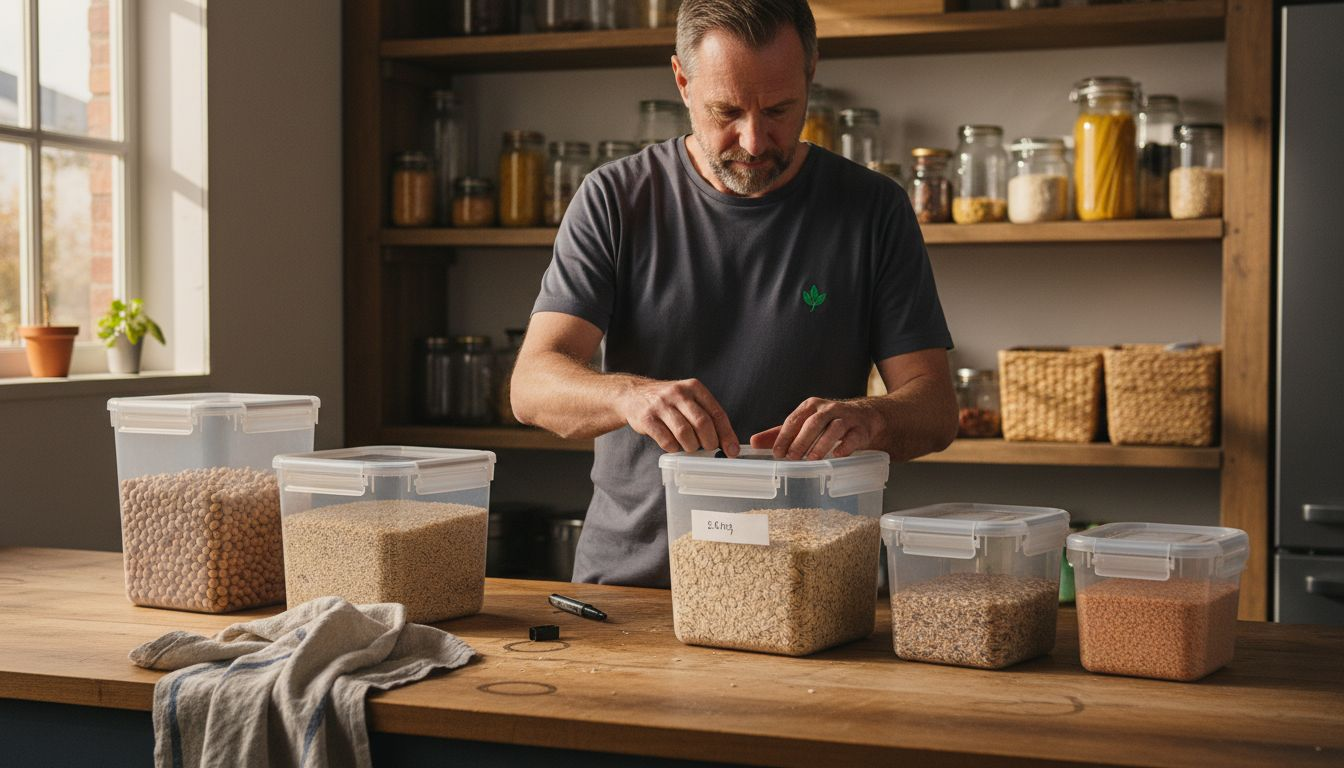
Begin by categorising your ingredients systematically. Group similar items together such as grains, legumes, baking supplies, and spices. Use transparent airtight containers that protect against moisture and pest intrusion while allowing you to quickly identify contents. Addressing common pantry design mistakes like inadequate lighting and poor shelving choices can dramatically improve your ability to preserve stored items. Consider investing in adjustable shelving that accommodates containers of various sizes and allows for optimal air circulation.
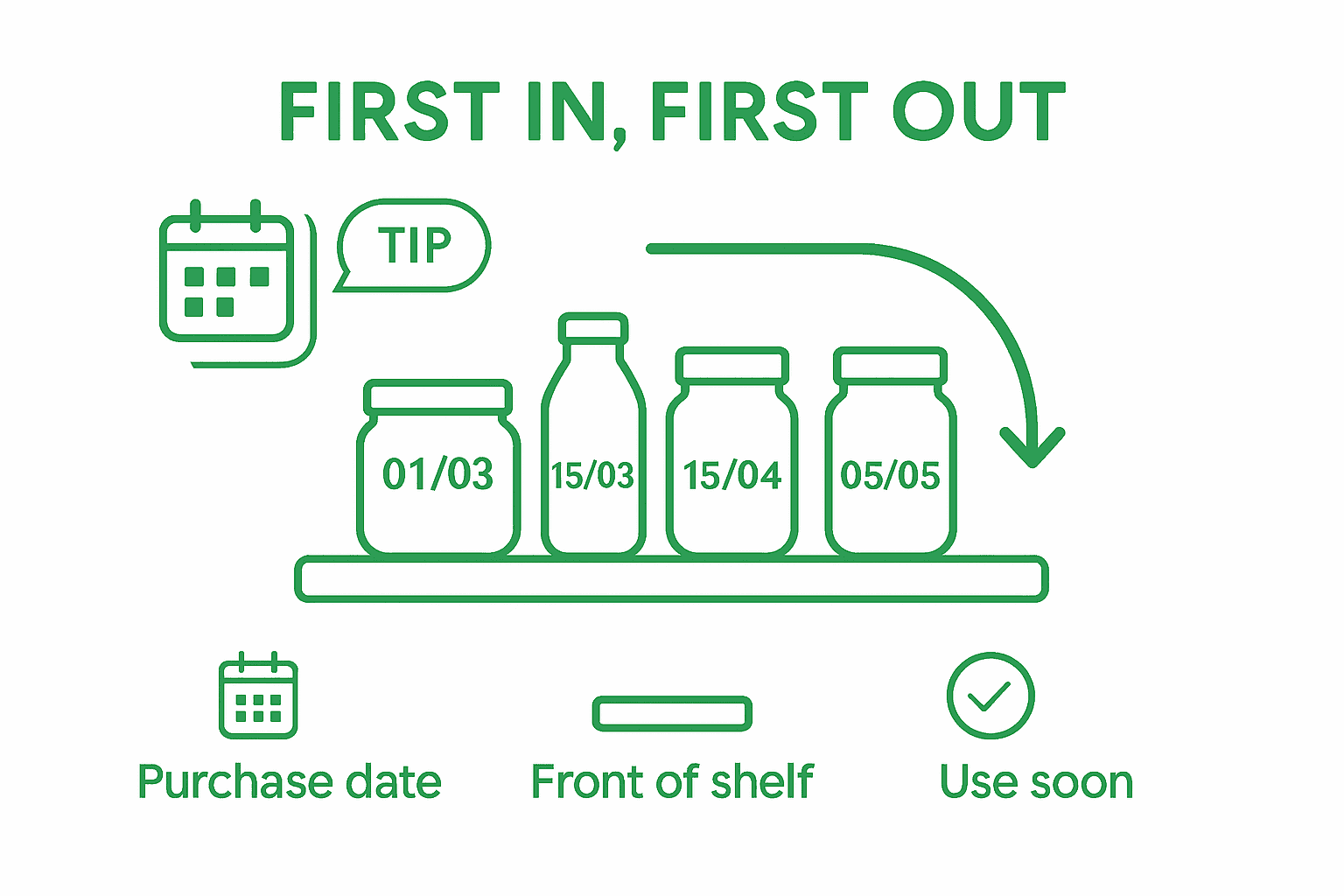
Implement a first in first out rotation system to ensure ingredients remain fresh. Label each container with purchase or opening dates, and arrange items so that older products are placed at the front for immediate use. Create dedicated zones for different dietary requirements like gluten free, plant based, or organic products to streamline your cooking and meal preparation process.
Clever hint: Use silica gel packets in your storage containers to absorb excess moisture and extend the shelf life of dry goods, keeping your pantry ingredients in pristine condition.
Step 5: Review and Adjust Your Pantry Regularly
Maintaining a dynamic and responsive pantry requires consistent monitoring and thoughtful adjustments to support your evolving health and nutritional goals. Advanced dietary monitoring systems like DietGlance can help individuals track their eating habits and make informed adjustments to their pantry contents, providing a scientific approach to personalised nutrition management.
Establish a quarterly review process where you comprehensively assess your pantry inventory. Check expiration dates, examine ingredient quality, and evaluate whether your current food selections align with your nutritional objectives. Look for signs of ingredient degradation, potential allergen risks, and opportunities to introduce more diverse and nutrient dense options. Implementing automated diet management systems like NutriVision can facilitate regular review and adjustment of pantry items to align with health goals, offering data driven insights into your dietary patterns.
Consider tracking your nutritional intake through digital tools or journaling to understand how your pantry selections impact your overall wellness. Pay attention to changes in your energy levels, dietary preferences, and health conditions that might necessitate modifications to your pantry contents. Create a flexible system that allows you to adapt your food storage strategy as your lifestyle and nutritional needs transform.
Clever hint: Set a recurring calendar reminder for your quarterly pantry review to ensure you consistently maintain an organised and health supportive food storage environment.
Elevate Your Healthy Natural Living Pantry Today
Building a pantry for healthy natural living is not just about storing food it is about creating a supportive environment aligned with your unique nutritional needs and lifestyle goals. This article highlights common challenges such as selecting allergen friendly essentials organising for freshness and designing accessible pantry spaces. You deserve a pantry filled with organic and clean ingredient options that empower your wellness journey at every meal.
Discover how Nature’s Soul Shop offers an extensive range of organic fruits vegetables vegan and gluten free products as well as dry grocery items meticulously chosen for quality and purity. Each product supports your goals for nutrient dense clean eating and allergen conscious living. Start with essentials that meet your high standards and enjoy the confidence of having well labelled wholesome foods within effortless reach.
Take control of your pantry today by visiting Nature’s Soul Shop. Explore our natural and organic selections and build a food storage space that truly nurtures your health. Act now to transform your kitchen into a sanctuary of fresh genuine ingredients tailored perfectly to your lifestyle and dietary needs.
Frequently Asked Questions
How do I assess my nutritional and lifestyle needs for building a pantry?
Start by creating a detailed personal profile that considers your health status, dietary preferences, fitness levels, and wellness goals. Track your current eating behaviours over a week to identify nutritional gaps and inform your pantry choices.
What are the best storage solutions for creating an accessible pantry?
Opt for pull-out shelves, rotating corner units, and adjustable height mechanisms to ensure frequently used items are easy to reach. Reorganise your pantry based on food categories to promote efficient cooking and reduce movement when preparing meals.
How can I select allergen-friendly and organic essentials for my pantry?
Examine product labels carefully to identify potential allergens and prioritise organic options to minimise exposure to synthetic additives. Create a personalised list of dietary requirements to guide your shopping and ensure every item in your pantry meets your health standards.
What steps can I take to preserve the freshness of my pantry ingredients?
Categorise your ingredients by grouping similar items together and use transparent, airtight containers to prevent moisture and pests. Implement a first-in-first-out system, labelling containers with purchase dates, to ensure you use older items first and maintain freshness.
How often should I review and adjust my pantry contents?
Establish a quarterly review process to assess your pantry inventory and check for expiration dates and ingredient quality. Adapt your pantry selections based on any changes in your nutritional goals or health conditions to ensure a supportive food storage environment.


