


Most advice about plant-based diets leaves british readers wondering where the truth really lies. Scientific reviews show that more than 70 percent of nutrition studies fail to clearly define what ‘plant-based’ even means, leading to confusion for anyone trying to eat healthier or lighter. If you want clarity on how different plant-based patterns work, where health benefits begin, and how these choices affect the world around us, you are in the right place.
Table of Contents
- Plant-Based Diets Defined And Debunked
- Types Of Plant-Based Eating Patterns
- Health Benefits Backed By Science
- Environmental Impact Of Plant-Based Choices
- Common Barriers And How To Overcome Them
Key Takeaways
| Point | Details |
|---|---|
| Understanding Plant-Based Diets | Plant-based diets vary widely, from strict veganism to flexible vegetarianism, highlighting the importance of personal choice and dietary definitions. |
| Nutritional Benefits | Adopting a plant-based diet can lead to significant health benefits, including reduced risk of chronic diseases and improved metabolic health. |
| Environmental Impact | Plant-based eating contributes to a lower carbon footprint and other environmental benefits, making it an effective choice for sustainability. |
| Overcoming Barriers | Recognising and addressing common challenges, such as cultural preferences and nutritional knowledge gaps, can facilitate a successful transition to plant-based eating. |
Plant-Based Diets Defined and Debunked
Understanding what constitutes a plant-based diet remains surprisingly complex. Scientific research reveals significant inconsistencies in how nutrition experts and researchers define this dietary approach. Some consider plant-based diets exclusively vegan, while others encompass broader vegetarian and flexitarian eating patterns.
The term “plant-based” technically describes eating patterns centred around foods derived from plants, including vegetables, fruits, whole grains, legumes, nuts, and seeds. However, this definition allows remarkable variation. A plant-based diet might mean completely eliminating animal products or simply prioritising plant-derived nutrition while occasionally consuming meat, dairy, or eggs. Vegetarian Resource Group studies indicate that 74% of nutritional research fails to explicitly define these dietary boundaries, highlighting the ongoing definitional challenge.
In practice, plant-based diets can range from strict vegan approaches to more flexible vegetarian or pescatarian models. The core principle remains consistent: maximising whole, minimally processed plant foods while reducing or eliminating animal-derived products. This approach offers potential health benefits including improved cardiovascular wellness, better weight management, and reduced chronic disease risk. Critical nutritional considerations include ensuring adequate protein, vitamin B12, iron, and omega-3 fatty acid intake through strategic food choices or supplementation.
Pro Tip for Plant-Based Nutrition: Start your plant-based journey gradually by introducing one meat-free meal per week, focusing on nutrient-dense whole foods and experimenting with plant-based protein sources like legumes, tofu, and tempeh to build confidence and culinary skills.
Types of Plant-Based Eating Patterns
Comprehensive nutritional research from Harvard Health reveals multiple fascinating approaches to plant-based eating, each offering unique health perspectives and dietary flexibility. Plant-based diets are not one-size-fits-all, but rather a spectrum of nutritional strategies that prioritise plant-derived foods while managing animal product consumption differently.
These diverse eating patterns can be categorised into several primary models:
- Vegan: Completely eliminates all animal products, including meat, dairy, eggs, and honey
- Vegetarian: Excludes meat but may include dairy and eggs
- Pescatarian: Includes fish and seafood alongside plant foods, while excluding other meats
- Semi-vegetarian/Flexitarian: Primarily plant-based with occasional meat consumption
Nutritional research from the Proceedings of the Nutrition Society emphasises that each approach offers distinct nutritional benefits and challenges. The key is understanding individual health needs and selecting an approach that provides comprehensive nutrition while aligning with personal ethical, environmental, and wellness goals.
Each dietary pattern requires thoughtful planning to ensure balanced nutrient intake. Protein sources, vitamin B12, iron, calcium, and omega-3 fatty acids demand particular attention, especially in more restrictive plant-based approaches. Consulting a registered dietitian can help individuals navigate these nutritional considerations effectively.
Here’s a comparison of primary plant-based dietary patterns and their nutritional considerations:
| Eating Pattern | Description | Potential Nutritional Challenges |
|---|---|---|
| Vegan | Excludes all animal products, incl. honey | B12, iron, omega-3, complete proteins |
| Vegetarian | Includes dairy and eggs, excludes meat | Iron, B12 (for some), balance of nutrients |
| Pescatarian | Includes fish/seafood, excludes other meats | Mercury (if excessive fish), B12 usually met |
| Flexitarian/Semi-veg. | Mostly plant-based, sometimes includes meat | Nutrient balance depends on choices |
Pro Tip for Dietary Exploration: Begin your plant-based journey by gradually introducing meatless meals, experimenting with different protein sources, and listening to your body’s unique nutritional responses.
Health Benefits Backed by Science
Comprehensive scientific research demonstrates that plant-based diets offer remarkable health advantages extending far beyond simple nutritional choices. Plant-based nutrition represents a powerful approach to preventing and potentially reversing numerous chronic health conditions, challenging traditional dietary paradigms with robust scientific evidence.
Key scientifically validated health benefits include:
- Significantly reduced risk of cardiovascular disease
- Improved blood pressure regulation
- Enhanced insulin sensitivity and diabetes management
- Lower rates of obesity and metabolic syndrome
- Reduced inflammation markers
- Potential cancer risk mitigation
Emerging nutritional studies consistently highlight how plant-rich diets can transform metabolic health. The mechanism involves complex interactions between nutrient-dense plant compounds, gut microbiome diversity, and cellular metabolism. Phytonutrients, antioxidants, and high-fibre content play crucial roles in supporting comprehensive wellness and disease prevention.

Beyond individual health metrics, plant-based nutrition demonstrates systemic benefits. Research indicates these dietary approaches can positively influence long-term health outcomes, potentially reducing healthcare costs and improving quality of life. The holistic impact extends to cardiovascular function, immune system resilience, and cognitive performance, offering a multifaceted approach to preventative healthcare.
Pro Tip for Nutritional Transformation: Gradually incorporate diverse plant-based foods into your diet, focusing on whole, minimally processed ingredients to maximise nutritional benefits and support sustainable health improvements.
Environmental Impact of Plant-Based Choices
Research on meat-free dietary interventions reveals compelling evidence about the profound environmental implications of plant-based nutrition. Global food systems contribute significantly to greenhouse gas emissions, and dietary choices represent a powerful mechanism for individual environmental impact reduction.
Key environmental benefits of plant-based choices include:
- Substantially reduced carbon footprint
- Decreased water consumption for food production
- Minimised deforestation and land degradation
- Lower agricultural methane emissions
- Reduced agricultural resource requirements
- Preservation of biodiversity
Innovative global food sustainability research highlights emerging strategies for transforming dietary patterns. Plant-based nutrition represents more than a personal health choice—it’s a critical environmental intervention. Selecting nutrient-dense, low-impact plant foods can dramatically reduce an individual’s ecological footprint while supporting more sustainable global agricultural systems.
The environmental mathematics are compelling. Transitioning towards plant-based diets could potentially reduce individual carbon emissions by up to 70%, presenting a direct and accessible method for climate action. Beyond personal choices, these dietary shifts signal broader systemic changes in food production, resource allocation, and ecological stewardship.
Pro Tip for Ecological Eating: Start by introducing one fully plant-based meal per week, consciously selecting ingredients with lower environmental impact and exploring diverse, sustainable protein alternatives.
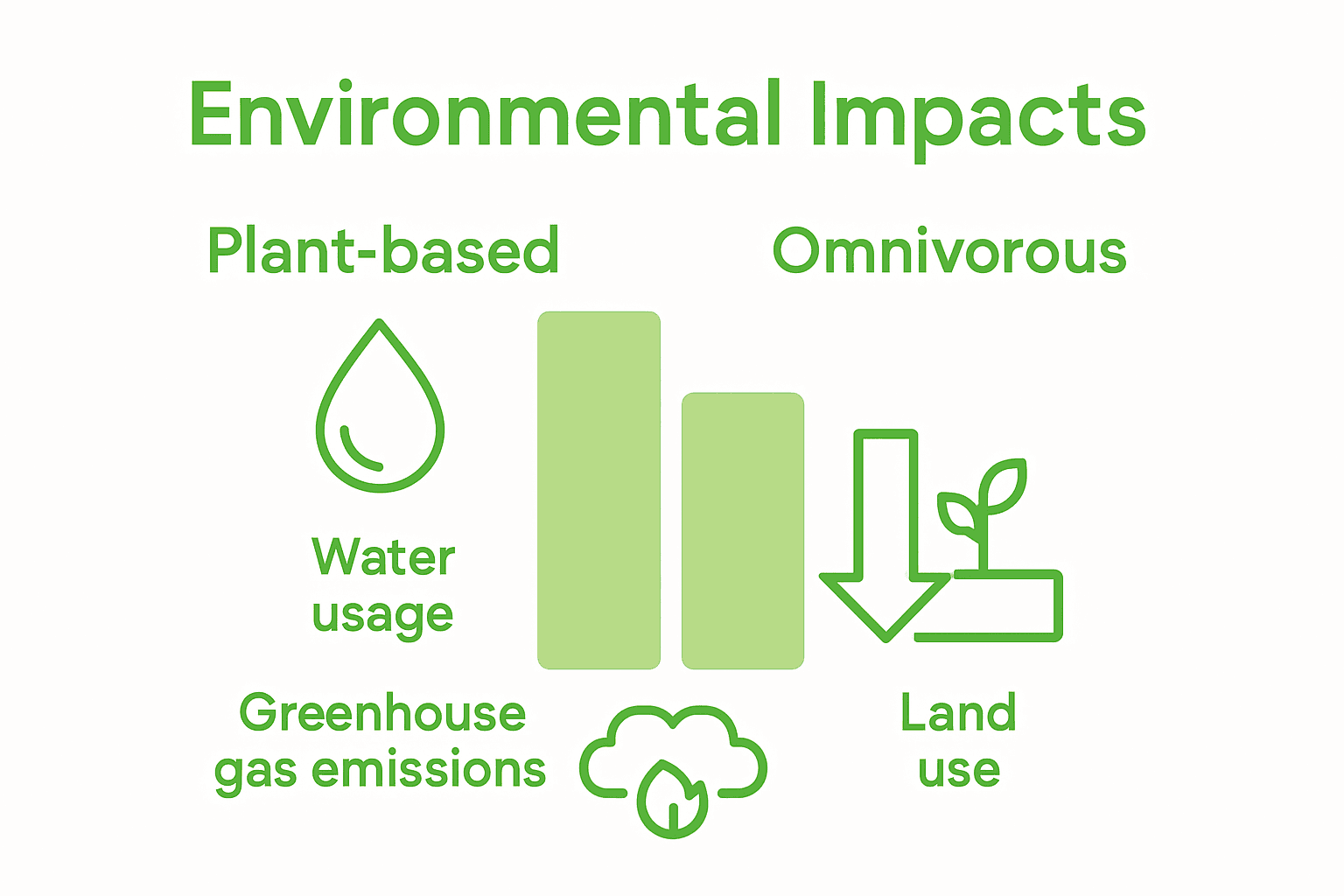
To illustrate the environmental impact, see how plant-based diets compare with omnivorous diets:
| Environmental Factor | Plant-Based Diet Impact | Traditional Omnivorous Diet Impact |
|---|---|---|
| Carbon Emissions | Up to 70% reduction possible | Significantly higher per capita |
| Water Use | Lower for crops | Higher due to livestock requirements |
| Land Requirements | Less land for plant food | More land for grazing and feed crops |
| Biodiversity Loss | Supports preservation | Accelerates loss via deforestation |
Common Barriers and How to Overcome Them
Scientific research on dietary transitions reveals that adopting plant-based nutrition involves navigating complex psychological and practical challenges. Dietary transformation requires understanding and strategically addressing the most common obstacles individuals encounter when shifting towards plant-based eating patterns.
Key barriers to plant-based nutrition include:
- Deeply ingrained cultural food preferences
- Limited nutritional knowledge
- Concerns about protein adequacy
- Social and familial resistance
- Perceived complexity of meal preparation
- Higher perceived cost of plant-based ingredients
Comprehensive nutritional guidance suggests strategic approaches to overcoming these challenges. Education emerges as the most powerful tool, helping individuals understand the nutritional complexity and potential of plant-based diets. Learning to design balanced, protein-rich meals, understanding ingredient substitutions, and developing practical cooking skills can dramatically reduce perceived barriers.
Successful dietary transitions require a nuanced, compassionate approach. Rather than abrupt, extreme changes, experts recommend gradual integration. This might involve introducing one plant-based meal weekly, experimenting with new recipes, exploring diverse protein sources, and cultivating curiosity about nutritional diversity. Building a supportive community, accessing reliable resources, and maintaining a growth mindset are crucial for sustainable dietary transformation.
Pro Tip for Dietary Transition: Begin by replacing one animal protein with a plant-based alternative each week, focusing on flavourful, nutrient-dense ingredients that make the experience enjoyable and sustainable.
Embrace Plant-Based Living with Nature’s Soul
Transitioning to a plant-based diet offers powerful health and environmental benefits but can come with challenges such as finding nutrient-dense, clean ingredients and mastering new recipes. Whether you are vegan, flexitarian or simply exploring more plant-focused meals, Nature’s Soul supports your journey with organic, natural products across fruits, vegetables, vegan and gluten free options plus home and skin care essentials – all with clean ingredients to nourish your body and the planet.
Discover the ease of living well by choosing wholesome, sustainably sourced foods and products that align with your goals for wellbeing and environmental care. Take your first step today by browsing our carefully curated selections at Nature’s Soul Shop. Start with one plant-powered meal or swap and feel the difference now. Your journey to vibrant health and a greener future begins here.
Frequently Asked Questions
What is a plant-based diet?
A plant-based diet primarily focuses on foods derived from plants, including vegetables, fruits, whole grains, legumes, nuts, and seeds. It can range from fully vegan to flexitarian approaches that include occasional meat or dairy.
What are the health benefits of adopting a plant-based diet?
Research shows that plant-based diets can reduce the risk of cardiovascular disease, improve blood pressure regulation, enhance insulin sensitivity, and lower rates of obesity and chronic diseases, among other health benefits.
How can I transition to a plant-based diet?
Start gradually by introducing one meat-free meal per week, focusing on whole, nutrient-dense plant foods. Experiment with plant-based protein sources like legumes, tofu, and tempeh to develop confidence and cooking skills.
What are common barriers to switching to a plant-based diet?
Common barriers include cultural food preferences, limited nutritional knowledge, concerns about protein intake, social resistance, meal preparation complexity, and perceived higher costs of plant-based foods. Educating yourself and taking gradual steps can help overcome these challenges.
Recommended
- The Essential Guide to Plant Based Protein – naturessoulshop
- Plant Based Diet Guide: Complete Wellness Resource – naturessoulshop
- Complete Guide to Sustainable Food Choices – naturessoulshop
- Plant Based Meat Explained: Benefits, Types, and Safety – naturessoulshop
- Professional Skincare Brands: Complete Guide


