


Over 550,000 British adults now follow a plant-based diet, reflecting a dramatic shift in fitness and nutrition trends. As more British athletes aim to build muscle without animal-based foods, questions about protein quality and muscle growth arise. Recent scientific findings prove that well-planned plant-based diets can rival traditional approaches. Discover how a focus on diverse nutrition and strategic planning empowers British fitness enthusiasts to achieve robust muscle gains straight from the power of plants.
Table of Contents
- Defining Plant-Based Muscle Building Approaches
- Essential Nutrients For Muscle Growth
- Protein Sources And Intake Strategies
- Sample Meal Planning And Food Combinations
- Addressing Plant-Based Protein Myths
- Comparing Plant-Based With Animal-Based Muscle Regimens
Key Takeaways
| Point | Details |
|---|---|
| Plant-Based Proteins are Effective | Plant proteins can support muscle growth effectively when strategically combined to ensure comprehensive amino acid profiles. |
| Essential Nutrients Matter | Key nutrients such as BCAAs, Zinc, and Omega-3s are critical for optimising muscle development and recovery. |
| Meal Planning is Crucial | Strategic meal combinations and nutrient timing enhance absorption and utilisation of protein for muscle growth. |
| Addressing Myths is Important | Research debunks misconceptions about plant protein, confirming it can match the effectiveness of animal-based sources for muscle development. |
Defining Plant-Based Muscle Building Approaches
Muscle building through plant-based nutrition represents a strategic and scientifically supported approach to strength development that challenges traditional protein paradigms. Modern nutritional research demonstrates that plant proteins can effectively support muscle synthesis and growth when strategically consumed and combined.
Understanding plant-based muscle building requires examining protein quality and comprehensive amino acid profiles. Research investigating protein bioavailability reveals that strategic protein combinations can overcome traditional concerns about plant protein effectiveness. Plant proteins from sources like legumes, quinoa, hemp, and pea protein offer remarkable potential for muscle development when consumed with comprehensive nutritional planning.
Key considerations for successful plant-based muscle building include:
- Diverse protein source integration
- Strategic amino acid complementation
- Enhanced protein absorption techniques
- Consistent macronutrient balance
The comprehensive assessment of plant protein quality indicates that targeted supplementation and thoughtful dietary design can produce muscle mass gains comparable to animal-based protein approaches. Athletes and fitness enthusiasts can achieve substantial strength outcomes by implementing scientifically informed plant-based nutrition strategies.
Successful plant-based muscle building requires understanding protein synthesis mechanisms, selecting high-quality protein sources, and maintaining consistent nutritional intake. Individuals committed to this approach can develop impressive muscular physiques while adhering to plant-focused dietary principles.
Essential Nutrients For Muscle Growth
Muscle growth requires a precise combination of essential nutrients that work synergistically to support protein synthesis, cellular repair, and overall metabolic function. Comprehensive nutritional research highlights the critical importance of strategically consuming specific nutrients to optimise muscle development and performance.

The foundational nutrients for muscle growth encompass several key categories. Proteins remain the primary building blocks, with branched-chain amino acids (BCAAs) playing a particularly crucial role in muscle protein synthesis. Advanced metabolic studies demonstrate how specific amino acids like leucine, isoleucine, and valine directly stimulate muscle protein production and support recovery processes.
Key essential nutrients for muscle development include:
- Complete plant-based proteins
- Branched-chain amino acids
- Creatine
- Zinc and magnesium
- Vitamin B complex
- Iron
- Omega-3 fatty acids
Nutrient timing and comprehensive intake strategies significantly impact muscle growth potential. Consuming balanced protein sources with complementary amino acid profiles ensures optimal absorption and utilisation. Plant-based athletes must pay particular attention to protein combinations and supplementation to meet elevated nutritional requirements and support consistent muscle development.
Successful muscle nutrition extends beyond mere consumption, requiring a holistic approach that integrates strategic nutrient intake, metabolic understanding, and personalised dietary planning. By comprehensively addressing nutritional needs through diverse, high-quality plant-based sources, individuals can effectively support muscle growth and overall physiological performance.
Protein Sources And Intake Strategies
Research investigating plant-based protein challenges reveals the critical importance of strategic protein sourcing for muscle development. Plant-based athletes must carefully navigate protein selection to ensure comprehensive amino acid profiles and optimal muscle protein synthesis, moving beyond traditional protein consumption approaches.
Optimal protein sources for plant-based muscle building include a diverse range of nutrient-dense options. Legumes, quinoa, hemp seeds, pea protein, and tempeh offer exceptional protein quality, with each source providing unique amino acid combinations. Comparative studies of protein bioavailability demonstrate that intelligent protein combinations can effectively match muscle-building potential of animal-based protein sources.
Strategic protein intake strategies for plant-based athletes include:
- Combining complementary protein sources
- Consuming protein at regular intervals
- Integrating protein supplements strategically
- Monitoring total daily protein intake
- Focusing on high-quality, complete plant proteins
Successful protein intake requires understanding individual metabolic needs and creating personalised nutritional approaches. Plant-based athletes must pay particular attention to protein digestibility, amino acid profile, and total protein volume. Consuming proteins across multiple meals, incorporating protein-rich whole foods, and utilising targeted supplementation can effectively support muscle growth and recovery processes.
Nutrient timing and protein quality remain paramount in plant-based muscle development. By implementing scientifically informed protein strategies, individuals can overcome traditional limitations and achieve substantial muscle growth through thoughtful, comprehensive nutritional planning.
Sample Meal Planning And Food Combinations
Muscle growth nutrition planning requires strategic dietary approaches that balance protein intake, caloric requirements, and nutrient-dense food combinations. Plant-based athletes must develop comprehensive meal strategies that support muscle development while ensuring complete nutritional profiles across daily eating patterns.
Optimal meal combinations for plant-based muscle building focus on protein synergy and comprehensive amino acid profiles. Recommended food pairings include:
- Quinoa with black beans
- Tofu with edamame
- Lentils with brown rice
- Hemp seeds with spinach
- Tempeh with sweet potato
Muscle-building nutritional research highlights the importance of strategic amino acid supplementation and targeted protein intake. Plant-based athletes should aim to consume protein-rich foods across multiple meals, ensuring consistent amino acid availability for muscle protein synthesis.
Successful meal planning involves calculating individual caloric needs, macronutrient ratios, and incorporating diverse protein sources. Tracking total protein intake, understanding individual metabolic requirements, and creating varied meal combinations can effectively support muscle growth and recovery processes.
Nutrient timing and comprehensive food combinations remain crucial in plant-based muscle development. By implementing scientifically informed dietary strategies, individuals can overcome nutritional challenges and achieve substantial muscle growth through thoughtful, personalised nutritional planning.
Addressing Plant-Based Protein Myths
Research investigating plant-based protein challenges systematically deconstructs long-standing misconceptions about protein quality and muscle development in plant-based nutrition. Plant-based diets have frequently been misunderstood, with persistent myths suggesting inadequate protein synthesis and limited muscle-building potential.
Common protein myths in plant-based nutrition include:
- Plant proteins are incomplete
- Muscle growth is impossible without animal proteins
- Plant proteins are less digestible
- Vegetarian athletes cannot build significant muscle mass
- Protein absorption is substantially lower in plant sources
Comprehensive protein source assessments demonstrate that strategic protein combinations can effectively match muscle-building potential of traditional animal-based protein sources. Scientific evidence reveals that diverse plant protein sources, when intelligently combined, provide comprehensive amino acid profiles necessary for optimal muscle development.
Nutritional science has consistently challenged these myths by highlighting the remarkable adaptability of plant-based protein sources. Legumes, quinoa, hemp, and pea proteins offer substantial amino acid profiles, and targeted supplementation strategies can effectively support muscle protein synthesis.
Critical analysis reveals that plant-based protein myths are predominantly rooted in outdated nutritional understanding. By embracing scientific research and implementing sophisticated nutritional strategies, individuals can successfully build muscle, challenge preconceived notions, and achieve remarkable physical performance through plant-based nutrition.
Comparing Plant-Based With Animal-Based Muscle Regimens
Comprehensive protein source research reveals that plant-based and animal-based muscle regimens are more comparable than traditionally perceived. Challenging long-standing nutritional paradigms, modern scientific evidence demonstrates that strategic plant protein consumption can match muscle-building outcomes achieved through animal protein sources.
Key comparative aspects between plant-based and animal-based muscle regimens include:
- Protein absorption efficiency
- Amino acid profile completeness
- Metabolic response mechanisms
- Muscle protein synthesis rates
- Recovery and inflammation markers
Nutritional investigations of muscle hypertrophy highlight that plant-based athletes can achieve equivalent muscle development through intelligent protein combination strategies. Protein quality becomes less about source origin and more about comprehensive nutritional planning, amino acid diversity, and targeted supplementation.
Metabolic research demonstrates that plant-based proteins offer unique advantages, including reduced inflammatory responses, enhanced micronutrient profiles, and potentially more sustainable long-term muscle development. While animal proteins have traditionally been considered superior, scientific evidence increasingly supports plant-based nutrition as an equally effective muscle-building approach.
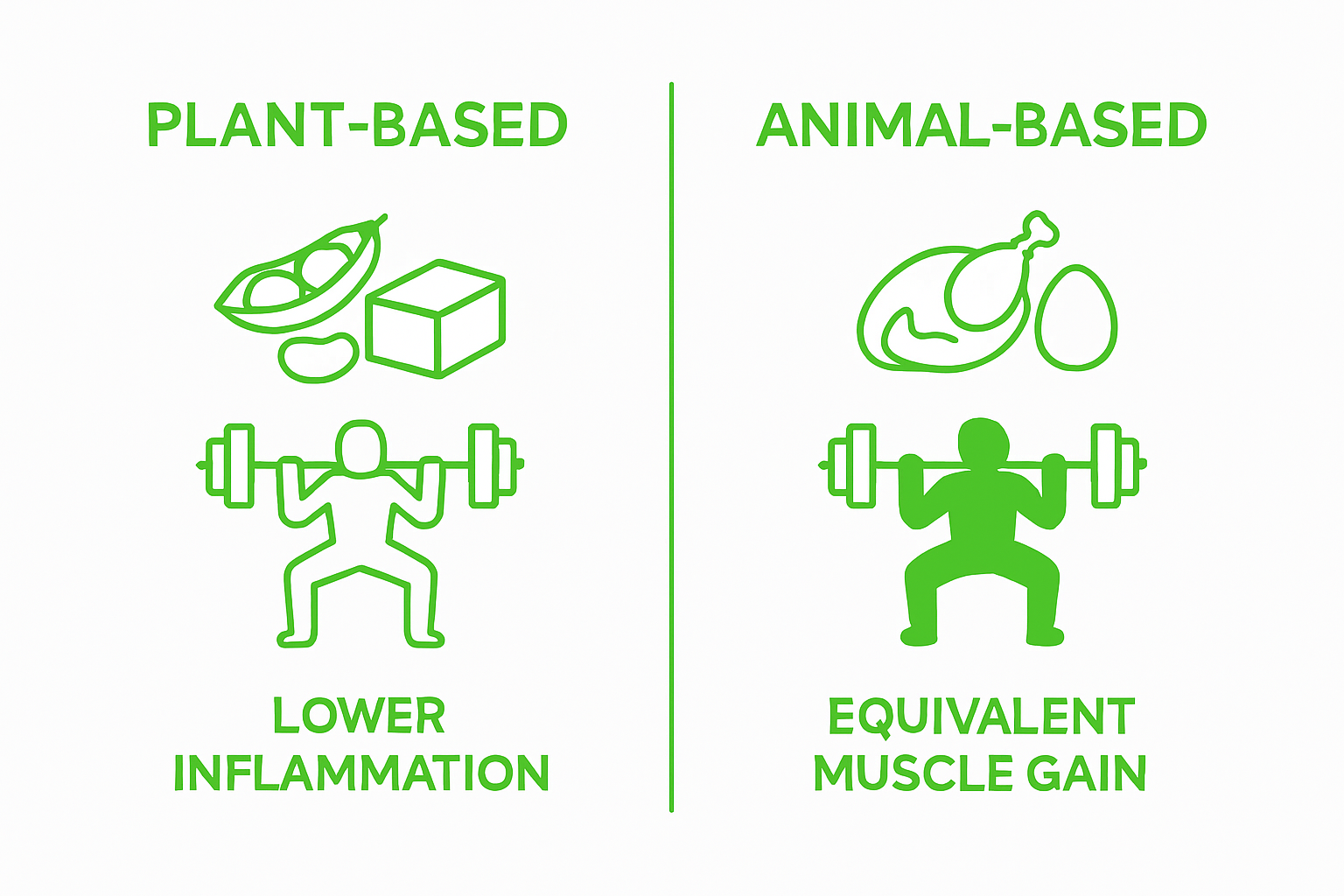
Successful muscle development transcends protein source categorisation. By understanding individual metabolic requirements, implementing strategic nutritional protocols, and maintaining consistent training intensity, athletes can achieve remarkable physiological transformations through both plant-based and traditional muscle-building regimens.
Unlock Your Plant-Based Muscle Potential with Nature’s Soul
Building muscle through plant-based nutrition presents unique challenges such as achieving complete protein profiles and optimising amino acid intake. If you are striving to overcome these hurdles and harness the strength benefits discussed in “Plant-Based Muscle Building – Strength Without Compromise” you deserve access to pure, nutrient-rich foods crafted to support your goals. Nature’s Soul offers a thoughtfully curated range of organic and natural products including fruits, vegetables, vegan proteins and gluten free options that provide essential nutrients for muscle growth and recovery.

Experience how combining diverse, clean ingredients can revolutionise your muscle-building journey. Visit Nature’s Soul Shop to explore our full selection of plant-powered wellness essentials. Empower your strength today with products designed for those committed to muscle development without compromise. Start transforming your nutritional approach now by browsing our landing page and discover organic solutions created with muscle-building science in mind.
Frequently Asked Questions
What are the best plant-based protein sources for muscle building?
Key plant-based protein sources for muscle building include legumes, quinoa, hemp seeds, pea protein, and tempeh. These foods provide comprehensive amino acid profiles essential for muscle development.
Can I build muscle as effectively on a plant-based diet as on an animal-based diet?
Yes, scientific research indicates that with strategic protein combinations and proper nutritional planning, muscle building through a plant-based diet can achieve results comparable to those of an animal-based diet.
How can I ensure I’m getting enough protein on a plant-based diet?
To ensure adequate protein intake, combine diverse protein sources, consume them at regular intervals throughout the day, and consider strategic supplementation if necessary to meet your specific dietary needs.
Are there any myths about plant-based protein that I should be aware of?
Common myths include the belief that plant proteins are incomplete or that muscle growth is impossible without animal proteins. In reality, intelligent combinations of plant proteins can provide all essential amino acids needed for muscle growth.
Recommended
- Plant Based Meat Explained: Benefits, Types, and Safety – naturessoulshop
- The Essential Guide to Plant Based Protein – naturessoulshop
- Vegan Diet Myths: Complete Guide to Facts and Fiction – naturessoulshop
- Plant Based Diet Guide: Complete Wellness Resource – naturessoulshop
- How to Incorporate Strength Training for Lean Muscle Development? - LeanAndFit


