


Over 50 percent of health-conscious expat families in Delhi NCR report challenges finding natural foods that support their children’s immunity within local Indian options. For british parents accustomed to organic, vegan, and gluten-free choices, the journey to building a robust immune system involves carefully selecting nutrient-rich ingredients rooted in Indian tradition. This guide deciphers powerful immunity-boosting foods for families and highlights smart strategies for safe, balanced nutrition.
Table of Contents
- Defining Immunity Boosting Foods In India
- Core Superfoods For Immunity In Indian Diets
- Organic, Vegan And Gluten-Free Immunity Options
- Immunity-Boosting Foods For Children
- Common Myths About Immunity Foods
- Risks And What To Avoid In Natural Choices
Key Takeaways
| Point | Details |
|---|---|
| Immunity-Boosting Foods | These foods enhance the immune system through nutrients like vitamins A, C, D, E, and minerals such as zinc and calcium, rooted in traditional Indian dietary practices. |
| Core Superfoods | Key ingredients like turmeric, amla, and ginger provide powerful health benefits and should be included regularly in meals to optimise immunity. |
| Dietary Options | Incorporating organic, vegan, and gluten-free foods can enhance nutritional support for immunity, particularly for those with specific dietary restrictions. |
| Myths and Risks | It is crucial to debunk myths about immunity and assess the quality of natural foods to avoid potential health risks from improper sourcing or preparation methods. |
Defining Immunity Boosting Foods in India
Immunity boosting foods represent natural nutritional powerhouses that strengthen the body’s defensive mechanisms through targeted nutrient delivery. In the Indian context, these foods are deeply rooted in traditional dietary practices, offering a holistic approach to health maintenance. Traditional Indian dietary patterns emphasise consuming whole foods rich in essential micronutrients that actively support immune system functionality.
The scientific definition of immunity boosting foods centres on their composition of critical nutrients like vitamins A, C, D, E, minerals such as zinc, calcium, and trace elements that enhance cellular protection. These nutrients work synergistically to stimulate immune cell production, reduce inflammation, and create robust defensive mechanisms against potential infections. Key Indian ingredients exemplifying these properties include turmeric, ginger, garlic, almonds, spinach, and various indigenous spices known for their potent antioxidant profiles.
Traditional Indian culinary wisdom recognises certain food combinations and preparation methods that maximise nutritional absorption and immune support. Fermented foods like yoghurt, pickles, and traditional drinks such as buttermilk play a significant role in gut health, which directly correlates with immune system strength. The emphasis is not just on individual ingredients but on creating balanced meal patterns that provide comprehensive nutritional support.
Pro tip: Aim to incorporate a diverse range of colourful fruits and vegetables in your daily diet to ensure a broad spectrum of immune-supporting nutrients.
Core Superfoods for Immunity in Indian Diets
Indian dietary traditions offer a remarkable arsenal of superfoods that have been scientifically proven to enhance immune system functionality. Comprehensive research on traditional Indian immune-boosting foods reveals a rich tapestry of ingredients that provide powerful nutritional defence mechanisms. These superfoods are not merely culinary elements but potent natural medicines that have been used for centuries in Ayurvedic and traditional healing practices.
Key immunity-boosting superfoods in Indian diets include turmeric, a golden spice renowned for its anti-inflammatory properties, amla (Indian gooseberry) packed with vitamin C, giloy known for its adaptogenic qualities, and holy basil (tulsi) which offers remarkable antiviral and antibacterial benefits. Garlic and ginger stand out as powerful agents that stimulate immune cell production, while green leafy vegetables like spinach provide essential minerals and antioxidants that support cellular health. Almonds, rich in vitamin E and zinc, offer additional immune system support through their nutrient-dense profile.

The effectiveness of these superfoods lies not just in individual ingredients but in their holistic combination and traditional preparation methods. Fermented foods like yoghurt, traditional pickles, and herbal concoctions play a crucial role in gut health, which is directly linked to immune system strength. Each ingredient brings unique bioactive compounds that work synergistically to create a comprehensive defence mechanism against potential infections and health challenges.
Pro tip: Create a weekly meal plan that incorporates at least three different immunity-boosting superfoods to maximise your natural defence mechanisms.
Here’s a concise summary of core Indian immunity-boosting superfoods and their main health benefits:
| Superfood | Primary Nutrient | Main Health Benefit | Traditional Use |
|---|---|---|---|
| Turmeric | Curcumin | Anti-inflammatory & antioxidant | Spice, herbal teas |
| Amla (Gooseberry) | Vitamin C | Enhances immune cell function | Preserves, tonics |
| Giloy | Alkaloids | Adaptogen for immunity | Medicinal decoctions |
| Tulsi (Holy Basil) | Eugenol | Antiviral and antibacterial | Herbal infusions |
| Ginger | Gingerol | Stimulates immune response | Curries, teas |
| Garlic | Allicin | Promotes immune production | Chutneys, medicines |
| Spinach | Iron, antioxidants | Supports cellular health | Curries, salads |
| Almonds | Vitamin E, zinc | Supports immune cell defence | Snacks, desserts |
Organic, Vegan and Gluten-Free Immunity Options
Rising consumer awareness about health-conscious dietary choices has dramatically transformed the landscape of immune-supporting nutrition in India. Organic, vegan, and gluten-free dietary options have emerged as powerful strategies for individuals seeking comprehensive immune system support through mindful eating. These dietary approaches not only address specific health requirements but also provide a holistic approach to nutritional wellness, focusing on clean, minimally processed ingredients that enhance natural bodily defences.
Vegan immunity boosters present a remarkable array of plant-based options rich in essential nutrients. Ingredients like quinoa, chia seeds, hemp hearts, nutritional yeast, and spirulina offer concentrated protein sources alongside vital minerals and antioxidants. These nutrient-dense foods provide comprehensive immune support without relying on animal products, making them ideal for individuals with specific dietary preferences or restrictions. Organic variants of these ingredients ensure additional protection by eliminating potential pesticide exposure and supporting more sustainable agricultural practices.
Gluten-free immunity options require careful nutritional planning to maintain balanced health. Comprehensive research highlights the challenges of developing nutritionally robust gluten-free alternatives that effectively support immune function. Strategic replacements like millet, amaranth, buckwheat, and rice-based products can provide essential nutrients while avoiding gluten. The key lies in selecting whole-food alternatives that offer complex carbohydrates, proteins, and micronutrients necessary for maintaining robust immune responses.
Pro tip: Rotate your immune-supporting ingredients weekly to ensure a diverse range of nutrients and prevent dietary monotony.
The following table compares organic, vegan, and gluten-free immunity food options in terms of their nutritional highlights and suitable ingredients:
| Diet Type | Key Nutritional Feature | Typical Ingredients | Suitability Focus |
|---|---|---|---|
| Organic | No pesticide residue | Organic lentils, millets | Health-conscious adults |
| Vegan | Plant-based protein | Quinoa, chia, spirulina | Vegetarians, lactose-free |
| Gluten-free | Complex carbohydrates | Amaranth, millet, rice | Coeliacs, wheat-sensitive |
Immunity-Boosting Foods for Children
Targeted nutritional interventions for school-age children represent a critical strategy in developing robust immune systems during crucial developmental years. Childhood nutrition goes far beyond simple calorie intake, focusing instead on providing micronutrient-rich foods that actively support immune functionality. Understanding the unique nutritional requirements of growing bodies allows parents to make informed dietary choices that enhance natural defence mechanisms and promote long-term health resilience.
Indian dietary traditions offer a remarkable range of immunity-supporting foods specifically beneficial for children. Sweet potatoes, packed with beta-carotene, support white blood cell production, while yoghurt provides essential probiotics that strengthen gut health. Citrus fruits deliver concentrated vitamin C, almonds offer vital zinc and vitamin E, spinach supplies iron and antioxidants, and turmeric provides powerful anti-inflammatory compounds. These nutrient-dense ingredients work synergistically to bolster children’s immune responses, protecting against common infectious diseases and supporting overall developmental health.
Parents should focus on creating diverse, colourful meal plans that incorporate multiple immune-supporting ingredients. Strategic food preparation techniques like minimal processing, steaming, and combining complementary nutrients can enhance nutritional absorption. For instance, pairing vitamin C-rich foods with iron sources increases mineral uptake, while adding a small amount of healthy fat can improve micronutrient assimilation. The goal is creating meals that are not just nutritionally complete but genuinely enjoyable for children, ensuring consistent consumption of immune-boosting ingredients.
Pro tip: Create weekly meal plans featuring at least three different colourful, nutrient-dense ingredients to maintain consistent immune support for growing children.
Common Myths About Immunity Foods
Comprehensive healthcare research reveals the complexity of immunity misconceptions that persist in contemporary nutritional understanding. Immunity myths often emerge from well-intentioned but scientifically unsupported beliefs that can potentially misguide dietary choices. Understanding these misconceptions becomes crucial for developing evidence-based nutritional strategies that genuinely support immune system functionality.
Several pervasive myths undermine rational approaches to immune health. Contrary to popular belief, no single food or supplement can instantaneously ‘boost’ immunity, and vitamin C consumption does not guarantee complete protection against infections. Many individuals mistakenly assume that consuming large quantities of specific nutrients will automatically enhance immune responses, whereas scientific evidence suggests that balanced nutrition and consistent healthy lifestyle practices are far more effective. The notion that antibiotics can cure viral infections or that cold weather directly weakens immune systems represents another widespread misunderstanding that requires careful scientific clarification.
Nutritional experts emphasise that immune system support requires a holistic approach encompassing diverse dietary practices, regular physical activity, adequate sleep, and stress management. Myths surrounding gluten-free diets being inherently healthier or specific foods possessing miraculous immune-enhancing properties can distract individuals from developing comprehensive wellness strategies. The fundamental truth remains that no magical food or supplement can replace a balanced, varied diet rich in essential nutrients, coupled with overall healthy lifestyle choices.
Pro tip: Consult registered nutritionists and rely on evidence-based scientific sources when making dietary decisions about immune health.
Risks and What to Avoid in Natural Choices
Agricultural quality assessments reveal critical risks in sourcing natural immunity-boosting foods, emphasising the importance of understanding potential health hazards. Natural immunity choices require careful scrutiny beyond their seemingly wholesome appearance, as multiple factors can compromise their effectiveness and safety. Consumers must develop a nuanced approach that balances the allure of natural remedies with scientific understanding and rigorous quality standards.
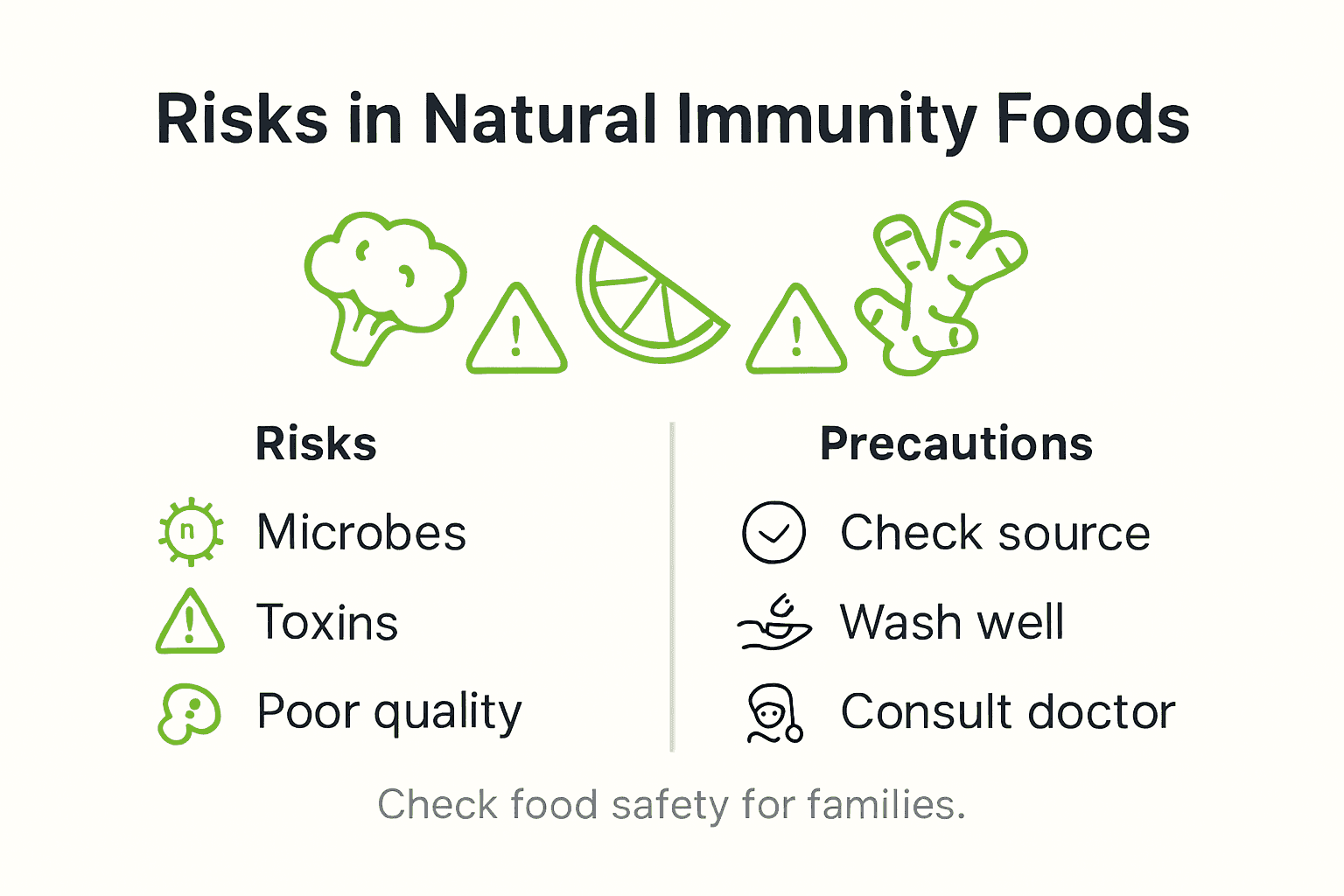
Key risks in natural immunity approaches include microbial contamination, improper agricultural practices, and potential interactions with existing health conditions. Chemical fertiliser overuse, inappropriate harvesting techniques, and inadequate processing can introduce harmful substances that negate the intended health benefits. Some traditional immunity-boosting plants may interact negatively with medications or exacerbate underlying health conditions, making professional medical consultation essential before integrating new supplements or herbal remedies into one’s dietary regime.
Particularly vulnerable populations, such as children, elderly individuals, and those with compromised immune systems, must exercise additional caution. Relying exclusively on natural immunity without professional medical guidance can lead to significant health risks. The misconception that ‘natural’ automatically implies ‘safe’ can be dangerously misleading, as many potent natural substances require careful dosage, preparation, and understanding of individual health contexts.
Pro tip: Always verify the sourcing and quality credentials of natural immunity products, and consult healthcare professionals before making significant dietary changes.
Unlock Natural Immunity with Organic and Clean Nutrition
The journey to stronger immunity starts with embracing natural, nutrient-rich foods that support your body’s defence system as highlighted in the article “Immunity Boosting Foods India”. Many face the challenge of finding authentic, organic, vegan, and gluten-free options without compromising on quality or purity. At Nature’s Soul Shop, we understand the pain points of sourcing clean ingredients that are free from harmful chemicals and perfectly aligned with traditional Indian superfoods like turmeric, amla, and giloy.
Discover how our carefully curated selection of organic fruits, vegetables, dry grocery, and vegan products can help you create wholesome, immunity-boosting meals for your family. Don’t wait to transform your health with trusted natural products that follow the principles of balanced nutrition and sustainability. Take action today by exploring our range and experience the power of nature in every bite at https://naturessoulshop.com. Start your path to healthier living now.
Frequently Asked Questions
What are immunity-boosting foods?
Immunity-boosting foods are natural nutritional powerhouses that enhance the body’s immune functions through a rich composition of essential nutrients, including vitamins, minerals, and antioxidants.
What are some key superfoods that boost immunity in the diet?
Key superfoods include turmeric, amla, giloy, tulsi, ginger, garlic, spinach, and almonds, each providing unique health benefits and nutrients that collectively enhance immune responses.
How can I ensure my family gets a balanced intake of immunity-boosting foods?
Incorporate a variety of colourful fruits and vegetables, aim to create meals with different immunity-boosting superfoods, and practice mindful cooking methods to maximise nutrient absorption for overall health.
Are there vegan and gluten-free options for immunity-boosting foods?
Yes, organic, vegan, and gluten-free options include plant-based sources like quinoa, chia seeds, and millet, which provide essential nutrients without compromising on immune support.


