


Every parent faces that moment when choosing the best for their family’s plate feels confusing, especially with so many options at Delhi markets. Studies show that almost 50 percent of health-conscious parents are now seeking organic and gluten-free ingredients inspired by british nutrition standards for wholesome family meals. This guide simplifies smart ingredient selection, balanced portions, and presentation—offering practical steps tailored for modern families wanting safe and nourishing food every day.
Table of Contents
- Step 1: Select Fresh Organic And Gluten-Free Ingredients
- Step 2: Arrange Balanced Portions From Each Food Group
- Step 3: Prepare Ingredients With Clean Cooking Methods
- Step 4: Verify Nutritional Value And Meal Variety
- Step 5: Serve Attractively For Family Enjoyment
Quick Summary
| Key Point | Explanation |
|---|---|
| 1. Choose fresh, organic ingredients | Select whole foods with organic certification to ensure they are free from synthetic chemicals and gluten. |
| 2. Balance plates with diverse portions | Follow the Eatwell Guide by filling half your plate with fruits and vegetables, a quarter with proteins, and a quarter with carbohydrates. |
| 3. Use clean cooking methods | Opt for techniques like steaming or poaching to preserve nutrients and reduce environmental impact while cooking. |
| 4. Verify nutritional content regularly | Assess the nutritional value of your meals by tracking ingredients’ profiles to ensure dietary variety and balance. |
| 5. Present meals attractively | Enhance dining experiences by serving food in an aesthetically pleasing way, using colour and careful arrangement to make meals inviting. |
Step 1: Select fresh organic and gluten-free ingredients
Selectng the right ingredients forms the foundation of creating a balanced meal that supports your family’s health and wellbeing. Understanding how to choose fresh, organic, and gluten-free components requires careful consideration and knowledge of specific guidelines.
Begin by examining product labels closely. The U.S. Code of Federal Regulations provides strict standards for gluten-free labelling, which means any product claiming to be gluten-free must not contain wheat, rye, barley or derivatives that exceed 20 parts per million of gluten. This regulation ensures safety for individuals with dietary sensitivities.
When shopping, prioritise whole foods from trusted sources. Look for organic certifications that comply with the Organic Foods Production Act, which guarantees the produce has been grown without synthetic chemicals and meets rigorous agricultural standards. Fresh produce like leafy greens, seasonal vegetables, and fruits should form the core of your selections.
Focus on variety and colour when selecting ingredients. Different coloured vegetables provide diverse nutrients, ensuring a well-rounded nutritional profile. Choose ingredients that are vibrant, firm, and free from blemishes. For grains and legumes, opt for certified gluten-free options like quinoa, rice, and lentils.
Expert advice: Always check ingredient lists carefully and cross-reference with reliable gluten-free resources to ensure complete dietary safety.
Step 2: Arrange balanced portions from each food group
Balancing meal portions requires strategic planning to ensure your family receives optimal nutrition across different food categories. Understanding how to distribute ingredients effectively will transform your approach to healthy eating.
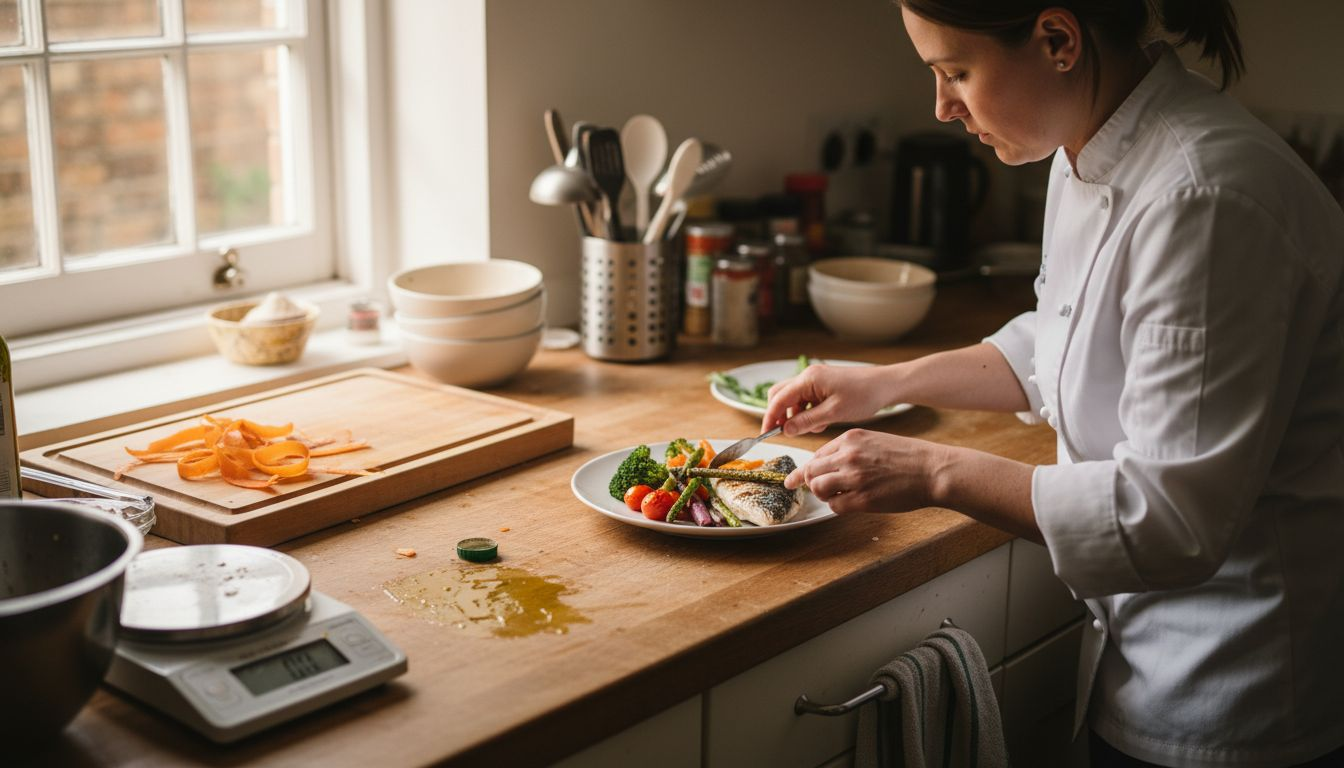
Global dietary guidelines suggest creating meals that incorporate diverse food groups with carefully considered proportions. The key is to visualise your plate as a nutritional canvas, where each section represents a different essential food category. Following the Eatwell Guide’s recommended visual framework, aim to fill approximately half your plate with vibrant fruits and vegetables, a quarter with lean proteins, and the remaining quarter with complex carbohydrates.
Start by selecting a variety of colourful vegetables as your foundation. Leafy greens, bright peppers, and seasonal produce should dominate the largest portion of your plate. Next, choose high-quality proteins such as legumes, fish, or lean meats that complement your vegetable base. Complex carbohydrates like quinoa, brown rice, or sweet potatoes will provide sustained energy and complete your nutritional profile.
Remember that portion sizes can vary based on individual nutritional needs. Consider factors like age, activity level, and specific dietary requirements when arranging your meal. Younger children might need smaller portions, while active adults may require slightly larger servings.
The table below summarises how each food group contributes to optimal meal balance:
| Food Group | Key Nutrients Provided | Suggested Plate Proportion |
|---|---|---|
| Fruits & Vegetables | Vitamins, fibre, antioxidants | Half of the plate |
| Proteins | Amino acids, iron, B12 | One quarter of the plate |
| Complex Carbohydrates | Fibre, B vitamins, energy | One quarter of the plate |
Expert recommendation: Use smaller dinner plates to naturally control portion sizes and create visual balance in your meals.
Step 3: Prepare ingredients with clean cooking methods
Mastering clean cooking methods is essential for preserving nutritional value and minimising environmental impact while preparing healthy meals for your family. The way you cook can significantly influence both the quality of your food and your overall health.
The World Health Organization emphasises the importance of clean cooking techniques that reduce harmful emissions and support sustainable cooking practices. This means selecting cooking methods that minimise air pollution and preserve the natural nutrients in your ingredients. Opt for techniques like steaming, which retains maximum nutritional content, or using electric induction cooktops that offer precise temperature control and energy efficiency.
Begin by selecting cooking equipment that supports clean preparation methods. Choose stainless steel or ceramic cookware without non-stick coatings that might release harmful chemicals. The United Nations Development Programme highlights how clean cooking technologies can significantly improve household health outcomes by reducing exposure to indoor air pollution.
Prioritise low heat and gentle cooking techniques like poaching, blanching, and light sautéing. These methods help preserve the nutritional integrity of your ingredients while minimising the formation of potentially harmful compounds. Ensure your cooking surfaces are clean, and use minimal oil to maintain the natural flavours and nutrients of your fresh ingredients.
Here’s a quick reference comparing suggested cooking methods for maximising nutrition:
| Method | Nutritional Preservation | Environmental Impact | Suitable Ingredients |
|---|---|---|---|
| Steaming | Excellent | Low | Vegetables, fish, poultry |
| Poaching | Very good | Low | Eggs, fruit, chicken |
| Blanching | Good | Very low | Vegetables, leafy greens |
| Light sautéing | Moderate | Moderate | Mixed vegetables, lean meats |
| Roasting | Fair | Moderate | Roots, squash, whole poultry |
Expert recommendation: Invest in a food thermometer to ensure precise cooking temperatures and maintain the nutritional quality of your meals.
Step 4: Verify nutritional value and meal variety
Ensuring your meals provide comprehensive nutrition requires careful assessment of ingredients and overall dietary balance. This step helps you transform meal preparation from simple cooking to intentional nourishment for your family.
Scientific research demonstrates that meal variety significantly enhances nutrient intake and overall dietary quality, supporting better health outcomes across different age groups. Focus on incorporating a diverse range of foods that provide essential vitamins and minerals while maintaining visual appeal and flavour profiles.
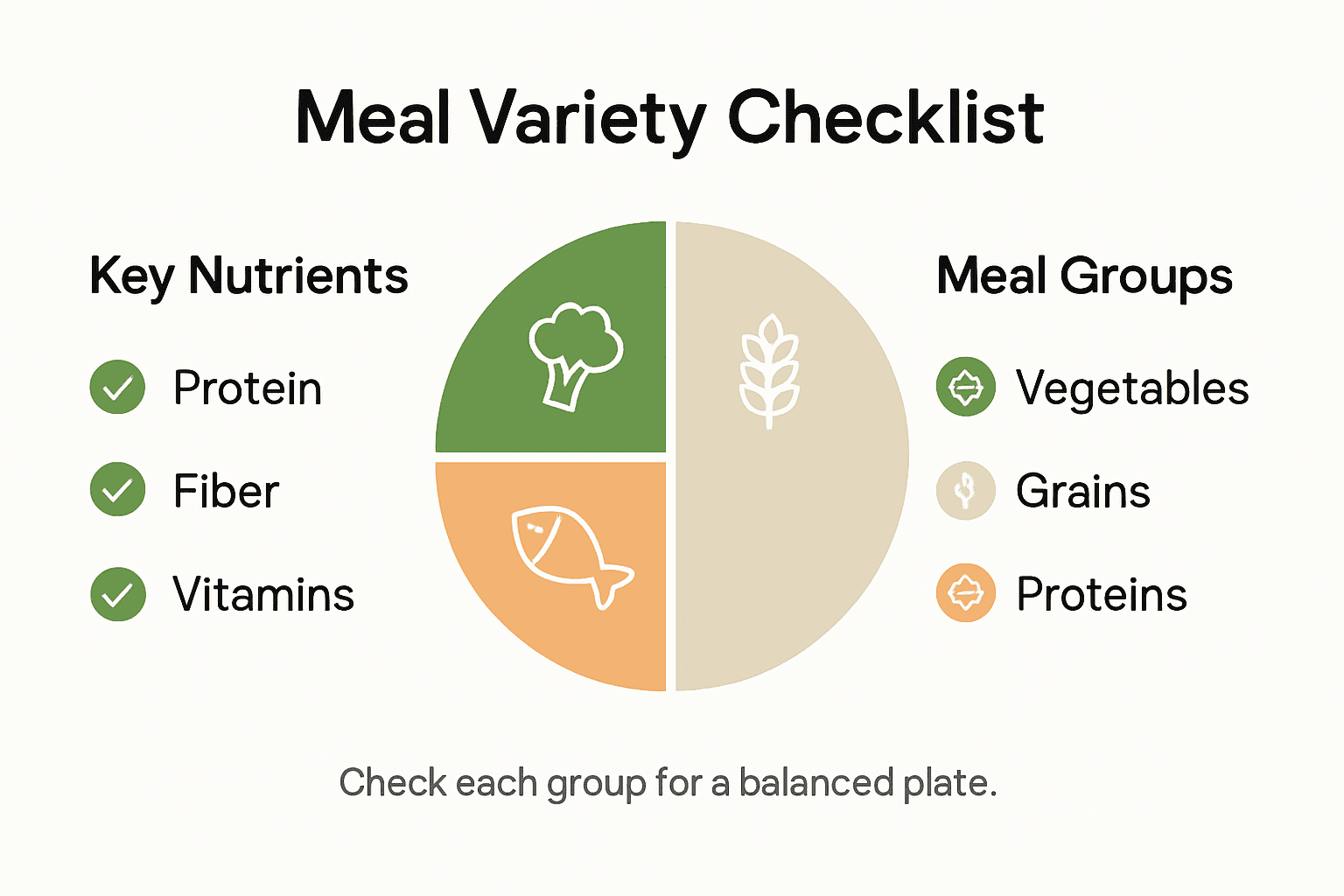
Academic nutrition studies highlight the importance of balancing nutrient density with cultural dietary preferences, suggesting that optimal nutrition goes beyond simple calorie counting. Create a meal assessment checklist that examines protein sources, complex carbohydrates, healthy fats, and micronutrient content. Pay attention to colour variety on your plate as an indicator of nutritional diversity.
Develop a systematic approach to meal verification by tracking your ingredients nutritional profiles. Use digital nutrition apps or reference guides to compare the vitamin and mineral content of your selected ingredients. Consider rotating protein sources and experimenting with different whole grains and vegetables to maintain nutritional complexity and prevent dietary monotony.
Expert recommendation: Photograph your meals periodically to visually track your nutritional variety and identify potential dietary gaps.
Step 5: Serve attractively for family enjoyment
Transforming a meal from mere sustenance to a delightful family experience requires thoughtful presentation and intentional serving techniques. The visual appeal of your carefully prepared meal can significantly enhance everyone’s dining pleasure.
Research from Sheffield University highlights that meal presentation plays a crucial role in family well-being, emphasising how visually appealing dishes contribute to positive emotional experiences. Choose serving plates that complement your meal colours and textures. Consider using white or neutral coloured ceramics that allow the natural vibrancy of your ingredients to shine through, creating an inviting visual landscape.
UNICEF research underscores the importance of meal times as opportunities for family bonding, suggesting that attractive presentation can transform dining into a meaningful shared experience. Arrange food with intention creating height and visual interest on the plate. Use garnishes like fresh herbs or a sprinkle of seeds to add texture and colour contrast. Think about creating small separations between different food groups while maintaining an aesthetically pleasing overall composition.
Consider the sensory experience beyond visual appeal. Ensure serving temperatures are appropriate for each component of the meal. Warm dishes should remain warm, and fresh elements should retain their crispness. Use warmed plates for hot meals and chilled plates for refreshing dishes to enhance the overall dining experience.
Expert recommendation: Involve family members in the plating process to make meal times more interactive and enjoyable.
Create Balanced Meals with Confidence Using Natural and Organic Ingredients
Building a balanced meal naturally requires selecting fresh, organic, and gluten-free ingredients combined with clean cooking methods that preserve nutrition and flavour. If you find it challenging to consistently source trusted produce, lean proteins, and gluten-free options that meet your family’s unique dietary needs, you are not alone. Many seek reliable solutions to achieve the vibrant, well-portioned plates described in the guide.
Nature’s Soul Shop specialises in providing an extensive range of organic fruits, vegetables, lean meats, gluten-free groceries, and vegan options carefully curated to support your wellness journey. Each product aligns with the principles of selecting clean, certified ingredients while helping you arrange balanced portions effortlessly.
Explore the holistic collection at Nature’s Soul Shop today and take the first step towards transforming your family meals into naturally nourishing experiences. Visit clean and organic ingredients to discover how easily you can build variety and nutritional value into every plate. Don’t wait to elevate your cooking with wholesome products that honour both health and taste.
Frequently Asked Questions
How can I choose fresh organic and gluten-free ingredients for my meals?
Selecting fresh organic and gluten-free ingredients starts with examining product labels for certifications. Look for organic produce that meets specific guidelines and prioritise whole foods like fruits and vegetables, ensuring they are vibrant and blemish-free.
What are the recommended portions for each food group in a balanced meal?
Aim to fill half your plate with colourful fruits and vegetables, a quarter with high-quality proteins, and the last quarter with complex carbohydrates. Adjust these portions based on individual nutritional needs, such as age and activity level, to ensure balanced meals.
Which cooking methods help preserve the nutritional value of my meals?
Opt for clean cooking methods like steaming and poaching, as these techniques retain more nutrients and have a lower environmental impact. Use low heat and gentle techniques to maintain the integrity of your ingredients while minimising harmful compounds.
How can I assess the nutritional value of my meals effectively?
Check the nutritional profiles of your ingredients to ensure a well-rounded meal. Create a checklist that includes protein sources, carbohydrates, fats, and vitamins, and aim to incorporate a variety of colours on your plate as a visual indicator of nutrient diversity.
What are some tips for serving meals attractively to enhance family enjoyment?
To serve meals attractively, choose neutral-coloured plates that highlight the vibrancy of your food, and arrange ingredients intentionally to create height and visual interest. Involve family members in the plating process for a more interactive and enjoyable dining experience.
How can I maintain variety in my meals while ensuring nutritional quality?
Rotate your protein sources and experiment with different whole grains and vegetables to keep meals interesting and nutritionally diverse. Keep track of your meals by photographing them, which can help identify any dietary gaps and inspire new combinations.
Recommended
- Plant Based Meal Planning: A Step-by-Step Success Guide – naturessoulshop
- Healthy Family Meal Planning for Balanced Living – naturessoulshop
- Vegan Cooking for Beginners: A Step-by-Step Starter Guide – naturessoulshop
- How to Start Eating Healthy: A Simple Step-by-Step Guide – naturessoulshop
- What foods can you not eat with dental implants? - Albania Dental Implants


