


Mealtime battles with picky eaters leave many parents feeling defeated and worried about their child’s nutrition. Organic foods offer a cleaner, pesticide-free approach that can benefit selective eaters when introduced thoughtfully. This guide provides research-backed strategies to help you gradually encourage your child to accept organic options without pressure or stress. You’ll learn positive techniques that transform mealtimes from frustrating struggles into opportunities for healthy growth.
Table of Contents
- Understanding Picky Eating And Organic Options
- Prerequisites: What You Need Before Starting
- Implement Gradual Exposure To Organic Foods
- Establish A Positive Mealtime Environment
- Common Mistakes And How To Fix Them
- Set Realistic Expectations And Measure Success
- Safety Considerations With Organic And Natural Foods
- How Nature’s Soul Shop Supports Your Organic Journey
- Frequently Asked Questions
Key takeaways
| Point | Details |
|---|---|
| Gradual exposure works | Repeated exposure 15-20 times increases acceptance of organic vegetables by up to 70%. |
| Positive environment matters | Pressure-free mealtimes reduce refusal episodes by 45% and improve food acceptance. |
| Offer limited choices | Giving children choice between two organic options boosts willingness to try by 35%. |
| Patience is essential | Expect meaningful behaviour changes within 3-6 weeks of consistent, gentle practice. |
| Safety and balance | Organic foods lower pesticide exposure whilst maintaining nutritional variety ensures healthy development. |
Understanding picky eating and organic options
Picky eating affects significant numbers of children and creates real nutritional challenges for families. Selective eating patterns typically emerge between ages two and six, when children develop strong food preferences and resistance to new tastes. Parents struggle with meal planning, worry about inadequate nutrition, and experience daily stress around feeding times.
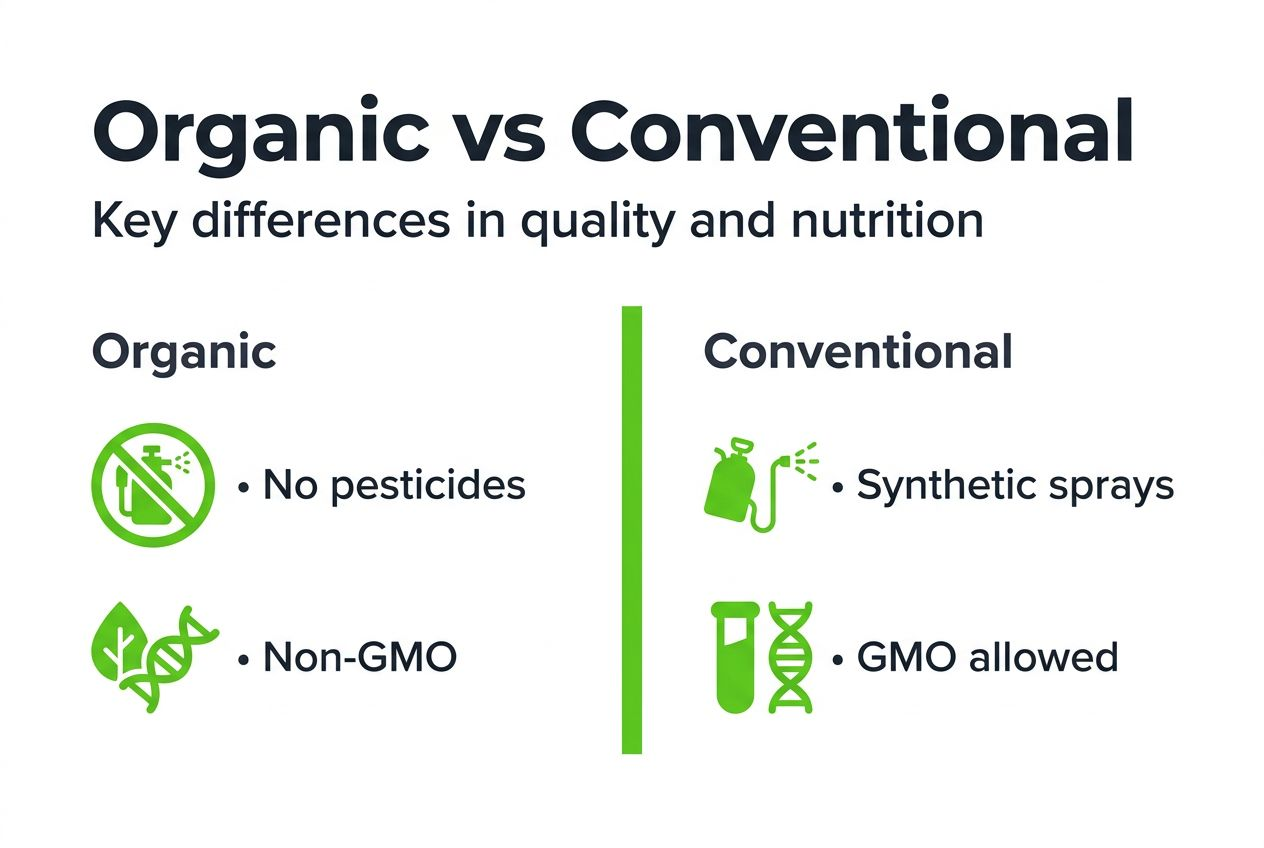
Organic foods provide meaningful advantages for selective eaters. These products contain lower pesticide residues, cleaner ingredient lists, and often superior nutrient profiles compared to conventional alternatives. For children eating limited food varieties, the quality of what they do consume becomes critically important. Understanding organic vs conventional products helps parents make informed choices.
Key differences between organic and conventional foods include:
- Organic produce lacks synthetic pesticides and fertilisers that may affect developing bodies
- Organic meats come from animals raised without routine antibiotics or growth hormones
- Organic dairy products originate from cows fed organic feed without prohibited substances
- Organic processed foods exclude artificial colours, flavours, and preservatives that children often reject
The organic vs conventional farming guide explains production methods in detail. When shopping, the best supermarket for organic food comparison helps identify quality sources. These cleaner options become especially valuable when working with children who eat restricted diets, as every bite must deliver maximum nutritional value without unnecessary chemical exposure.
Prerequisites: what you need before starting
Successful organic feeding strategies require proper preparation. Start by assessing your child’s current dietary patterns, favourite foods, and specific aversions. Document what they willingly eat now, portion sizes, and meal timing preferences. This baseline helps you identify nutritional gaps and plan targeted organic introductions. Understanding nutrition assessment essentials provides foundational knowledge for evaluating dietary adequacy.
Secure access to diverse organic options before beginning. Stock your kitchen with organic fruits, vegetables, whole grains, proteins, and child-friendly snacks. Having variety available prevents frustration when your child rejects initial offerings. Visit farmers’ markets, speciality stores, or reliable online suppliers to build your organic inventory.
Prepare your mealtime environment with appropriate tools:
- Child-sized plates, bowls, and utensils that make eating easier and more appealing
- Comfortable seating at proper height so children can reach their food independently
- Simple table settings free from distractions like screens or toys
- Storage containers for pre-portioned organic snacks readily accessible throughout the day
| Prerequisite | Purpose | Resources Needed |
|---|---|---|
| Dietary assessment | Identify current patterns and gaps | Food diary, nutrition tracker |
| Organic food access | Ensure variety for repeated exposure | Farmers’ markets, online stores |
| Positive environment | Create calm, supportive mealtimes | Child-friendly utensils, proper seating |
| Knowledge base | Understand organic benefits | Research articles, nutrition guides |
Gather educational resources about organic feeding and child nutrition. Read evidence-based articles, consult with paediatricians or dietitians familiar with organic approaches, and join parent communities sharing similar goals. This knowledge equips you to answer your child’s questions and maintain confidence when progress feels slow.
Implement gradual exposure to organic foods
Research demonstrates that repeated exposure 15-20 times increases acceptance of organic vegetables by up to 70%. Children need multiple encounters with new foods before accepting them as familiar and safe. This biological reality requires patience but delivers reliable results when applied consistently.
Blend organic purees with foods your child already accepts. Mix organic vegetable purees into familiar sauces, soups, or smoothies. Start with tiny amounts, gradually increasing the ratio as your child adjusts to subtle taste changes. This stealth approach introduces nutrients whilst minimising rejection.
Offering choice between two options increases willingness to try new foods by 35%. Present your child with two organic vegetables or fruits rather than a single take-it-or-leave-it option. This empowerment reduces power struggles whilst maintaining your control over available choices.
Follow this numbered introduction process:
- Select one new organic food based on your child’s current preferences and mild similarity to accepted items.
- Present a tiny portion alongside familiar foods without expectations for consumption.
- Model eating and enjoying the new food yourself whilst describing its taste and texture positively.
- Allow your child to explore the food through touch, smell, or licking without pressure to eat.
- Repeat exposure at multiple meals over two to three weeks, maintaining a calm, neutral attitude.
- Gradually increase portion size once your child shows interest or willingness to taste.
- Celebrate small victories like touching or tasting without forcing full consumption.
- Move to the next new food only after establishing comfort with the current item.
The switching to organic guide offers additional transition strategies. Incorporate mindful eating tips 2026 principles to build awareness around food choices. Try cooking with seasonal produce steps to involve your child in meal preparation.
Pro Tip: Introduce new organic foods during your child’s best mood times, typically mid-morning or after adequate rest. Avoid attempting new food exposure when they’re tired, overly hungry, or emotionally dysregulated. Consistency matters more than perfection; missing occasional exposures won’t derail progress if you maintain the overall pattern.
Establish a positive mealtime environment
Pressure and coercion increase refusal episodes by 45%, making gentle approaches essential. Avoid bargaining, bribing, or forcing bites. These tactics create negative associations with food and worsen selective eating long-term. Instead, trust that repeated neutral exposure will gradually shift preferences.

Model your own organic food consumption enthusiastically. Children imitate parental behaviour more than they follow instructions. Eat the same organic vegetables you offer your child, verbalise your enjoyment, and demonstrate adventurous eating. Your genuine enthusiasm becomes contagious over time.
Create calm, interactive mealtimes free from distractions:
- Turn off screens, remove toys, and minimise background noise during meals
- Engage in pleasant conversation about topics unrelated to food or eating
- Keep mealtimes reasonably short, typically 20-30 minutes maximum
- Allow your child to leave the table when finished without drama or punishment
Use positive reinforcement strategically. Praise effort rather than outcomes. Comment when your child touches, smells, or shows curiosity about organic foods rather than only rewarding consumption. This approach builds confidence and reduces performance anxiety around eating.
The balanced meal guide helps structure nutritious organic plates. Follow healthy family meal planning principles to create consistent routines. Regular meal timing helps children arrive at the table with appropriate hunger, increasing willingness to try new organic options.
Pro Tip: Establish a consistent pre-meal ritual like washing hands together, setting the table, or lighting a candle. These predictable routines signal mealtime, helping children transition mentally and physically. Consistency in timing and environment reduces anxiety around eating and creates psychological safety for food exploration.
Common mistakes and how to fix them
Introducing multiple new foods simultaneously results in 60% higher rejection rates. Parents eager to expand their child’s diet often overwhelm them with variety. Limit new organic introductions to one item per week. This focused approach allows proper repeated exposure and prevents sensory overload.
Using pressure, coercion, or bribes backfires consistently. Statements like “just try one bite” or “you can have dessert after vegetables” create power struggles and negative food relationships. Replace pressure with patience. Serve organic foods alongside accepted items without comment, allowing natural curiosity to develop.
Ignoring your child’s genuine preferences and fullness cues damages trust. Whilst expanding food variety matters, forcing consumption beyond satiety or dismissing strong aversions causes problems. Respect when your child indicates fullness even if they’ve eaten less than you’d prefer. Distinguish between typical picky eating resistance and genuine distress or sensory issues requiring professional support.
Fixes for common errors:
- Replace simultaneous introductions with sequential, focused exposure to single organic items
- Eliminate food-related rewards, punishments, or bargaining entirely from your approach
- Observe and honour your child’s hunger and fullness signals rather than imposing portion expectations
- Maintain realistic timelines, understanding that meaningful change requires weeks not days
- Seek professional guidance if selective eating severely limits nutrition or causes significant distress
Understanding organic vs conventional differences helps maintain focus on quality over quantity. Remember that eating smaller amounts of nutrient-dense organic foods often provides better nutrition than larger portions of conventional alternatives. Patience and consistency matter more than aggressive expansion attempts.
Set realistic expectations and measure success
Expect meaningful behavioural changes within three to six weeks of consistent practice. Initial progress appears subtle. Your child might touch or smell new organic foods before tasting them. They may accept foods on their plate without consuming them. These steps represent genuine progress toward acceptance.
Recognise signs of improvement:
- Increased willingness to have organic foods on their plate even without eating
- Touching, smelling, or licking new organic items during exploration
- Consuming tiny tastes voluntarily without prompting or pressure
- Gradually increasing quantities of previously rejected organic foods
- Expanding variety by accepting similar foods to those already enjoyed
Track nutritional improvements through observable changes in mood, energy, and overall wellbeing. Children consuming more organic whole foods often show better concentration, stable energy throughout the day, and improved sleep patterns. These indirect markers indicate adequate nutrition beyond simple food acceptance.
| Week | Milestone to Watch | How to Measure |
|---|---|---|
| 1-2 | Tolerance on plate | Child allows organic food present without distress |
| 3-4 | Sensory exploration | Willingness to touch, smell, or interact with food |
| 5-6 | Initial tasting | Voluntary small tastes without pressure |
| 7-8 | Increased quantity | Eating larger portions of accepted organic items |
Celebrate small wins enthusiastically. Each tiny step toward organic food acceptance deserves recognition. Avoid comparing your child’s progress to siblings or peers, as individual timelines vary considerably. Maintain perspective that building healthy eating patterns benefits lifelong wellness, making short-term patience worthwhile.
Safety considerations with organic and natural foods
Organic foods reduce pesticide exposure, lowering neurodevelopmental risks for growing children. Conventional produce often carries residues from multiple pesticides, some linked to cognitive and behavioural concerns. For picky eaters consuming limited food varieties, choosing organic versions of their accepted foods provides important protection.
Ensure balanced nutrition despite selective eating:
- Offer protein sources at each meal even if your child eats small amounts
- Include healthy fats from organic nuts, seeds, avocados, or quality oils for brain development
- Provide calcium through organic dairy, fortified alternatives, or leafy greens
- Consider age-appropriate supplements after consulting healthcare providers if diet remains severely restricted
Wash all organic produce thoroughly despite lower pesticide levels. Organic foods can still carry soil bacteria, natural contaminants, or handling residues. Rinse fruits and vegetables under running water, using a brush for firm produce. This simple step prevents foodborne illness without compromising organic benefits.
Remember that organic certification means foods meet specific production standards but doesn’t guarantee they’re automatically more nutritious or safer in every way. Focus on variety within organic choices, proper handling, and balanced nutrition rather than assuming organic alone solves all feeding challenges.
The building balanced organic meals guide ensures nutritional adequacy. Store organic foods properly to maintain freshness and prevent spoilage. Many organic products lack synthetic preservatives, requiring careful storage and timely consumption. Check expiration dates, refrigerate promptly, and monitor for signs of spoilage more vigilantly than with conventional alternatives.
How nature’s soul shop supports your organic journey
Transforming your picky eater’s relationship with food becomes easier when you have access to quality organic options tailored for families. Nature’s Soul Shop specialises in organic and natural products across all categories, from fresh produce and pantry staples to child-friendly snacks made with clean ingredients.
Our curated selection includes healthy organic snacks perfect for gradual exposure strategies. Try the Namak Para jowar gluten free snack as a crunchy, wholesome option many selective eaters enjoy. Beyond food, we offer complementary organic lifestyle products like the Rose Bergamol skin cream, supporting your family’s complete wellness journey. Explore our range to discover organic solutions that make feeding your picky eater simpler and more successful.
Frequently asked questions
How many times should I expose my picky eater to a new organic food before acceptance?
Research indicates 15-20 exposures significantly increase acceptance, with some children requiring even more attempts. Be patient and maintain consistency in offering new organic foods without pressure. Each exposure counts even if your child doesn’t taste the food, as familiarity builds through repeated visual and olfactory encounters.
Is it safe to rely solely on organic foods for my picky eater’s nutrition?
Organic foods offer advantages regarding pesticide exposure but balanced nutrition remains essential regardless of organic status. Ensure your child receives adequate protein, healthy fats, carbohydrates, vitamins, and minerals through varied organic choices. Monitor nutritional gaps with professional guidance if selective eating severely restricts intake, as supplements may become necessary.
What is the best way to encourage my child to try new organic foods without pressure?
Create calm, positive mealtime settings whilst avoiding coercion, bribing, or bargaining around food. Model enthusiastic consumption of organic foods yourself, as children imitate parental behaviour powerfully. Offer choices between two new organic options to empower your child whilst maintaining control over available selections.
How long does it usually take to see improvements in picky eating behaviour?
Behaviour change typically appears within three to six weeks of consistent, gentle practice. Initial progress manifests as increased tolerance, sensory exploration, or small voluntary tastes rather than immediate full acceptance. Maintain realistic expectations and celebrate incremental improvements, understanding that lasting change requires patience and sustained effort over months.
Recommended
- Mindful Eating Tips 2026: Cut Snacking by 30% with Organics – naturessoulshop
- Switching to Organic: Step-by-Step Guide for Healthier Living – naturessoulshop
- How to Build a Balanced Meal Naturally for Families – naturessoulshop
- Healthy Family Meal Planning for Balanced Living – naturessoulshop
- Artificial Sweeteners & Gut Health: What a 12-Month Trial Found - Mindset Over Menu


