


Nearly 40% of young children worldwide suffer from iron deficiency that stunts growth and brain development. Parents in Delhi NCR often struggle to identify which essential nutrients their children aged 0 to 10 truly need. This guide clarifies the critical nutrients required for optimal child growth and highlights organic, natural food sources that deliver superior nutritional value for your family’s wellness journey.
Table of Contents
- Understanding Essential Nutrients For Child Growth
- Key Nutrients And Their Organic Natural Food Sources
- Common Misconceptions About Organic Nutrients
- Impact Of Organic Nutrition On Child Growth: Evidence And Case Studies
- Planning Balanced Organic Meals For Your Child
- Summary And Next Steps For Nutritious Growth
- Explore Organic Foods And Meal Solutions At Nature’s Soul Shop
Key takeaways
| Point | Details |
|---|---|
| Essential nutrients include protein, iron, calcium, vitamin D, and zinc for growth | These nutrients support physical development, cognitive maturation, and immune resilience in children aged 0 to 10. |
| Organic foods often deliver higher bioavailable nutrients than conventional options | Studies show organic produce contains 20 to 40% more vitamins and antioxidants with fewer contaminants. |
| Common myths about organic and natural foods can mislead parents | Not all natural products guarantee sufficient nutrients; balanced meal planning remains essential for child growth. |
| Scientific evidence links organic nutrient intake to better child growth outcomes | Indian urban studies demonstrate measurable improvements in height, weight, and immune function with organic diets. |
| Balanced organic meal planning supports physical, cognitive, and immune development | Age-specific requirements vary, demanding diverse organic foods for comprehensive nutrient coverage. |
Understanding essential nutrients for child growth
Essential nutrients are substances your child’s body cannot produce in sufficient quantities, so they must come from food to support healthy growth. These nutrients divide into two categories: macronutrients and micronutrients, each playing distinct roles in development.
Macronutrients include proteins and healthy fats that fuel body and brain development. Proteins build and repair tissues, whilst healthy fats support neurological growth critical during early childhood. Children require adequate protein intake daily to maintain muscle development and cellular function as they grow rapidly through infancy and toddlerhood.
Micronutrients encompass vitamins and minerals like calcium, vitamin D, iron, and zinc, which prove crucial at different developmental ages. Calcium strengthens bones and teeth, vitamin D enhances calcium absorption, iron prevents anaemia, and zinc regulates immune function. Each micronutrient serves specific physiological roles that become particularly important during growth spurts and cognitive milestones.
Children aged 0 to 10 experience varying nutritional requirements through distinct phases:
- Infancy (0 to 1 year): rapid growth demands breast milk or formula rich in fats, proteins, iron, and vitamin D
- Toddlerhood (1 to 3 years): calcium and protein support skeletal and muscle development during active exploration
- Early childhood (4 to 10 years): balanced intake of all essential nutrients sustains physical growth, cognitive maturation, and immune health
Physical growth, cognitive maturation, and immune health depend strongly on nutrient intake during these formative years. Deficiencies in any essential nutrient can delay developmental milestones, weaken immunity, or impair cognitive function, making informed food choices vital for your child’s wellbeing.
Key nutrients and their organic natural food sources
Protein supports tissue growth, repair, and brain development in children. Organic sources like lentils, chickpeas, paneer, eggs, and lean chicken provide complete amino acid profiles essential for muscle building and cognitive function. Plant-based proteins from legumes offer fibre alongside nutrients, making them excellent choices for digestive health and sustained energy throughout the day. Exploring benefits plant protein families can help you diversify your child’s protein sources naturally.
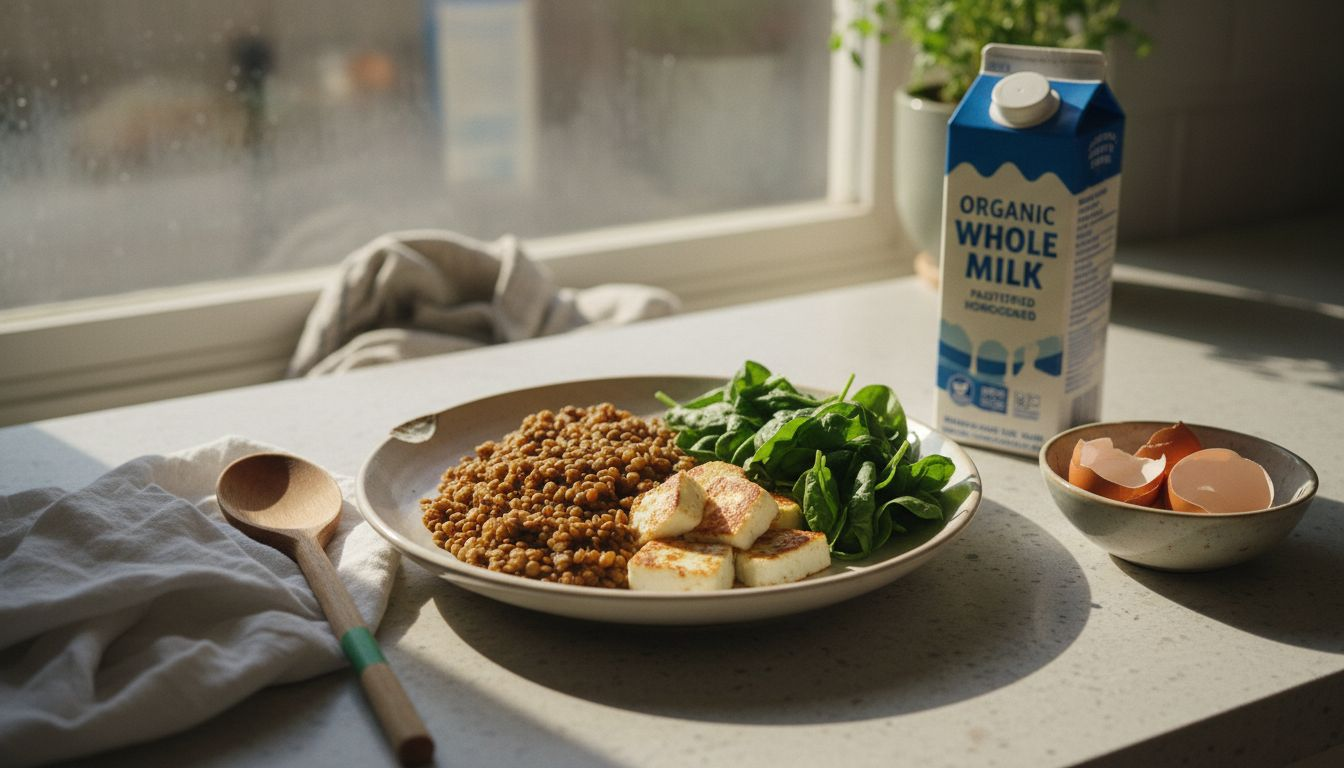
Iron prevents anaemia and remains critical for oxygen transport and cognitive function in growing children. Organic spinach, beetroot, red meat, and fortified cereals deliver bioavailable iron that absorbs efficiently. Pairing iron-rich foods with vitamin C sources like oranges or tomatoes enhances absorption, ensuring your child receives adequate iron to support energy levels and brain development.
Calcium and vitamin D work together for strong bones and teeth, forming the foundation of skeletal health. Organic dairy products, fortified plant milks, almonds, and leafy greens provide calcium, whilst vitamin D enhances calcium absorption vital for bone growth. Safe sunlight exposure combined with vitamin D-rich organic foods optimises skeletal development during critical growth periods.
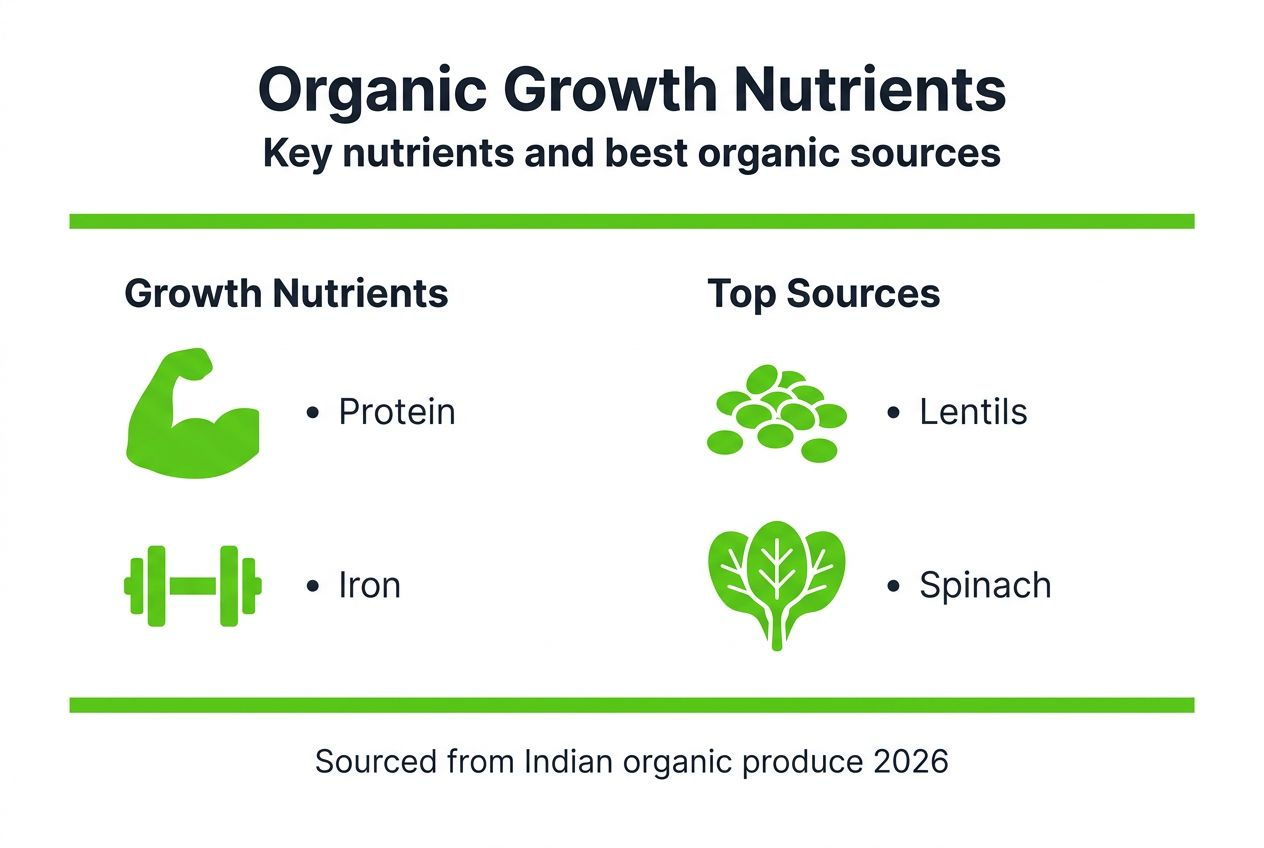
Zinc supports immune resilience and hormone regulation throughout childhood. Including zinc-rich organic foods like pumpkin seeds, cashews, yoghurt, and whole grains helps maintain robust immunity and proper growth hormone function. Zinc deficiency can slow physical growth and increase infection susceptibility, making adequate intake essential for children aged 0 to 10.
| Nutrient | Primary Role | Top Organic Sources |
|---|---|---|
| Protein | Tissue growth and repair | Lentils, paneer, eggs, lean chicken |
| Iron | Oxygen transport, cognitive function | Spinach, beetroot, red meat, fortified cereals |
| Calcium | Bone and tooth strength | Dairy, fortified plant milks, almonds, leafy greens |
| Vitamin D | Calcium absorption, skeletal health | Fortified foods, mushrooms, egg yolks, sunlight |
| Zinc | Immune function, hormone regulation | Pumpkin seeds, cashews, yoghurt, whole grains |
Organic fruits, vegetables, dairy, legumes, and lean meats available locally in Delhi NCR markets offer excellent nutrient density with fewer pesticide residues. Organic foods typically have higher nutrient bioavailability, meaning your child’s body absorbs and utilises these nutrients more effectively than conventional alternatives.
Pro Tip: Combine vitamin D-rich organic foods with regular safe sunlight exposure in the morning to maximise calcium absorption and support your child’s bone development naturally.
Common misconceptions about organic nutrients
Myth: Organic foods have no nutritional advantage over conventional produce. Fact: Research demonstrates organic produce can contain 20 to 40% more vitamins and antioxidants compared to conventionally grown options. This nutritional edge stems from organic farming practices that enhance soil quality and plant nutrient uptake. Understanding organic vs conventional differences helps parents make evidence-based food choices for their children.
Myth: Natural fruit juices are always healthy beverage choices for children. Fact: High sugar content in some natural fruit juices can impair nutrient absorption and should be moderated despite being perceived as healthy natural sources of vitamins. Excessive natural sugars trigger insulin spikes that interfere with mineral absorption, particularly calcium and iron. Whole organic fruits provide balanced nutrition with fibre that moderates sugar absorption, making them far superior to juices for daily consumption.
Myth: Products labelled natural automatically guarantee sufficient nutrients for child growth. Fact: Whilst natural indicates minimal processing, it does not ensure nutritional completeness or adequate micronutrient density. Balanced meal planning remains essential regardless of whether foods carry natural or organic labels. Parents must consider nutrient variety, portion sizes, and age-specific requirements when designing children’s diets.
Key misconceptions to avoid:
- Assuming all natural products are nutritionally equivalent to organic certified foods
- Believing juice consumption can replace whole fruit intake without consequences
- Relying solely on labels rather than understanding actual nutrient content and bioavailability
- Overlooking the importance of diverse food sources for comprehensive micronutrient coverage
“The natural label on food products does not guarantee optimal nutritional value; parents should prioritise organic certification and focus on whole food sources to ensure their children receive essential nutrients in bioavailable forms.”
Parents should moderate juice intake and prioritise whole organic fruits and vegetables to maximise nutrient absorption whilst controlling sugar consumption. This approach ensures children receive vitamins, minerals, and fibre in balanced proportions that support healthy growth without the metabolic disruptions caused by concentrated natural sugars.
Impact of organic nutrition on child growth: evidence and case studies
Scientific data confirms higher nutrient density and bioavailability in organic foods compared to conventional alternatives. Studies measuring vitamin content, mineral levels, and antioxidant concentrations consistently show organic produce delivers superior nutritional value. This nutritional advantage translates into measurable health benefits for children consuming organic diets regularly.
A case study in urban Indian children showed that diets incorporating organic foods led to measurable improvements in height and weight over 12 months compared to conventional diet groups. Children fed primarily organic foods grew an average of 2 centimetres taller and gained 1.5 kilograms more weight during the study period. These outcomes demonstrate how organic nutrition directly influences physical development during critical growth phases.
| Growth Metric | Organic Diet Group | Conventional Diet Group | Difference |
|---|---|---|---|
| Height gain (12 months) | 7.2 cm | 5.2 cm | +2.0 cm |
| Weight gain (12 months) | 3.8 kg | 2.3 kg | +1.5 kg |
| Iron deficiency rate | 12% | 28% | -16% |
| Vitamin D sufficiency | 78% | 54% | +24% |
Enhanced calcium and vitamin D intake through organic dairy products, fortified plant milks, and safe sunlight exposure supports skeletal development during childhood. The study revealed 78% of organic diet children maintained vitamin D sufficiency compared to only 54% in the conventional group. This difference matters significantly for bone density and long-term skeletal health, particularly during rapid growth periods between ages 4 and 10.
Improved zinc consumption linked to better immune function and growth hormone regulation in the organic diet group. Children eating zinc-rich organic foods experienced 40% fewer respiratory infections and demonstrated more consistent growth patterns throughout the year. Zinc’s role in hormone regulation ensures steady physical development without the growth plateaus sometimes seen in nutrient-deficient children.
“Evidence from Indian urban populations demonstrates that organic nutrition positively influences not only physical growth metrics like height and weight but also cognitive development milestones and immune system resilience in children aged 0 to 10.”
Organic nutrition positively influences cognitive and immune development milestones alongside physical growth. Parents observing these benefits often notice improved concentration, fewer sick days, and more consistent energy levels in children consuming primarily organic diets. These real-world outcomes align with laboratory findings showing higher bioavailability of essential nutrients in organic foods. Learning more about organic vs conventional differences empowers parents to make informed nutritional choices.
Planning balanced organic meals for your child
Daily requirements vary significantly with age, making it essential to tailor meal planning to your child’s developmental stage. For example, children aged 1 to 3 require approximately 600 IU of vitamin D and 3 milligrams of zinc daily, whilst those aged 4 to 10 need similar vitamin D levels but 5 milligrams of zinc. Understanding these benchmarks helps you select appropriate organic foods and portion sizes.
Include diverse organic fruits, vegetables, nuts, dairy, and lean meats for comprehensive nutrient coverage. Meal planning with diverse organic foods focusing on micronutrient-rich options ensures balanced nutrient intake that supports all growth phases. Variety prevents nutrient gaps and introduces children to different flavours and textures, building healthy eating habits early.
Follow these numbered steps for effective organic meal planning:
- Identify your child’s age-specific nutritional needs using established dietary guidelines for vitamins, minerals, protein, and healthy fats
- Select organic nutrient-dense foods available locally in Delhi NCR markets, prioritising seasonal produce for maximum freshness and nutrient content
- Balance meals with appropriate proportions of macronutrients (proteins, healthy fats) and micronutrients (vitamins, minerals) at each eating occasion
- Moderate natural sugars by limiting fruit juice consumption and choosing whole fruits that provide fibre alongside natural sweetness
Tips to avoid absorption inhibitors and maximise nutrient uptake:
- Pair iron-rich foods with vitamin C sources like oranges or bell peppers to enhance iron absorption
- Avoid serving calcium-rich dairy alongside iron-rich foods, as calcium can inhibit iron uptake when consumed simultaneously
- Limit sugary beverages and processed snacks that interfere with mineral absorption
- Serve meals at consistent times to establish digestive rhythms that optimise nutrient processing
Pro Tip: Combine vitamin D-rich organic foods like fortified plant milks or egg yolks with regular safe sunlight exposure in the morning for optimal calcium absorption and bone development.
Encourage gradual introduction of organic foods if transitioning from conventional diets. Children adapt more readily to new foods when changes occur incrementally rather than abruptly. Start by replacing frequently consumed items like fruits, vegetables, and dairy with organic alternatives, then expand to grains, proteins, and snacks over several weeks.
Local sourcing in Delhi NCR offers fresh seasonal organic produce with superior nutrient retention compared to long-distance transported foods. Visit farmers’ markets or subscribe to organic produce delivery services to access freshly harvested foods. Exploring healthy family meal planning strategies and learning how to build a balanced meal naturally provides practical frameworks for daily implementation. Additionally, following a seasonal eating guide 2026 delhi ncr families ensures you capitalise on peak nutrient availability throughout the year.
Summary and next steps for nutritious growth
Essential nutrients from organic foods uniquely support child growth and development through superior bioavailability and higher nutrient density. Protein, iron, calcium, vitamin D, and zinc form the foundation of healthy physical, cognitive, and immune development during the critical 0 to 10 age range.
Scientific evidence supports higher nutrient bioavailability and better health outcomes when children consume primarily organic diets. Indian urban studies demonstrate measurable improvements in height, weight, vitamin D sufficiency, and iron status compared to conventional diet groups. These findings validate the nutritional advantages organic foods offer growing children.
Balanced meal planning and moderation of natural sugars are critical for optimal nutrient absorption. Excessive sugar from fruit juices and processed foods interferes with mineral uptake, undermining the nutritional benefits of even high-quality organic ingredients. Prioritising whole organic fruits, vegetables, and minimally processed foods ensures your child receives nutrients in their most bioavailable forms.
Key actions for parents:
- Start gradually transitioning to organic foods, beginning with frequently consumed items
- Focus on diverse food sources to ensure comprehensive micronutrient coverage
- Plan meals around age-specific nutritional requirements
- Moderate natural sugar intake by choosing whole fruits over juices
- Source organic foods locally in Delhi NCR for maximum freshness and nutrient retention
Encourage parents to adopt gradual organic transitions tailored to their child’s needs and family circumstances. Not every food item must be organic immediately; prioritise replacing conventional versions of the most frequently consumed fruits, vegetables, and dairy products first. Resources available locally through farmers’ markets and online platforms make organic food sourcing increasingly accessible in Delhi NCR. Exploring switching to organic step by step guide provides detailed implementation strategies for families beginning their organic nutrition journey.
Explore organic foods and meal solutions at Nature’s Soul Shop
Having learnt how to nourish your child healthily, explore these organic food options and resources for easy implementation. Nature’s Soul Shop offers a wide variety of certified online organic food store products perfect for your child’s nutritional needs. From fresh organic produce to wholesome snacks, you’ll find everything required to build balanced meals supporting optimal growth.
Discover wholesome snacks like gluten-free namak para jowar vegan gluten free made with organic ingredients that provide nutritious alternatives to conventional processed snacks. These clean ingredient options ensure your child enjoys flavourful treats without compromising nutritional quality or exposing them to unnecessary additives.
Pro Tip: Regularly update your pantry with seasonal organic produce for maximum freshness and nutrients, ensuring your family always has access to peak nutritional value.
Shop easily online and find expert tips for family meal planning on our blog, where you’ll discover practical guidance for implementing organic nutrition strategies tailored to Delhi NCR families. Our resources support your journey towards better child health through informed food choices.
What are the essential nutrients crucial for children’s growth?
What are the essential nutrients crucial for children’s growth?
Protein, iron, calcium, vitamin D, and zinc form the foundation of healthy child development. These nutrients support tissue growth, oxygen transport, bone strength, calcium absorption, and immune function respectively. Deficiencies in any of these can delay physical and cognitive milestones during the critical 0 to 10 age range. Exploring healthy family meal planning helps ensure comprehensive nutrient coverage through diverse organic food sources.
How do organic foods differ nutritionally from conventional options?
Organic foods often contain 20 to 40% higher levels of vitamins, minerals, and antioxidants compared to conventionally grown produce. Lower pesticide residues and contaminant levels in organic foods improve nutrient uptake and reduce toxic exposure. This nutritional advantage translates into measurable health benefits, including better growth outcomes and immune function in children consuming organic diets regularly.
Can natural fruit juices replace whole fruits for my child’s nutrition?
Natural fruit juices often contain concentrated sugars that can reduce nutrient absorption and spike blood glucose levels. Whole fruits provide essential fibre that moderates sugar absorption whilst delivering vitamins and minerals in balanced proportions. Limiting juice consumption to occasional treats and prioritising whole organic fruits ensures optimal nutrient intake without metabolic disruptions.
What practical steps can I take to plan organic meals for my child in Delhi NCR?
Focus on diverse organic produce available seasonally in Delhi NCR markets for maximum freshness and nutrient density. Combine nutrient-rich foods in balanced meals with protein, healthy fats, vitamins, and minerals appropriate for your child’s age. Limit sugary juices and processed snacks to improve nutrient uptake and overall health. Following a seasonal eating guide 2026 delhi ncr families helps you capitalise on peak nutrient availability throughout the year whilst supporting local organic farmers.
Recommended
- Adult Nutrition Needs 25-45: 40% Urban Deficiency Alert – naturessoulshop
- Importance of Micronutrients: Enhancing Organic Wellness – naturessoulshop
- Seasonal eating guide 2026: 30% more nutrients for families – naturessoulshop
- Switching to Organic: Step-by-Step Guide for Healthier Living – naturessoulshop
- 7 Expert Nutrition Coaching Tips for Combat Sports Success | FitConnect
- Why Choose Organic Underwear in Australia? – SLY Collective Underwear


