


Despite earnest efforts to eat well, up to 40% of urban adults in India face iron deficiency, leaving many feeling tired and unwell without understanding why. If you live in Delhi NCR and struggle with energy or wellness despite your diet attempts, you’re not alone. This guide clarifies essential nutrients, reveals realistic organic food benefits, and provides a sustainable framework to optimize your wellness through evidence-based nutrition.
Table of Contents
- Understanding Essential Nutrients For Adults
- Benefits Of Organic Foods For Nutritional Quality
- Common Misconceptions In Adult Nutrition
- Nutritional Challenges For Adults In Urban Environments
- Nutritional Framework For Adults Using Organic Ingredients
- Sustainable Diet Planning With Organic Foods
- Summary And Practical Takeaways
- Optimize Your Nutrition With Nature’s Soul Shop
Key Takeaways
| Point | Details |
|---|---|
| Adult nutrient gaps | Urban Indians face widespread iron and vitamin D deficiencies impacting daily wellness and immunity. |
| Organic benefits clarified | Organic produce contains 20-40% more antioxidants but isn’t universally superior across all nutrients. |
| Nutritional misconceptions | Excess protein harms kidneys; balanced diversity matters more than solely choosing organic. |
| Practical framework | Structured meal planning using organic ingredients targets immunity, mental health, and sustainability. |
Understanding Essential Nutrients for Adults
Your body demands specific nutrients daily to power metabolism, immunity, and mental clarity. Confusion about requirements often leaves you second-guessing your food choices.
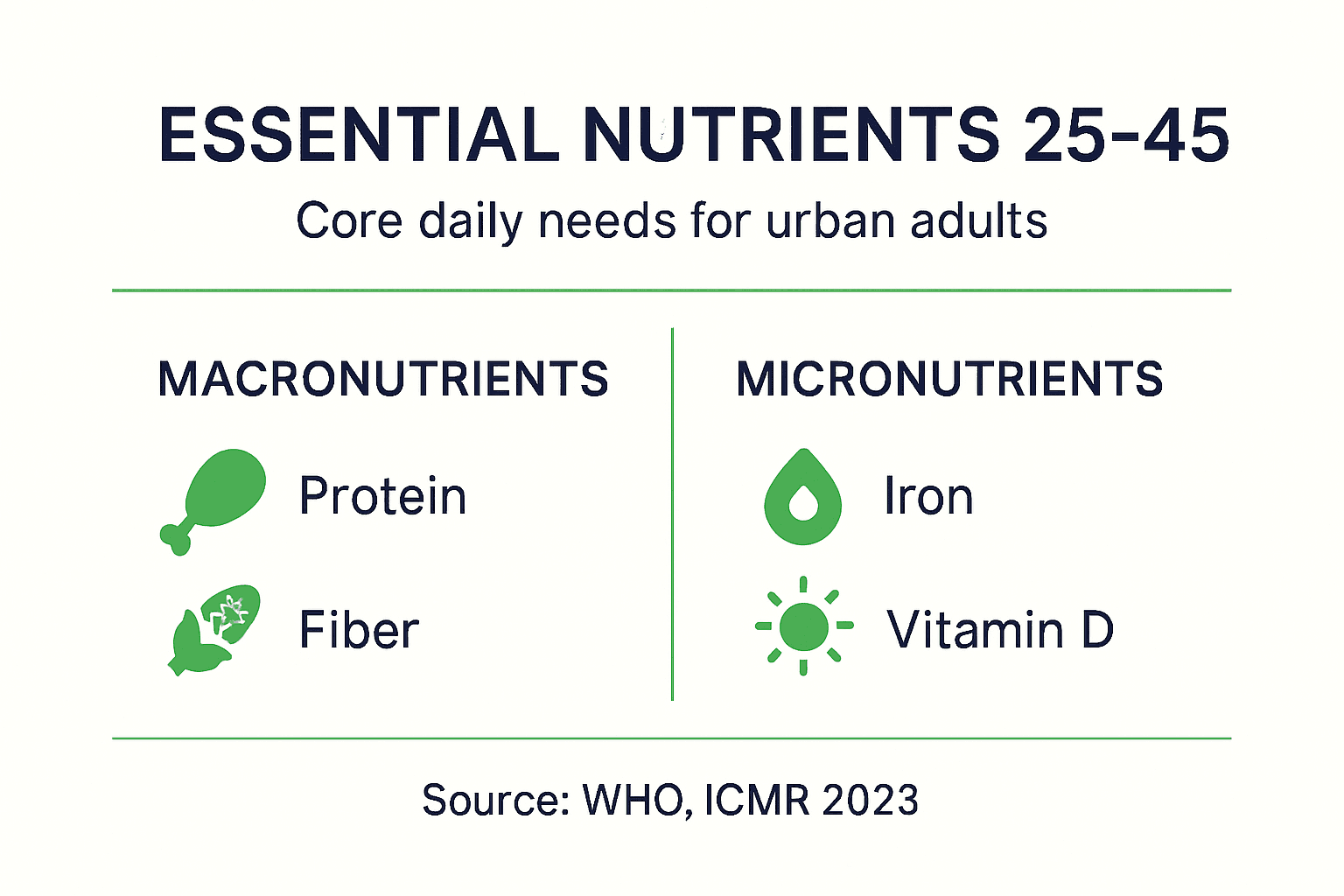
Adults aged 25-45 require specific daily nutrient intakes to maintain metabolic and cognitive functions. Women need 46g protein daily, men 56g. Fiber intake should reach 25-30g to support digestion and gut health. Vitamin D at 600 IU daily strengthens bones and immune response, while iron requirements vary: 18mg for menstruating women, 8mg for men.
Omega-3 fatty acids improve cognitive function and reduce inflammation when consumed at 600-1000mg EPA/DHA daily. These healthy fats support brain health, mood regulation, and cardiovascular wellness.
Essential Daily Nutrient Targets for Adults 25-45
| Nutrient | Daily Amount | Primary Function |
|---|---|---|
| Protein | 46-56g | Tissue repair, enzyme production |
| Fiber | 25-30g | Digestive health, blood sugar control |
| Vitamin D | 600 IU | Bone strength, immune support |
| Iron | 8-18mg | Oxygen transport, energy |
| Omega-3 | 600-1000mg | Brain function, inflammation control |
Pro Tip: Track your nutrient intake for three days to identify gaps before making dietary changes. Most adults discover they underconsume fiber and vitamin D while overestimating protein needs.
Understanding the organic food meaning helps you make informed choices. For comprehensive guidance, review the Dietary Guidelines for Adults to align your intake with expert recommendations.
Benefits of Organic Foods for Nutritional Quality
Organic foods promise cleaner eating, but understanding their real nutritional impact prevents unrealistic expectations and wasted money.
Organic crops contain 20-40% higher antioxidant levels than conventional produce. Antioxidants combat oxidative stress, reduce inflammation, and support cellular health. Pesticide absence in organic farming improves food safety by eliminating chemical residue exposure, particularly important for foods eaten with skin like apples or leafy greens.
However, nutritional differences vary by nutrient and aren’t universally significant. Protein, carbohydrate, and most vitamin content remain comparable between organic and conventional options. The benefits concentrate in specific antioxidants like polyphenols and flavonoids.
Organic vs Conventional: Nutritional Reality Check
| Nutrient Category | Organic Advantage | Consideration |
|---|---|---|
| Antioxidants | 20-40% higher | Significant for berries, leafy greens |
| Pesticide residue | Absent/minimal | Major safety benefit |
| Protein content | No difference | Choose based on other factors |
| Vitamins B/C | Minimal difference | Variable by crop type |
| Minerals | Slight variation | Depends on soil quality |
Organic status doesn’t automatically guarantee superior nutrition. Your overall dietary diversity matters more than exclusively buying organic. Prioritize organic for produce with high pesticide exposure and conventional for thick-skinned items you peel.
Pro Tip: Focus your organic budget on the “Dirty Dozen” produce items that typically carry highest pesticide residues like strawberries, spinach, and apples.
Explore detailed organic vs conventional differences to refine your shopping priorities. Review the organic antioxidants meta-analysis for scientific evidence supporting antioxidant benefits.
Common Misconceptions in Adult Nutrition
Widespread nutrition myths undermine your wellness efforts and waste resources on ineffective strategies.
More protein isn’t always better. Excessive protein can stress kidneys and is unnecessary beyond moderate requirements of 0.8-1.0g per kg body weight. Most Delhi NCR adults already consume adequate protein; adding supplements or excessive meat risks kidney strain without added benefit.
Not all organic foods are nutritionally superior. While organic produce offers antioxidant and safety advantages, organic processed foods still contain sugar, salt, and calories. An organic cookie remains a cookie. Focus on whole, minimally processed organic ingredients rather than packaged organic snacks.
Relying solely on organic foods risks missing nutrient diversity. If organic availability limits your produce variety, you sacrifice important phytonutrients found across different plant families. A varied conventional diet often outperforms a limited organic one nutritionally.
Key Misconceptions to Avoid:
- Believing high protein intake accelerates fitness results beyond 1.6g/kg body weight
- Assuming organic certification guarantees comprehensive nutritional superiority
- Restricting food choices to only organic options at expense of dietary variety
- Thinking organic processed foods are health foods
- Ignoring preparation methods that destroy nutrients regardless of organic status
Balanced, varied eating alongside strategic organic choices delivers optimal nutrition. Learn more about organic food myths debunked to avoid costly mistakes. Review the organic food misconceptions study for evidence-based clarity.
Nutritional Challenges for Adults in Urban Environments
Delhi NCR’s urban lifestyle creates specific nutritional hurdles that generic diet advice fails to address.
Urban adults face 40% iron deficiency and 30% vitamin D deficiency prevalence in India. Iron deficiency causes fatigue, weakened immunity, and reduced work performance. Vitamin D deficiency undermines bone health and immune function, especially concerning given limited sun exposure in office environments.

Processed foods dominate urban diets, reducing nutrient quality through refined grains, added sugars, and unhealthy fats. Convenience eating patterns sacrifice fresh produce for packaged meals lacking essential vitamins and minerals. Limited access to diverse fresh foods in urban markets challenges adequate nutrition, with seasonal variety restricted by supply chains.
Urban Nutritional Challenges:
- High processed food consumption reduces micronutrient intake
- Indoor work environments limit vitamin D synthesis from sunlight
- Stress and irregular eating patterns impair nutrient absorption
- Air pollution increases oxidative stress, raising antioxidant needs
- Limited time for meal preparation encourages nutrient-poor convenience foods
Critical Statistic: Up to 40% of urban Indian adults suffer iron deficiency, directly impacting energy, cognitive function, and quality of life.
Environmental factors compound dietary challenges. Air pollution increases your body’s antioxidant requirements to combat oxidative damage. Sedentary lifestyles reduce appetite regulation, making portion control harder. These urban realities demand tailored nutritional strategies beyond standard recommendations.
Discover practical solutions in our local produce buying guide to overcome access challenges. Review the WHO India Micronutrient Report to understand deficiency prevalence and impacts.
Nutritional Framework for Adults Using Organic Ingredients
A structured approach transforms nutritional knowledge into daily wellness through strategic meal planning with organic ingredients.
Recommended macronutrient distribution and omega-3 integration improve mental and immune health when balanced properly. Aim for 45-65% calories from carbohydrates, 10-35% from protein, and 20-35% from healthy fats. This balance sustains energy, supports tissue repair, and maintains hormonal function.
Incorporate omega-3 fatty acids daily through organic flaxseeds, walnuts, or fatty fish. These essential fats reduce inflammation, support cognitive function, and protect cardiovascular health. Use antioxidant-rich organic fruits and vegetables as dietary foundation, prioritizing deeply colored options like berries, leafy greens, and orange vegetables.
Building Your Organic Nutrition Framework:
- Assess current intake using a three-day food diary tracking all meals and snacks
- Identify nutrient gaps by comparing your intake to recommended daily targets
- Select organic priorities focusing on produce with high pesticide exposure
- Plan balanced plates with half vegetables, quarter protein, quarter whole grains
- Incorporate omega-3 sources at minimum three times weekly
- Schedule consistent meal times to regulate metabolism and absorption
- Monitor energy and wellness markers adjusting portions and choices monthly
Sample Daily Organic Meal Structure
| Meal | Organic Components | Nutrient Focus |
|---|---|---|
| Breakfast | Whole grain oats, berries, flaxseeds, organic milk | Fiber, antioxidants, omega-3 |
| Mid-morning | Organic apple with almond butter | Sustained energy, healthy fats |
| Lunch | Mixed green salad, grilled organic chicken, quinoa | Protein, vitamins, minerals |
| Evening | Organic vegetables, lentils, brown rice | Fiber, plant protein, B vitamins |
| Dinner prep | Turmeric, organic spices | Anti-inflammatory compounds |
Pro Tip: Prep organic ingredients on weekends to remove weekday barriers. Wash and chop vegetables, cook grains in batches, and portion proteins for grab-and-go convenience.
Integrate immunity and mental wellness through strategic food choices. Probiotic-rich organic yogurt supports gut health, which influences immune function and mood. Organic dark leafy greens provide folate essential for neurotransmitter production and mental clarity.
Explore our balanced meal planning guide for family-friendly implementation. Reference Dietary Guidelines to plan meals for evidence-based portion guidance.
Sustainable Diet Planning with Organic Foods
Your food choices impact both personal wellness and environmental health, creating opportunity to advance both goals simultaneously.
Plant-focused, seasonal organic diets reduce environmental footprint while meeting nutritional needs. Seasonal eating provides peak nutrient content, better flavor, and lower costs. Plants require fewer resources to produce than animal products, reducing water use, land requirements, and greenhouse gas emissions.
Reducing meat consumption lowers environmental impact substantially. You don’t need to eliminate meat entirely; replacing two to three meat meals weekly with plant proteins like organic lentils, chickpeas, or tofu significantly reduces your ecological footprint. These plant proteins provide complete nutrition when combined properly.
Supporting local organic farmers strengthens sustainable food systems in Delhi NCR. Local purchasing reduces transportation emissions, keeps money in regional economy, and encourages continued organic farming practices. You gain fresher produce while building community food resilience.
Sustainable Organic Diet Tips:
- Choose seasonal produce to maximize nutrients and minimize environmental costs
- Plan meatless meals three times weekly using organic legumes and whole grains
- Buy from local organic farmers markets when possible
- Reduce food waste by meal planning and proper storage
- Compost organic scraps to complete nutrient cycle
- Select organic items with minimal packaging
- Grow herbs and small vegetables in home containers
Align your diet with ecological goals through conscious choices. Organic farming prohibits synthetic pesticides, protecting soil health, water quality, and biodiversity. Your purchases support farming practices that regenerate rather than deplete natural resources.
Learn foundational principles in our organic farming basics guide. Discover local options through supporting local farmers to strengthen sustainable food networks.
Summary and Practical Takeaways
Transforming nutritional knowledge into daily action creates lasting wellness and sustainability for Delhi NCR adults.
Adult nutrient needs focus on adequate protein (46-56g daily), fiber (25-30g), vitamin D (600 IU), iron (8-18mg), and omega-3s (600-1000mg). Urban Indians face concerning deficiency rates, with 40% iron deficient and 30% vitamin D deficient, demanding targeted dietary attention.
Organic foods offer real but specific benefits: 20-40% higher antioxidants and eliminated pesticide exposure. However, they aren’t universally nutritionally superior. Prioritize organic for high-pesticide produce while maintaining dietary diversity through conventional options when needed.
Immediate Action Steps:
- Track three days of eating to identify your specific nutrient gaps
- Focus organic budget on produce you eat with skin
- Incorporate omega-3 sources three times weekly minimum
- Plan plant-forward meals to meet fiber and sustainability goals
- Support local organic farmers through market purchases
- Maintain dietary variety over exclusive organic restriction
Common misconceptions corrected: excess protein harms rather than helps, organic processed foods aren’t health foods, and balanced variety matters more than organic-only eating. Address urban challenges through strategic meal planning, seasonal eating, and consistent nutrient-dense choices.
Sustainable wellness emerges from evidence-based nutrition combined with environmental consciousness. Your food choices simultaneously optimize personal health and ecological impact when grounded in scientific understanding and practical implementation.
Optimize Your Nutrition with Nature’s Soul Shop
Ready to implement your new nutritional knowledge? Nature’s Soul Shop provides certified organic products meeting your wellness goals across fruits, vegetables, meats, dry grocery, dairy, and vegan options with clean ingredients.
Navigating organic choices becomes simple with our educational resources. Learn practical strategies to identify organic products confidently, avoiding greenwashing and false claims. Our switching to organic guide walks you through gradual transition steps that fit your budget and lifestyle.
We serve health-conscious Delhi NCR adults seeking clean ingredients without compromise. Every product meets rigorous organic certification standards, ensuring you receive genuine nutritional and environmental benefits.
Frequently Asked Questions
How much protein can I safely consume daily without kidney damage?
Adults should limit protein to 1.6g per kg body weight maximum, roughly 100g daily for a 60kg person. Excessive intake stresses kidneys and provides no added fitness benefit beyond this threshold.
Do organic foods really contain more nutrients than conventional options?
Organic produce has 20-40% more antioxidants but similar protein, carbohydrate, and most vitamin content. The advantage concentrates in specific antioxidants and eliminated pesticide residues, not universal nutritional superiority.
What are the biggest nutritional risks for urban adults in Delhi NCR?
Iron deficiency affects 40% and vitamin D deficiency 30% of urban Indian adults. These deficiencies cause fatigue, weakened immunity, and reduced bone health, demanding targeted dietary interventions.
How do I choose which organic produce to prioritize on a budget?
Focus organic purchases on produce eaten with skin like berries, apples, leafy greens, and peppers. These typically carry highest pesticide residues. Buy conventional for thick-skinned items you peel like bananas, avocados, and melons.
What simple changes make my diet more sustainable?
Replace two to three meat meals weekly with organic plant proteins, buy seasonal local produce, reduce food waste through meal planning, and compost organic scraps. These steps significantly reduce environmental impact while maintaining nutrition.
Can I meet all nutrient needs through plant-based organic foods alone?
Yes, but requires strategic planning for vitamin B12, iron, omega-3s, and complete proteins. Combine legumes with grains for complete protein, consume fortified foods for B12, and include flaxseeds or algae-based supplements for omega-3s.


