


Your immune system isn’t a light switch you can flip on with a single superfood. It’s a complex network that demands continuous nourishment through balanced nutrition. While you won’t achieve instant immunity overnight, steady dietary habits build sustained immune resilience over weeks and months. This guide reveals how key nutrients, Indian superfoods, and practical meal strategies strengthen your family’s defences against illness in Delhi NCR’s challenging environment.
Table of Contents
- Introduction To Immunity And Nutrition
- Key Indian Superfoods For Immune Support
- Organic Foods Proven To Boost Immunity
- Role Of Gut Health In Immunity
- Impact Of Delhi NCR Pollution On Immunity And Dietary Measures
- Common Misconceptions About Immunity And Food
- Practical Implementation And Expected Outcomes
- Discover Organic Foods To Naturally Boost Your Family’s Immunity
- Frequently Asked Questions
Key Takeaways
| Point | Details |
|---|---|
| Essential nutrients | Vitamins C, D, E, zinc, protein, and omega-3 fatty acids power immune cell production and function. |
| Indian superfoods | Amla delivers 20x more vitamin C than oranges; turmeric and garlic provide anti-inflammatory and antiviral benefits. |
| Gut health matters | Probiotics support 70% of immune response through gut-associated lymphoid tissue. |
| Pollution defence | Delhi NCR’s air quality causes oxidative stress; antioxidant-rich foods counteract immune damage. |
| Timeline for results | Consistent intake shows noticeable immune improvements within 2-4 weeks. |
Introduction to Immunity and Nutrition
Your immune system operates as an intricate network of cells, tissues, and organs working around the clock. This complex machinery requires a steady supply of specific nutrients to manufacture immune cells, regulate inflammatory responses, and neutralise threats. Key nutrients including vitamins C, D, E, zinc, omega-3 fatty acids, and protein are crucial for immune cell production and function. Without these building blocks, your immune defence weakens.
Antioxidants play a starring role by reducing oxidative stress that damages cells and impairs immunity. When free radicals overwhelm your body’s defences, immune cells struggle to perform effectively. Vitamins C and E act as powerful antioxidants, protecting immune cells from this damage.
Protein supplies amino acids needed to build antibodies and immune cells. Omega-3 fatty acids modulate inflammation, preventing your immune system from overreacting. Zinc activates enzymes that help immune cells communicate and respond to invaders.
Nutrition directly affects how immune cells activate and regulate themselves. A balanced diet naturally supplies these nutrients without requiring excessive supplementation. For families seeking immune-boosting foods, understanding these foundational elements helps you make smarter choices.
The key nutrients supporting immunity include:
- Vitamin C stimulates white blood cell production and acts as an antioxidant
- Vitamin D regulates immune cell activity and reduces inflammation
- Vitamin E protects cell membranes from oxidative damage
- Zinc enables immune cell communication and wound healing
- Omega-3 fatty acids control inflammatory responses
- Protein builds antibodies and immune cells
Explore more about immune-supportive vitamins and nutrients to deepen your understanding.
Key Indian Superfoods for Immune Support
Traditional Indian ingredients offer remarkable immune benefits backed by modern science. These foods integrate seamlessly into daily meals and provide concentrated doses of immunity-supporting compounds.
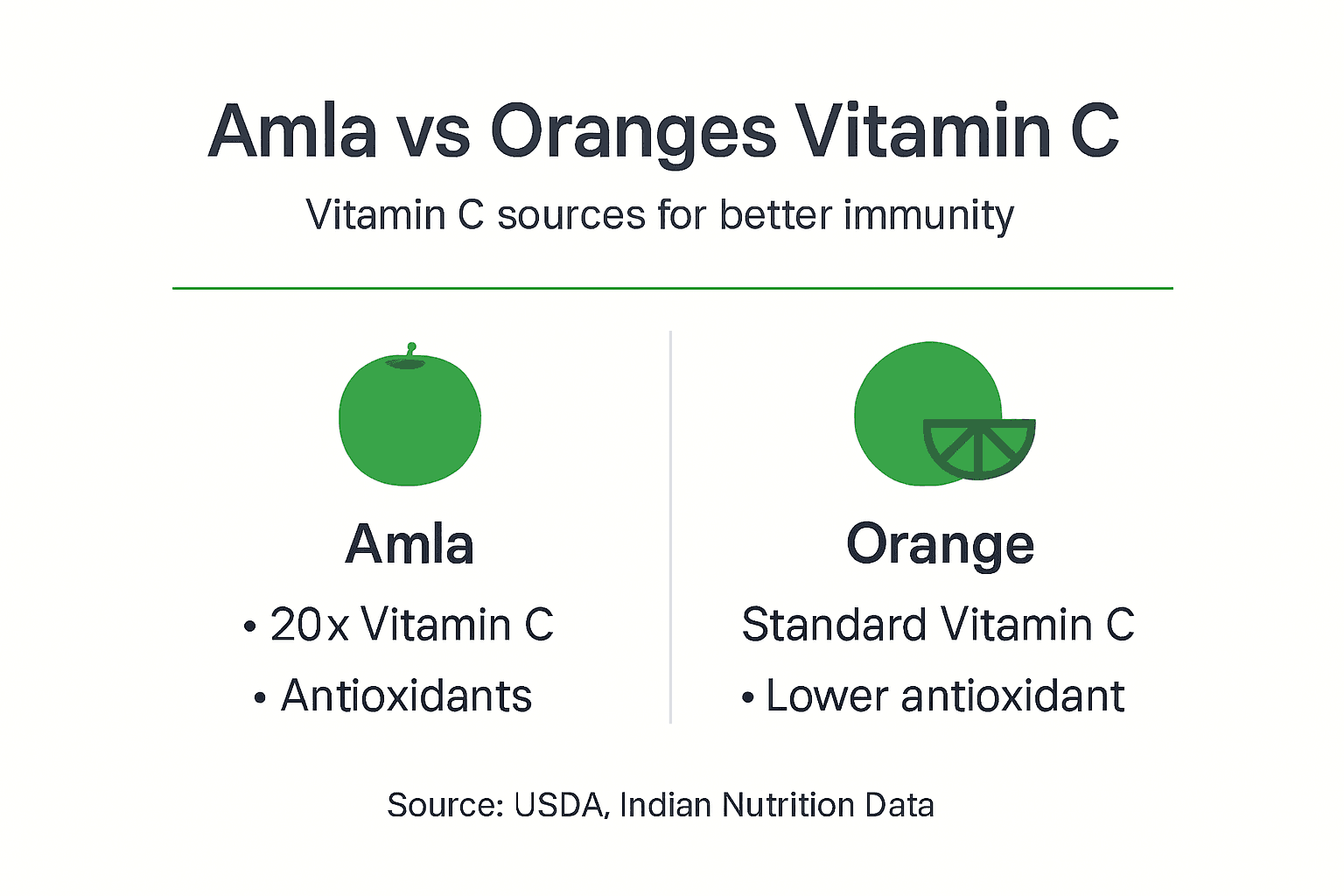
Amla stands out as an exceptional vitamin C source. Amla contains up to 20 times more vitamin C than oranges, supporting immune cell function and reducing oxidative stress. A single amla fruit delivers enough vitamin C to meet your daily requirements several times over. This small green fruit also provides polyphenols that enhance its antioxidant power.

Turmeric’s golden compound curcumin deserves its reputation. Curcumin exhibits strong anti-inflammatory and antioxidant effects that enhance immune defence. It modulates immune cell activity, helping your body respond appropriately to threats without overreacting. Adding black pepper increases curcumin absorption by up to 2000%.
Garlic brings powerful immune benefits to your kitchen. Allicin in garlic enhances immune cell activity with documented antiviral effects. This sulphur compound activates when you crush or chop fresh garlic, triggering immune cells to work more efficiently. Regular garlic consumption may reduce the severity and duration of common colds.
Pro Tip: Crush garlic and let it sit for 10 minutes before cooking to maximise allicin formation and preserve its immune benefits.
These superfoods are widely available across Delhi NCR markets and integrate naturally into Indian cooking. From amla murabba at breakfast to turmeric in dal and garlic in curries, you’re already familiar with these ingredients. Learn more about Indian vitamin C rich superfoods and how to use them effectively.
“Traditional Indian superfoods like amla, turmeric, and garlic combine ancestral wisdom with scientific validation, offering accessible immune support for modern families.”
Key benefits of Indian superfoods:
- Amla provides concentrated vitamin C and polyphenols
- Turmeric reduces inflammation and enhances immune regulation
- Garlic activates immune cells with antiviral properties
- All three ingredients are affordable and readily available
- Traditional preparation methods preserve their benefits
Discover more Indian superfoods with scientific backing to expand your immune-supporting pantry.
Organic Foods Proven to Boost Immunity
Beyond Indian staples, globally recognised organic foods deliver potent immune support through superior nutrient profiles. Organic cultivation methods often produce foods with higher antioxidant content and fewer pesticide residues.
Organic berries contain higher antioxidant levels than conventionally grown varieties. Blueberries, strawberries, and blackberries provide anthocyanins and flavonoids that protect immune cells from oxidative damage. These compounds also reduce inflammation that can weaken immune responses.
Citrus fruits stimulate white blood cell production through concentrated vitamin C. Oranges, lemons, and grapefruits deliver this essential nutrient in easily absorbed forms. Regular citrus consumption helps maintain adequate vitamin C levels that decline rapidly during stress or illness.
Nuts and seeds supply vitamin E, protecting immune cell membranes from damage. Almonds, sunflower seeds, and walnuts provide this fat-soluble antioxidant alongside healthy fats that support nutrient absorption. A handful daily meets your vitamin E needs.
| Food Category | Key Immune Nutrients | Organic Advantage |
|---|---|---|
| Berries | Anthocyanins, vitamin C | 20-40% higher antioxidants |
| Citrus fruits | Vitamin C, flavonoids | Lower pesticide residues |
| Nuts & seeds | Vitamin E, omega-3s | Better fatty acid profiles |
| Leafy greens | Vitamins A, C, K | Higher mineral content |
Organic farming reduces exposure to synthetic pesticides that may disrupt immune function. Some studies suggest organic produce contains more beneficial plant compounds due to natural pest defence mechanisms. For families exploring immune-enhancing organic foods, these advantages matter.
Choosing organic enhances overall immune support through:
- Higher antioxidant and phytochemical content
- Reduced pesticide exposure that may affect immunity
- Better nutrient density in some vitamins and minerals
- Support for farming practices that preserve soil health
Learn about organic foods with antioxidants and vitamins to guide your shopping decisions.
Role of Gut Health in Immunity
Your gut houses approximately 70% of your immune system, making gut health inseparable from immune function. The gut-associated lymphoid tissue trains immune cells to distinguish between harmful invaders and harmless substances.
Gut-associated lymphoid tissue accounts for roughly 70% of immune response, and probiotic foods are critical for immune regulation. This specialised tissue contains immune cells that patrol your intestinal lining, responding to threats and maintaining tolerance to beneficial bacteria.
Probiotic foods like organic yogurt, kefir, and fermented vegetables promote a balanced gut microbiome. These beneficial bacteria compete with harmful microbes, produce antimicrobial compounds, and communicate with immune cells. A diverse microbiome strengthens immune responses and reduces excessive inflammation.
Your gut microbiome affects systemic inflammation levels throughout your body. Imbalanced gut bacteria trigger chronic low-grade inflammation that exhausts immune resources. Conversely, a healthy microbiome produces short-chain fatty acids that reduce inflammation and support immune regulation.
Maintaining healthy gut flora creates stronger, more balanced immune reactions. Your gut bacteria train immune cells to respond appropriately, neither overreacting to harmless substances nor underreacting to real threats. This education happens continuously as immune cells encounter gut microbes.
Pro Tip: Combine probiotic foods with prebiotic fibres from onions, garlic, and bananas to feed beneficial bacteria and maximise gut health benefits.
Integrating probiotic and fibre-rich foods supports both gut and immune health:
- Consume fermented foods like yogurt, buttermilk, or pickles daily
- Include prebiotic fibres from vegetables, fruits, and whole grains
- Avoid excessive antibiotics that disrupt gut bacteria
- Manage stress, which affects gut microbiome balance
Explore the gut health and immunity connection to understand this vital relationship. Read more about immune benefits of gut health for detailed guidance.
Impact of Delhi NCR Pollution on Immunity and Dietary Measures
Delhi NCR’s air quality poses unique challenges to immune health. Pollution exposure creates oxidative stress and chronic inflammation that suppress immune function, making dietary countermeasures essential for families in this region.
Pollution causes oxidative stress and inflammation that weaken immunity, while antioxidant-rich foods mitigate this damage. Fine particulate matter penetrates deep into lungs and bloodstream, triggering inflammatory responses that burden your immune system. This constant assault diverts immune resources from fighting infections.
Antioxidant-rich foods combat pollution’s effects by neutralising free radicals generated by air pollutants. Turmeric, ginger, and vitamin C-rich fruits provide concentrated antioxidants that reduce oxidative damage. These foods help restore balance when pollution overwhelms your body’s natural defences.
High-protein foods support immune repair from pollutant-induced damage. Protein supplies amino acids needed to rebuild damaged tissues and produce new immune cells. Organic eggs, lentils, and paneer deliver complete proteins with minimal contaminants.
Diet serves as a critical defence layer against pollution-related immune suppression. While you cannot eliminate exposure, strategic food choices significantly reduce its impact. Families in Delhi NCR need customised approaches that address local environmental stressors.
Customised family meal planning addresses pollution challenges effectively:
- Prioritise foods high in vitamins C and E to neutralise pollutants
- Include anti-inflammatory spices like turmeric and ginger daily
- Choose protein sources that support tissue repair
- Stay hydrated to help flush toxins from your system
- Combine antioxidant foods for synergistic protection
Discover family meal planning for immunity amid pollution tailored to Delhi NCR conditions. Learn about pollution’s effect on immunity and dietary countermeasures for comprehensive strategies.
Common Misconceptions About Immunity and Food
Misunderstandings about immune nutrition can lead to unrealistic expectations and poor dietary choices. Clarifying these myths helps you build evidence-based habits that actually work.
Eating a single superfood does not instantly boost immunity. Your immune system requires diverse nutrients working together over time. Loading up on one ingredient while neglecting others creates imbalances. Steady habits, not instant results, drive immune improvements.
Supplements often prove unnecessary if your diet provides balanced, nutrient-rich foods. Whole foods deliver nutrients in forms your body absorbs and uses efficiently, along with beneficial compounds that supplements lack. Most people meet their needs through varied diets without pills.
Immune-boosting foods do not prevent infections completely. They strengthen your defence system and may reduce illness severity and duration, but no food creates immunity shields. Expecting complete protection sets you up for disappointment.
Cooking methods significantly influence nutrient retention and immune benefits. Overcooking destroys heat-sensitive vitamins like C and some B vitamins. Choosing appropriate preparation methods preserves the nutrients you’re eating these foods to obtain.
Healthy immunity requires sustained, balanced dietary patterns rather than sporadic superfood binges. Consistency matters more than intensity.
Pro Tip: Focus on adding nutrient-dense foods to every meal rather than obsessing over single superfoods or expensive supplements.
Common myths debunked:
-
Myth: One superfood can transform your immunity overnight Reality: Diverse nutrients from multiple sources build immunity gradually
-
Myth: Everyone needs immune-boosting supplements Reality: Balanced diets usually provide adequate nutrients without pills
-
Myth: Immune foods prevent all infections Reality: They strengthen defences and aid recovery, not create shields
-
Myth: Raw foods always beat cooked for immunity Reality: Some cooking methods enhance nutrient availability
Read about common myths about boosting immunity to separate fact from fiction.
Practical Implementation and Expected Outcomes
Translating knowledge into action requires practical strategies that fit your family’s routine. Understanding realistic timelines and effective methods helps you stay motivated through the consistency required for results.
Regular intake of immune-supportive foods shows benefits within 2-4 weeks. You might notice fewer colds, faster recovery from minor illnesses, or improved energy. These changes reflect underlying immune improvements that continue strengthening with sustained habits.
Steaming or microwaving preserves nutrients better than boiling. Water-soluble vitamins like C and B complex leach into cooking water during boiling. Steaming keeps vegetables above water, retaining more nutrients. Microwaving uses minimal water and short cooking times, preserving heat-sensitive compounds.
Incorporate simple recipes mixing Indian superfoods with organic items. Amla chutney pairs vitamin C with digestive spices. Turmeric milk combines anti-inflammatory compounds with protein and probiotics. Garlic stir-fries deliver allicin alongside vegetable antioxidants.
Plan family meals focused on diverse, nutrient-rich ingredients. Each meal should include protein, colourful vegetables, whole grains, and healthy fats. This variety ensures you cover all essential immune nutrients without complex calculations.
Pro Tip: Prepare a weekly menu featuring different immune-supporting foods each day to ensure variety and simplify shopping for busy families.
Regular habits foster sustained immune system improvements:
- Start small by adding one immune-boosting food to each meal
- Prep ingredients on weekends to simplify weekday cooking
- Involve children in choosing and preparing immune-friendly foods
- Track how you feel after 3-4 weeks of consistent changes
- Adjust recipes to match your family’s taste preferences
Explore meal planning for balanced immunity with practical templates. Learn about building balanced meals naturally for sustainable habits. Discover best cooking methods for immunity to maximise nutrient retention.
Discover Organic Foods to Naturally Boost Your Family’s Immunity
Ready to transform your family’s immune health through better nutrition? Nature’s Soul Shop makes it simple to access the organic foods and expert guidance discussed throughout this article.
Find a wide range of immune-supporting organic foods at Nature’s Soul Shop, from vitamin C-rich fruits to probiotic dairy and anti-inflammatory spices. Every product meets strict quality standards for organic certification and clean ingredients. Browse curated selections designed specifically for families seeking natural immune support in Delhi NCR.
Access expert guidance on healthy family meal planning tailored to your local environment and lifestyle. Our resources help you build sustainable habits that strengthen immunity without complicated routines. Explore our immune-boosting foods blog for recipes, tips, and seasonal recommendations. Shop confidently knowing you’re supporting your family’s health with quality organic groceries.
Frequently Asked Questions
How should I cook immune-boosting vegetables to preserve nutrients?
Steam vegetables for 3-5 minutes or microwave with minimal water to retain vitamins C and E. Avoid boiling, which leaches water-soluble nutrients into cooking liquid. Lightly sauté with healthy fats to enhance absorption of fat-soluble vitamins.
Where can families in Delhi NCR find quality organic immune-supporting foods?
Local organic markets, specialised wellness shops, and online retailers stock certified organic produce, dairy, and pantry staples. Nature’s Soul Shop offers curated selections specifically for families seeking clean, immune-supportive ingredients delivered across Delhi NCR.
How long before I notice immune improvements from dietary changes?
Most people experience noticeable benefits within 2-4 weeks of consistent intake. You might observe fewer colds, faster recovery, or increased energy. Sustained habits over months create deeper immune resilience.
Are these immune-boosting foods safe and effective for children?
Yes, whole foods like amla, turmeric, and probiotic yogurt suit children when introduced appropriately. Start with small amounts and adjust for taste preferences. Consult your paediatrician about specific foods if your child has allergies or health conditions.
Can organic foods really make a difference compared to conventional options?
Organic produce often contains higher antioxidant levels and lower pesticide residues, potentially offering better immune support. While conventional foods still provide nutrients, organic choices reduce exposure to compounds that may affect immunity and offer environmental benefits.
What if my family dislikes traditional superfoods like amla or turmeric?
Blend amla into smoothies with sweeter fruits or use amla powder in recipes. Mix turmeric into soups, rice dishes, or golden milk with honey. Start with small amounts and gradually increase as taste preferences adapt.
Recommended
- Amalaki - Vit C & Antioxidant Boost - Organic India - 60 Capsules – naturessoulshop
- 7 Vitamin C Rich Foods India: Boost Immunity Naturally – naturessoulshop
- Immunity - Boost Immune Response - Organic India - 60 Capsules – naturessoulshop
- Amla (Gooseberry) | (Bangalore) - Rich In Vitamin C, Dietary Fiber, Ca – naturessoulshop


