


Working out which foods truly support your family’s health can seem confusing in a new environment like Delhi NCR. With so many options lining local markets and every package claiming to help immunity, it’s easy to feel overwhelmed. For families seeking genuine wellness, understanding immune boosting foods is about recognising the blend of nutrients—vitamins, minerals, proteins, and antioxidants—that help keep your immune system running smoothly every day. Learn how these whole foods work together to strengthen your family’s natural defences through smart, balanced choices.
Table of Contents
- Defining Immune Boosting Foods And Key Functions
- Core Nutrients Supporting Immune Health
- Major Food Categories For Immunity Support
- Scientific Evidence Behind Popular Choices
- Common Misconceptions And Safe Practices
Key Takeaways
| Point | Details |
|---|---|
| Immune Boosting Foods | Foods rich in essential nutrients support immune function, with variety being crucial for optimal health. |
| Core Nutrients | Key micronutrients like Vitamins C, A, D, E, zinc, and iron are pivotal for immune cell health and response. |
| Balanced Diet | A diverse diet incorporating all food categories strengthens immunity, alongside healthy lifestyle practices like sleep and exercise. |
| Dispelling Myths | Single foods do not prevent illness and excessive supplementation can do more harm than good; focus on balanced nutrition instead. |
Defining Immune Boosting Foods And Key Functions
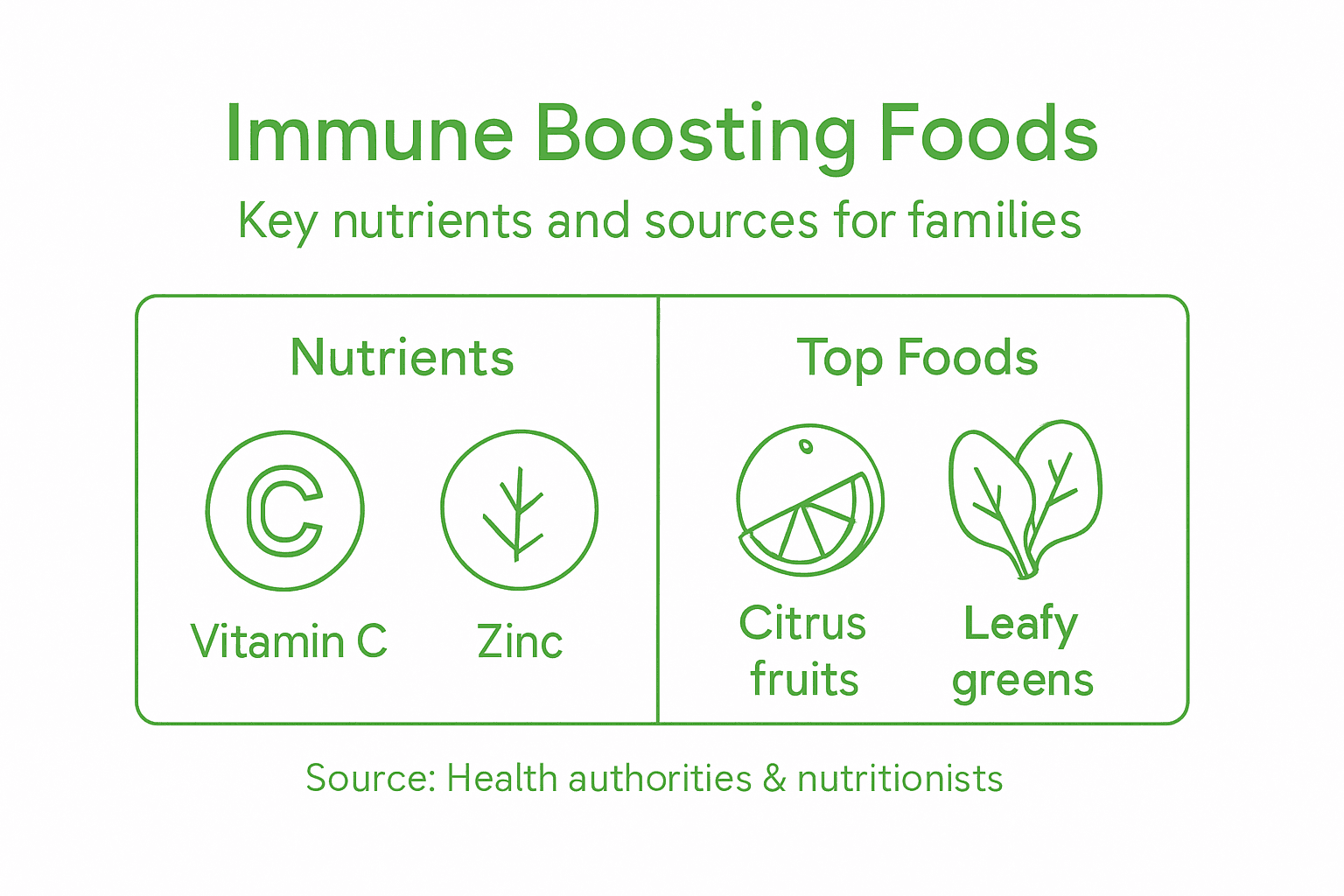
Immune boosting foods are simply meals and ingredients that provide your body with the nutrients it needs to fight infections and stay healthy. Rather than any single superfood doing all the work, these are foods rich in vitamins, minerals, and other compounds that support your immune system’s daily operations. Think of them as fuel for the various defence mechanisms constantly working inside your body.
Your immune system operates through two main pathways: innate immunity (your body’s first line of defence) and adaptive immunity (which learns from past infections). Both require specific nutrients to function properly. Key micronutrients such as vitamins A, C, D, and E, iron, and zinc directly support the growth and function of immune cells, helping them identify and neutralise harmful pathogens before they cause illness.
Here’s what matters most: no single food or nutrient can prevent disease on its own. The real power comes from variety. A balanced diet combined with adequate sleep, stress management, and regular activity creates the environment where your immune system thrives. For expats settling into Delhi NCR, this means exploring local produce alongside familiar options to create meals that truly nourish your family’s defences.
When researchers talk about “boosting” immunity, they’re actually describing maintaining normal function. Malnutrition and micronutrient deficiencies impair immune response, whilst a good diet sustains normal immune function alongside other lifestyle factors. Your goal isn’t to supercharge immunity but to prevent weakness caused by poor nutrition.
The foods we’ll explore throughout this guide deliver these essential nutrients in forms your body recognises and absorbs efficiently. From vibrant orange vegetables packed with vitamin A to leafy greens rich in minerals, these ingredients work together to support the complex system protecting your family’s health day in, day out.
Pro tip: Build your family’s immune support around seasonal, locally-sourced organic produce from your region, which tends to be fresher and contains higher nutrient density than transported alternatives.
Core Nutrients Supporting Immune Health
Your immune system doesn’t run on willpower or hope. It runs on specific nutrients that your body cannot produce on its own. These micronutrients act as the building blocks and fuel for every immune cell, antibody, and defence mechanism protecting your family. Without them, even the hardest working immune cells simply cannot function at their best.
Several nutrients stand out as particularly critical. Vitamin C stimulates the production of antibodies and white blood cells that hunt down pathogens. Vitamin A protects your tissues and strengthens your body’s first line of defence against infections. Vitamin D regulates antimicrobial proteins that neutralise harmful invaders. Meanwhile, vitamin E acts as an antioxidant, protecting your immune cells from damage caused by oxidative stress.
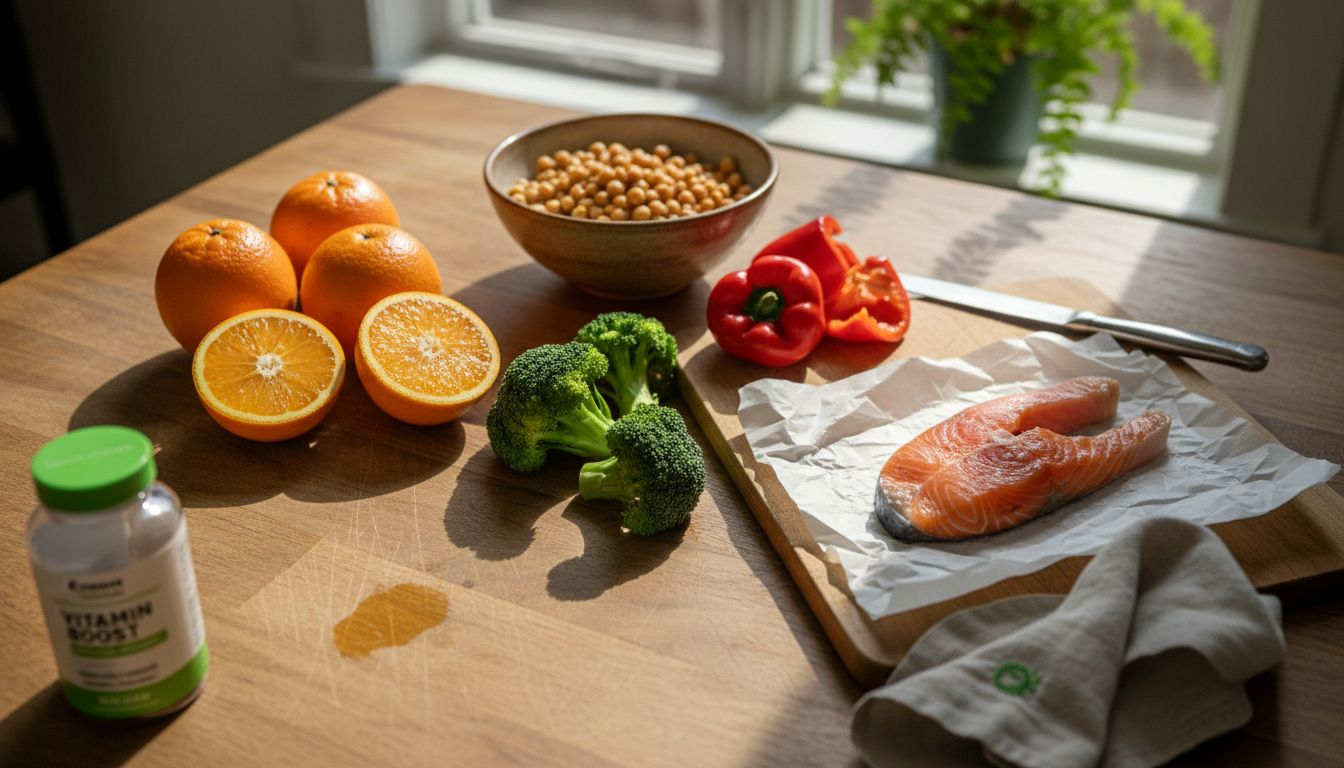
The mineral story matters equally. Zinc supports wound healing and directly enhances immune response, which is why it’s often associated with fighting colds and infections. Iron is essential for the enzymes within immune cells that allow them to function properly. Selenium rounds out this nutrient trio, working alongside other micronutrients to maintain immune balance.
To clarify the specific roles of key nutrients, see this summary below:
| Nutrient | Primary Immune Function | Example Food Sources |
|---|---|---|
| Vitamin C | Stimulates antibody and white blood cell production | Citrus fruits, bell peppers |
| Vitamin A | Strengthens physical barriers, defends tissues | Carrots, leafy greens |
| Vitamin D | Regulates antimicrobial proteins | Oily fish, eggs |
| Vitamin E | Protects immune cells from oxidative stress | Sunflower seeds, almonds |
| Zinc | Supports wound healing, immune signalling | Pumpkin seeds, chickpeas |
| Iron | Enables enzyme activity in immune cells | Lentils, spinach |
| Selenium | Maintains immune balance | Brazil nuts, whole grains |
What makes this practical for you is straightforward: critical micronutrients for immune function can be obtained through food for most people. You don’t necessarily need expensive supplements or powders. Fresh vegetables, organic meats, and whole grains provide these nutrients in forms your body recognises and absorbs efficiently.
For expat families in Delhi NCR, sourcing these nutrients becomes especially important. Local markets offer seasonal produce bursting with these micronutrients, often at better quality and freshness than imported alternatives. The key is knowing which foods deliver which nutrients, then building meals around that knowledge.
Some populations do face nutrient gaps due to dietary restrictions, allergies, or medical conditions. If your family follows a vegan diet or has absorption issues, supplementation might bridge those gaps. But for most health-conscious families, a varied diet covering all the major food groups handles the job effectively.
Pro tip: Pair vitamin C rich foods like citrus with iron rich foods like spinach or lentils to enhance iron absorption, maximising the nutritional benefit of each meal.
Major Food Categories For Immunity Support
Immune boosting isn’t about selecting one miracle food. It’s about understanding which food categories deliver the nutrients your family needs, then building meals around them. Think of these categories as the foundation of every immune-supporting plate.
Fatty fish like salmon and mackerel deserve pride of place on your table. They’re packed with omega-3 fatty acids that reduce inflammation and support your immune cells. If your family isn’t keen on fish, walnuts and flaxseeds offer similar benefits in plant form.
Colourful fruits and vegetables are where the visual excitement meets nutritional power. Citrus fruits burst with vitamin C, whilst berries contain antiviral polyphenols that help your body fight infections. Leafy greens like spinach and kale provide vitamins A, C, and E simultaneously. Orange and red vegetables deliver carotenoids that your body converts to vitamin A. The simple rule: aim for as many different colours on your plate as possible.
Legumes, nuts, and seeds often get overlooked by families rushing through meal planning. Lentils and chickpeas provide protein and fibre whilst supporting your gut microbiome. Seeds like pumpkin and sunflower are concentrated sources of antioxidants like vitamin E. For expats in Delhi NCR, sourcing omega-3 fatty acids and antiviral compounds from local nuts and seeds proves both practical and economical.
Fermented foods like yoghurt, kefir, and traditionally prepared foods support gut health directly. A healthy gut microbiome is foundational to immune function because roughly 70 per cent of your immune system lives there. When you eat fermented foods, you’re not just consuming nutrients but also beneficial bacteria that strengthen your digestive defences.
Whole grains and proteins round out the category list. Organic meats, poultry, and dairy provide complete proteins needed for immune cell development. Whole grains deliver fibre and B vitamins that support immune cell function and energy production.
The key isn’t perfection. Your goal is including foods from each category throughout your week, ensuring your family receives the full spectrum of immune-supporting nutrients.
Pro tip: Plan your weekly meals by choosing one food from each category, then mix them into simple combinations—this prevents meal fatigue whilst guaranteeing nutritional diversity.
Scientific Evidence Behind Popular Choices
When you hear that certain foods boost immunity, it’s worth asking: what does the research actually say? The good news is that science increasingly validates what traditional nutrition has long suggested. Real studies from genuine laboratories show measurable improvements in immune function when people consume specific nutrients.
Take omega-3 fatty acids from fish and seeds. Research reveals that n-3 polyunsaturated fatty acids modulate immune regulation by inhibiting inflammatory mediators and promoting anti-inflammatory activity. This doesn’t mean fish oil prevents every illness, but it does mean your immune cells function more effectively when you consume it regularly. The effect is measurable and reproducible across studies.
Vitamin D and zinc show equally compelling evidence. Scientists have documented how these nutrients enhance communication between your innate and adaptive immune systems. When levels are adequate, your body’s various immune defences coordinate better, making your overall response to threats more efficient. This explains why deficiency in either nutrient correlates with increased infection rates.
Here’s something particularly fascinating: specific fatty acids found in beef, lamb, and dairy products activate immune cells in ways researchers didn’t fully understand until recently. Trans-vaccenic acid (TVA) enhances CD8+ T cells’ ability to eliminate abnormal cells more effectively. Higher dietary TVA correlates with better responses to immunotherapy treatments, suggesting that food choices genuinely influence your body’s ability to fight disease at a cellular level.
Probiotics and tea polyphenols demonstrate clinical benefits in autoimmune and inflammatory conditions. When you consume fermented foods or tea, you’re not just getting nutrients but also compounds that actively reshape how your immune system responds to threats. Studies show measurable reductions in inflammatory markers and improvements in infection prevention.
The pattern across all this research is clear: nutrient intake directly affects immune cell function through specific biological mechanisms. This isn’t marketing language. This is cellular biology.
Pro tip: Focus on foods backed by multiple peer-reviewed studies rather than single studies, as cumulative evidence across independent research teams proves far more reliable.
Common Misconceptions And Safe Practices
Immunity talk breeds myths. People believe that one magic food can prevent illness, or that more of a nutrient is always better. These misconceptions can actually harm your family’s health, especially when they lead you away from genuinely helpful practices towards expensive or unnecessary interventions.
The biggest myth is straightforward: no single food prevents disease. Not garlic. Not ginger. Not even the most expensive superfood powder. Single foods cannot guarantee health or prevent disease, no matter how they’re marketed. Your immune system requires a balanced diet across diverse food groups, tailored to your family’s age, gender, and environment. One orange won’t save you from getting ill, but a pattern of eating well absolutely supports your defences.
Another dangerous myth concerns more being better. Taking excessive vitamins doesn’t improve immune function unless you’re actually correcting a deficiency. Your body doesn’t store water-soluble vitamins like vitamin C, so those expensive mega-dose supplements simply create expensive urine. Worse, some fat-soluble vitamins like A and D accumulate in your body, and excess intake causes real harm.
Here’s what catches many health-conscious expats off guard: a stronger immune response isn’t always healthier. An overactive immune system causes autoimmune conditions and chronic inflammation. Your goal isn’t maximum immunity; it’s balanced immunity that distinguishes between genuine threats and harmless particles.
For a better understanding of common immune health myths, compare facts and misconceptions here:
| Misconception | Reality | Safer Practice |
|---|---|---|
| One food prevents illness | No single food guarantees health | Eat a variety of nutrient-rich foods |
| More vitamins equals better immunity | Excess may be wasted or harmful | Supplement only if deficient |
| Stronger immune response is always healthier | Overactivity can cause disease | Aim for immune system balance |
Safe practices are genuinely mundane. Balanced nutrition, regular exercise, adequate sleep, stress management, and vaccination remain your foundation. These work because they address multiple systems simultaneously. Sleep deprivation impairs immune cell function directly. Stress elevates cortisol, which suppresses immune response. Exercise triggers the creation of new immune cells whilst reducing inflammation.
Vaccination deserves mention because anxiety lingers amongst expat parents. Vaccines have minimal risks compared to their massive benefits. They train your immune system without exposing your family to actual disease. That’s the opposite of dangerous; that’s intelligent.
Pro tip: Avoid purchasing supplements unless a healthcare provider identifies a specific deficiency; spend that money instead on organic vegetables, quality proteins, and sufficient sleep—the actual foundations of immune health.
Strengthen Your Family’s Defences with Nature’s Best Choices
The challenge of maintaining balanced immunity through nutritious foods is real especially when settling into a new environment like Delhi NCR. You want to prevent weaknesses caused by poor nutrition and ensure your family receives vital micronutrients like vitamins A, C, D, and minerals such as zinc and iron every day. The goal is not just boosting immunity but supporting normal immune function with fresh, organic, and wholesome foods that your body recognises and absorbs efficiently.
Experience the power of thoughtfully sourced, organic fruits, vegetables, dry grocery items, and clean proteins that align perfectly with the principles in “Immune Boosting Foods: Enhancing Family Wellness.” At Nature’s Soul Shop, our wide range of natural and organic products helps you build vibrant, nutrient-rich meals effortlessly. Whether you are looking for seasonal vegetables rich in vitamin A and vitamin C or high-quality protein options for immune cell development, we have you covered. Start creating immune-supporting plates with trusted, clean ingredients today. Explore how to nourish your family with the immune-supporting essentials they deserve by visiting our landing page. Let us be your partner in sustaining balanced immunity through nature’s goodness.
Frequently Asked Questions
What are immune-boosting foods?
Immune-boosting foods are meals and ingredients rich in vitamins, minerals, and compounds that provide your body with the nutrients it needs to fight infections and maintain overall health.
How can vitamins support my immune system?
Key vitamins such as A, C, D, and E stimulate the production of immune cells, enhance their function, and protect them from oxidative stress, thereby directly aiding in the immune response against pathogens.
Is it better to get vitamins from food instead of supplements?
Yes, obtaining vitamins from a balanced diet of whole foods is preferred because your body recognises and absorbs these nutrients more effectively than in supplement form, reducing the risk of excess intake.
How can I ensure my family has a balanced diet for optimal immune function?
To build a balanced diet that supports immune health, aim to include a variety of colourful fruits and vegetables, fatty fish, whole grains, legumes, nuts, and fermented foods throughout the week.
Recommended
- Immunity Boosting Foods India – Healthier Families Naturally – naturessoulshop
- Slow Food Movement: Transforming Family Wellness – naturessoulshop
- Improving Gut Health Naturally: Lasting Benefits for Families – naturessoulshop
- How to Build a Balanced Meal Naturally for Families – naturessoulshop
- 7 Healthy Recipes for Families: Easy and Delicious Meals - LeanAndFit
- 5 Foods to Keep Your Immune System Strong - Dr. Stephen Oreski & Associates


