


The cheapest way to eat organic is not to overhaul your entire shop at once. Prioritise a short list of high-pesticide produce, buy seasonally and in bulk where you can, lean on frozen and own-label options, and stretch every ingredient through simple meal planning. Published estimates suggest the organic grocery bill runs 25–40% higher overall, but targeted buying strategies can trim that premium to roughly 10–15%. Three practical steps before your next shop: consider frozen organic berries, compare unit prices on own-label organic staples, and focus spending on a few fresh items with the highest organic priority.
Key takeaways
| Point | Details |
|---|---|
| Prioritise high-residue produce | Spend organic budget on strawberries, spinach, apples, and tomatoes first; buy thick-skinned fruit conventionally. |
| Use frozen and own-label | Frozen organic berries and veg cost significantly less than fresh out-of-season equivalents with no nutritional loss. |
| Check unit price every shop | Price per 100g is the only reliable comparison; own-label organics often cost 15–30% less than branded equivalents. |
| Plan meals and batch cook | A week-long plan built around shared ingredients, as the Wicked Leeks experiment showed, can feed a family of four for around £44. |
| Naturessoulshop for staples | Naturessoulshop offers certified organic staples across grocery, fresh produce, and veg-box options in one place, removing the need to shop across multiple retailers. |
Table of Contents
- What are the cheapest ways to eat organic right now?
- Which organic foods are worth the extra cost?
- Where can you find cheaper organic food in the UK?
- How do frozen, own-label, and unit-price checks stretch your budget?
- What does a real week of organic eating on a budget look like?
- How do growing and preserving cut your organic spend?
- A four-week plan to shift to affordable organic eating
- Which savings tools actually reduce the organic premium?
- How to substitute expensive organic ingredients affordably
- How do you verify that an organic product is genuinely certified?
- Managing nutrition on a tight organic budget
- Why gradual beats all-or-nothing every time
- Naturessoulshop makes affordable organic shopping straightforward
- Sources
What are the cheapest ways to eat organic right now?
Eight steps you can act on immediately, drawn from practical guides on reducing the organic premium:
- Check the unit price first. Price per 100g tells you far more than the pack price. A 500g own-label organic oat bag at £1.80 beats a 300g branded bag at £1.40 every time.
- Choose frozen for berries and leafy greens. Frozen organic strawberries, spinach, and peas are picked at peak ripeness and typically cost less than their fresh out-of-season equivalents.
- Buy store-brand organic staples. Supermarket own-label organic lines (tinned tomatoes, pasta, oats, pulses) often cost 15–30% less than specialist brands.
- Sign up for a veg-box trial. Most UK schemes offer a discounted first box. It is a low-risk way to test seasonal variety without committing to a subscription.
- Prioritise Dirty Dozen items. Spend the organic budget on high-residue produce first: strawberries, spinach, apples, grapes, and tomatoes. More on this below.
- Freeze extras immediately. Bread going stale, bananas browning, leftover cooked pulses: freeze them rather than bin them.
- Use loyalty card points strategically. Stack points during double-up promotions and redeem against your organic staples, not treats.
- Visit farmers’ markets near closing time. Stallholders routinely discount perishables in the final hour rather than transport them home.
Pro Tip: The single biggest per-shop saving comes from the unit-price method. Before you reach for any organic product, divide the price by the weight. Do this for three or four items per visit and you will quickly build an instinct for genuine value.
Which organic foods are worth the extra cost?
Not every organic item delivers equal benefit for the money. The Soil Association recommends starting with high-residue produce, the group of fruits and vegetables that tend to carry the highest pesticide loads when grown conventionally. In the UK context, that means prioritising strawberries, raspberries, spinach, kale, apples, pears, grapes, tomatoes, celery, and peppers. These are the items where the organic version genuinely reduces your pesticide exposure most.
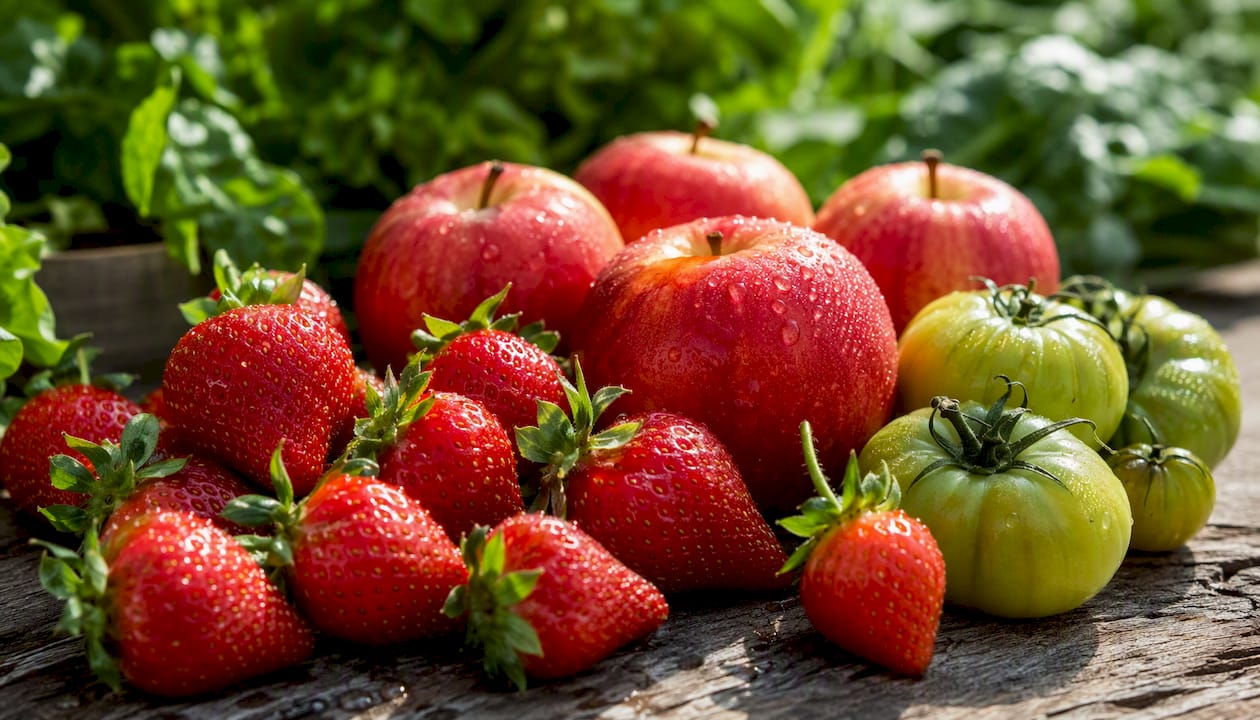
Beyond fresh produce, dairy and eggs are worth considering if animal welfare matters to you, since organic standards require outdoor access and prohibit routine antibiotic use. Organic milk, in particular, is widely available at a modest premium across UK supermarkets.
Thick-skinned fruits are a different story. Avocados, pineapples, mangoes, and onions carry far lower pesticide residues because the skin acts as a barrier. Buying these conventionally frees up budget for the items that matter more.
Pro Tip: Build a short personal list of the five organic items you eat most often. Those are your priority swaps. Everything else can stay conventional until the budget allows.
For a fuller breakdown of which items to prioritise, the Naturessoulshop organic priority guide covers the full category-by-category picture.
Where can you find cheaper organic food in the UK?
The channel you shop in matters almost as much as what you buy. Each has a different sweet spot:
- Supermarket own-label lines. Tesco Organic, Sainsbury’s SO Organic, and Waitrose Duchy Organic all offer staples (pasta, tinned pulses, oats, eggs, milk) at prices well below specialist brands. These are the most accessible entry point for budget organic groceries.
- Discounters. Aldi and Lidl carry rotating organic ranges, particularly for fresh produce, dairy, and some dry goods. Stock changes weekly, so it pays to check the aisle rather than rely on a fixed list.
- Veg-box and CSA schemes. Riverford, Abel & Cole, and smaller local Community Supported Agriculture (CSA) schemes deliver seasonal produce directly from farms. The per-item cost can be lower than supermarket organic equivalents, especially for root vegetables and brassicas in autumn and winter. Local farms and markets can offer 10–50% discounts compared with supermarkets depending on timing and season.
- Farmers’ markets. Best visited in the last 30–45 minutes before closing, when perishables get marked down. Bring cash and a cool bag.
- Wholesale and bulk clubs. Suma Wholefoods and similar co-operatives supply bulk organic dry goods (grains, legumes, nuts, seeds) at trade-adjacent prices. Splitting a bulk order with a neighbour or friend halves the upfront cost and the storage problem.
- Online organic retailers. Worth comparing for pantry staples, particularly when a first-order discount applies.
Understanding local sourcing and why buying direct from farms reduces costs helps you evaluate which channel genuinely saves money for your household rather than just feeling virtuous.
How do frozen, own-label, and unit-price checks stretch your budget?
Frozen organic produce is one of the most underused tools for eating organic affordably. Vegetables and fruit frozen at peak ripeness retain their nutritional profile well, and frozen organic items are commonly cheaper than fresh out-of-season equivalents while also reducing food waste. Frozen organic spinach costs considerably less than fresh bunches in off-season months, and lasts longer in the fridge.
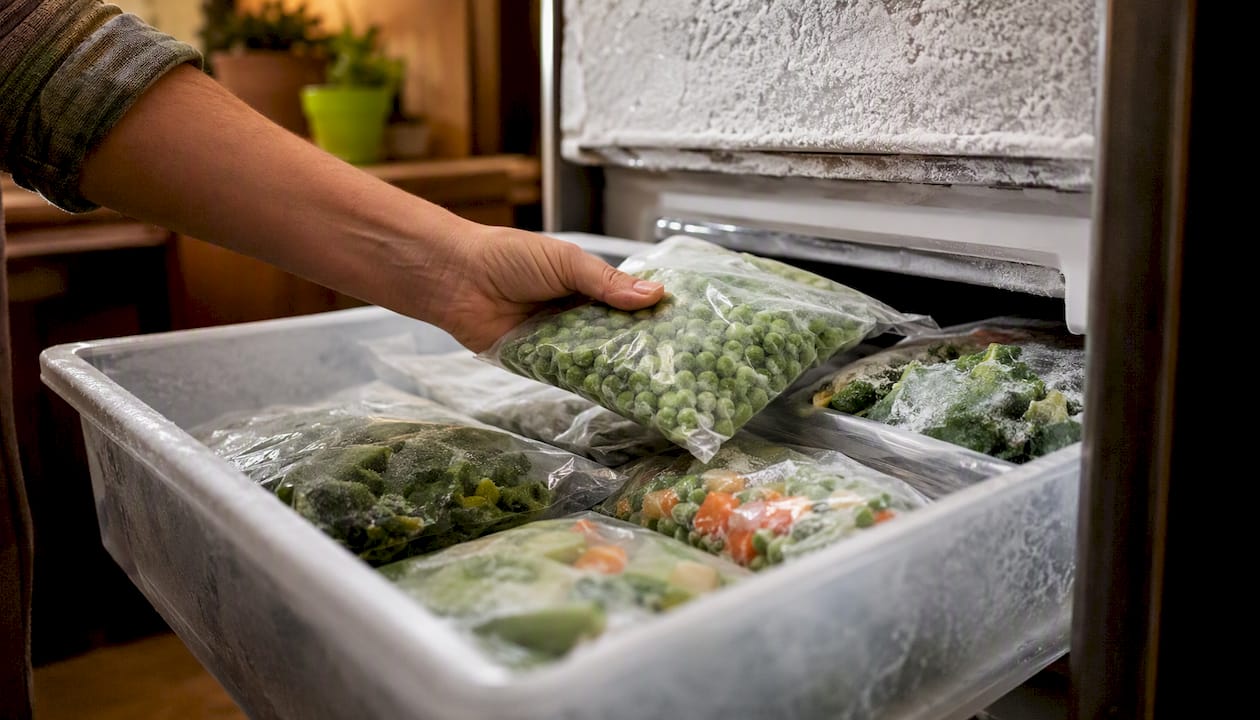
Own-label organics close the price gap further. Store-brand organics often cost 15–30% less than specialist brands, and the certification standard is identical: a Soil Association or OF&G logo on a supermarket own-label product carries exactly the same legal weight as one on a premium brand.
The unit-price check ties it together. Here is a rough guide to typical price bands for common items:
Price ranges are indicative of typical UK supermarket and online retailer listings; check current unit prices in-store.
Bulk buying makes sense for shelf-stable items: oats, lentils, tinned tomatoes, and dried pasta. For fresh produce, buy only what you will use in five days unless you plan to freeze the rest immediately.
What does a real week of organic eating on a budget look like?
The most instructive real-world example comes from Wicked Leeks, Riverford’s editorial platform. Their documented experiment fed a family of four for a week on organic food for around £44 through tight planning, seasonal choices, and batch cooking. That works out to roughly £1.57 per person per day.
The key lessons from that experiment translate directly into a replicable approach:
- Seasonal vegetables formed the bulk of every meal (cheaper and fresher).
- Pulses and grains replaced meat on most days, cutting cost without cutting nutrition.
- One batch-cook session on Sunday produced components used across three or four dinners.
- Nothing was wasted: vegetable peelings went into stock, leftover grains became the next day’s lunch.
A four-step grocery estimate makes this repeatable: plan your meals first, convert them to an ingredient list, assign a working price to each item, then add a 10% flexibility allowance for substitutions.
Sample weekly shopping list (two adults, approximate costs):
A simple meal plan built around this list: porridge with banana (breakfast, five days); lentil soup with bread (lunch, three days); roasted seasonal veg with eggs (two dinners); tomato and lentil dal with rice (two dinners); vegetable frittata using box leftovers (one dinner). Shared ingredients across multiple meals is the single most effective waste-reduction tactic. Healthy family meal planning templates can help you build this habit week by week.
How do growing and preserving cut your organic spend?
You do not need an allotment. A windowsill or a couple of pots on a balcony is enough to grow herbs (basil, chives, mint, parsley), salad leaves, and cherry tomatoes through spring and summer. Herbs in particular are expensive to buy repeatedly and straightforward to grow from seed or a supermarket pot. A single £1.50 basil plant, repotted and watered, can supply a household for months.
Small container gardens for herbs, salad leaves, and simple preservation methods like freezing and pickling reduce reliance on purchased out-of-season organic produce. Blanching and freezing courgettes, beans, or kale at the height of summer locks in both nutrition and the lower seasonal price. A simple chutney or pickle extends glut produce by months with minimal effort.
The time investment is modest: 20–30 minutes a week for watering and harvesting, plus one or two preservation sessions during peak season. The cost saving on herbs alone can cover the price of a small pot of compost.
Pro Tip: Grow what you buy most often, not what looks interesting in a seed catalogue. If you use fresh coriander twice a week, start there. One pot of coriander on a sunny windowsill saves around £1.50–£2.00 a week compared with buying supermarket bunches.
A four-week plan to shift to affordable organic eating
A gradual swap avoids budget shock and builds habits that actually stick.
-
Week one: audit and prioritise. Write down every fresh item you bought last week. Identify which ones appear on the high-residue priority list (strawberries, spinach, apples, tomatoes, grapes). Swap those to organic this week only. Keep everything else conventional. Check the unit price on two or three own-label organic staples (oats, tinned tomatoes, lentils) and swap if the price difference is under 20%.
-
Week two: trial a veg box. Sign up for a small introductory box from a local scheme or a national provider. Use the contents to plan that week’s meals rather than shopping around them. Note which vegetables you received, what they cost per item, and whether the quality justified the price. Batch cook a double portion of one dinner and freeze half.
-
Week three: add frozen and bulk. Replace fresh out-of-season organic produce with frozen equivalents (berries, spinach, peas). Buy one bulk item (oats, lentils, or rice) from a wholesale or online source and compare the unit price against your usual supermarket. Set up a loyalty card if you have not already, and check whether your main supermarket runs double-points weeks.
-
Week four: lock in the habits. Review your spend across the three weeks. Calculate the actual premium you paid for organic versus your previous conventional shop. Identify the two or three swaps that delivered the most value and make them permanent. Add one preservation habit: freeze surplus bread, blanch and freeze any leftover greens, or make a simple batch of tomato sauce from reduced-price ripe tomatoes.
Which savings tools actually reduce the organic premium?
Loyalty schemes, store apps, and cashback platforms compound over time. Most major UK supermarkets run personalised offers through their apps (Tesco Clubcard, Sainsbury’s Nectar, Waitrose myWaitrose) that occasionally target organic lines directly. Checking the app before you write your shopping list takes two minutes and can redirect your spend toward whatever is on promotion that week.
Cashback apps such as Shopmium and GreenJinn have historically featured organic products from brands like Yeo Valley, Organix, and Clearspring. The discount is typically £0.50–£1.00 per product, which is modest but adds up across a monthly shop.
Seasonal buying, frozen produce, own-label lines, and bulk buying are consistently the most effective levers for reducing the organic premium, and they work best when combined. Buying a sale-priced organic item, doubling the quantity, and freezing half is the most efficient single move available to a budget shopper.
Pro Tip: Stack tactics rather than relying on any one of them. A Clubcard price on organic oats, bought in a larger pack, with Nectar points redeemed against the shop, can bring the effective cost below some conventional alternatives.
How to substitute expensive organic ingredients affordably
Some organic items carry a premium that is genuinely hard to justify on a tight budget. The practical answer is substitution within the organic category rather than abandoning organic standards altogether.
Organic dried pulses (lentils, chickpeas, black beans) cost a fraction of organic meat and deliver comparable protein and iron when prepared well. Swapping two meat-based dinners a week for pulse-based meals cuts the weekly organic spend noticeably without touching nutritional quality. Organic tinned pulses are slightly more expensive than dried but save time and require no soaking.
Organic own-label flour, oats, and rice are among the cheapest organic items in any UK supermarket. Building meals around these staples and treating organic meat, fish, or specialist dairy as occasional additions rather than daily staples is the structural shift that makes budget organic eating sustainable. Sustainable grocery shopping guides cover this ingredient-substitution logic in more detail.
How do you verify that an organic product is genuinely certified?
In the UK, organic certification is a legal designation governed by the Department for Environment, Food and Rural Affairs (DEFRA). Products labelled as organic must be certified by an approved control body. The main ones are the Soil Association, OF&G (Organic Farmers and Growers), Biodynamic Association Certification, and a handful of others. Every certified product must display the certifier’s logo and, for products sold within the UK, comply with the retained EU organic regulation standards.
The quickest check: look for a recognised certification logo on the packaging alongside a GB-ORG operator number. If neither is present, the product is not legally certified organic in the UK regardless of what the label says. Words like “natural”, “chemical-free”, or “eco” carry no legal weight and should not be confused with organic certification.
For a detailed comparison of what organic certification actually guarantees versus conventional production, the Naturessoulshop guide to organic vs conventional products covers the key differences clearly.
Managing nutrition on a tight organic budget
Eating organic on a budget does not require expensive superfoods or specialist supplements. The nutritional priorities are straightforward: adequate protein, a wide range of vegetables and fruit, whole grains, and healthy fats. All of these are achievable with organic staples at modest cost.
Organic lentils, chickpeas, and beans supply protein and fibre at low cost. Organic oats provide slow-release carbohydrate and soluble fibre. Organic eggs are a dense, affordable source of protein, B vitamins, and choline. Seasonal organic vegetables, particularly dark leafy greens and root vegetables, cover most micronutrient needs without requiring exotic or expensive additions.
Where the budget is very tight, prioritise variety over volume. Eating a small amount of ten different vegetables across a week delivers more micronutrient breadth than a large amount of two or three. Frozen organic mixed vegetables are a practical way to achieve this without the cost of buying each item separately. Seasonal vegan menus built around what is available locally show how varied and nutritionally complete budget organic eating can be in practice.
Why gradual beats all-or-nothing every time
The households that sustain organic eating on a budget are almost never the ones who switched everything at once. The all-or-nothing approach tends to produce one expensive, demoralising shop followed by a quiet retreat to the conventional aisle.
What actually works is the incremental swap: one or two priority items this week, a veg box trial next week, a bulk buy of oats the week after. Each small change builds familiarity with the new options, frees up a little budget for the next swap, and avoids the psychological pressure of a complete dietary overhaul. The Wicked Leeks experiment is instructive here precisely because it was a controlled, planned week, not a spontaneous decision. Planning is the mechanism, not willpower.
Prioritising the high-residue items and keeping the rest conventional is a rational, evidence-backed position. The Soil Association says as much. Spending the organic budget where it matters most is not a compromise; it is the strategy.
Naturessoulshop makes affordable organic shopping straightforward
Switching to organic staples is simpler when you have a single, reliable source for clean-ingredient products across every category. Naturessoulshop stocks organic and natural products across fruits and vegetables, dry grocery, dairy, vegan and gluten-free lines, and home care, all with transparent ingredient standards. Rather than hunting across three or four retailers for certified organic oats, lentils, tinned tomatoes, and eggs, you can build a weekly basket in one place and compare unit prices directly.
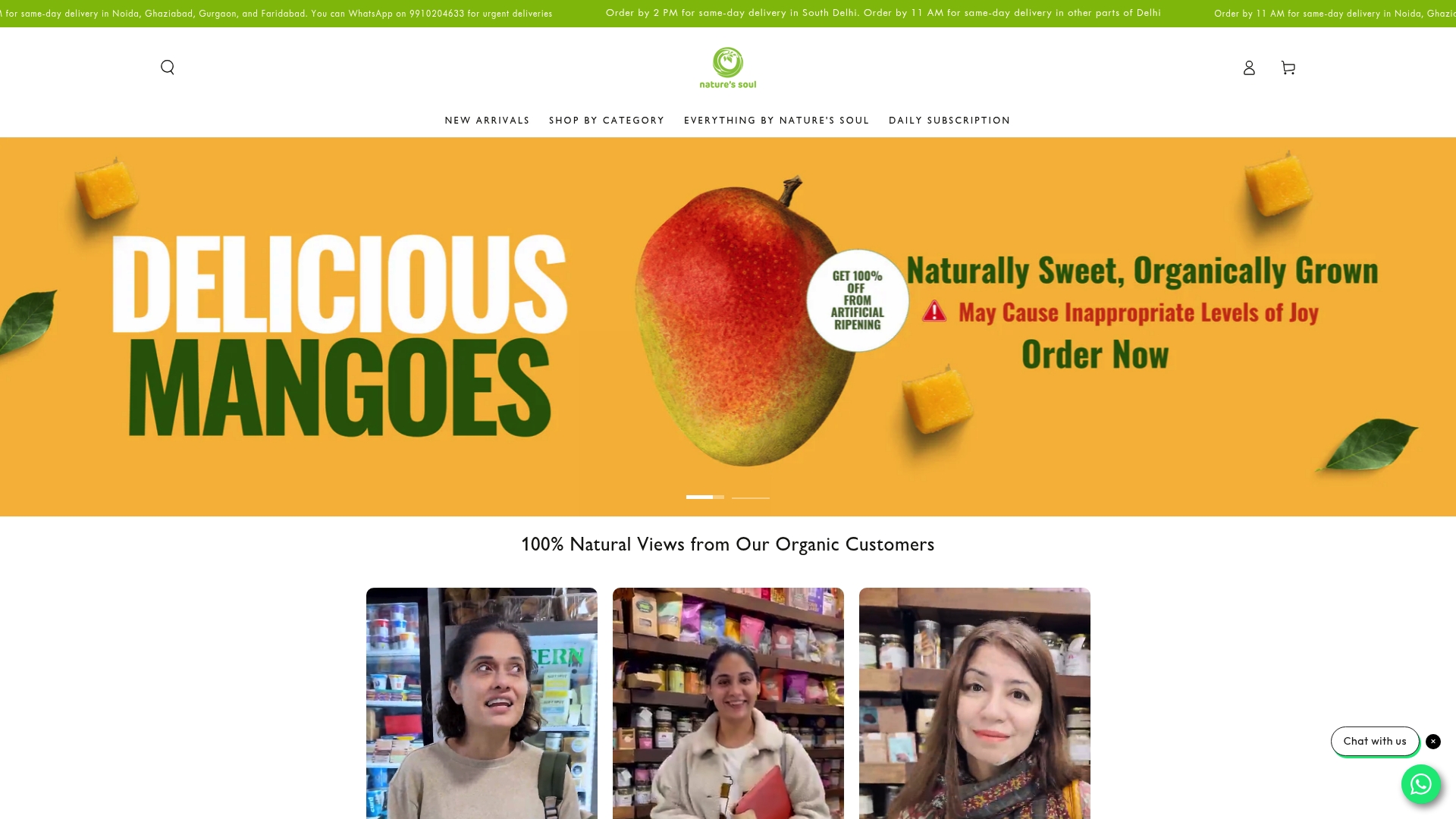
For families starting out, the fresh produce and veg-box options at Naturessoulshop are a practical first step: seasonal, certified, and delivered without the premium of a specialist retailer. Browse the full organic range at Naturessoulshop and put together a starter basket using the priority list from this guide.
Sources
- How to eat organic food on a budget - Soil Association
- Organic on a budget: Feeding a family on £44 - Wicked Leeks
- How to eat organic on a budget - U.S. News & World Report / Money
- Organic grocery list on a budget - Kure Organics
- How to budget for organic food: a complete guide - NewDayBudgeting
Recommended
- Affordable organic foods guide: eat healthy in India on a budget – naturessoulshop
- Tips for picky eaters: encourage healthy organic eating – naturessoulshop
- Switching to Organic: Step-by-Step Guide for Healthier Living – naturessoulshop
- Organic produce: a parent’s guide to safe choices – naturessoulshop


