


TL;DR:
- Buying organic foods with high pesticide contamination, such as strawberries and spinach, reduces exposure to harmful residues and PFAS chemicals. Items like avocados and pineapples are safe to buy conventionally due to their thick skins and low residue levels. Prioritizing organic purchases for the most contaminated foods and choosing conventionally for others offers an effective, budget-conscious approach.
Knowing what foods to buy organic is defined by one factor above all others: pesticide contamination levels. Not all produce carries equal risk, and spending your entire food budget on organic everything is neither necessary nor practical. The Environmental Working Group (EWG) publishes two annual lists, the Dirty Dozen and the Clean Fifteen, that give shoppers a clear, evidence-based framework for prioritising organic purchases. Animal products add a second layer of consideration. Getting this right means you reduce your pesticide exposure meaningfully without overspending.
1. Which fruits and vegetables should you always buy organic?
The Dirty Dozen list identifies the produce with the highest pesticide contamination, and it is the single most useful tool for choosing organic vegetables and fruit. 96% of Dirty Dozen samples tested positive for pesticide residues in 2026, with 63% containing PFAS, the so-called “forever chemicals” that do not break down in the body or environment. That figure is not a minor footnote. It means that buying conventional versions of these foods exposes you to a cocktail of residues on the vast majority of purchases.
The 2026 Dirty Dozen top items are:
- Strawberries — consistently the most contaminated fruit, with multiple pesticide types detected per sample
- Spinach — high PFAS detection rates make this a priority organic buy
- Kale, collard greens, and mustard greens — leafy greens absorb pesticides readily through their large surface area
- Grapes — thin skins offer no barrier to pesticide penetration
- Nectarines and peaches — soft-skinned stone fruits with high residue rates
- Apples and pears — frequently eaten raw, increasing cumulative exposure
- Bell peppers and hot peppers — among the highest number of distinct pesticide types detected
- Cherries and blueberries — small, thin-skinned, and often eaten in large quantities
Thin skins and high consumption frequency are the two factors that push these foods to the top of the organic priority list. You eat strawberries by the handful, not one at a time. That cumulative exposure matters.
The emergence of PFAS contaminants in produce has raised the stakes beyond traditional pesticide concerns. PFAS do not break down easily, which means repeated exposure from daily foods like spinach and leafy greens builds over time.
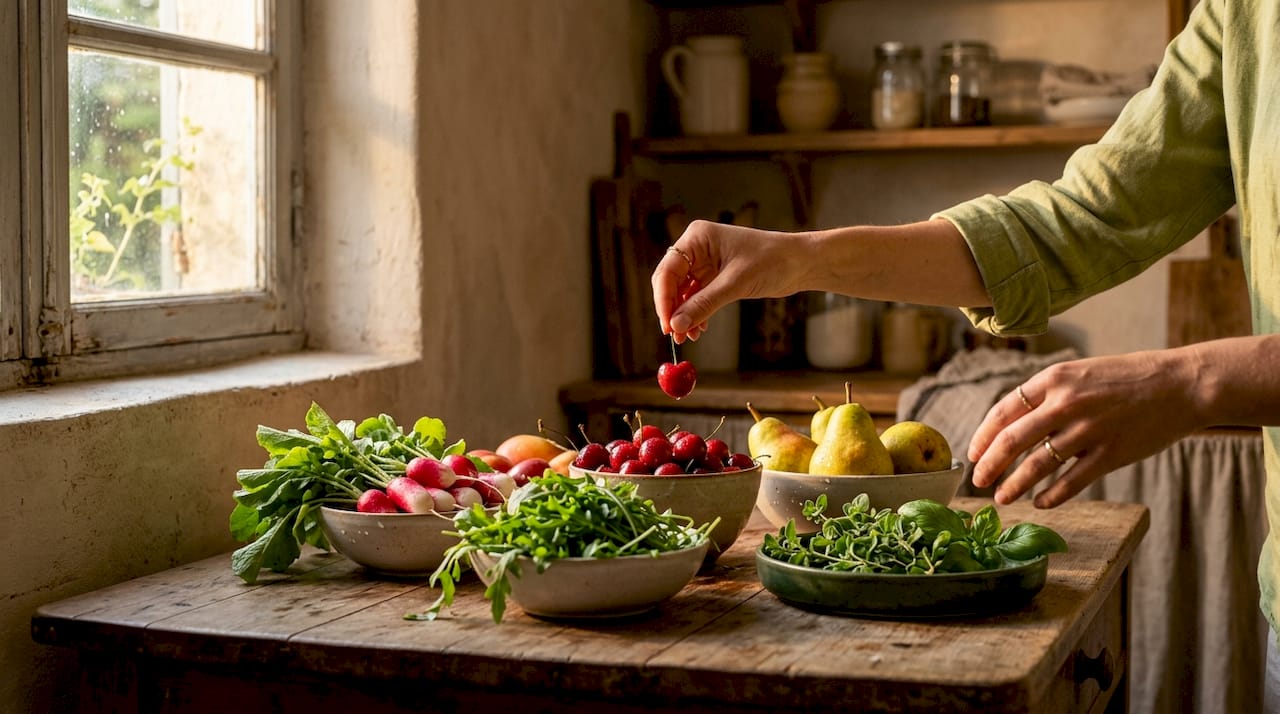
Pro Tip: Buy frozen organic strawberries and spinach when fresh organic is out of season or over budget. Frozen organic retains the pesticide reduction benefit at a lower price point.
2. What produce is safe to buy conventionally?
The Clean Fifteen list identifies produce where conventional buying carries minimal risk. Nearly 60% of Clean Fifteen samples had no detectable pesticide residues at all. That is a meaningful difference from the Dirty Dozen, and it gives budget-conscious shoppers a clear permission slip to spend less on these items.
The 2026 Clean Fifteen includes:
- Avocados — thick skin prevents pesticide penetration entirely
- Sweet corn — naturally pest-resistant and low-spray crop
- Pineapples — tough outer skin acts as a physical barrier
- Onions — low pesticide use due to natural pest deterrence
- Papayas — consistently low residue rates
- Sweet peas (frozen) — minimal surface exposure
- Asparagus — short growing season reduces spray frequency
- Honeydew melon and cantaloupe — thick rinds protect the edible flesh
- Kiwi — skin is discarded before eating
- Cabbage — outer leaves, which absorb most residue, are removed before eating
- Mushrooms — grown in controlled environments with low pesticide use
- Mangoes — thick skin and low residue detection rates
Avocados and pineapples have thick skins that physically prevent pesticide penetration, making them safe to buy conventionally regardless of budget. This is why choosing organic vegetables requires item-by-item thinking rather than a blanket rule.
Knowing this list lets you redirect your organic budget where it counts. If you spend £3 extra on organic avocados, you have wasted money that could have gone towards organic strawberries or spinach.
3. Which animal products are worth buying organic?
Organic animal products deserve a place in your shopping priorities alongside high-risk produce. Organic meat, dairy, and eggs come from animals raised on organic feed, without synthetic pesticides, fertilisers, antibiotics, or growth hormones. That distinction matters because pesticides and other chemicals concentrate as they move up the food chain, meaning residues in animal feed become residues in the products you eat.
Key organic animal products to prioritise:
- Dairy (milk, butter, cheese) — organic dairy contains higher levels of omega-3 fatty acids and avoids synthetic hormone residues
- Eggs — organic hens eat organic feed and are not given antibiotics routinely
- Chicken — poultry raised on conventional feed can carry pesticide residues in fat tissue
- Beef — organic cattle are not treated with synthetic growth hormones or routine antibiotics
Dietitians recommend prioritising organic animal products for families with young children, where cumulative chemical exposure carries greater developmental risk. The price premium on organic dairy and eggs is typically lower than on organic meat, making dairy and eggs the most practical starting point.
4. How to prioritise organic shopping on a budget
Spending extra on the highest-pesticide items is the most effective budget strategy for organic shopping. You do not need to buy everything organic. You need to buy the right things organic.
A practical approach:
- List your most frequently eaten foods. Daily consumption drives cumulative exposure. If you eat oats every morning, buy organic oats. If you eat salad greens every day, buy organic greens.
- Cross-reference with the Dirty Dozen. Any food you eat frequently that appears on the Dirty Dozen list becomes an automatic organic priority.
- Switch to frozen organic for berries and leafy greens. Frozen organic produce offers comparable pesticide reduction and nutritional value to fresh organic, often at significantly lower prices. Frozen organic spinach and blueberries are widely available and cost less per serving than fresh.
- Buy Clean Fifteen items conventionally. Redirect the money saved to your high-priority organic items.
- Shop seasonally and locally. Seasonal organic produce costs less because supply is higher. Local farmers’ markets often sell organic or low-spray produce at prices below supermarket organic lines.
- Prioritise organic dairy and eggs before organic meat. The price difference is smaller, and the benefit is real.
Eating a variety of fruits and vegetables daily matters more than buying only organic. Experts confirm that increasing overall produce consumption delivers greater health benefits than restricting yourself to organic-only options. Do not let the perfect be the enemy of the good.
Pro Tip: Washing produce removes surface residues but cannot remove systemic pesticides absorbed into plant tissue. Washing has real limits for Dirty Dozen items, which is why buying organic matters more for these than for thick-skinned produce.
For a deeper look at how organic farming differs from conventional methods, the Naturessoulshop guide on organic vs conventional farming explains the production differences that drive these contamination gaps. Understanding how leafy greens are grown under controlled lighting conditions also helps explain why indoor-grown varieties can carry lower residue rates, as covered in this overview of growing leafy greens with managed light environments.
5. What about nutrient differences between organic and conventional?
Scientific evidence shows no significant difference in nutrient density between organic and conventional produce. The health case for organic rests on pesticide reduction, not superior vitamins or minerals. This is a critical distinction that changes how you think about the value of organic food.
Public health agencies confirm that all produce, organic or conventional, meets food safety standards. Organic is not a guarantee of zero pesticides either. Even organic produce can carry residues from permitted natural pesticides and cross-contamination from neighbouring conventional farms. The advantage of organic is a meaningful reduction in synthetic pesticide load, not complete elimination.
Taste differences between organic and conventional produce have no strong scientific backing. Budget and availability should guide your choices, not assumptions about flavour. For a practical guide to eating organic affordably, Naturessoulshop covers strategies that work across different budget levels.
Key takeaways
Prioritising organic purchases based on pesticide contamination levels, starting with the Dirty Dozen and organic animal products, delivers the greatest health benefit per pound spent.
| Point | Details |
|---|---|
| Dirty Dozen first | Buy organic strawberries, spinach, kale, grapes, and other high-residue items as a priority. |
| Clean Fifteen conventionally | Avocados, pineapples, onions, and sweet corn are safe to buy non-organic without significant risk. |
| Organic animal products matter | Organic dairy, eggs, and meat avoid synthetic hormones, antibiotics, and feed pesticides. |
| Frozen organic saves money | Frozen organic berries and greens offer the same pesticide reduction as fresh at lower cost. |
| Eat more produce overall | Increasing fruit and vegetable intake matters more for health than buying only organic. |
My honest view on organic shopping
I have spent years watching people tie themselves in knots over organic food. They buy organic avocados and conventional strawberries, spending money in exactly the wrong direction. The Dirty Dozen and Clean Fifteen framework cuts through that confusion cleanly, and I think it is the single most useful piece of nutritional guidance most shoppers never act on.
The science is clear: organic food does not deliver a nutritional upgrade. What it does deliver is a meaningful reduction in synthetic pesticide exposure for the items that carry the highest contamination. That is worth paying for, selectively. Spinach, strawberries, and kale eaten daily represent a genuine cumulative exposure risk that organic purchasing addresses directly.
What I find underappreciated is the PFAS angle. These are not pesticides that wash off or break down. They persist in the body and the environment. The fact that 63% of Dirty Dozen samples tested positive for PFAS in 2026 changes the calculus for me. This is no longer just about traditional pesticide residues.
My practical advice is this: make a list of the five foods you eat most often. Check them against the Dirty Dozen. Buy those organic first, every time, before worrying about anything else. Then use the money you save on Clean Fifteen items to cover the cost. Supporting organic farming where it matters most also has real environmental benefits, as Naturessoulshop’s piece on the environmental impact of organic food explains well.
Progress over perfection is the only mindset that works long-term.
— Arjit
Organic groceries made straightforward at Naturessoulshop
Knowing which foods to prioritise is only half the work. Finding them reliably and affordably is the other half.
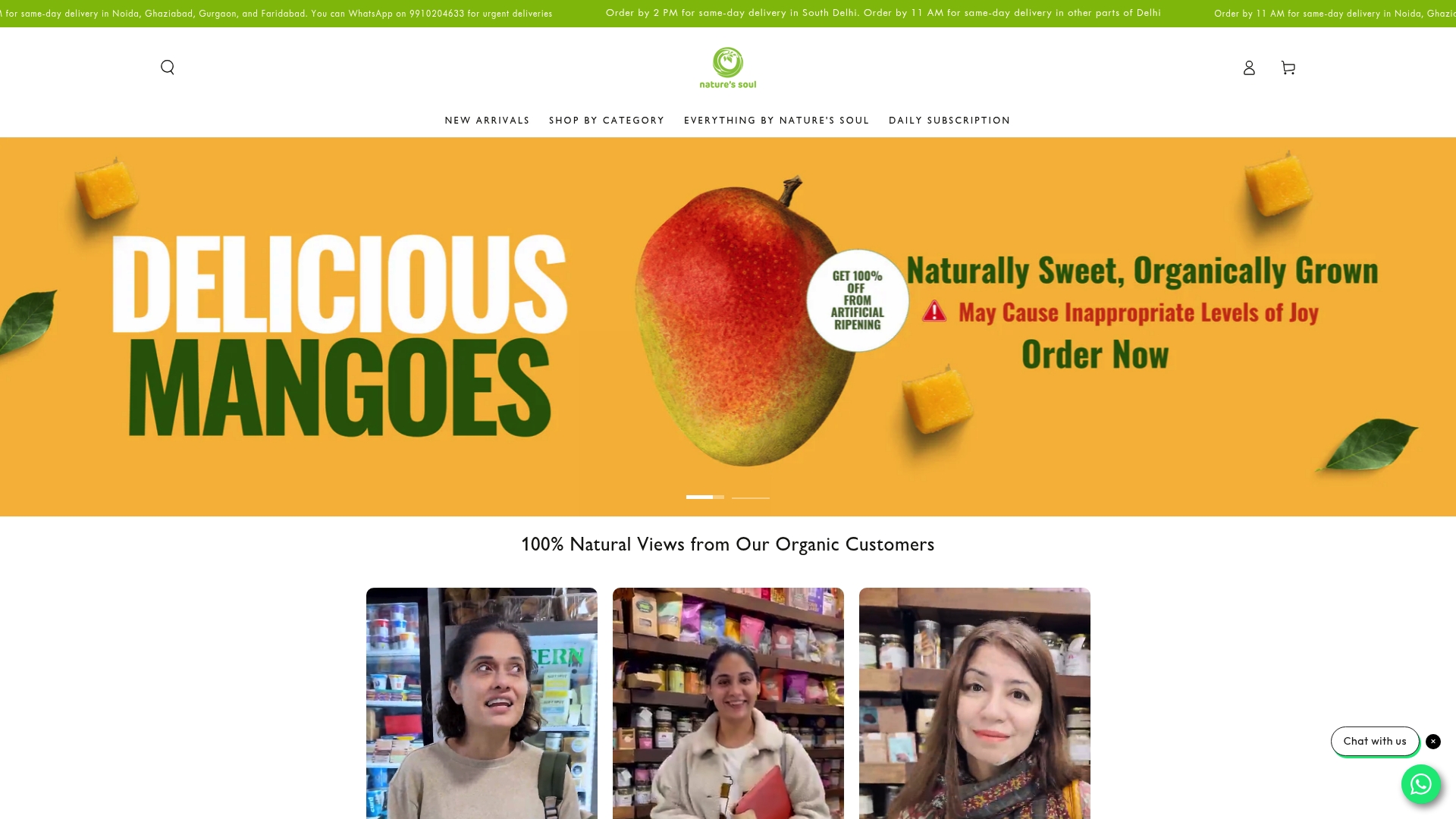
Naturessoulshop stocks a wide range of organic fresh produce covering the key Dirty Dozen items, including organic berries, leafy greens, and peppers, alongside organic dairy, eggs, and meat. Frozen organic options are available for budget-conscious shoppers who want pesticide reduction without the fresh-produce price tag. The full range of organic groceries, from dry goods to health products, is available through the Naturessoulshop online store. Browse by category to find exactly the organic items this guide recommends prioritising.
FAQ
What is the Dirty Dozen list?
The Dirty Dozen is an annual list published by the Environmental Working Group identifying the 12 fruits and vegetables with the highest pesticide residue levels. In 2026, strawberries, spinach, and kale top the list.
Does washing produce remove pesticides?
Washing removes surface pesticide residues but cannot remove systemic pesticides absorbed into plant tissue. For Dirty Dozen items, buying organic is more effective than washing conventional produce.
Are organic foods more nutritious than conventional?
Scientific evidence shows no significant difference in nutrient density between organic and conventional produce. The main benefit of organic is reduced pesticide exposure, not higher vitamin or mineral content.
Which organic foods are worth buying on a tight budget?
Prioritise organic versions of the foods you eat most often that appear on the Dirty Dozen list, such as strawberries, spinach, and grapes. Frozen organic options for berries and leafy greens offer the same benefit at lower cost.
Do I need to buy all my produce organic?
No. Clean Fifteen items like avocados, pineapples, and onions have minimal pesticide residues and are safe to buy conventionally. Focusing your organic budget on high-risk items delivers the greatest benefit.


