


Organic fruit has a powerful pull for anyone serious about clean eating. Yet the conversation around it is tangled with half-truths. Many people assume organic automatically means more vitamins, zero pesticides, and dramatically better health outcomes. The reality is more nuanced and, frankly, more interesting. Organic fruits show 30-70% lower pesticide residues than conventional options, but the nutritional picture is far more complex. This guide cuts through the noise, giving you clear, evidence-based answers so you can make smarter, healthier choices every time you fill your fruit bowl.
Table of Contents
- What makes organic fruit different?
- Nutritional differences: Organic vs conventional fruit
- Health benefits and considerations of organic fruit
- Organic fruit, sustainability, and clean eating trends
- The real key: More fruit, not just organic
- Explore clean eating with organic fruit
- Frequently asked questions
Key Takeaways
| Point | Details |
|---|---|
| Pesticides are lower in organic | Organic fruits have significantly reduced pesticide residues compared to conventional produce. |
| Nutritional differences are minor | Most vitamins and minerals are similar in organic and conventional fruit, with only slight variation in antioxidants. |
| Fruit quantity trumps label | Health benefits mainly come from eating enough fruit, whether organic or conventional. |
| Sustainability matters | Organic farming practices favour soil health and reduced chemicals, supporting clean eating and the environment. |
What makes organic fruit different?
Organic fruit is grown under a strict set of regulated farming standards. Certified organic producers cannot use most synthetic pesticides, artificial fertilisers, or genetically modified organisms. Instead, they rely on natural pest management, crop rotation, and composting to maintain soil health. This is not simply a marketing label. It represents a fundamentally different relationship between farming and the land.
People choose organic fruit for several interconnected reasons:
- Reduced pesticide exposure: Fewer synthetic chemicals on the fruit and in the soil
- Environmental sustainability: Organic farming supports soil biodiversity and reduces chemical runoff into waterways
- Non-GMO assurance: Certified organic means no genetically modified varieties
- Ethical farming values: Many consumers want their food choices to align with broader environmental principles
What does certification actually mean in practice? It means third-party inspectors verify that farms meet national organic standards year after year. It is not a one-time badge. Farms must maintain detailed records, avoid prohibited substances, and undergo regular audits.
Organic farming also influences plant stress responses in ways that affect the fruit’s chemical composition. When plants face mild environmental stressors without synthetic chemical support, they produce more of their own protective compounds. This is relevant to the nutritional conversation, as we will explore shortly.
On pesticide residues specifically, the evidence is clear. Studies report 30-70% reductions in pesticide residues on organic fruit compared to conventional, with fewer instances of multiple residues appearing on a single piece of fruit. Understanding the organic vs conventional differences in farming approach helps explain why this gap exists. For a deeper look at how these systems work, the organic farming practices behind certification reveal just how different the two approaches really are.
“Organic farming is not just about what you leave out. It is about building a system where the soil, the plant, and the ecosystem work together.”
Nutritional differences: Organic vs conventional fruit
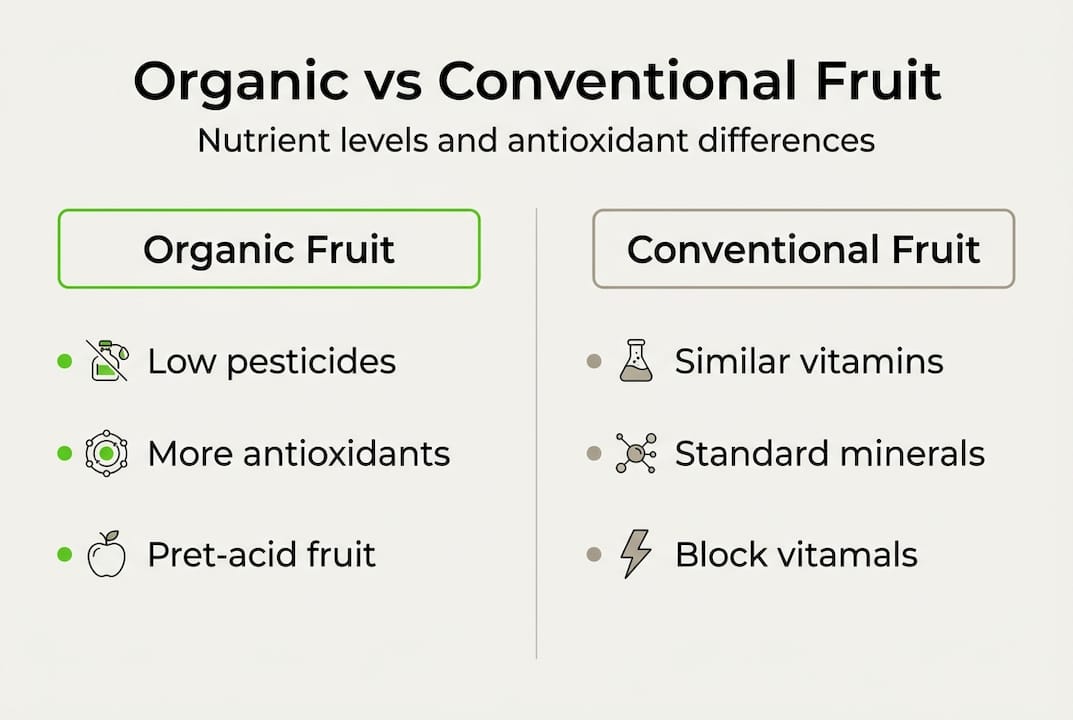
Here is where many people are surprised. When it comes to standard vitamins and minerals, the difference between organic and conventional fruit is largely negligible. Vitamins and minerals show minimal or inconsistent differences across systematic reviews. An organic apple and a conventionally grown apple will deliver roughly the same vitamin C, potassium, and fibre.
However, the story changes when you look at antioxidants. Organic fruits may contain 10-50% more polyphenols and flavonoids in some cases. These are the plant compounds linked to reduced inflammation and cellular protection. The reason ties back to plant stress: without synthetic pesticides shielding them, organic plants produce more of their own defence chemicals, which happen to be beneficial for human health.
| Nutrient | Organic fruit | Conventional fruit |
|---|---|---|
| Vitamin C | Similar | Similar |
| Potassium | Similar | Similar |
| Fibre | Similar | Similar |
| Polyphenols | Potentially higher | Baseline |
| Flavonoids | Potentially higher | Baseline |
| Pesticide residues | Significantly lower | Higher |
This table reflects the current research consensus. It is not a reason to dismiss conventional fruit. It is a reason to understand what organic actually offers and what it does not.
For a closer look at specific varieties, the best organic fruit comparison breaks down which fruits tend to show the greatest differences. You can also explore the broader nutritional value of organic foods across categories beyond just fruit.
Pro Tip: Freshness and variety matter more than the organic label alone. A ripe, locally grown conventional peach will outperform an organic one that has travelled for two weeks. Prioritise seasonal and fresh wherever possible.
Health benefits and considerations of organic fruit
Let us be direct: systematic reviews show no firm evidence that eating organic fruit reduces cancer risk or other disease outcomes compared to conventional fruit. This does not mean organic is without value. It means the research has not yet found a measurable clinical difference in long-term disease outcomes between the two groups.
What the research does confirm is that eating fruit itself, in good quantity and variety, is one of the most powerful dietary habits you can build. The organic label is secondary to the act of eating fruit regularly.
That said, reducing pesticide exposure matters most for vulnerable groups. Pregnant women and young children are more sensitive to pesticide residues, making organic a sensible priority for these households.
Here are practical steps for integrating organic fruit wisely:
- Start with the highest-residue fruits. Strawberries, grapes, and apples consistently appear on high-residue lists. These are worth buying organic first.
- Wash all fruit thoroughly. Even organic fruit benefits from a proper rinse under running water.
- Prioritise variety. Rotate your fruit choices across the week to cover different antioxidant profiles.
- Buy local and seasonal. Shorter supply chains mean fresher fruit and often lower pesticide use.
- Check your sources. Know where your fruit comes from, organic or not.
| Health outcome | Evidence from organic diets |
|---|---|
| Reduced cancer risk | No significant difference found |
| Lower pesticide exposure | Consistently demonstrated |
| Higher antioxidant intake | Possible in some varieties |
| Better gut health | Insufficient evidence |
For families navigating these choices, the safe choices for families guide offers targeted advice. You can also explore the real benefits for families when making the switch to organic produce.
Pro Tip: If budget is a concern, focus your organic spend on fruits your family eats most frequently and in the largest quantities. That is where the cumulative pesticide exposure reduction is greatest.
Organic fruit, sustainability, and clean eating trends
Clean eating is not just a personal health choice. For many people, it is an ethical stance. Organic fruit sits at the intersection of personal wellness and environmental responsibility, which is a large part of why demand has grown so steadily.
Organic farming supports soil biodiversity, reduces synthetic chemical runoff, and often uses less energy-intensive inputs. However, it is not without tradeoffs. Organic yields can be lower, meaning more land may be needed to produce the same volume of food. The picture is complex, and honest clean eating means acknowledging that complexity.
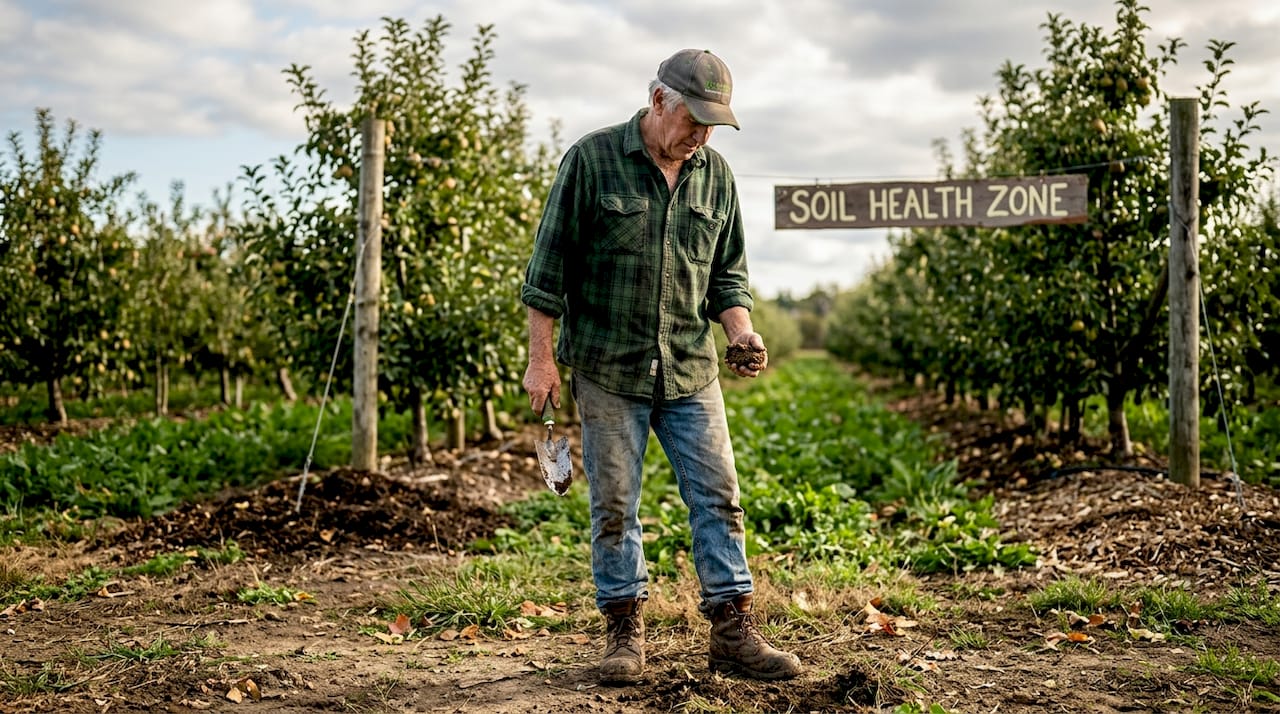
Soil health and diet quality are deeply connected. Nutrient-dense soil produces more nutritious fruit, regardless of whether it carries an organic label. Regenerative farming practices, which go beyond organic certification, are increasingly recognised as the frontier of sustainable food production.
One important nuance: organic fruits can carry legacy pesticides from historical soil contamination. Banned substances can persist in soil for years. This does not make organic worse than conventional, but it does mean the organic label is not an absolute guarantee of zero pesticide presence.
Here is how to make balanced fruit choices:
- Choose seasonal fruit to reduce transport emissions and maximise freshness
- Support local organic growers where possible, as shorter supply chains reduce environmental impact
- Look beyond the label to farming practices and soil management
- Wash all fruit, organic or conventional, before eating
- Consider the organic environmental impact of your choices as part of a wider lifestyle approach
“The organic label is a starting point, not the finish line. Knowing your farmer and understanding how your food is grown will always tell you more than a sticker.”
If you are ready to make a change, the switching to organic guide offers a practical, step-by-step approach.
The real key: More fruit, not just organic
After years of working with health-conscious eaters, we have noticed a pattern. People get so focused on the organic label that they eat less fruit overall because they cannot always afford or access organic options. This is the wrong trade-off.
The single most impactful change most people can make is simply eating more fruit, more often, in greater variety. Organic is a valuable layer on top of that foundation, particularly for pesticide-sensitive households and those who care deeply about sustainable farming. But it is not the foundation itself.
Freshness, local sourcing, and minimal processing will do more for your nutrition than an organic label on fruit that has been sitting in cold storage for three weeks. We see this play out constantly. A flexible, informed approach to fruit eating, one that prioritises diversity and quantity, will serve your health far better than an all-or-nothing stance.
For adults navigating their nutritional needs, understanding adult nutrition needs across the 25 to 45 age range helps put these choices into a broader, more useful context. Eat more fruit. Make it varied. Choose organic where it matters most to you. That is the practical wisdom here.
Explore clean eating with organic fruit
If this guide has sparked a desire to take your fruit choices further, we have made it easy to act on that. At Nature’s Soul, we source organic and natural produce with clean ingredients and full transparency about where your food comes from.
Browse our Nature’s Soul Fresh range for seasonal, quality organic fruit delivered to your door. If you are looking to build a broader clean eating lifestyle, explore our full organic health selection across fruits, vegetables, dairy, and more. Real food, clean ingredients, and choices you can feel good about.
Frequently asked questions
Are organic fruits completely pesticide-free?
Organic fruits are not always completely free from all pesticides. While organic fruits show lower residues than conventional options, legacy pesticides from soil contamination can still occasionally appear.
Do organic fruits taste better than conventional ones?
Taste depends on the variety, ripeness, and freshness of the fruit rather than its organic status. A freshly picked conventional fruit will often taste better than an organic one that has been stored for weeks.
Should I prioritise buying organic fruit for my children?
Organic fruit is a sensible priority for young children, given their sensitivity to pesticides. However, overall fruit intake matters most for their health, so never let the organic label stop them from eating fruit regularly.
Is there strong evidence that eating organic fruit reduces disease risk?
No. No firm evidence exists from systematic reviews that organic fruit diets reduce cancer risk or other disease outcomes compared to conventional fruit diets.
What’s the best way to maximise the nutrition from fruit?
Eat a wide variety of fruit regularly, prioritise freshness and seasonal options, and wash everything thoroughly. These habits matter far more than whether your fruit carries an organic label.
Recommended
- Best sources of antioxidants for your health in 2026 – naturessoulshop
- Organic Meat Benefits: Why Make the Switch in 2025? – naturessoulshop
- Why choose organic vegetables? Real benefits for families – naturessoulshop
- Understanding Nutritional Value of Organic Foods – naturessoulshop
- Unlocking Longevity 2024: Practical Tips and Routines for a Longer, He – LifeUnlocked


