


TL;DR:
- A healthy gut microbiome varies greatly between individuals, emphasizing the importance of function over specific bacteria profiles.
- Diet, lifestyle, and gradual changes significantly influence gut health, supporting resilience and metabolic flexibility.
- Focusing on symptom consistency and daily habits provides a more accurate assessment than single microbiome test results.
Your gut is home to roughly 38 trillion microorganisms, and the scientific term for this community is the gut microbiota. Most people searching for a healthy gut microbiome assume there is one ideal profile to aim for. There is not. The ISAPP expert panel defines gut health as normal gastrointestinal function without disease, while acknowledging that microbiome composition varies enormously between healthy individuals. What matters far more than matching someone else’s microbial blueprint is understanding how your own gut functions, what it responds to, and how to support it consistently.
Table of Contents
- Key takeaways
- What defines a healthy gut microbiome
- Foods that shape your gut microbiome
- Lifestyle factors beyond diet
- How to track and improve your gut health practically
- My honest take on gut health advice
- Support your gut with Naturessoulshop
- FAQ
Key takeaways
| Point | Details |
|---|---|
| No universal microbiome exists | Your gut bacteria balance is unique; focus on function and symptoms, not ideal species lists. |
| Diet shapes your microbiome most | Fibre-rich, diverse whole foods feed beneficial microbes and drive short-chain fatty acid production. |
| Lifestyle factors count equally | Sleep quality, stress levels, and regular exercise all influence your gut flora in measurable ways. |
| Gradual changes work best | Introduce fermented foods and prebiotics slowly to avoid bloating and allow your microbiome to adjust. |
| Symptoms are your best tracker | Comfortable digestion, steady energy, and good immune resilience are stronger signals than any stool test snapshot. |
What defines a healthy gut microbiome
The question sounds simple. The answer is not. Researchers have moved away from defining gut health by which specific bacterial species are present and towards identifying functional traits that appear consistently in people without digestive disease.
The traits that matter most include:
- Diversity: A wider range of microbial species creates resilience. When one group is disrupted, others can compensate.
- Resilience: A healthy microbiome bounces back after disruption, whether from illness, antibiotics, or a rough week of eating.
- Functional redundancy: Multiple species can perform the same metabolic task, so the system keeps working even when composition shifts.
- Metabolic flexibility: The ability to produce beneficial compounds like short-chain fatty acids (SCFAs) across a range of dietary inputs.
“Healthy gut microbiomes are characterised by their functional outputs, not their taxonomic profiles. Tracking over time reveals far more than any single snapshot.” — ISAPP expert consensus
This is why a single stool test, taken once, tells you very little. Gut health is individual and dynamic, shaped by your genetics, geography, diet history, and even the people you live with. Two people eating identical diets can have meaningfully different microbial communities, yet both can be perfectly healthy. What you are looking for is not a match to someone else’s microbiome. You are looking for a system that functions well for you.
Multiple distinct microbiome configurations are associated with good health markers across large population studies. The one-size-fits-all approach to gut health has no scientific basis. It is also worth noting that microbial metabolites such as indole-3-propionic acid regulate mucosal barrier function and immune signalling. The metabolites your microbiome produces are a more reliable marker of gut health than any species count.
Foods that shape your gut microbiome
Diet is the single most powerful lever you have. Your gut bacteria eat what you eat. A Mayo Clinic expert puts it plainly: beneficial microbes thrive on fibre and polyphenol-rich whole foods, while processed, high-fat, high-sugar diets starve them out. When beneficial bacteria decline, less helpful species fill the gap. That is dysbiosis, and its symptoms range from bloating and irregular bowel movements to fatigue, brain fog, and increased susceptibility to illness.
The foods that consistently support a thriving gut include:
- Fermented foods: Yoghurt, kefir, kimchi, sauerkraut, miso, and kombucha introduce live cultures and support existing beneficial bacteria. You can explore non-dairy probiotic options if you avoid dairy.
- Prebiotic-rich foods: Garlic, onions, leeks, asparagus, oats, and bananas feed the bacteria already living in your gut. Think of prebiotics as fertiliser.
- Diverse plant foods: Aiming for 30 or more different plant foods per week has been linked to greater microbial diversity in research cohorts.
- Polyphenol sources: Berries, dark chocolate, green tea, olive oil, and legumes contain compounds that beneficial bacteria convert into anti-inflammatory metabolites.
The mechanism behind much of this is SCFA production. Fibre-rich diets increase SCFAs within 48 hours of dietary change. SCFAs like butyrate fuel the cells lining your colon, support immune regulation, and reduce inflammation throughout the body. This is why eating more vegetables is not just general wellness advice. It has a direct, measurable effect on gut function.
On the other side, ultra-processed foods, refined sugars, and diets heavy in saturated fat consistently reduce microbial diversity and suppress SCFA production. The impact on gut bacteria balance is not subtle. Even a few days of poor eating can shift your microbial community. The good news is that the shift back is equally fast when you return to whole foods.

Pro Tip: Do not overhaul your diet overnight. Add one new plant food or fermented ingredient each week. Your gut needs time to adjust its enzyme production and microbial population, and going too fast causes unnecessary bloating and discomfort.
Understanding the difference between prebiotics and probiotics helps you build a more deliberate approach to feeding your microbiome rather than simply reaching for a supplement.
Lifestyle factors beyond diet
Food gets most of the attention, but the gut microbiome responds to your entire way of living. Here are the lifestyle factors that research consistently links to better gut function:
-
Sleep quality. Poor or irregular sleep disrupts the circadian rhythms that govern microbial activity. Your gut bacteria have their own daily cycles, and sleep, stress, and exercise all influence microbiome function and inflammation levels. Aim for seven to nine hours of consistent, quality sleep.
-
Stress management. Chronic stress triggers the release of cortisol and adrenaline, which alter gut motility, reduce microbial diversity, and increase intestinal permeability. Practices like mindful breathing, walking in nature, and limiting news consumption have measurable effects on gut health over time.
-
Regular physical activity. Moderate exercise, particularly aerobic activity, has been shown to increase microbial diversity and support SCFA-producing bacteria. You do not need intense training. A 30-minute walk most days is enough to make a difference.
-
Antibiotic awareness. Antibiotics are sometimes necessary, but they are indiscriminate. They reduce both harmful and beneficial bacteria. Probiotics reduce the risk of antibiotic-associated diarrhoea by roughly 30 to 40 per cent, though the benefit depends heavily on the specific strain and timing. Do not self-prescribe. Speak to your GP about which strain is appropriate for your situation.
-
Probiotic strain specificity. Not all probiotics are equal. Probiotic use should be strain and context specific, particularly around antibiotic courses. A generic probiotic from a supermarket shelf may do little for your particular needs.
Pro Tip: If you are taking antibiotics, ask your doctor about timing your probiotic dose. Taking it too close to the antibiotic can reduce its effectiveness. A two-hour gap is commonly recommended, but your clinician will advise based on your specific medication.
How to track and improve your gut health practically
Most people who want to improve their gut health reach immediately for a microbiome testing kit. The appeal is understandable. You want data. But a single stool test is a snapshot of one moment, and gut health is better assessed through symptom patterns, diet tolerance, and lifestyle context than through species counts alone.
Here is a practical comparison of what actually signals gut health versus what people often fixate on:
| What people focus on | What actually matters |
|---|---|
| Species diversity score from a test kit | Consistent digestive comfort after meals |
| Presence of specific bacterial strains | Stable energy levels throughout the day |
| Matching a published microbiome profile | Tolerating a wide range of whole foods without discomfort |
| Probiotic supplement brand | Quality and variety of daily food intake |
| Single test result | Symptom trends tracked over weeks and months |
The most reliable signs that your gut is functioning well include regular, comfortable bowel movements, no persistent bloating or cramping, good energy after eating, and a resilient immune system. These are the outputs of a functional microbiome. They are worth more than any taxonomic report.
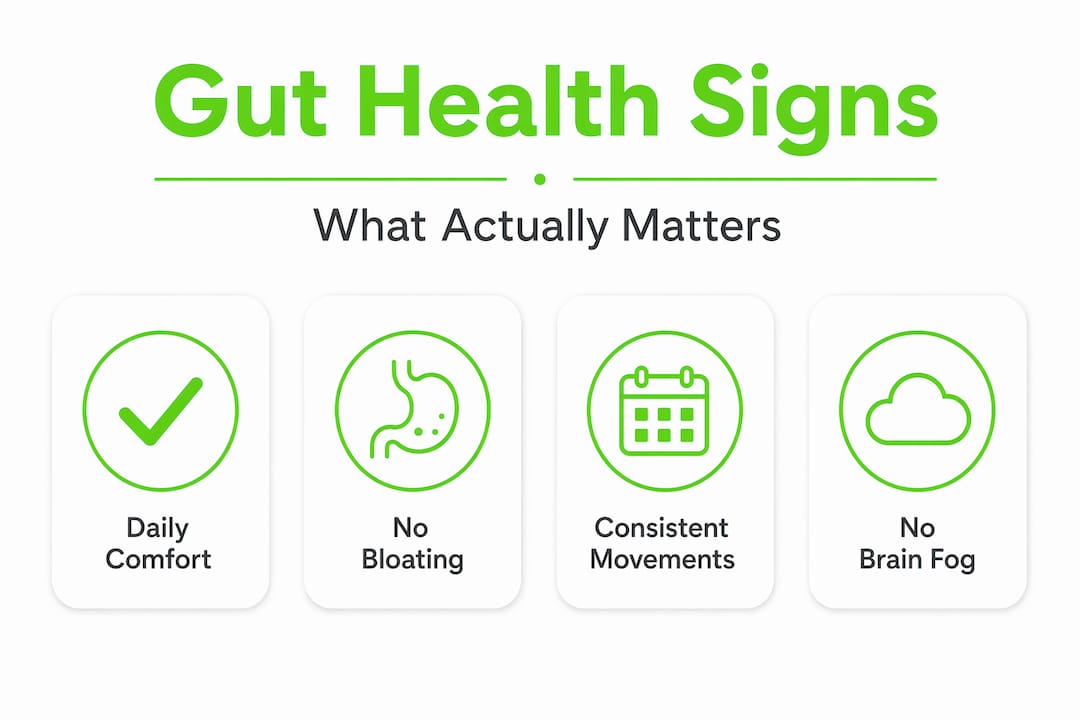
When you do make changes, whether adding fermented foods, increasing fibre, or adjusting your sleep, give your gut at least four to six weeks before drawing conclusions. Introducing fermented foods gradually reduces the gas and bloating that often put people off. One new food at a time, in small portions, allows your microbial community to adjust without overwhelming it.
Tracking symptoms in a simple food and wellbeing diary is one of the most underrated gut health tips available. It costs nothing and reveals patterns that no test can capture.
My honest take on gut health advice
I have spent years working in the wellness space and speaking with people who have tried everything to fix their gut. The most common mistake I see is chasing the idea of a perfect microbiome profile. People spend money on expensive tests, buy armfuls of supplements, and then feel defeated when nothing changes dramatically.
What I have learned is that function beats taxonomy every time. I do not care which species are living in your gut. I care whether you are digesting comfortably, sleeping well, and eating a varied diet. Those three things, done consistently, will do more for your gut than any supplement stack.
The other thing I have noticed is that people underestimate the power of patience. Your gut microbiome is an ecosystem. You cannot rewild a forest in a week. Consistent, small changes over months are what genuinely shift the microbial community towards better function. The readers who see real results are not the ones who did a dramatic 30-day cleanse. They are the ones who quietly added more vegetables, started sleeping better, and stuck with it.
My practical advice: focus on improving gut health naturally through food first, lifestyle second, and targeted supplements only when there is a specific clinical reason. That order of priority is backed by evidence, and it is also the most sustainable path.
— Arjit
Support your gut with Naturessoulshop
If you are ready to put this into practice, the quality of your ingredients matters. Naturessoulshop was built around exactly this principle: that clean, organic, whole ingredients are the foundation of genuine wellness.
At Naturessoulshop, you will find fresh produce, fibre-rich dry groceries, fermented and vegan-friendly foods, and a range of products designed to make eating well straightforward. Whether you are building a prebiotic-rich meal plan, exploring fermented foods for the first time, or simply trying to reduce the processed food in your kitchen, the range covers every step. Browse the health-focused product range to find options that fit your dietary needs, from gluten-free grains to plant-based proteins. For the freshest ingredients to nourish your gut daily, explore Nature’s Soul Fresh for seasonal, quality produce delivered to your door.
FAQ
What does a healthy gut microbiome actually look like?
A well-functioning gut microbiome is characterised by high diversity, resilience after disruption, and strong production of beneficial metabolites like SCFAs. There is no single species profile that defines health; function and symptom comfort matter far more than any specific bacterial count.
What are the most common dysbiosis symptoms?
Dysbiosis symptoms include persistent bloating, irregular bowel movements, fatigue, brain fog, food intolerances, and frequent illness. These signs suggest the gut bacteria balance has shifted away from a functional state and may benefit from dietary and lifestyle changes.
How long does it take to improve gut flora?
Fibre-rich diets can increase SCFA production within 48 hours, but meaningful shifts in microbial community structure typically take four to twelve weeks of consistent dietary and lifestyle changes. Patience and consistency matter more than intensity.
Do probiotics genuinely help?
The benefits of probiotics are real but strain-specific. Research shows they can reduce antibiotic-associated diarrhoea by 30 to 40 per cent when the right strain is used at the right time. For general gut support, fermented foods are often a more practical and evidence-backed starting point than supplements.
How can I support gut health without expensive tests?
Track your symptoms, energy levels, and food tolerance over several weeks. Comfortable digestion, steady energy, and tolerance of diverse whole foods are reliable indicators that your microbiome is in good shape. No test kit required.


