


TL;DR:
- Indian organic foods require NPOP certification and the India Organic logo for authenticity.
- Buying local, seasonal, and bulk staples reduces organic food costs significantly.
- Prioritize organic for high-pesticide produce, and verify labels when shopping online or in stores.
Wanting to eat organic is one thing. Actually doing it without watching your grocery budget spiral is another challenge entirely. Many Indian families feel caught between wanting cleaner, safer food and facing prices that seem out of reach. On top of that, confusing labels and vague claims like “natural” or “farm fresh” make it genuinely hard to know what you are actually buying. This guide cuts through the noise with straightforward, practical steps to help you shop smarter, spend less, and feel confident that what lands on your plate is the real thing.
Table of Contents
- Understanding organic foods and certifications in India
- Choosing affordable organic foods: budget-friendly strategies
- Smart shopping: where and what to buy for the best value
- Eating healthy, even on a tight budget: practical meal tips
- Why smart organic eating is about more than just the price
- Find your affordable organic essentials with Nature’s Soul
- Frequently asked questions
Key Takeaways
| Point | Details |
|---|---|
| Certifications matter | Look for the India Organic logo to avoid greenwashing and ensure true organic quality. |
| Local and seasonal wins | Local, in-season organic foods offer the best balance of price and nutritional value. |
| Strategic shopping | Buy organic selectively and use bulk, staples, and loyalty deals to manage your grocery budget. |
| Flexible meal planning | Simple meal ideas and smart substitutions make eating organic possible for any family. |
Understanding organic foods and certifications in India
Before you spend a single rupee on anything labelled organic, it helps to understand what that word actually means under Indian law. Organic food in India must be grown without synthetic pesticides, chemical fertilisers, or genetically modified organisms. The entire production process, from soil management to harvesting and packaging, is regulated. This is not just a marketing term; it is a legally defined standard.
The primary body overseeing this is the National Programme for Organic Production (NPOP), administered by APEDA (Agricultural and Processed Food Products Export Development Authority) under the Ministry of Commerce. The FSSAI (Food Safety and Standards Authority of India) also plays a role in domestic labelling standards. Together, these bodies ensure that certified organic products meet strict criteria before reaching your hands.
The most important thing to look for on any pack is the India Organic logo. This unified certification seal, introduced as a single recognisable mark in 2024, tells you that the product has been verified by one of the 37 accredited certification bodies operating under NPOP, with a 3-year certification cycle and annual surveillance checks in between.
Why does this matter so much? Because greenwashing is rampant. Brands use words like “natural,” “eco-friendly,” or “chemical-free” with zero regulatory backing. Paying a premium for such products means you are essentially funding clever marketing, not genuine organic farming. Learning to identify genuine organic products protects both your health and your wallet.
| Logo or mark | What it means | Validity |
|---|---|---|
| India Organic logo | NPOP-certified, verified by accredited body | 3 years, annual checks |
| FSSAI organic label | Meets domestic food safety standards | Ongoing compliance |
| “Natural” or “Farm Fresh” | No regulatory backing, marketing only | Not applicable |
| Imported organic seals | May not align with Indian NPOP standards | Varies |
Quick tips to read packaging for authenticity:
- Look for the India Organic logo, not just the word “organic”
- Check for the name of the certifying agency printed on the pack
- Verify the certification number if listed
- Avoid products that only say “natural” or “pesticide-free” without a logo
- When in doubt, check the brand’s certification status on the APEDA website
Pro Tip: Understanding the difference between organic and conventional foods before you shop helps you make faster, smarter decisions at the store without second-guessing every label.
Choosing affordable organic foods: budget-friendly strategies
Organic does not have to mean expensive. The key is knowing which choices give you the most value for your money and building a few smart habits around how and when you buy.
The single most effective strategy is buying local and in-season produce. Seasonal organic foods cost less because they require less effort to grow, travel shorter distances, and arrive fresher. A bunch of organic spinach in winter costs far less than the same bunch in summer when it is out of season and transported from a distant farm.
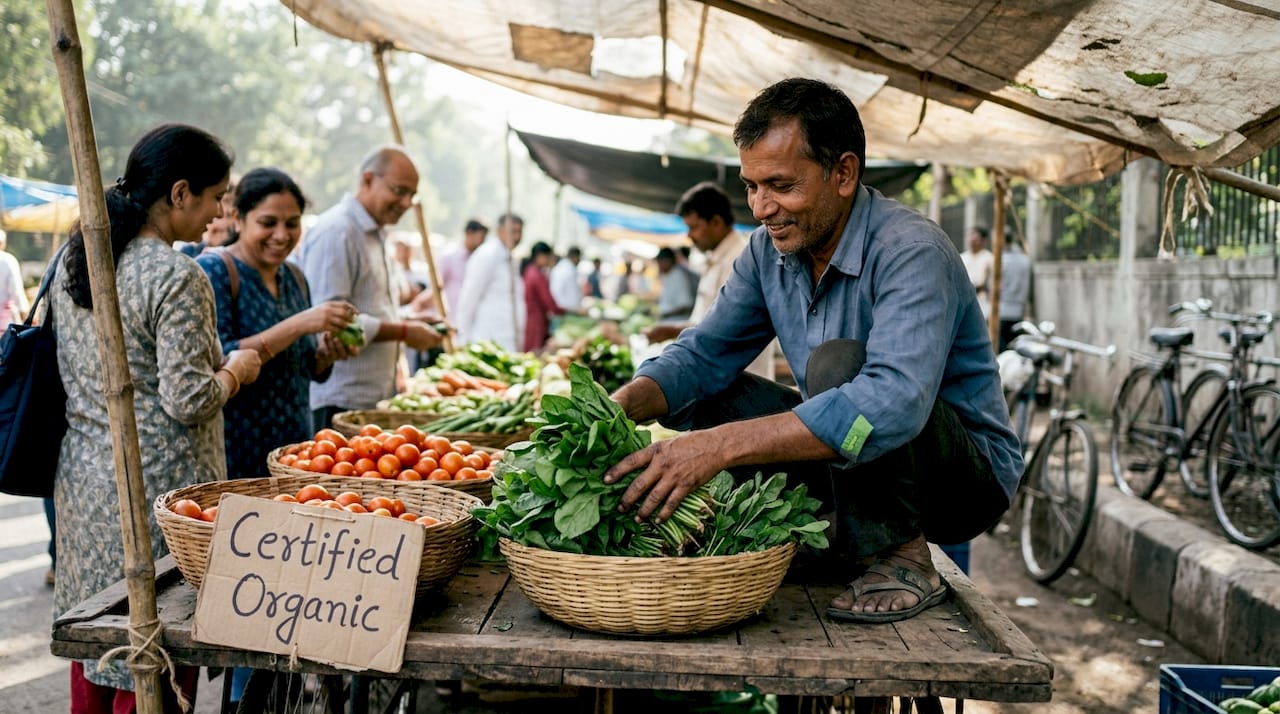
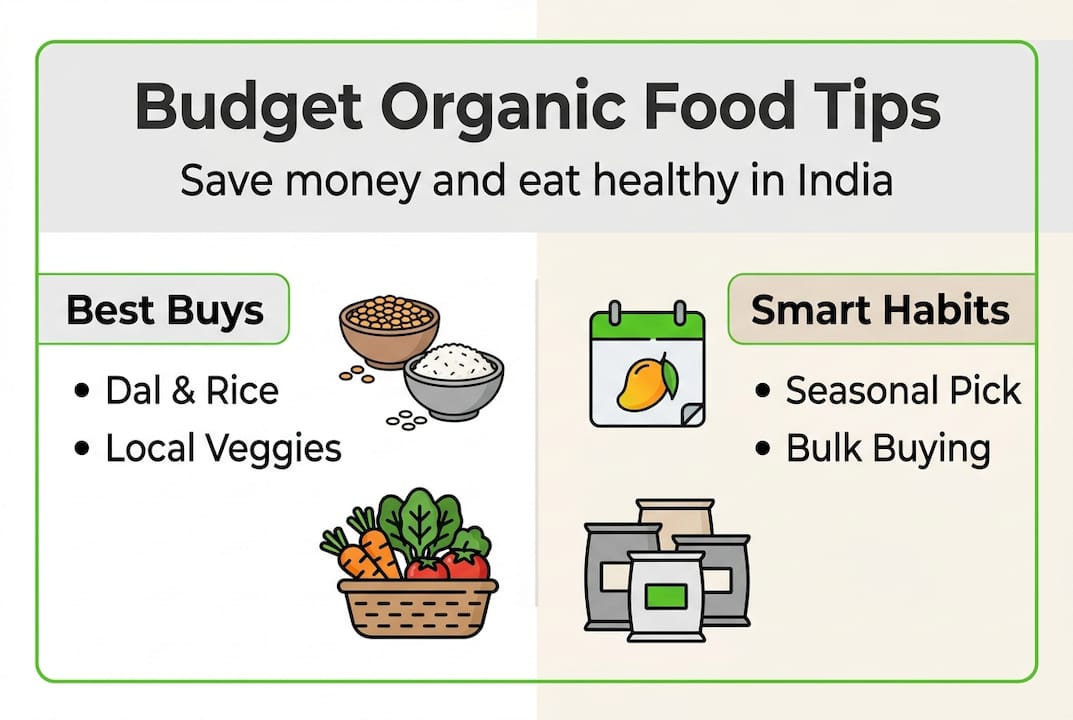
Another powerful move is buying staples in bulk. Organic rice, lentils, moong dal, chana, and other pulses are available in larger quantities at significantly lower per-unit prices. These items have long shelf lives, so buying a 5 kg bag instead of 500 g portions saves money without any risk of waste. Check out affordable organic brands in India to find reliable options that offer bulk packs.
| Item | Approximate conventional price (per kg) | Approximate organic price (per kg) | Difference |
|---|---|---|---|
| Rice | ₹50 to ₹70 | ₹80 to ₹120 | 30 to 50% higher |
| Moong dal | ₹90 to ₹110 | ₹130 to ₹160 | 25 to 40% higher |
| Tomatoes | ₹20 to ₹40 | ₹50 to ₹80 | 50 to 100% higher |
| Spinach | ₹15 to ₹25 | ₹30 to ₹50 | 50 to 80% higher |
| Bananas | ₹30 to ₹50 | ₹60 to ₹90 | 50 to 80% higher |
Another smart approach is the “dirty dozen” method. Not every item needs to be organic. Prioritise organic for produce that typically carries higher pesticide residues, such as leafy greens, apples, strawberries, and tomatoes. For items with thick skins like bananas or avocados, conventional produce washed thoroughly is a reasonable alternative. This approach, combined with simple organic shopping tips, can cut your organic grocery bill considerably.
Budget-friendly organic shopping habits:
- Shop at local farmers’ markets or mandis for seasonal produce
- Join a community buying group or co-operative to access wholesale prices
- Sign up for loyalty programmes at trusted organic stores
- Plan meals a week ahead to avoid impulse purchases
- Explore the benefits of local organic produce before finalising your shopping list
Pro Tip: Set a monthly organic budget and allocate it first to the items your family eats most often. Once those staples are covered, use whatever remains for occasional premium purchases like organic ghee or specialty flours.
Smart shopping: where and what to buy for the best value
Knowing what to buy is only half the equation. Where you buy makes an enormous difference to both price and authenticity. The good news is that India now has more reliable options than ever before.
Best places to buy affordable organic foods:
- Local mandis and farmers’ markets — Often the cheapest source for seasonal organic vegetables and fruits, especially in cities like Bengaluru, Pune, and Delhi that have dedicated organic markets
- Direct-from-farmer platforms — Several apps and websites now connect consumers directly with certified organic farmers, cutting out middlemen entirely
- Online organic stores — Convenient, often well-stocked, and many display certification details clearly; ideal for dry grocery and specialty items
- Co-operatives and buying clubs — Members pool orders to access wholesale pricing on certified organic staples
- Trusted supermarkets with organic sections — Useful for convenience, though prices tend to be higher; always choose fresh organic produce by checking freshness indicators
What to prioritise for maximum value:
- Whole grains and pulses (rice, wheat, oats, lentils, chickpeas)
- Local vegetables that are in season
- Organic oils and ghee if your family uses them daily
- Certified organic spices, which are used in small quantities but consumed frequently
- Organic dairy if available and within budget
Always check for the India Organic logo and the name of the certifying agency before purchasing, whether you are shopping online or at a physical store. Accredited certification and annual surveillance by Indian authorities are the only reliable guarantees of authenticity.
When buying online, look for sellers who list the certification body’s name and number on each product page. Trustworthy vendors will never be vague about this. If a product page only says “organic” without any certification detail, treat it with the same scepticism you would in a physical store. If you are gradually switching to organic, starting with one or two trusted online sources makes the transition far less overwhelming.
Eating healthy, even on a tight budget: practical meal tips
Once your pantry has a solid foundation of affordable organic staples, putting together healthy, satisfying meals becomes surprisingly straightforward. The secret is keeping things simple and using versatile ingredients that work across multiple dishes.
Easy, affordable meal ideas using organic basics:
- Khichdi — Organic rice and moong dal cooked together with turmeric and ghee; nourishing, gluten-free, and ready in under 30 minutes
- Poha — Organic flattened rice with mustard seeds, curry leaves, and whatever vegetables you have; a brilliant breakfast or light dinner
- Dal-rice — The most reliable everyday meal; use any organic lentil variety and pair with seasonal sabzi
- Stir-fried seasonal vegetables — A quick mix of whatever is fresh and local, tossed with organic cold-pressed oil and spices
- Fruit snack plates — Organic bananas, guavas, or papaya sliced and served with a pinch of chaat masala; a simple, wholesome snack for children
Meal prepping is a genuine game-changer for families. Cook a large batch of dal or rice on Sunday, portion it out, and you have the base for multiple meals through the week. Bulk and local organic products make this approach both nutritious and affordable. Explore organic meal ideas for kids to keep younger family members engaged with healthy food.
For those following gluten-free or vegan diets, organic staples work beautifully. Swap wheat roti for jowar or ragi rotis made with certified organic flour. Use organic coconut milk in curries instead of dairy cream. These substitutions are not expensive when you buy the right quantities. If you are transitioning to organic on a budget, focus first on the ingredients you use every single day.
Pro Tip: Leftover dal makes an excellent base for a quick soup the next day. Add a little water, some fresh tomato, and a squeeze of lemon. You get a second meal from the same ingredients with almost no extra effort or cost.
Why smart organic eating is about more than just the price
Here is something the organic food industry rarely admits: organic is not always meaningfully more expensive when you shop with intention. The premium you pay is often inflated by poor planning, impulse buying, and falling for uncertified “organic” products that cost more but deliver nothing extra.
The real value of organic eating lies in making informed choices, not in spending the most money. Certification prevents you from paying a premium for fake organic products, which is arguably the biggest financial trap in this space. Bulk and local seasonal options can genuinely save money while keeping quality high.
It is also worth acknowledging that washing conventional produce thoroughly removes a significant portion of surface pesticide residues. This does not make conventional farming equivalent to organic, but it does mean that a thoughtful, mixed approach, organic for high-risk items and well-washed conventional for others, is both practical and sensible for most Indian families.
Meal planning and flexible eating habits matter just as much as what you buy. A family that eats organic khichdi four nights a week is doing far more for their health than one that occasionally buys expensive organic snacks. Understanding the difference between organic and conventional farming helps you make these calls with confidence rather than guilt.
Find your affordable organic essentials with Nature’s Soul
Putting these strategies into practice is much easier when you have a trusted source for certified, clean-ingredient products.
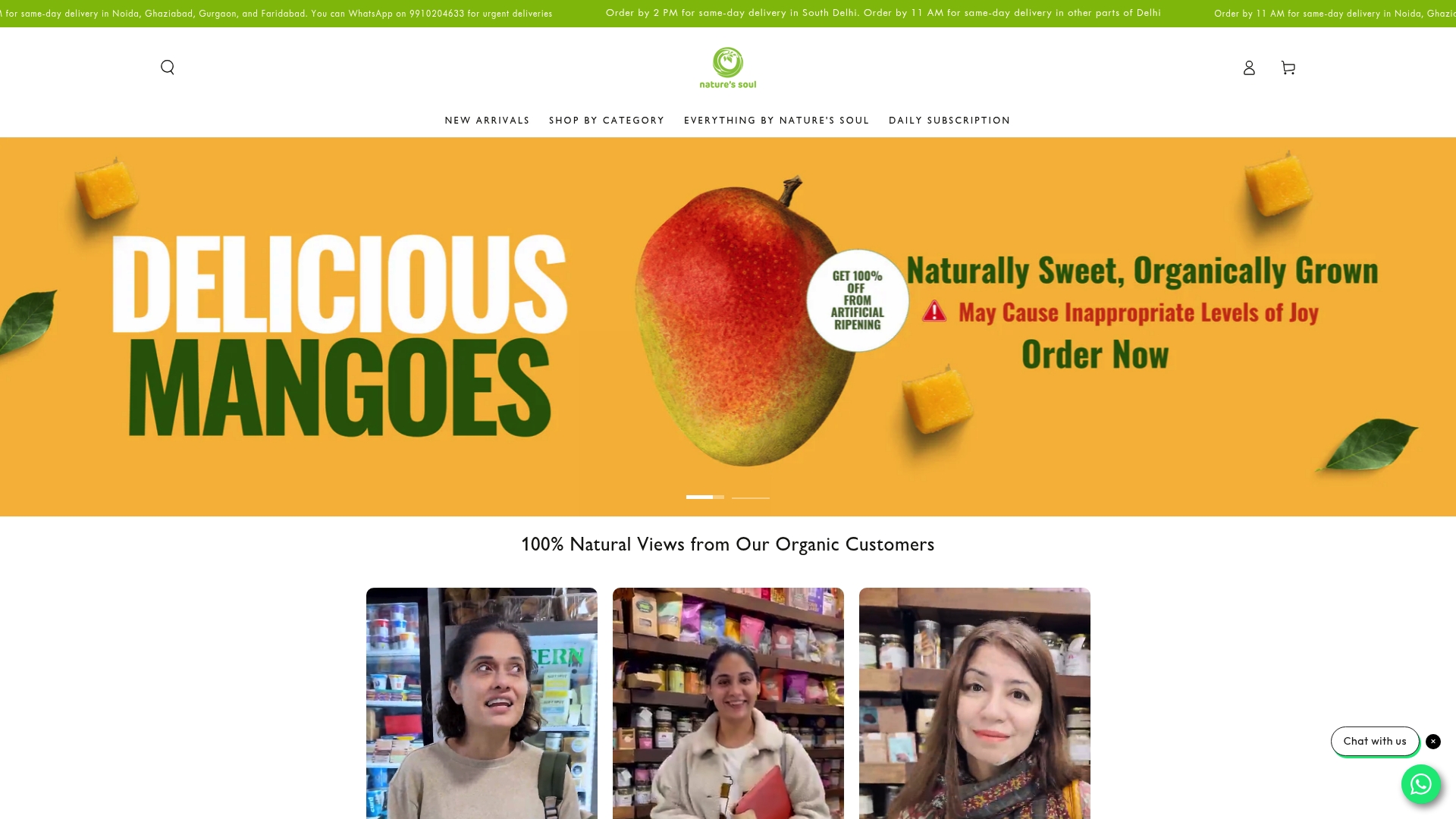
At Nature’s Soul, you will find everything from everyday organic staples to specialty items, all sourced with clean ingredients and clear certification. Whether you are stocking up on dry grocery basics, exploring Nature’s Soul Fresh essentials for your weekly produce needs, or looking for something like affordable gluten-free bread that actually tastes good, Nature’s Soul has options for every budget and dietary preference. Families, first-time parents, and anyone exploring plant-based or gluten-free eating will find curated collections designed to make healthy, organic living genuinely accessible.
Frequently asked questions
How do I confirm that a food product is truly organic in India?
Check for the India Organic logo, the name of the NPOP-accredited certifying agency, and a certification number on the label. These three elements together confirm authenticity.
Which organic foods are worth the extra cost?
Prioritise organic for leafy greens, apples, tomatoes, and strawberries, which tend to carry higher pesticide residues. For items like rice and lentils, bulk local organic options offer the best value, and thoroughly washed conventional produce is a reasonable fallback for thick-skinned fruits.
How can I save money on an organic diet for my family in India?
Buy local and in-season items, purchase staples like rice and pulses in bulk, and take advantage of store loyalty programmes and seasonal discounts from trusted certified sellers.
Are online organic food stores in India trustworthy?
Yes, provided they display the India Organic logo and list the name of their certification and surveillance agency on each product. If a seller cannot provide this information clearly, look elsewhere.
Recommended
- Healthy grocery shopping in India: Simple steps – naturessoulshop
- Organic diet for kids: A parent’s guide to healthy eating – naturessoulshop
- Organic Certification in India: Your Guide to Healthy Choices – naturessoulshop
- How to choose fresh produce: 5 steps to better choices – naturessoulshop
- Best healthy vegan snacks for kids: lunch and family share – PopCornaa


