


The single best step you can take right now is to subscribe to a weekly seasonal organic veg box from Nature’s Soul Fresh. It cuts out the supermarket run, puts genuinely seasonal British produce on your doorstep, and gives you the flexibility to skip, pause or cancel whenever life gets in the way.
- Convenience: one order sets up weeks of deliveries, no repeat trips to the shop.
- Seasonality and variety: boxes rotate with the growing calendar, so you get produce at peak flavour rather than cold-store imports.
- Freshness and trust: organic certification and clear sourcing statements mean you know exactly what you are eating and where it came from.
To place your first order, visit the Nature’s Soul Fresh page, pick a box size that matches your household, choose weekly or fortnightly delivery, and check out. The whole process takes under five minutes.
Pro Tip: If you are unsure which size to start with, go one size smaller than you think you need. It is far easier to upgrade after a fortnight than to scramble to use a box that is too large.
Key takeaways
Seasonal organic veg boxes from a trusted UK provider offer genuine convenience, better flavour and less food waste than a standard supermarket shop, provided you match the box size to your household and plan loosely around what arrives each week.
| Point | Details |
|---|---|
| Start with the right size | Choose one size smaller than you think you need; upgrade after a fortnight if the box runs out too quickly. |
| Subscription flexibility matters | Confirm skip, pause and cancel options before you subscribe; reputable providers make all three available online. |
| Seasonal contents need a loose plan | Audit your box on delivery day, use perishables first, and batch-cook or freeze what you cannot use within a few days. |
| Organic certification is verifiable | Look for the Soil Association logo, not just the word “organic” in marketing copy. |
| Naturessoulshop’s Nature’s Soul Fresh | Offers seasonal UK veg and fruit boxes with organic options, flexible subscriptions and free delivery above the minimum spend. |
Table of Contents
- What kinds of veg boxes can you get delivered?
- How does ordering and subscription management work?
- What will actually be in your box each week?
- How much do veg boxes cost, and are they worth it?
- How do you pick the right box for your household?
- What should you know about delivery areas, packaging and sustainability?
- How do you keep delivered vegetables fresh and use them up?
- An honest note from the publisher
- Order your first Nature’s Soul Fresh box today
- Sources
What kinds of veg boxes can you get delivered?
Box formats vary more than most people expect. The core options break down by size, frequency and add-ons, and matching those three variables to your household is the fastest route to a box you will actually finish each week.
Sizes and who they suit
- Small box: suits one or two people who cook three or four times a week. Typical contents might be a bag of salad leaves, a bunch of carrots, courgettes, a head of broccoli and a handful of new potatoes.
- Medium box: the most popular choice for a household of two to four. Expect a broader mix of root veg, brassicas and one or two seasonal surprises.
- Large box: designed for families of four or more, or keen cooks who batch-cook at weekends. The variety is wider, and you will often see less common varieties such as celeriac, kohlrabi or rainbow chard.
One-off orders versus subscriptions
A one-off order is useful for testing a provider before committing, or for filling a specific gap in the weekly shop. Subscriptions, whether weekly or fortnightly, tend to work out cheaper per box and remove the friction of reordering. Fortnightly suits households that already buy some produce elsewhere; weekly works best when the box is the primary source of vegetables.
Add-ons, swaps and exclusions
Most providers let you bolt on extras: a fruit bag, a salad pack, fresh herbs, eggs, or dairy alternatives. Equally useful is the ability to exclude items you genuinely will not use. Hating coriander or having a household member who cannot eat onions? Set the exclusion once and it applies to every delivery. The organic produce home delivery overview from Naturessoulshop covers which add-ons are available alongside the core veg range.

How does ordering and subscription management work?
The process from first click to doorstep is straightforward, but the subscription controls are where most people have questions.
Placing your first order
- Choose your box size and type (veg only, mixed fruit and veg, or a specialist box).
- Select your delivery frequency: weekly or fortnightly.
- Add any extras or set exclusions in your account preferences.
- Pick your preferred delivery day from the available slots in your area.
- Enter payment details and confirm. You will receive an order confirmation by email, usually with a contents preview for the first box.
Managing your subscription
Skipping a week is typically done through your account dashboard up to a cut-off point, often 48–72 hours before dispatch. Pausing works the same way: you set a return date and deliveries resume automatically. Cancellation is usually instant online, with no notice period required by reputable providers. Exclusions and swaps can normally be updated at any time before the weekly cut-off.

Pro Tip: Set a recurring calendar reminder for the day before your cut-off. It takes thirty seconds to skip a week when you are going away, and it saves you returning home to a box of wilting greens on the doorstep.
What will actually be in your box each week?
Seasonal contents shift noticeably across the year, which is part of the appeal but also the main adjustment for anyone used to buying the same five vegetables every week. BBC Good Food’s veg box review notes that subscribing nudges shoppers to try seasonal produce and typically requires some meal-planning adjustment to work through specific weekly contents.
Spring box (April–May)
- Jersey Royal new potatoes or salad potatoes
- Purple sprouting broccoli or spring greens
- Radishes and spring onions
- Baby spinach or rocket
- Asparagus (briefly, at peak season)
Summer box (June–August)
- Courgettes and runner beans
- Tomatoes (outdoor-grown, flavour noticeably better than winter imports)
- Cucumber, lettuce and mixed salad leaves
- Sweetcorn and fresh peas
- Seasonal soft fruit such as strawberries or raspberries in a fruit add-on
Autumn and winter box (October–February)
- Parsnips, swede, celeriac and carrots
- Savoy cabbage, kale or Brussels sprouts
- Leeks and onions
- Butternut squash or Crown Prince squash
- Stored apples or pears in a fruit bag
Organic and locally sourced produce often looks different from supermarket equivalents: carrots may be forked, courgettes irregular in size, and salad leaves slightly more robust. That is not a quality issue; it reflects growing without cosmetic selection. The trade-off is flavour and the knowledge that the produce has not been treated to extend shelf life artificially. For seasonal menu inspiration that helps you use less familiar items, Wild Foodz’s seasonal vegan menu guide is a practical starting point.
How much do veg boxes cost, and are they worth it?
Price ranges vary by provider, box size and whether the produce is certified organic. As a rough guide across the UK market:
- Small box: typical price per delivery
- Medium box: typical price per delivery
- Large box: typical price per delivery
Organic certification and local sourcing push prices toward the upper end of each range. Delivery fees, where charged, generally apply and some providers waive them above a minimum spend.
Is a veg box cheaper than the supermarket?
Honestly, not always. A supermarket own-brand bag of carrots or a head of broccoli will often cost less per kilogram than the equivalent in a premium organic box. The value argument sits elsewhere: less food waste because you plan around a fixed set of contents, better flavour from genuinely seasonal produce, and the time saved by not shopping. For households that currently throw away a meaningful portion of their weekly shop, a box that arrives with a clear contents list and a meal plan attached can work out cheaper in practice.
Promotions to look for
- First-order discount: many providers offer a significant discount on the first box, sometimes the first two.
- Free delivery threshold: orders above a certain amount frequently qualify for free delivery.
- Referral credits: sharing a personal code with a friend typically earns both parties a credit against a future box.
To compare effective unit costs, divide the total box price (after any delivery fee) by the number of distinct items. This calculation can help gauge competitiveness for organic versus conventional produce.
How do you pick the right box for your household?
A short checklist before you order saves the frustration of a box that does not fit your life.
Checklist
- Household size and appetite: how many people eat vegetables at home most evenings? Two adults who cook four nights a week need a different box from a family of four who cook every night.
- Cooking habits: do you batch-cook at weekends or cook fresh each evening? Batch cookers can handle a larger, more varied box; daily cooks may prefer a smaller, more predictable one.
- Storage space: a large box of root veg needs a cool, dark spot. If your kitchen is small and warm, a smaller box with more salad and soft veg may suit you better.
- Dietary preferences and exclusions: note any items the household will not eat before you order, and confirm the provider allows exclusions.
- Budget: factor in delivery fees and any minimum spend for free delivery.
Questions to ask before you commit
- What is the delivery window, and can you specify a time slot or leave a safe place?
- What is the substitution policy if an item is unavailable?
- Is the produce certified organic (look for Soil Association certification), or is it described as “grown without pesticides” without independent verification?
- Are chilled items insulated during transit?
Red flags
- No clear delivery coverage checker before checkout.
- No skip or pause option in the subscription terms.
- Customer service available only by email with no stated response time.
The Naturessoulshop fruit and veg home delivery comparison covers these dimensions across providers and is worth reading before you decide.
What should you know about delivery areas, packaging and sustainability?
Delivery coverage and schedules
Most UK veg box providers cover England and Wales reliably; Scottish Highlands, Northern Ireland and some rural postcodes may have limited slots or higher delivery fees. Delivery days are typically fixed per postcode zone, so you choose from available days rather than a free-form calendar. Same-day or next-day delivery is rare for fresh produce boxes; most require 24–48 hours’ notice, and subscription cut-offs usually fall 48–72 hours before dispatch.
Packaging
Reusable crates or cardboard boxes are the two dominant formats. Reusable crates are collected on the next delivery, which eliminates cardboard waste but requires you to be home or leave the crate accessible. Cardboard boxes are fully recyclable and suit households where no one is in during the day. Chilled items such as dairy add-ons or soft fruit are typically packed with a wool or paper-pulp insulation liner rather than polystyrene. The publisher’s guide on optimal freshness for home-delivered produce explains how packaging choices affect shelf life once the box arrives.
Sustainability claims: what to verify
- Organic certification: look for the Soil Association logo or another recognised certifying body, not just the word “organic” in marketing copy.
- Local sourcing statements: “sourced from British farms” is meaningful; “sourced locally where possible” is vague. Ask for the proportion of UK-grown produce in a typical box.
- Carbon footprint: direct farm-to-door delivery can have a lower carbon footprint than a supermarket supply chain, but this depends heavily on delivery route density. A provider delivering to twenty households on one street is more efficient than one making isolated drops across a wide area.
Pro Tip: Ask your provider what percentage of the box is UK-grown in the current season. A good provider will answer specifically; a vague answer is a signal to look elsewhere.
Local food services that prioritise short supply chains tend to deliver better flavour as well as lower food miles, as Why Choose Local Food Services from Wild Foodz explains.
How do you keep delivered vegetables fresh and use them up?
Getting the most from a weekly box comes down to two things: storing produce correctly from the moment it arrives, and having a loose plan for what you will cook before the next delivery.
Storage by type
- Root vegetables (carrots, parsnips, beetroot): remove any plastic wrapping, store in a cool dark place or the bottom drawer of the fridge. They keep well for 1–2 weeks.
- Leafy greens and salad (spinach, rocket, kale): refrigerate immediately in a loosely sealed bag or container. Use within 3–5 days; they deteriorate fastest.
- Brassicas (broccoli, cauliflower, cabbage): fridge, unwrapped or in a loose bag. Broccoli is best used within 3–4 days; cabbage keeps for up to two weeks.
- Soft fruit and tomatoes: room temperature until ripe, then refrigerate or use immediately.
- Fresh herbs: stand in a glass of water on the worktop like cut flowers, or wrap in damp kitchen paper and refrigerate.
The Naturessoulshop guides on storing fresh food naturally and maximising produce freshness go deeper on fridge layout and freezer-friendly preparation for each category.
Meal-planning strategies for variable boxes
- Unpack and audit on delivery day. Lay everything out, identify what needs using first (salad, soft herbs, tender greens) and what will keep (root veg, squash, cabbage).
- Pick two quick recipes for the week. One that uses the most perishable items, one that uses the keepers. Everything else can go into a batch soup, stew or roasted tray bake.
- Freeze what you cannot use. Blanched greens, chopped root veg and cooked pulses all freeze well. A ten-minute freezer session on delivery day prevents waste later in the week.
BBC Good Food’s veg box review makes the point that seasonal boxes reward cooks who plan loosely around what arrives rather than shopping to a fixed recipe list. The Naturessoulshop seasonal produce cooking guide offers step-by-step recipes built around exactly this approach, and the plant-based meal planning guide is useful if your household eats mostly plant-based meals.
An honest note from the publisher
Veg box subscriptions are not a perfect solution for every household. They work brilliantly for people who cook regularly, enjoy variety and are willing to adapt their weekly meals to what is in season. They work less well for households with very fixed eating habits, limited storage, or weeks that are too unpredictable to commit to a regular delivery.
The guidance in this article reflects genuine experience with how these services operate in the UK. Naturessoulshop is the publisher of this article and also operates Nature’s Soul Fresh, the fresh-produce service referenced throughout. That relationship means the recommendation is not neutral, and you should compare terms, delivery coverage and pricing across providers before committing. What the publisher can say with confidence is that the ordering process, subscription controls and sourcing transparency described here reflect how Nature’s Soul Fresh actually works.
Order your first Nature’s Soul Fresh box today
Nature’s Soul Fresh is Naturessoulshop’s fresh-produce service, built for UK households who want seasonal, often organic vegetables and fruit delivered without the supermarket compromise. The range covers everything from a compact two-person veg box to a large family mixed box, with organic options, fruit add-ons and clear sourcing notes on every delivery.
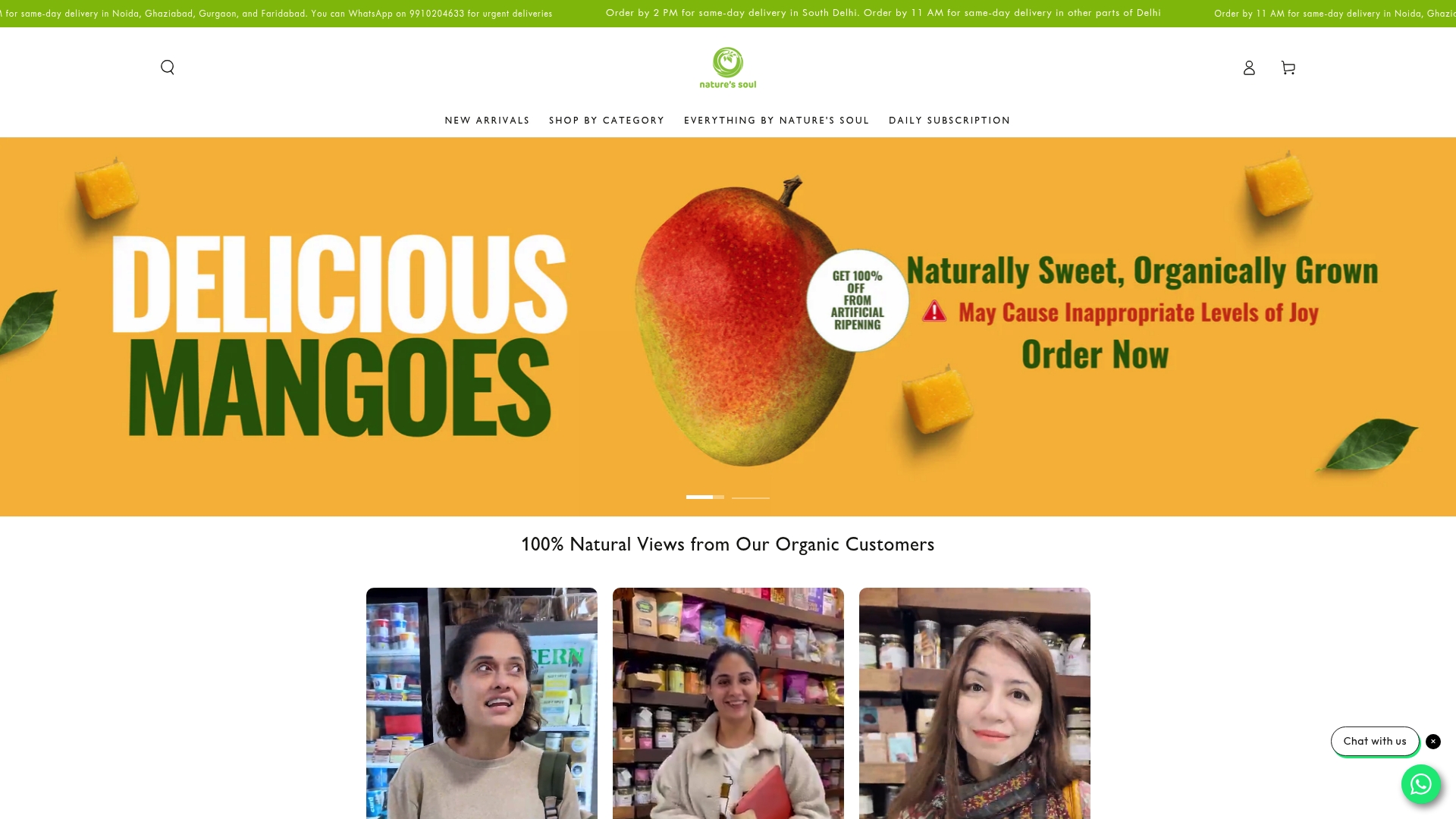
Ordering takes under five minutes: visit Nature’s Soul Fresh, choose your box size, set your frequency, and add any extras. Free delivery is available above the minimum spend threshold, and first-order discounts are applied automatically at checkout. If you want to browse the full organic grocery range alongside your fresh produce, the Naturessoulshop homepage is the place to start.
Sources
- BBC Good Food — best veg box (review)
Recommended
- Fresh organic produce delivered to your door in the UK – naturessoulshop
- Best 5 fruit and vegetable home delivery Services in 2025 – naturessoulshop
- Ensure optimal freshness in home delivered produce – naturessoulshop
- Top 6 Fruit and Veg Home Delivery Near Me – Expert Comparison 2025 – naturessoulshop


