


More than 90 percent of british shoppers say that freshness is their top priority when buying fruits and vegetables. Yet, choosing and preparing the best seasonal produce can feel confusing amid so many options. When you understand how to spot peak ripeness, handle ingredients safely, and build your meals around local offerings, you enjoy better flavour, boosted nutrition, and real support for your community’s farmers.
Table of Contents
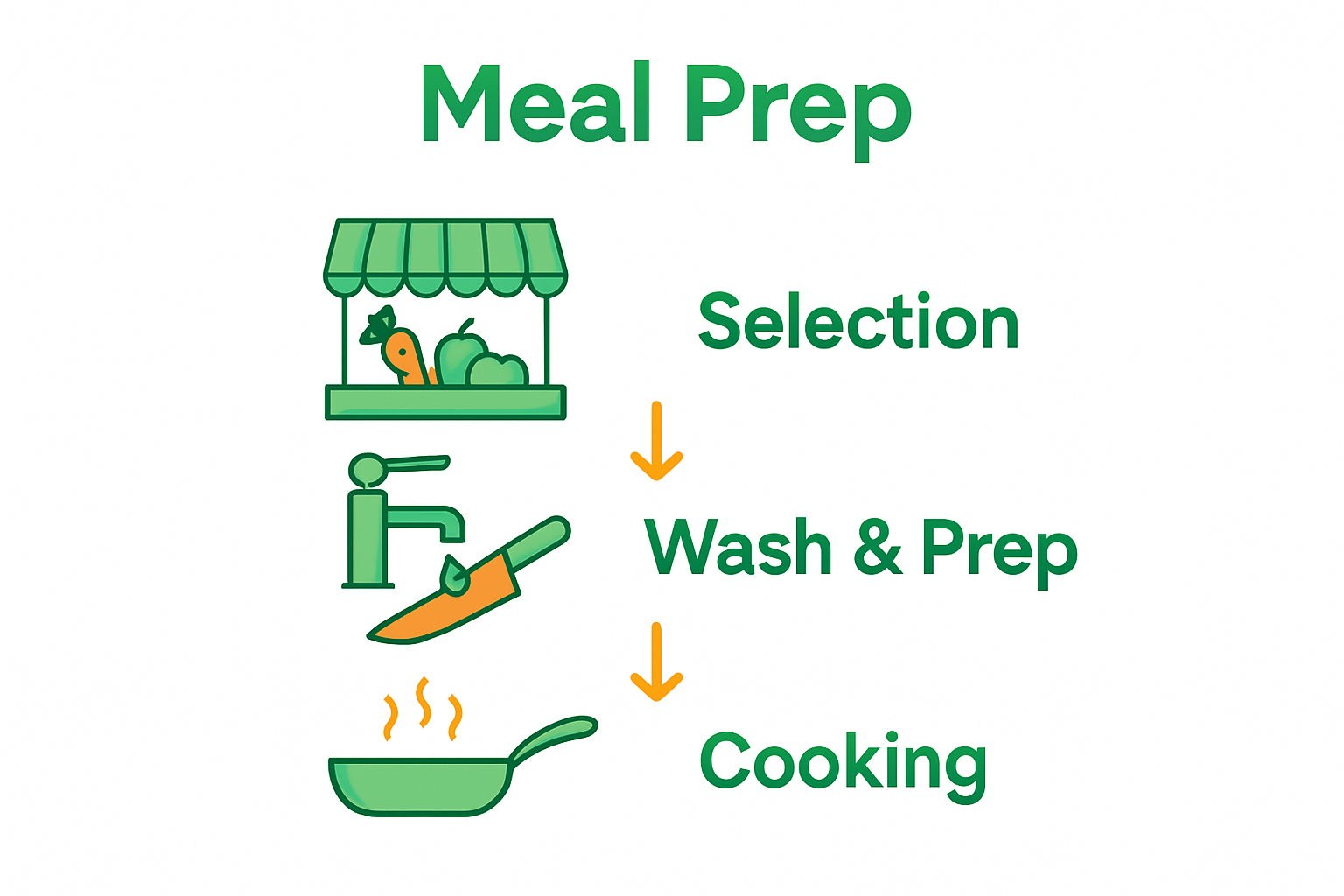
- Step 1: Select The Freshest Seasonal Produce
- Step 2: Prepare Ingredients With Proper Washing And Chopping
- Step 3: Plan Nourishing Recipes Around Seasonal Choices
- Step 4: Cook Meals Using Optimal Seasonal Techniques
- Step 5: Check Taste And Texture For Perfect Results
Quick Summary
| Essential Insight | Clear Explanation |
|---|---|
| 1. Choose Vibrant, Fresh Produce | Look for fruits and vegetables with bright colours, firm textures, and heavy weight to ensure peak freshness and quality. |
| 2. Wash Produce Properly Before Use | Rinse all fruits and vegetables under cool water, using gentle rubbing to remove dirt without soap or chemicals, ensuring food safety. |
| 3. Plan Meals Around Seasonal Offerings | Map out a seasonal produce calendar and create recipes that highlight fresh ingredients, enhancing nutritional quality and flavour. |
| 4. Use Appropriate Cooking Techniques | Learn specific cooking methods for seasonal ingredients to maximise flavour and nutrition, adapting your approach according to the season. |
| 5. Assess Taste and Texture | Use sensory evaluation to determine produce quality; touch, smell, and taste to enhance your cooking and ingredient selection. |
Step 1: Select the Freshest Seasonal Produce
Selecting the finest seasonal produce is your gateway to creating delicious, nutritious meals that celebrate local agriculture and flavour. According to Washington Post, understanding how to choose peak freshness involves more than just grabbing the first fruit or vegetable you see.
When shopping for seasonal produce, start by examining the visual and sensory cues. Look for vegetables and fruits with vibrant colours, firm textures, and no signs of bruising or blemishes. Fresh produce should feel heavy for its size, indicating high water content and optimal ripeness. Learn your local seasonal calendar - this helps you identify which fruits and vegetables are truly at their prime. Learn more in our guide on local produce benefits.
A pro tip: speak with local farmers or market vendors about their harvest. They can provide insider knowledge about which produce was picked most recently and offer recommendations for selecting the best items. By prioritising local, seasonal selections, you not only guarantee superior taste but also support regional agricultural communities.
Step 2: Prepare Ingredients with Proper Washing and Chopping
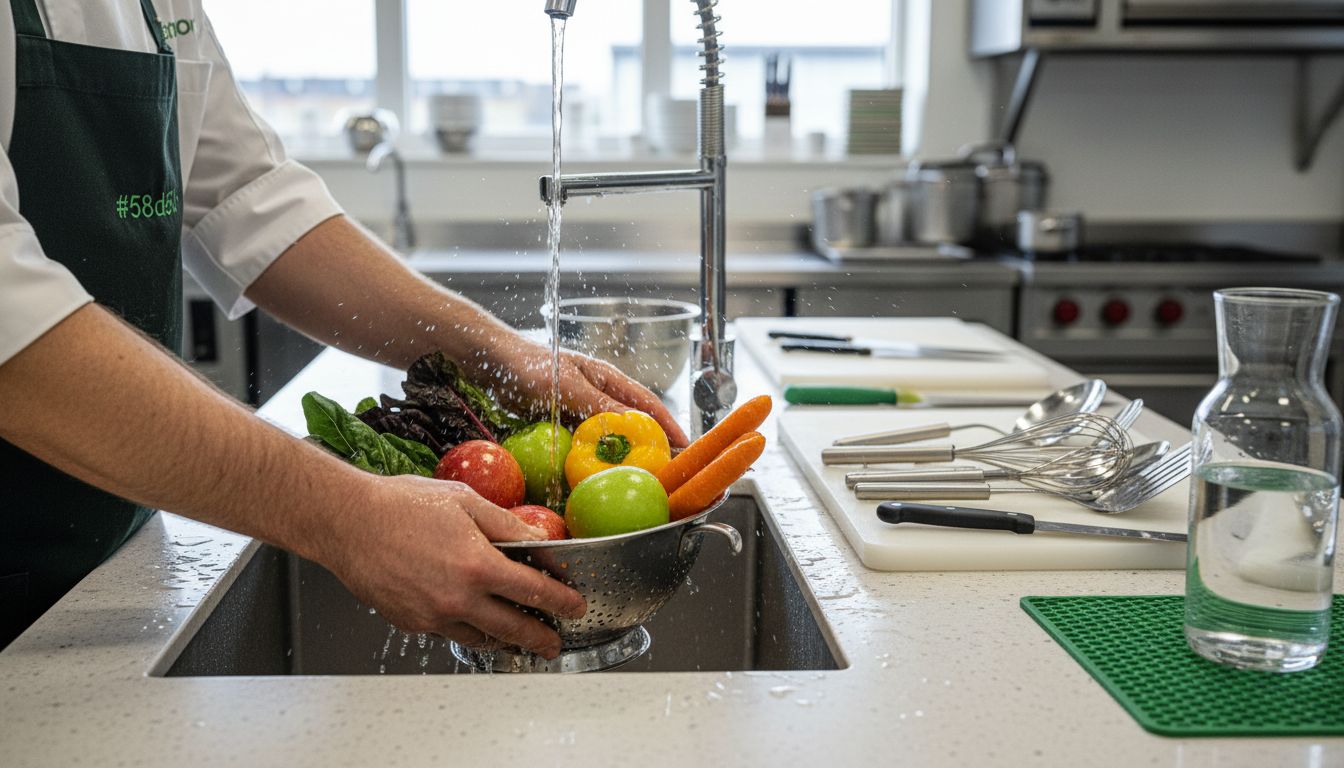
When preparing seasonal produce, proper cleaning and preparation are crucial for maintaining food safety and preserving nutritional quality. According to Utah State University Extension, thorough washing under running water is essential to eliminate potential residues and contaminants from your fresh ingredients.
Begin by rinsing all produce under cool running water, using your hands to gently rub the surface and remove any visible dirt or debris. For firm produce like apples or cucumbers, use a clean vegetable brush to scrub the exterior. Avoid using soap or detergent, as these can leave harmful chemical residues.
 Explore our guide on storing fresh food naturally to understand how proper cleaning connects to ingredient preservation.
When chopping, invest in a sharp knife and a sturdy cutting board to ensure precise and safe preparation. Different produce requires different cutting techniques clean your knife between different ingredients to prevent cross contamination. Work systematically cutting vegetables and fruits into uniform pieces to ensure even cooking and consistent flavour distribution.
Step 3: Plan Nourishing Recipes Around Seasonal Choices
Planning meals with seasonal produce transforms ordinary cooking into a nutritious and exciting culinary adventure. According to TrueSport, consuming fruits and vegetables harvested at their peak not only enhances flavour but significantly boosts nutritional density and overall dietary quality.
Start by mapping out your local seasonal produce calendar and build recipes that showcase the freshest ingredients available. Explore our plant based meal planning guide for additional inspiration in crafting delightful seasonal menus. Consider creating flexible meal structures that accommodate whatever produce is currently abundant research suggests rotating ingredients keeps meals interesting and nutritionally diverse.
As EcoWatch recommends, approach seasonal cooking as an opportunity to experiment and connect with local agricultural rhythms. This approach supports regional farmers, reduces environmental impact, and introduces vibrant flavours into your daily meals. Think of each season as a unique palette of ingredients waiting to be transformed into delicious, wholesome dishes that nourish both body and community.
Step 4: Cook Meals Using Optimal Seasonal Techniques
Cooking with seasonal produce transforms ordinary ingredients into extraordinary culinary experiences. According to ScientificOrigin, different seasonal ingredients require unique cooking techniques to maximise their flavour and nutritional potential.
Start by understanding each ingredient’s optimal preparation method. Light steaming works wonderfully for delicate spring vegetables, while roasting brings out robust autumn produce’s deep flavours. Learn our beginner’s guide to vegan cooking to expand your seasonal cooking repertoire. The Mayo Clinic Diet recommends incorporating variety to enhance both taste and nutritional diversity.
Master preservation techniques like quick pickling for summer vegetables or gentle roasting for winter root crops. By adapting your cooking methods to seasonal produce, you create meals that are not just delicious but deeply connected to nature’s rhythms transforming simple ingredients into memorable dining experiences.
Step 5: Check Taste and Texture for Perfect Results
Tasting and evaluating your seasonal produce is an essential skill that transforms good cooking into exceptional cuisine. According to California Department of Education, using all your senses helps you understand the true quality and ripeness of ingredients.
Begin by examining the produce visually checking for vibrant colours and uniform texture. Gently press fruits and vegetables to assess firmness some should feel heavy and dense while others might have a subtle give. Explore our vegan cooking guide for additional techniques in ingredient evaluation. As recommended by Hitchcock Independent School District, tasting small samples can reveal nuanced flavour profiles and help you understand peak freshness.
Practice mindful tasting by taking small bites and considering each ingredient individually. Note the sweetness, crispness, and overall flavour complexity. Your palate will become more refined with practice allowing you to create meals that showcase the best of seasonal produce.
Elevate Your Seasonal Cooking with Pure, Organic Ingredients
Cooking with seasonal produce delivers peak freshness and flavour but can be challenging when you worry about ingredient quality and proper preparation. This guide highlights the importance of selecting the freshest local fruits and vegetables, mastering washing and chopping techniques, and using cooking methods that maximise nutrition and taste. You deserve easy access to clean, wholesome ingredients that support your wellness goals and bring your recipes to life.
Discover our wide range of organic and natural products including seasonal fruits, vegetables, plant-based options, and more at Nature’s Soul Shop. Take control of your health by choosing products free from harmful chemicals so you can create nourishing meals with confidence. Start your journey today and experience the vibrant flavours of truly fresh, carefully sourced produce that connects you with nature’s rhythms. Visit Nature’s Soul Shop to shop now and transform your seasonal cooking into a wholesome lifestyle.
Frequently Asked Questions
How do I select the freshest seasonal produce?
To select the freshest seasonal produce, look for vibrant colours and firm textures without bruising or blemishes. Pay attention to local seasonal calendars, and feel the weight of the produce to gauge ripeness.
What is the best way to wash and prepare seasonal fruits and vegetables?
Wash all produce under cool running water, using your hands to remove dirt. For firmer items, use a clean vegetable brush. Chop using a sharp knife, ensuring you clean your knife between different ingredients to prevent cross-contamination.
How can I create recipes that feature seasonal produce?
Start by mapping out your local seasonal produce calendar, then develop recipes that highlight these ingredients. Experiment with flexible meal structures to accommodate whatever is currently abundant, ensuring variety in your meals.
What cooking techniques work best for different seasonal ingredients?
Different seasonal ingredients require specific cooking methods. For example, light steaming works well for spring vegetables, while roasting enhances the flavours of autumn produce. Adapt your cooking techniques to maximise both taste and nutritional value.
How can I evaluate the taste and texture of seasonal produce?
Examine produce visually for colour and texture, and gently press it to assess firmness. Tasting small samples helps reveal flavour profiles, enabling you to better select the freshest ingredients for your meals.
What are the benefits of cooking with seasonal produce?
Cooking with seasonal produce not only boosts the flavour and nutritional density of your meals but also supports local agriculture. By using what’s in season, you can create diverse and exciting recipes throughout the year.


