


Seeking vibrant health in Delhi NCR while balancing dietary restrictions such as gluten intolerance can feel challenging, especially for expatriates adapting to new food cultures. Choosing a plant-based diet offers real flexibility, letting you prioritise foods from plant sources without strictly excluding all animal products. The journey is personal, shaped by health goals, ethical values, and local options. This guide helps you make informed choices for wellness and sustainability, focusing on what truly fits your lifestyle.
Table of Contents
- What Is A Plant-Based Diet Really?
- Main Variations And Common Misconceptions
- Characteristic Foods And Nutritional Effects
- Impact On Health, Environment And Quality Of Life
- Common Risks, Mistakes And How To Avoid Them
- Comparing Plant-Based With Other Eating Patterns
Key Takeaways
| Point | Details |
|---|---|
| Understanding Plant-Based Diets | A plant-based diet focuses on prioritising foods from plant sources while allowing flexibility in inclusion of animal products. |
| Nutritional Considerations | It is essential to ensure adequate intake of key nutrients like protein, iron, and vitamin B12 through strategic food pairing and potentially supplementation. |
| Health and Environmental Benefits | Adopting a plant-based diet can lead to reduced risks of chronic diseases and a lower environmental footprint, enhancing both personal health and planetary wellbeing. |
| Avoiding Common Pitfalls | Emphasise whole, minimally processed foods and educate yourself about nutrient planning to prevent deficiencies and maintain a balanced diet. |
What Is a Plant-Based Diet Really?
A plant-based diet isn’t quite what you might think. It’s not necessarily about being vegetarian or vegan, though those approaches certainly count. Rather, it’s about prioritising foods from plant sources while you decide how strictly to follow that principle. Some people eat this way five days a week. Others commit fully. The definition sits on a spectrum, ranging from flexitarian diets that occasionally include meat to fully vegan approaches that exclude all animal products.
The core concept is simpler than the dietary labels might suggest. Plant-based diets mostly or entirely exclude animal origin foods, but the emphasis here is on the word “mostly.” You’re not locked into an all-or-nothing approach. This flexibility matters, especially if you’re navigating dietary restrictions like gluten intolerance while living in Delhi NCR, where traditional Indian meals often blend plant-based ingredients with dairy, meat, or fish. A plant-based diet can adapt to your reality rather than forcing you to abandon it.
What drives people toward plant-based eating varies tremendously. For some in your community, the motivation stems from personal health concerns—managing blood sugar levels, reducing inflammation, or improving energy. For others, it’s about the environmental footprint of their food choices, or perhaps ethical concerns about animal welfare. The adoption of plant-based diets is influenced by culture, health beliefs, and environmental concerns, which means your reasons for exploring this path are entirely valid, whether they’re rooted in wellness or sustainability or both. You might find that clean, organic plant-based ingredients available through suppliers in your area align naturally with your existing preferences and values.
Pro tip: Start by identifying which plant-based foods you already enjoy eating regularly—whether that’s lentils, seasonal vegetables, nuts, or grains—and build from there rather than overhauling your entire diet overnight.
Main Variations and Common Misconceptions
Plant-based eating comes in several distinct flavours, and understanding the differences matters when you’re deciding what approach suits your life. Vegans exclude all animal products, including dairy, eggs, and honey. Lacto-ovo vegetarians eat dairy and eggs but no meat, poultry, or fish. Pescatarians include fish and seafood but avoid other meat. Flexitarians eat mostly plant-based foods but occasionally include meat or animal products without strict rules. Then there’s the vegan diet, which represents the most restrictive end of the spectrum. Plant-based diets include vegan, vegetarian, flexitarian, and pescatarian types, each with varying levels of animal product inclusion. For someone in your position navigating Delhi NCR’s diverse food culture whilst managing gluten intolerance, this spectrum gives you genuine flexibility rather than forcing you into a single box.
Here is a comparison of the main plant-based diet types and what they include:
| Diet Type | Animal Products Allowed | Flexibility Level |
|---|---|---|
| Vegan | None (no dairy, eggs, honey) | Very strict |
| Lacto-Ovo Vegetarian | Dairy and eggs, no meat or fish | Moderate |
| Pescatarian | Fish and seafood, no meat | Quite flexible |
| Flexitarian | Occasional animal products | Highly flexible |
Now let’s address the misconceptions that keep people from exploring these approaches. The biggest myth is that plant-based diets lack essential nutrients and leave you deficient. People worry about protein, vitamin B12, iron, and calcium disappearing from their plates. But here’s what research actually shows: healthy plant-based diets can reduce risks of chronic diseases including heart disease, type 2 diabetes, and certain cancers. The catch isn’t that plant-based eating is inherently unhealthy. Rather, not all plant-based foods are equally healthy, particularly highly processed vegetarian products. A diet built on processed vegan meats and refined carbohydrates won’t deliver the wellness benefits you’re seeking. The foods matter. Clean, organic, whole plant-based ingredients from suppliers prioritising minimal processing are what actually move the needle on your health.
Another common misconception suggests these diets are unnecessarily restrictive or impractical for real life. People assume you’ll be hungry, bored, or unable to eat socially. That’s simply not true if you approach it thoughtfully. Indian cuisine offers abundant naturally plant-based dishes, from dal preparations to vegetable curries to chickpea-based meals. The restriction exists only if you make it. Your flexibility matters more than perfection. You can be mostly plant-based whilst occasionally including fish or eggs if that works for your body and your lifestyle. The goal is moving towards more plant-based choices, not achieving dietary purity.
Pro tip: When exploring a new variation, focus first on replacing one meal per week with whole plant-based foods you already enjoy, then gradually expand rather than attempting a complete dietary overhaul.
Characteristic Foods and Nutritional Effects
Plant-based diets centre around a core group of foods that deliver both nutrition and satiety. Legumes form the foundation, including lentils, chickpeas, black beans, and kidney beans. These are protein powerhouses paired with fibre that keeps you fuller longer. Whole grains like quinoa, brown rice, oats, and millet provide complex carbohydrates and B vitamins. Nuts and seeds deliver healthy fats, protein, and minerals. Fresh fruits and vegetables contribute vitamins, minerals, and phytonutrients that fight inflammation. Then there are foods like tofu, tempeh, and plant-based milks that round out your nutritional toolkit. Plant-based foods provide essential proteins, vitamins, minerals, and phytochemicals that support measurable health benefits. For your situation in Delhi NCR, locally sourced seasonal vegetables combined with dried legumes create an affordable, accessible foundation.
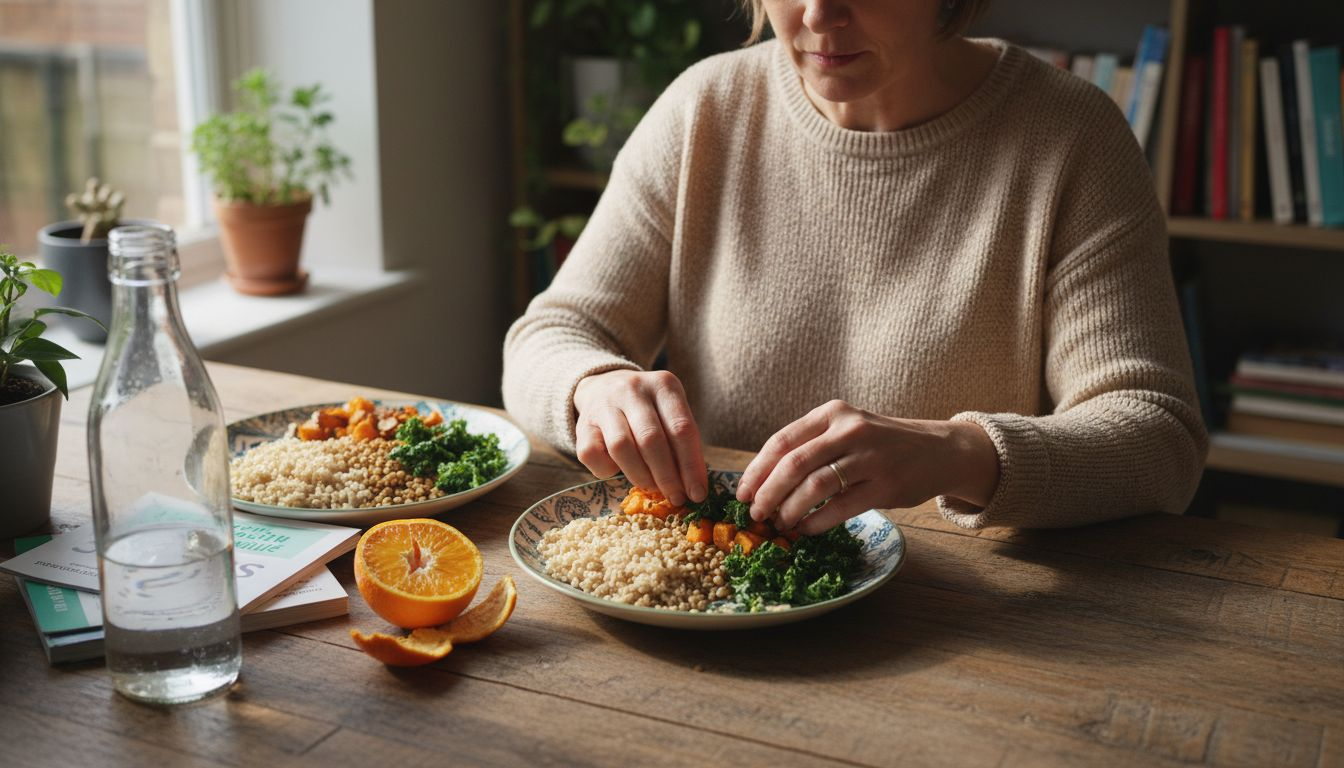
Here’s what happens nutritionally when you adopt this way of eating. Plant-based diets typically deliver higher intakes of carbohydrates, fibre, and vitamin E compared to omnivore diets. That fibre matters enormously, especially if you struggle with digestive issues alongside gluten intolerance. The antioxidants and phytochemicals in colourful vegetables actively reduce your risk of metabolic syndrome, heart disease, and type 2 diabetes. But you also need to be aware of the bioavailability challenge. Plant sources contain lower bioavailable amounts of protein, iron, and zinc than animal sources, meaning your body absorbs less of these nutrients per gram consumed. Vitamin B12 rarely appears in unfortified plant foods, and iodine can be scarce. This isn’t a reason to abandon plant-based eating. It’s a reason to eat strategically.
The solution involves pairing foods thoughtfully. Combine legumes with vitamin C sources like tomatoes or lemon juice to enhance iron absorption. Include nuts and seeds regularly for bioavailable minerals. Consider fortified plant-based milk, nutritional yeast, or iodised salt to address B12 and iodine gaps. If you’re managing gluten intolerance, ensure your legumes, grains, and processed foods are certified gluten-free, since cross-contamination happens frequently in shared manufacturing facilities. Plant-based protein sources require intentional selection and combination to meet your daily requirements, particularly if you’re active or recovering from illness. The quality of what you eat matters far more than the label.
Pro tip: Build meals around legumes and whole grains first, add colourful vegetables second, then include a fat source like nuts or seeds. This simple formula ensures you’re hitting multiple nutrient targets without overthinking every meal.
Impact on Health, Environment and Quality of Life
The decision to shift towards plant-based eating creates ripples across three interconnected areas of your life: your personal health, the planet’s wellbeing, and your overall quality of life. Start with health. Plant-based diets reduce risks of cardiovascular diseases, diabetes, hypertension, and certain cancers, alongside cognitive decline as you age. Clinical evidence shows measurable improvements: lower blood pressure within weeks, better glycemic control for those managing blood sugar, and improved lipid profiles that cardiologists actually celebrate. For someone in your position managing health concerns whilst navigating dietary restrictions, these aren’t abstract statistics. They translate to fewer medications, more energy, clearer thinking, and extended healthy years ahead. The disease prevention aspect matters enormously, particularly for expatriates in Delhi NCR who often experience lifestyle-related health challenges due to dietary transitions and stress.
Now consider the environmental dimension. A single person shifting to predominantly plant-based eating reduces their foodprint dramatically. Plant agriculture requires substantially less water, less land, and generates significantly fewer greenhouse gas emissions compared to animal agriculture. When you choose locally sourced seasonal vegetables and legumes available through organic suppliers in your region, you’re eliminating transport emissions on top of production savings. Plant-based diets lower greenhouse gas emissions and reduce environmental impacts of food production, contributing directly to climate change mitigation. This isn’t about guilt or virtue signalling. It’s about recognising that your food choices affect the air quality in Delhi, the water availability in your region, and the planetary systems your children will inherit. The connection between your plate and the environment is direct and measurable.
The quality of life improvements deserve careful attention. People often expect plant-based eating to feel restrictive, a constant exercise in willpower and limitation. The opposite frequently happens. Many report increased energy, clearer skin, better digestion, improved mental clarity, and a sense of alignment with their values. You’re not fighting your body’s natural signals or ignoring your conscience simultaneously. Instead, meals become sources of genuine nourishment rather than compromise. You sleep better, think more clearly, and experience fewer afternoon energy crashes. The psychological benefit of living consistently with your environmental and ethical values shouldn’t be underestimated. For expatriates, this alignment often becomes particularly meaningful as you navigate identity questions and life purpose away from your home country.
Pro tip: Track one measurable health marker that matters to you personally, whether blood pressure, energy levels, or digestion quality, and reassess it after eight weeks of predominantly plant-based eating to observe concrete changes rather than relying on generic claims.
Common Risks, Mistakes and How to Avoid Them
Shifting to plant-based eating without proper planning creates genuine nutritional vulnerabilities. The most common mistake is assuming that any plant-based food is automatically healthy. Someone might eliminate animal products, celebrate their choice, and then build meals around white bread, sugary plant-based meats, and processed snacks. You’ve eliminated one problem but created another. Consuming highly processed plant-based foods lacking essential nutrients is a significant risk, negating the health benefits you’re seeking. The label “plant-based” doesn’t guarantee nutritional adequacy. Ultra-processed vegan products often contain excessive sodium, refined oils, and added sugars whilst lacking the fibre and micronutrients whole foods provide. For your situation managing gluten intolerance alongside dietary change, processed alternatives sometimes contain hidden gluten sources or problematic additives. Read ingredient lists rather than relying on marketing claims.
The second major risk involves specific nutrient deficiencies. Vitamin B12 simply doesn’t exist naturally in plant foods at meaningful levels. Iron and calcium from plants are absorbed less efficiently than from animal sources. Iodine becomes scarce without intentional planning. Critical nutrient deficiencies including vitamin B12, iron, and calcium require supplementation or fortified foods to maintain health long-term. This isn’t a weakness of plant-based eating. It’s a biological reality requiring straightforward solutions. A vitamin B12 supplement costs pennies monthly. Fortified plant milks and nutritional yeast address multiple gaps simultaneously. The mistake isn’t adopting plant-based eating. It’s ignoring these specific needs rather than addressing them proactively.
A third error involves insufficient planning and education. Barriers include inadequate nutrient planning and misinformation, making healthcare professional support essential for successful plant-based nutrition. Don’t wing this. Spend a weekend learning which legumes pair with which vegetables for complete proteins. Understand which foods provide iron and which enhance absorption. Know your B12 sources. Consider consulting a dietitian familiar with plant-based nutrition, particularly given your gluten intolerance adds complexity. Many make assumptions rather than gathering facts. Others switch approaches constantly based on social media trends rather than building sustainable habits. The successful approach involves education upfront, implementing systems that work for your life, then monitoring results rather than relying on hope.
Here’s what actually prevents problems: prioritise whole foods, identify your specific supplement needs, and track your energy and health markers monthly. If you’re feeling fatigued, your iron might be inadequate. If cognitive function declines, B12 deserves attention. Your body provides feedback. Listen to it.
The table below summarises strategies for avoiding common plant-based diet pitfalls:
| Common Issue | Solution Approach | Benefit Achieved |
|---|---|---|
| Nutrient deficiencies | Use B12 supplements, fortified foods | Maintain energy, cognitive health |
| Over-reliance on processed foods | Focus on whole, minimally processed ingredients | Improved nutrient intake |
| Inadequate planning | Educate yourself, consult a dietitian | Sustainable, balanced diet |
Pro tip: Get baseline blood work showing B12, iron, and vitamin D levels before shifting to plant-based eating, then retest after three months to identify specific deficiency patterns rather than guessing at supplementation needs.
Comparing Plant-Based with Other Eating Patterns
Plant-based eating doesn’t exist in isolation. It sits within a broader landscape of dietary approaches, each with distinct philosophies, flexibility levels, and health outcomes. Understanding how plant-based diets compare to alternatives helps you choose what actually fits your life rather than adopting something trendy that doesn’t sustain. The Mediterranean diet emphasises plant foods, whole grains, legumes, and healthy fats from olive oil, but includes moderate amounts of fish and poultry alongside dairy. It’s been studied for decades and consistently produces excellent health outcomes. The DASH diet similarly prioritises vegetables, fruits, whole grains, and legumes whilst including lean proteins and low-fat dairy. Both patterns work well and have substantial research backing. Plant-based diets take a step further by minimising or eliminating animal products entirely. Plant-based diets compare favourably to Mediterranean and DASH patterns in promoting health and sustainability, particularly regarding environmental impact and chronic disease prevention.
The key difference lies in flexibility and sustainability motivation. Mediterranean and DASH diets include moderate animal products, which some find easier to maintain long-term since they offer more convenience and social flexibility in mixed cultural settings like Delhi NCR. If you’re eating with family members who eat differently, Mediterranean-style flexibility might feel less isolating. Plant-based approaches offer superior environmental benefits and appeal strongly to those with ethical concerns about animal welfare. For someone navigating multiple dietary restrictions, plant-based eating sometimes proves simpler because you stop asking “which animal products are acceptable” and instead focus on plant foods entirely. Other patterns include flexitarian approaches, which are mostly plant-based with occasional meat, and vegan diets, which exclude all animal products including dairy and honey. Various eating patterns differ in animal product inclusion, with plant-based diets offering notable sustainability advantages, though nutritional adequacy depends on thoughtful planning across any pattern.
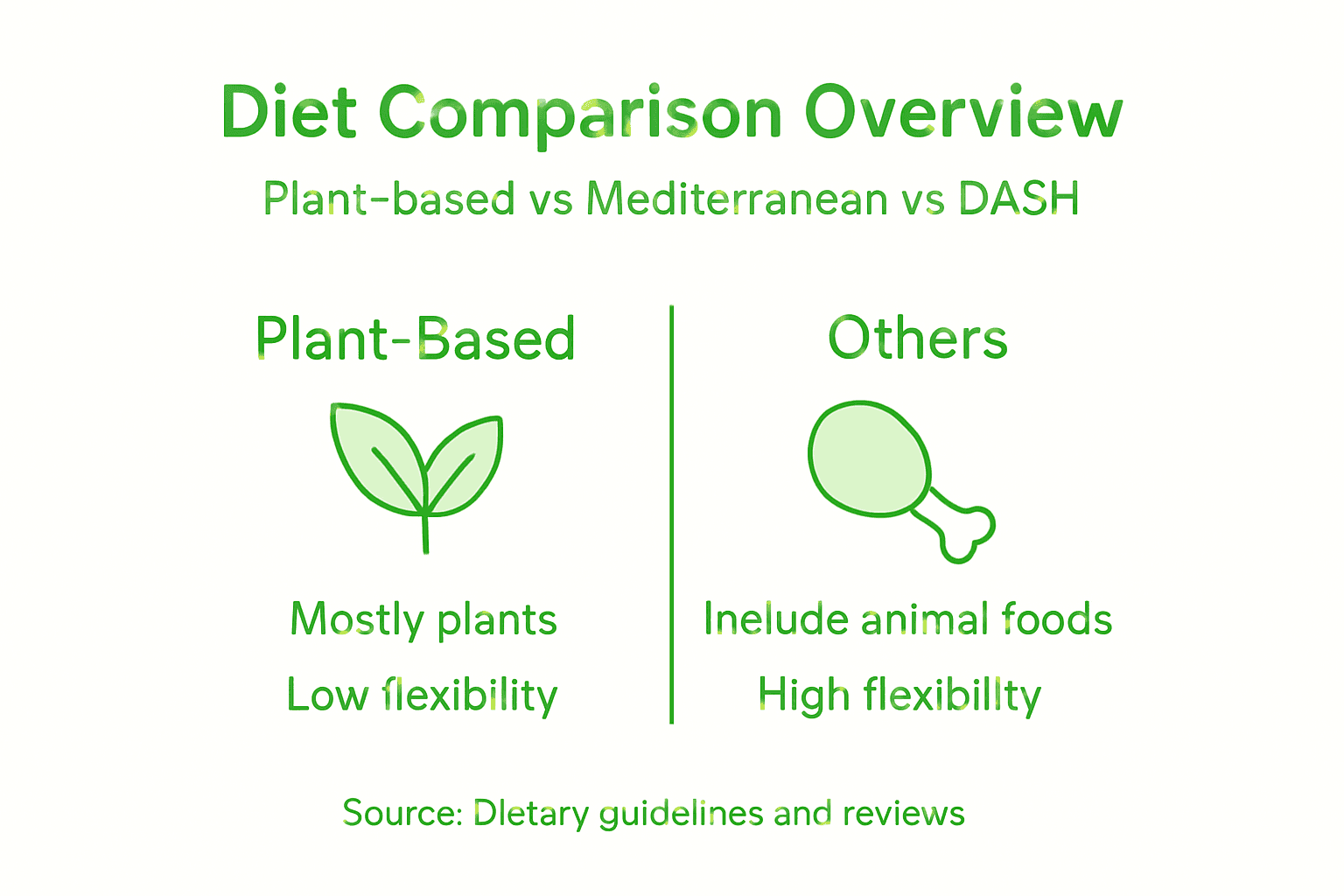
The practical comparison boils down to your priorities. Choose Mediterranean or DASH if you value research longevity, social ease, and moderate animal product inclusion. Choose plant-based if environmental impact matters deeply, if you find full commitment easier than moderation, or if ethical concerns drive your choices. Choose flexitarian if you want environmental benefits without complete restriction. None of these approaches is objectively superior. The best diet is the one you’ll actually follow consistently. Your gluten intolerance means you need careful planning regardless of pattern chosen. Your expatriate status in Delhi NCR means access to organic, clean ingredients from suppliers prioritising minimal processing matters more than the specific diet label. Focus on whole foods, plan for nutritional completeness, and match your approach to your actual values and constraints rather than aspirational versions of yourself.
Pro tip: Rather than committing to a single diet label, identify your core non-negotiable values (environmental impact, animal welfare, health outcomes, social convenience) and choose whichever pattern aligns with those rather than following a label rigidly.
Embrace a Healthier, More Sustainable Lifestyle with Nature’s Soul
Transitioning to a plant-based diet can feel overwhelming when balancing wellness goals, nutrient needs, and environmental concerns. If you are navigating challenges like ensuring complete nutrition while managing gluten intolerance or seeking clean, organic ingredients to support your journey, Nature’s Soul offers tailored solutions to meet your unique needs. Our commitment to providing natural, minimally processed fruits, vegetables, vegan and gluten-free options ensures you nourish your body without compromise.
Discover the joy of eating well with confidence by exploring our extensive range of organic products at Nature’s Soul Shop. Whether you are easing into plant-based meals or fully embracing vegan living, our clean ingredient selection empowers you to create meals rich in flavour and optimal nutrition. Start today and experience the positive effects on your health and the planet while enjoying the convenience of trusted natural products delivered to your door.
Begin your wellness transformation now with Nature’s Soul. Learn more about how balanced, wholesome foods can harmonise your dietary needs and values by visiting our organic and natural product collection. Take the first step towards better living and sustainability today.
Frequently Asked Questions
What is a plant-based diet?
A plant-based diet prioritises foods from plant sources, allowing for varying degrees of flexibility regarding the inclusion of animal products. It ranges from fully vegan diets to more flexible approaches such as flexitarian or pescatarian diets.
What are the health benefits of a plant-based diet?
Plant-based diets can reduce the risk of chronic diseases, including cardiovascular disease, diabetes, and certain cancers. They are also associated with improvements in blood pressure, glycemic control, and overall energy levels.
How can I ensure I get enough protein on a plant-based diet?
To meet protein needs on a plant-based diet, focus on incorporating a variety of legumes, nuts, seeds, and whole grains. Pairing legumes with vitamin C-rich foods can enhance nutrient absorption and improve overall nutrient intake.
What are common misconceptions about plant-based diets?
A common misconception is that plant-based diets lack essential nutrients and are overly restrictive. In reality, healthy plant-based diets can provide all necessary nutrients if they consist mainly of whole, minimally processed foods and involve strategic planning.
Recommended
- Why Go Plant Based: Health, Sustainability, and Living Well – naturessoulshop
- Plant-Based Diet and Environment – Real Benefits for Wellness – naturessoulshop
- Plant Based Diet Guide: Complete Wellness Resource – naturessoulshop
- Complete Guide to Vegan Diet – naturessoulshop
- Transform Your Health: The Complete Guide to Plant-Based Diets, Interm – Real Healthy Haven


