


Every parent faces that moment when their child complains about tummy aches or discomfort after a meal. Supporting digestive health is not just about relief but setting the foundation for lifelong wellness. Paying attention to foods that encourage a healthy gut — from high-fibre and fermented options to hydrating fruits and vegetables — offers natural support for the growing needs of your family. Discover how carefully selected ingredients and smart choices can help everyone in your home feel lighter and healthier, one meal at a time.
Table of Contents
- Defining Foods That Support Digestion
- Types: High-Fibre, Fermented, And Hydrating Foods
- How Probiotic And Prebiotic Foods Work
- Common Dietary Triggers And Mistakes To Avoid
- Selecting Organic Options For Sensitive Digestion
Key Takeaways
| Point | Details |
|---|---|
| Support Gut Health | Incorporate probiotic and prebiotic foods to enhance digestive wellness and balance the gut microbiome. |
| Prioritise High-Fibre Foods | Consume a variety of high-fibre foods to promote regular bowel movements and aid digestion. |
| Stay Hydrated | Ensure adequate water intake and include hydrating foods to facilitate smooth digestive processes. |
| Exercise Caution with Triggers | Identify and avoid common dietary triggers that may disrupt digestion while practising mindful eating habits. |
Defining Foods That Support Digestion
Understanding digestive health involves recognising how specific nutrients and food groups contribute to optimal gut function. The human digestive system requires a balanced approach that includes various elements supporting nutrient breakdown, absorption, and intestinal health. Digestive health fundamentally depends on consuming foods that promote beneficial bacteria growth and maintain smooth intestinal processes.
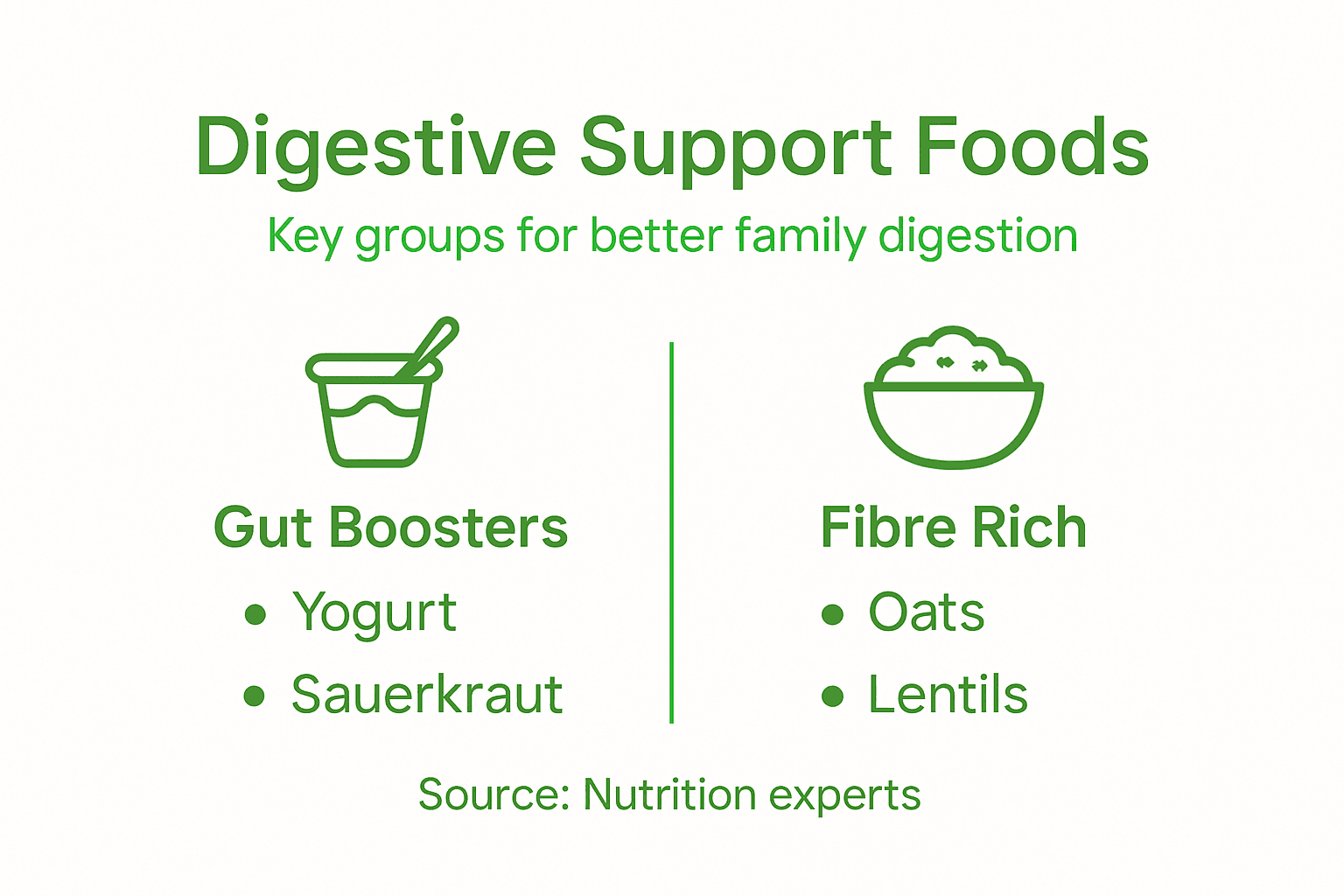
Specifically, foods supporting digestion can be categorised into several key groups. Probiotic-rich foods like yoghurt, kefir, and fermented vegetables introduce beneficial microorganisms directly into the gut microbiome. Prebiotic foods such as garlic, onions, and whole grains provide essential nutrition that helps these beneficial bacteria thrive. Fibre-dense foods like legumes, fruits, and vegetables add bulk to digestive contents, facilitating smoother intestinal transit and promoting regular bowel movements.
The human digestive system requires a nuanced approach to nutrition. While some foods actively support gut health, others might trigger discomfort. Digestive enzymes found in foods like pineapple, papaya, and certain fermented products can help break down complex nutrients more efficiently. Additionally, hydrating foods and adequate water intake play a critical role in maintaining smooth digestive processes and preventing constipation.
Here’s a comparison of how key food groups contribute to digestive health:
| Food Group | Main Benefit | Example Foods |
|---|---|---|
| Probiotic-rich | Enhances gut microbiome | Yoghurt, kimchi |
| Prebiotic | Nourishes good bacteria | Garlic, whole grains |
| High-fibre | Promotes regularity | Legumes, apples |
| Hydrating | Eases food movement | Cucumbers, melons |
| Digestive enzymes | Assists nutrient breakdown | Pineapple, papaya |
Pro tip: Introduce new digestive-supporting foods gradually and observe how your body responds to prevent potential digestive disruptions.
Types: High-Fibre, Fermented, and Hydrating Foods
Optimal digestive health hinges on consuming a diverse range of nutrient-rich foods that support gut function. Dietary fibre plays a crucial role in maintaining gastrointestinal wellness, with different types of fibres offering unique benefits to the digestive system. These food groups—high-fibre, fermented, and hydrating—work synergistically to promote a healthy, balanced gut microbiome.
High-fibre foods form the foundation of digestive support. Soluble and insoluble fibres found in whole grains, legumes, fruits, and vegetables act as essential prebiotics, feeding beneficial gut bacteria and promoting regular bowel movements. Fermented foods like yoghurt, kefir, kimchi, and sauerkraut introduce live beneficial bacteria directly into the digestive tract, enhancing microbiota diversity and supporting immune function. These probiotic-rich foods help balance intestinal flora, reducing inflammation and improving overall digestive health.

Hydrating foods complement fibre and fermented options by ensuring smooth digestive processes. Water-rich fruits and vegetables such as cucumbers, watermelon, and leafy greens provide essential moisture that helps prevent constipation and supports nutrient transportation. By maintaining proper hydration, these foods facilitate more efficient digestion, soften stool, and promote optimal intestinal function. The interplay between high-fibre, fermented, and hydrating foods creates a comprehensive approach to supporting digestive wellness.
Pro tip: Gradually introduce new digestive-supporting foods into your diet and maintain a food diary to track how your body responds to different nutritional combinations.
How Probiotic and Prebiotic Foods Work
Probiotic and prebiotic foods play a critical role in maintaining a healthy gut ecosystem. These nutritional powerhouses work through intricate mechanisms that support digestive health, immune function, and overall wellness. Probiotics are living microorganisms that introduce beneficial bacteria directly into the intestinal tract, while prebiotics serve as specialised nutrition that helps these beneficial bacteria flourish and multiply.
Probiotics function by colonising the gut with beneficial microorganisms that compete with harmful bacteria, effectively improving the intestinal microbiome’s balance. Fermented foods like yoghurt, kefir, kimchi, and sauerkraut are rich sources of these live cultures. Prebiotic foods such as garlic, onions, and whole grains provide essential non-digestible fibres that act as fuel for these beneficial bacteria, enabling them to grow and perform critical digestive functions.
The symbiotic relationship between probiotics and prebiotics creates a powerful nutritional strategy for supporting digestive wellness. By introducing live beneficial bacteria and providing them with specialised nutrition, these foods help reduce inflammation, enhance nutrient absorption, and strengthen the body’s natural defence mechanisms. The complex interaction supports mucosal immunity, improves gastrointestinal function, and can potentially alleviate symptoms associated with digestive disorders.
Pro tip: Combine probiotic and prebiotic foods in your meals to maximise their synergistic digestive health benefits.
Common Dietary Triggers and Mistakes to Avoid
Dietary triggers and common mistakes can significantly disrupt digestive wellness, creating uncomfortable and potentially long-term health challenges. Understanding these potential pitfalls helps families make more informed nutritional choices. Some individuals are particularly sensitive to specific food groups, making awareness and careful dietary management crucial for maintaining optimal digestive health.
Processed foods, excessive fatty meals, and specific ingredients often emerge as primary digestive disruptors. Artificial sweeteners, caffeine, and spicy foods can trigger inflammation and irritate the intestinal lining. Common food allergies like gluten and dairy sensitivities may cause additional digestive complications, leading to bloating, discomfort, and nutrient malabsorption. Sudden dietary changes, rapid eating, and insufficient hydration further compound these challenges, potentially overwhelming the digestive system’s natural processing capabilities.
Moderation and mindful eating represent key strategies for avoiding digestive complications. Gradually introducing dietary changes, maintaining proper hydration, and paying attention to individual body responses can help mitigate potential triggers. Consuming whole, minimally processed foods, chewing thoroughly, and eating at a relaxed pace support more efficient digestion. Regular meal timing and portion control also play critical roles in maintaining digestive equilibrium and preventing unnecessary stress on the gastrointestinal system.
Below is a summary of foods to avoid and mindful strategies for digestive wellness:
| Pitfall | Potential Effect | Prevention Tip |
|---|---|---|
| Processed foods | Causes irritation | Choose whole foods |
| Excessive fat | Slows digestion | Limit oily meals |
| Artificial sweeteners | Triggers discomfort | Use natural alternatives |
| Sudden diet changes | Upsets gut balance | Make gradual adjustments |
| Insufficient hydration | Causes constipation | Drink water regularly |
Pro tip: Maintain a detailed food diary to track potential dietary triggers and their specific impacts on your digestive health.
Selecting Organic Options for Sensitive Digestion
Organic food selection strategies represent a critical approach for individuals managing sensitive digestive systems. Reducing exposure to synthetic chemicals and potential irritants can significantly improve gut health and minimise inflammatory responses. Organic produce offers a cleaner nutritional profile, eliminating many potentially harmful substances that might trigger digestive discomfort.
Individuals with sensitive digestion should prioritise certain organic food categories. Organic leafy greens, root vegetables, and fruits tend to have lower pesticide residues compared to conventional alternatives. Essential tips for choosing organic options include focusing on produce with thin skins, which are more susceptible to chemical absorption, and selecting locally grown seasonal varieties that undergo minimal processing. Dairy products, particularly for those with lactose sensitivities, benefit tremendously from organic certification, which ensures animals are raised without synthetic hormones or antibiotics.
Understanding organic labelling becomes crucial for making informed choices. Certified organic products must meet stringent agricultural standards that prohibit synthetic pesticides, genetically modified organisms, and artificial additives. This certification provides an additional layer of protection for individuals with digestive sensitivities, offering a more natural approach to nutrition. Gradual transition and careful observation of individual body responses can help determine which organic foods best support personal digestive wellness.
Pro tip: Start by replacing one food group with organic alternatives and monitor your digestive response to understand individual sensitivities.
Nourish Your Family’s Digestion with Natural, Organic Choices
Digestive health can be a daily challenge for many families seeking comfort and wellness. This article highlights key pain points such as managing dietary triggers, supporting beneficial gut bacteria with probiotics and prebiotics, and choosing foods rich in fibre and hydration for smooth digestion. If you are aiming to overcome digestive discomfort, reduce inflammation, and foster better nutrient absorption, embracing organic and natural products with clean ingredients is essential. Incorporating foods free from artificial additives and pesticides supports a sensitive digestive system and promotes lasting family health.

Take charge of your family’s digestive wellness today by exploring our wide selection of organic fruits, vegetables, vegan and gluten-free dry groceries, and dairy products crafted with your gut health in mind. Visit Nature’s Soul Shop to discover items that align perfectly with the article’s focus on probiotic-rich, high-fibre, and hydrating foods. Support your family’s digestive journey with thoughtful nutrition and experience the difference natural, organic products can make. Start your path to better digestion now by choosing quality and purity at Nature’s Soul Shop.
Frequently Asked Questions
What are probiotic foods and how do they support digestion?
Probiotic foods are those that contain live beneficial bacteria that promote a healthy gut microbiome. Examples include yoghurt, kefir, and fermented vegetables. They help improve intestinal balance and reduce inflammation, supporting overall digestive health.
What are prebiotic foods and why are they important for digestion?
Prebiotic foods are rich in non-digestible fibres that serve as nourishment for beneficial gut bacteria. They include foods like garlic, onions, and whole grains. Prebiotics help these bacteria thrive, enhancing digestive function and health.
How can high-fibre foods improve my digestive health?
High-fibre foods, such as legumes, fruits, and vegetables, add bulk to your digestive contents, which promotes regular bowel movements and prevents constipation. They can also serve as prebiotics, feeding beneficial gut bacteria and supporting overall gut function.
What dietary mistakes should I avoid for better digestion?
To maintain digestive wellness, avoid processed foods, excessive fatty meals, artificial sweeteners, and sudden dietary changes. It’s important to eat at a relaxed pace and stay hydrated to help your digestive system process foods more efficiently.
Recommended
- Improving Gut Health Naturally: Lasting Benefits for Families – naturessoulshop
- Understanding Digestive Health Foods for Optimal Wellbeing – naturessoulshop
- Immune Boosting Foods: Enhancing Family Wellness – naturessoulshop
- Fermented Plant Foods: Complete Guide for Wellness – naturessoulshop
- Best Foods to Eat for Healthy Hair: A Comprehensive Guide | MyHair


