


Glyphosate is detected in over 80% of human urine samples, revealing how widespread exposure has become across populations. Despite being the world’s most used herbicide, recent comprehensive studies document serious health risks including cancer, developmental harm, and endocrine disruption even at doses regulators deem safe. This guide explains how glyphosate impacts your health and provides practical steps to minimize exposure for you and your family.
Table of Contents
- Introduction To Glyphosate And Exposure Pathways
- Molecular And Biological Mechanisms Of Health Impact
- Health Risks: Cancer And Other Diseases
- Developmental And Infant Health Concerns
- Common Misconceptions About Glyphosate Health Risks
- Global Regulatory Perspectives And Controversies
- Practical Steps To Reduce Glyphosate Exposure
- Summary And Next Steps For Health-Conscious Consumers
- Shop Organic And Natural To Protect Your Family’s Health
- Frequently Asked Questions About Glyphosate Health Risks
Key Takeaways
| Point | Details |
|---|---|
| Widespread Exposure | Over 80% of people show glyphosate presence in urine, indicating contamination across food and environment. |
| Cancer Classification | IARC classifies glyphosate as a probable human carcinogen with links to non-Hodgkin lymphoma and other cancers. |
| Developmental Risks | Exposure during pregnancy correlates with reduced birth weight and shorter gestation periods. |
| Regulatory Disagreement | Global agencies diverge on safety assessments, creating consumer confusion about actual risks. |
| Practical Solutions | Choosing certified organic products and washing produce thoroughly reduces glyphosate exposure significantly. |
Introduction to Glyphosate and Exposure Pathways
Glyphosate ranks as the most widely applied herbicide globally, used extensively in agriculture and residential landscaping. You encounter it far more often than you realize. Farmers spray it on crops, homeowners apply it to driveways, and municipalities use it in parks where your children play.
Humans absorb glyphosate through multiple pathways that make exposure nearly inevitable. Contaminated food represents the primary route, followed by drinking water, environmental drift from nearby spraying, and direct handling. Research documents glyphosate in over 80% of urine samples, demonstrating how pervasive exposure has become across demographics. Studies also reveal glyphosate bioaccumulates in blood and maternal milk, raising serious concerns about chronic health impacts.
Children and pregnant women face elevated vulnerability due to developing biological systems and exposure through maternal transfer. Their smaller body mass means they absorb higher concentrations relative to adults.
Key exposure pathways include:
- Consumption of crops treated with glyphosate based herbicides during growth cycles
- Residues persisting on conventionally grown fruits, vegetables, and grains
- Environmental drift settling on playgrounds, gardens, and outdoor living spaces
- Contaminated groundwater and surface water sources used for drinking
- Direct handling during home and garden applications
Understanding how to avoid pesticides in daily life becomes essential when exposure data shows such widespread contamination. The prevalence of glyphosate exposure demands informed consumer choices.
Molecular and Biological Mechanisms of Health Impact
Glyphosate works by targeting the EPSP synthase enzyme, which plants and certain microorganisms require for producing essential amino acids. While humans lack this enzyme, we harbor trillions of gut bacteria that do possess it. Glyphosate inhibits EPSP synthase, potentially disrupting the delicate microbial communities that support digestion, immunity, and hormonal regulation.
This disruption extends beyond gut health into endocrine systems. Scientific investigations document how glyphosate interferes with hormone signaling pathways, creating imbalances that affect reproduction, metabolism, and cellular growth. The compound demonstrates genotoxic properties, meaning it can damage DNA and alter gene expression patterns.
The most alarming findings involve cancer related genes. Research shows glyphosate alters BRCA1 and BRCA2 genes even at low exposure levels, increasing breast cancer susceptibility through epigenetic modifications. These changes don’t mutate the genes directly but affect how they function, silencing tumor suppressor mechanisms your body relies on for cancer prevention.
Key biological disruptions include:
- Destruction of beneficial gut bacteria populations essential for nutrient absorption
- Interference with cytochrome P450 enzymes that metabolize toxins and hormones
- Epigenetic modifications silencing protective cancer genes
- Oxidative stress triggering cellular damage and inflammatory responses
- Endocrine disruption affecting reproductive hormones and developmental processes
Pro Tip: Consuming fermented foods like yogurt, kefir, and traditionally prepared pickles can help restore gut bacteria populations that glyphosate disrupts, supporting your microbiome resilience.
These mechanisms explain why health impacts appear across multiple organ systems rather than targeting a single area. The molecular action of glyphosate creates cascading effects throughout interconnected biological systems. Understanding these pathways helps explain risks associated with plant-based diet risks when produce carries pesticide residues.
Health Risks: Cancer and Other Diseases
The International Agency for Research on Cancer (IARC) classifies glyphosate as a Group 2A probable human carcinogen based on animal studies and limited human epidemiological data. This classification places it alongside other substances with strong evidence of cancer causing potential.
Comprehensive research spanning multiple years documents disturbing patterns. Long-term animal studies show increased tumor incidence including leukemia, kidney tumors, and mammary gland cancers at exposure levels regulatory agencies consider safe. Rats exposed to glyphosate developed rare malignancies at significantly higher rates than control groups.
Epidemiological research links glyphosate exposure with elevated non-Hodgkin lymphoma risk among agricultural workers and their families. The IARC classification as probable carcinogen stems from evidence showing genotoxic effects and oxidative stress mechanisms that promote tumor development.
“40% of leukemia deaths occurred early in glyphosate treated rat groups, highlighting strong carcinogenic potential even at doses regulators deemed acceptable for human exposure.” George Mason University study
Beyond cancer, glyphosate exposure correlates with:
- Liver and kidney damage from chronic low level exposure
- Neurological effects including potential links to Parkinson’s disease
- Reproductive system disruption affecting fertility in both sexes
- Immune system dysfunction increasing susceptibility to infections
- Metabolic disorders potentially contributing to diabetes risk
The evidence becomes particularly concerning when you consider cumulative lifetime exposure rather than single incidents. Understanding food health regulations helps you navigate safety claims, but current standards may not adequately protect against chronic low dose risks. The cancer evidence for glyphosate continues mounting despite regulatory approval in many jurisdictions.
Developmental and Infant Health Concerns
Pregnancy represents a critical window when glyphosate exposure poses heightened risks. Research documents measurable impacts on fetal development that extend into early childhood. A University of Oregon investigation found significant associations between glyphosate exposure and lower birth weights plus shorter gestation periods, indicating the compound disrupts normal developmental processes.
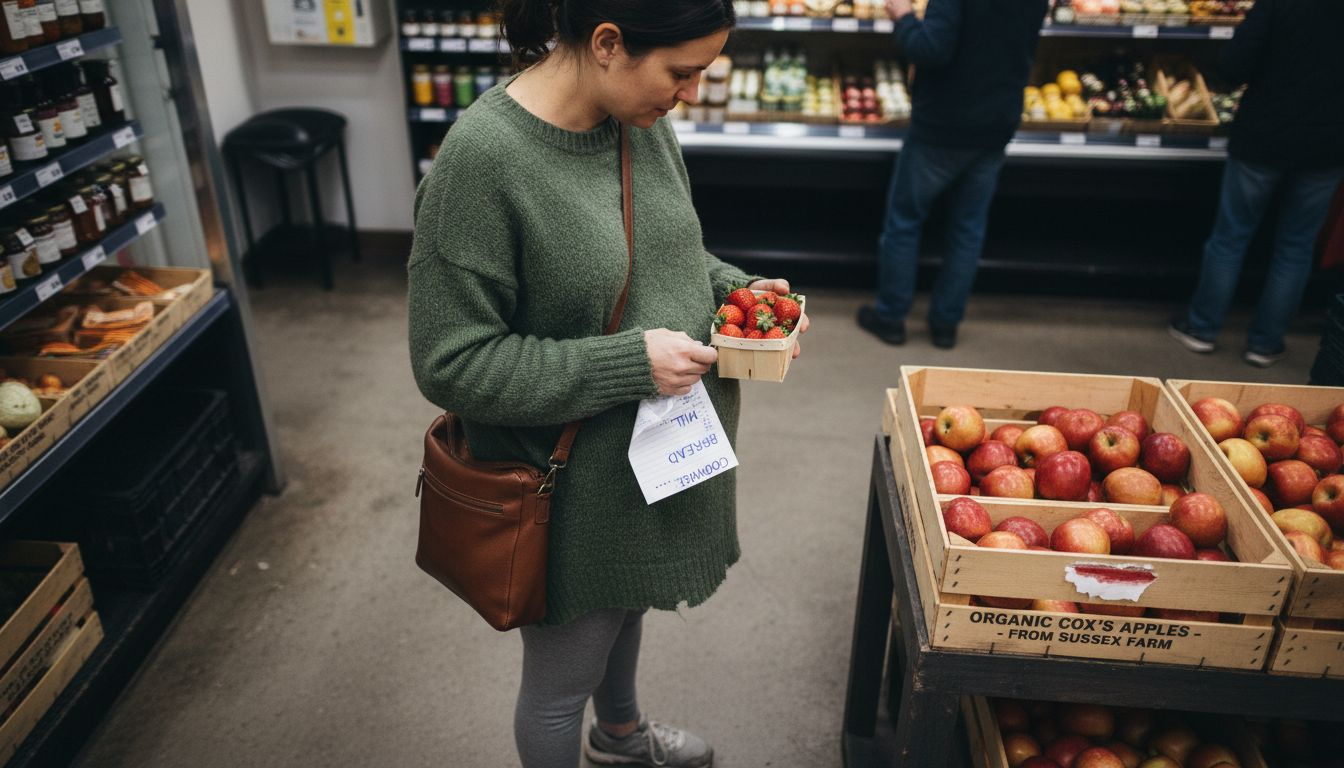
The detection of glyphosate in maternal milk reveals how infants receive ongoing exposure through breastfeeding, their primary nutrition source during crucial developmental months. This transfer pathway means exposure begins before birth and continues throughout infancy when organs and neural systems undergo rapid growth.
Developmental effects include altered fetal growth trajectories, increased sensitivity to endocrine disruption during critical differentiation periods, and potential long term metabolic programming that affects health decades later. The developing brain shows particular vulnerability to toxins that interfere with cellular signaling.
Three practical ways to protect infants and developing fetuses:
- Prioritize certified organic foods during pregnancy and while breastfeeding to minimize dietary glyphosate intake
- Avoid recently sprayed areas including parks, golf courses, and agricultural fields during pregnancy
- Wash all produce thoroughly under running water, even organic items, to remove surface contamination
Pro Tip: Pregnant women should focus on organic versions of produce known to carry high pesticide residues, including strawberries, spinach, and grapes, where glyphosate concentrations typically run highest.
The infant health study on glyphosate emphasizes why avoiding pesticide exposure becomes especially critical during reproductive years and early childhood.
Common Misconceptions about Glyphosate Health Risks
Misinformation surrounds glyphosate safety, creating dangerous complacency among consumers who assume regulatory approval guarantees safety. Understanding what’s actually true versus marketing claims helps you make informed decisions.
Misconception: Glyphosate poses no risk if you follow label instructions. Reality: Recent animal studies show health risks at doses considered safe by regulatory agencies, indicating current safety thresholds may be inadequate for chronic exposure scenarios.
Misconception: Only agricultural workers face significant exposure risks. Reality: General population studies detect glyphosate in over 80% of urine samples across demographics, including children with no agricultural contact. Food residues and environmental drift create widespread exposure far beyond farm boundaries.
Misconception: All regulatory agencies agree glyphosate is non carcinogenic. Reality: Major international bodies hold conflicting positions. IARC classifies it as a probable human carcinogen while EFSA approved continued use, creating regulatory uncertainty that leaves consumers without clear guidance.
Key myths corrected:
- Washing removes all pesticide residues: Surface washing helps but cannot eliminate glyphosate absorbed into plant tissues
- Organic foods cost too much for minimal benefit: The health risk reduction from avoiding glyphosate exposure justifies organic investment for high residue items
- Small amounts pose no concern: Cumulative lifetime exposure and timing during vulnerable developmental periods matter more than single dose levels
- Natural alternatives work just as well: Glyphosate’s effectiveness drove its widespread adoption, making organic farming more labor intensive but healthier
Understanding these realities helps you see through industry funded reassurances that minimize legitimate health concerns. The myths about glyphosate debunked reveal how marketing often contradicts independent scientific findings. Recognizing common health myths in other areas helps you apply similar critical thinking to pesticide safety claims.
Global Regulatory Perspectives and Controversies
Regulatory agencies worldwide reach dramatically different conclusions about glyphosate safety despite reviewing similar scientific evidence. This divergence creates confusion for consumers trying to assess actual risks and make informed purchasing decisions.
The IARC conducted comprehensive reviews of available research and classified glyphosate as a probable human carcinogen based on animal studies showing tumor development and limited human data linking exposure to cancer. This classification considers mechanistic evidence of genotoxicity and oxidative stress pathways.
Conversely, the European Food Safety Authority renewed glyphosate approval in 2023, stating evidence was insufficient to classify it as carcinogenic. They emphasized differences in study design, exposure levels, and interpretation of tumor data that led to their more permissive conclusion.
| Agency | Classification | Key Evidence Considered | Decision |
|---|---|---|---|
| IARC | Probable human carcinogen (Group 2A) | Animal tumors, genotoxicity, limited human data | Restrict use based on cancer risk |
| EFSA | Insufficient evidence for carcinogenicity | Industry studies, exposure modeling | Approve continued use with limits |
| US EPA | Not likely carcinogenic | Similar to EFSA with different weighting | Continued registration permitted |
| Some national agencies | Varying restrictions | Regional studies, precautionary approach | Country specific bans or limits |
This regulatory disagreement stems from different methodologies for weighing evidence, conflicts of interest in funding sources, and varying interpretations of what constitutes “sufficient proof” for restricting a profitable agricultural chemical. Industry funded studies often reach more favorable conclusions than independent research.
The controversy highlights why you cannot simply rely on regulatory approval as a guarantee of safety. Understanding health regulations for food reveals the complex political and economic factors influencing safety standards. The regulatory review process demonstrates how scientific uncertainty gets exploited to delay protective action.
Practical Steps to Reduce Glyphosate Exposure
You can significantly lower your glyphosate intake through strategic choices about food sourcing, preparation methods, and environmental awareness. These practical steps work within typical family budgets and routines.
Choosing certified organic produce eliminates the primary exposure pathway since organic standards prohibit synthetic pesticides including glyphosate. Focus your organic budget on high residue items like strawberries, leafy greens, and grains where conventional farming uses heavy glyphosate applications.
Thoroughly washing fruits and vegetables under running water removes surface residues, though it cannot eliminate compounds absorbed into plant tissues. Scrubbing firm produce with a brush improves removal rates. Peeling helps but sacrifices nutrients concentrated in skins.
Five concrete steps to reduce exposure:
- Purchase organic versions of produce items your family eats most frequently, prioritizing high pesticide crops
- Wash all produce for at least 30 seconds under running water, scrubbing firm items with a dedicated brush
- Avoid parks, golf courses, and public spaces for 48 hours after visible herbicide application
- Read product labels carefully when buying grains, cereals, and processed foods, selecting organic options
- Support farmers markets and local organic growers to access fresh produce with transparent growing practices
Pro Tip: Preparing meals from scratch using organic whole ingredients gives you maximum control over glyphosate exposure compared to processed foods with multiple conventional ingredients.
Educate yourself about which conventional crops carry highest residues so you can make strategic organic substitutions. Environmental Working Group publishes annual lists ranking produce by pesticide contamination levels.
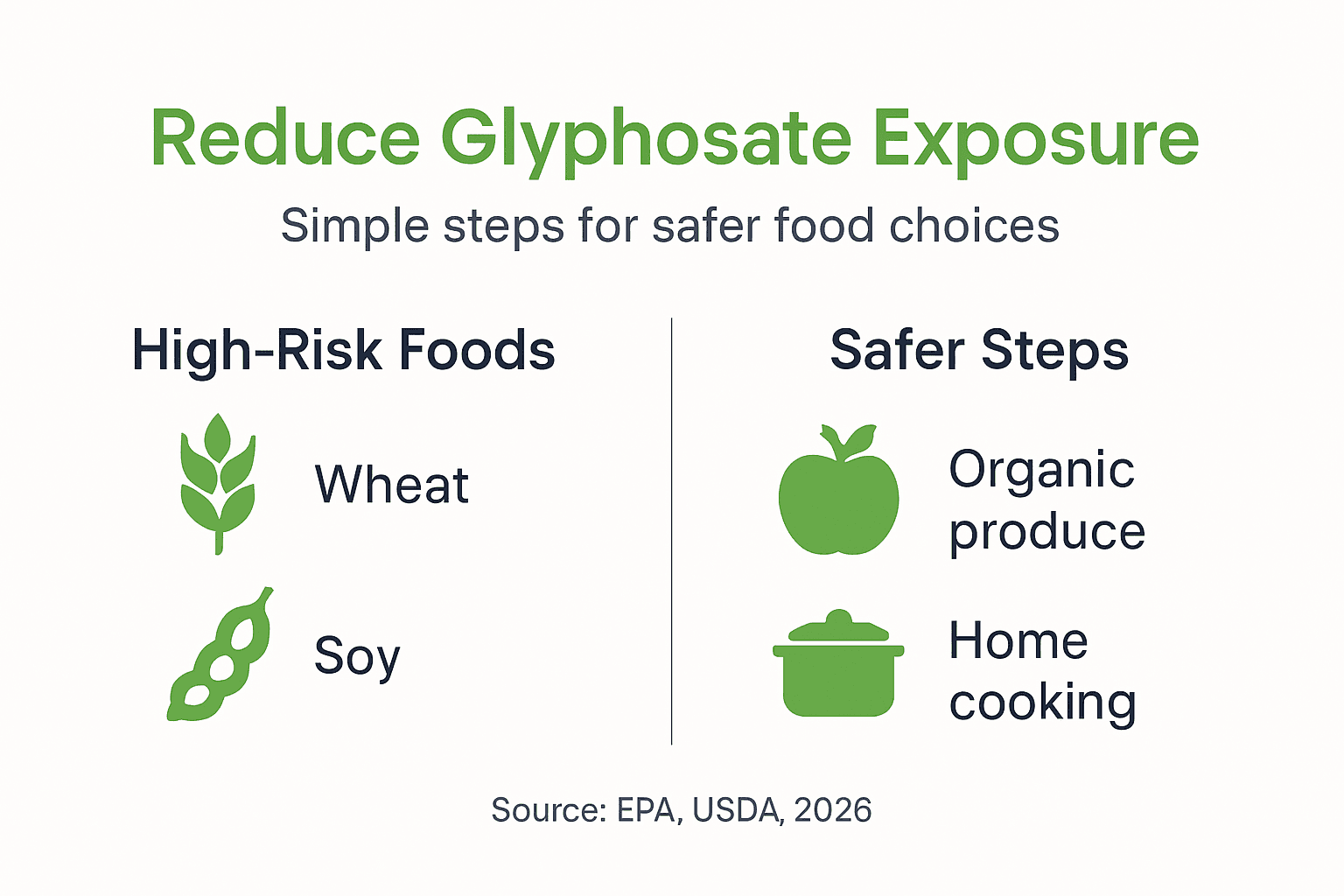
The guide to avoiding pesticides provides detailed strategies for different food categories. Following the step by step guide to switching to organic helps you transition gradually without overwhelming your budget.
Summary and Next Steps for Health-Conscious Consumers
Glyphosate exposure affects over 80% of the population through contaminated food, water, and environmental contact. Comprehensive research links this widespread exposure to serious health risks including multiple cancer types, developmental harm in infants, and endocrine disruption across all ages. Animal studies demonstrate tumor development at doses regulatory agencies consider safe, while human epidemiological data shows elevated cancer rates among exposed populations.
Regulatory disagreement persists despite mounting evidence, with some agencies classifying glyphosate as a probable carcinogen while others approve continued use. This conflicting guidance leaves consumers responsible for protecting their own health through informed choices.
You can minimize risks by prioritizing organic and natural products, washing produce thoroughly, avoiding recently sprayed areas, and supporting farming practices that eliminate synthetic pesticides. These actions protect your family while encouraging broader agricultural shifts toward safer growing methods.
Next steps for safer consumption:
- Audit your current diet to identify high risk conventional items worth replacing with organic alternatives
- Learn to recognize certified organic labels and understand certification standards
- Join community supported agriculture programs connecting you directly with organic farmers
- Advocate for stronger pesticide regulations and transparent labeling in your community
- Share credible information about glyphosate risks with friends and family to expand awareness
Your purchasing decisions influence market demand for organic products, making them more accessible and affordable over time. Individual choices aggregate into collective impact that can reshape food systems.
Shop Organic and Natural to Protect Your Family’s Health
Reducing glyphosate exposure starts with choosing certified organic and natural products for your household. Every organic purchase you make decreases your family’s cumulative pesticide burden while supporting farming practices that protect environmental and human health.
Nature’s Soul Shop offers comprehensive selections of organic foods and groceries across all categories, from fresh produce and meats to dry goods, dairy alternatives, and home care products formulated with clean ingredients. You’ll find everything needed to build a low toxin lifestyle without compromising convenience or taste.
Explore our detailed guide for switching to organic that walks you through prioritizing purchases based on your family’s needs and budget. Learn how to identify authentic organic products so you can shop with confidence knowing you’re getting genuine certified items.
Frequently Asked Questions about Glyphosate Health Risks
What are the main ways glyphosate can enter my household?
Glyphosate enters homes primarily through residues on conventionally grown food, contaminated drinking water, environmental drift from nearby agricultural or landscaping applications, and direct handling if you use glyphosate based herbicides in your garden. Tracking exposure sources helps you target reduction strategies effectively.
Is glyphosate risk higher for children compared to adults?
Yes, children face elevated risks due to developing organ systems, higher exposure relative to smaller body weights, and greater sensitivity during critical growth periods. Detection of glyphosate in maternal milk creates infant exposure beginning in early life when vulnerability peaks.
Can washing fruits and vegetables remove all glyphosate residues?
Washing reduces surface residues significantly but cannot eliminate glyphosate absorbed into plant tissues during growth. Running water and scrubbing help, but choosing organic produce remains the most reliable way to avoid internal residues that washing cannot reach.
Are organic foods guaranteed to be glyphosate free?
Certified organic standards prohibit synthetic pesticides including glyphosate, making organic foods substantially lower in residues. Trace contamination from drift or soil persistence occasionally occurs, but levels remain minimal compared to conventional products where direct application is standard practice.
How can I check if a product contains glyphosate or related herbicides?
Look for certified organic labels which indicate products grown without synthetic pesticides. Read ingredient lists carefully and research brands committed to ingredient transparency. Consumer advocacy organizations maintain databases of tested products showing actual residue levels you can consult for specific items.
Recommended
- How to Avoid Pesticides: A Complete Guide for Healthier Living – naturessoulshop
- Health Regulations for Food – Protecting Family Wellness – naturessoulshop
- Understanding Hidden Gluten Sources and Their Impact – naturessoulshop
- Cross Contamination Gluten Free: Safe Eating in Delhi NCR 2025 – naturessoulshop


