


Every health-conscious parent in Delhi NCR knows how city life can leave families feeling disconnected and stressed. Modern routines keep everyone indoors, but simple activities like park walks or balcony gardening can restore calm and enhance well-being. Research shows that nature therapy encompasses practical approaches like forest therapy, grounding, and outdoor movement, all proven to reduce stress and support emotional balance for both parents and children. Discover how nature therapy can naturally build a resilient, connected family in your unique urban environment.
Table of Contents
- Nature Therapy Defined And Common Myths
- Types Of Nature Therapy Approaches
- Health Benefits For Families And Children
- Incorporating Nature Therapy In Urban Life
- Risks, Limitations And Best Practices
Key Takeaways
| Point | Details |
|---|---|
| Nature Therapy is Accessible | Nature therapy includes simple activities like outdoor walks and gardening that can easily fit into urban family life. |
| Short Outdoor Times are Effective | Even 20 minutes spent in nature can significantly reduce stress and benefit mental health for both adults and children. |
| Not a Substitute for Professional Care | Nature therapy complements but does not replace professional mental health treatment; it’s important to seek appropriate support when needed. |
| Variety of Approaches Available | Families can choose from different nature therapy methods tailored to their preferences, such as forest bathing or guided nature walks, enhancing engagement and benefits. |
Nature Therapy Defined and Common Myths
Nature therapy, also called ecotherapy or grounding, uses natural environments to improve your family’s mental and physical health. It’s not mystical or complicated—it’s simply spending intentional time in nature to reduce stress and boost wellbeing.
At its core, Nature Informed Therapy (NIT) integrates the healing power of nature with evidence-based mental health practices. The concept addresses the real mental health impacts that come from being disconnected from the environment, fostering deeper relationships with nature, yourself, and others.
What Nature Therapy Actually Includes
Nature therapy encompasses several established practices:
- Forest therapy and shinrin-yoku (the Japanese practice of forest bathing) promote relaxation by lowering cortisol levels and heart rate
- Grounding or earthing involves direct contact with the earth to reduce stress
- Outdoor movement like walking, gardening, or simply sitting in green spaces
- Sensory engagement with natural elements—listening to birds, feeling tree bark, smelling plants
These aren’t expensive retreats or complicated techniques. They’re practical activities your family can do in Delhi NCR’s parks, gardens, or even your building’s green spaces.
Forest therapy and similar practices have measurable effects on your nervous system—lowering cortisol and heart rate within minutes of contact with nature.
The Most Common Myths
Let’s address what doesn’t work about nature therapy. Some people believe it’s a cure-all that replaces professional mental health care. It’s not. Nature therapy supports clinical treatment; it doesn’t substitute for counselling or medication when needed.
Another myth: you need pristine forests or exotic locations. False. Research shows benefits from local parks, community gardens, and even green walls in urban apartments. Your nearest Delhi NCR park works perfectly.
Some think you need hours outdoors. Not true. Even 20 minutes of purposeful nature time produces measurable stress reduction. Many urban families start with lunch breaks in parks or weekend walks.
The biggest misconception? Nature therapy is for people already interested in nature or environmentalism. Actually, it benefits every family member regardless of outdoor experience. Your 3-year-old and your grandmother both experience the calming effects.
Why This Matters for Your Family
Urban parenting creates specific pressures—screen time battles, indoor-focused routines, limited green space, air quality concerns. Nature therapy addresses these by creating intentional nature moments that actually reduce anxiety in both parents and children.
When children spend regular time outdoors, they develop better emotional regulation, improved focus, and stronger immune systems. For parents, it’s a legitimate stress-management tool that doesn’t require joining a gym or buying expensive wellness equipment.
Nature therapy also builds family connection. Unlike screens or structured activities, nature creates space for conversation, play, and observation together.
Pro tip: Start small with your family by scheduling just one 20-minute park visit weekly, focusing on sensory engagement rather than exercise—notice bird calls, feel different leaf textures, observe insects—and you’ll see measurable shifts in everyone’s mood within four weeks.
Types of Nature Therapy Approaches
Nature therapy isn’t one-size-fits-all. Different approaches suit different families, schedules, and preferences. Some work brilliantly for anxious children, whilst others help parents decompress after hectic workdays.
The key is finding what resonates with your family. You might combine several approaches throughout the week rather than relying on just one method.
Low-Intensity, Accessible Approaches
These require minimal planning and fit into busy urban schedules:
- Forest bathing (shinrin-yoku) involves slow, mindful walks through green spaces, focusing on sensory engagement with surroundings
- Guided nature walks in Delhi NCR parks where you intentionally notice wildlife, plants, and seasonal changes
- Nature meditation practised in your garden, balcony, or local park for 10-15 minutes
- Outdoor yoga combining physical practice with natural surroundings
These approaches work brilliantly for families with limited time. A 20-minute forest walk during lunch or weekend produces measurable stress reduction without requiring special equipment or expertise.
Structured and Therapeutic Approaches
If your family needs more structured engagement, consider these options:
- Horticultural therapy using gardening activities to build emotional resilience and connection
- Animal-assisted therapy incorporating pet care or interactions with animals in natural settings
- Adventure therapy involving outdoor challenges that build confidence and family teamwork
- Arts and crafts with natural materials creating with leaves, stones, branches, and flowers
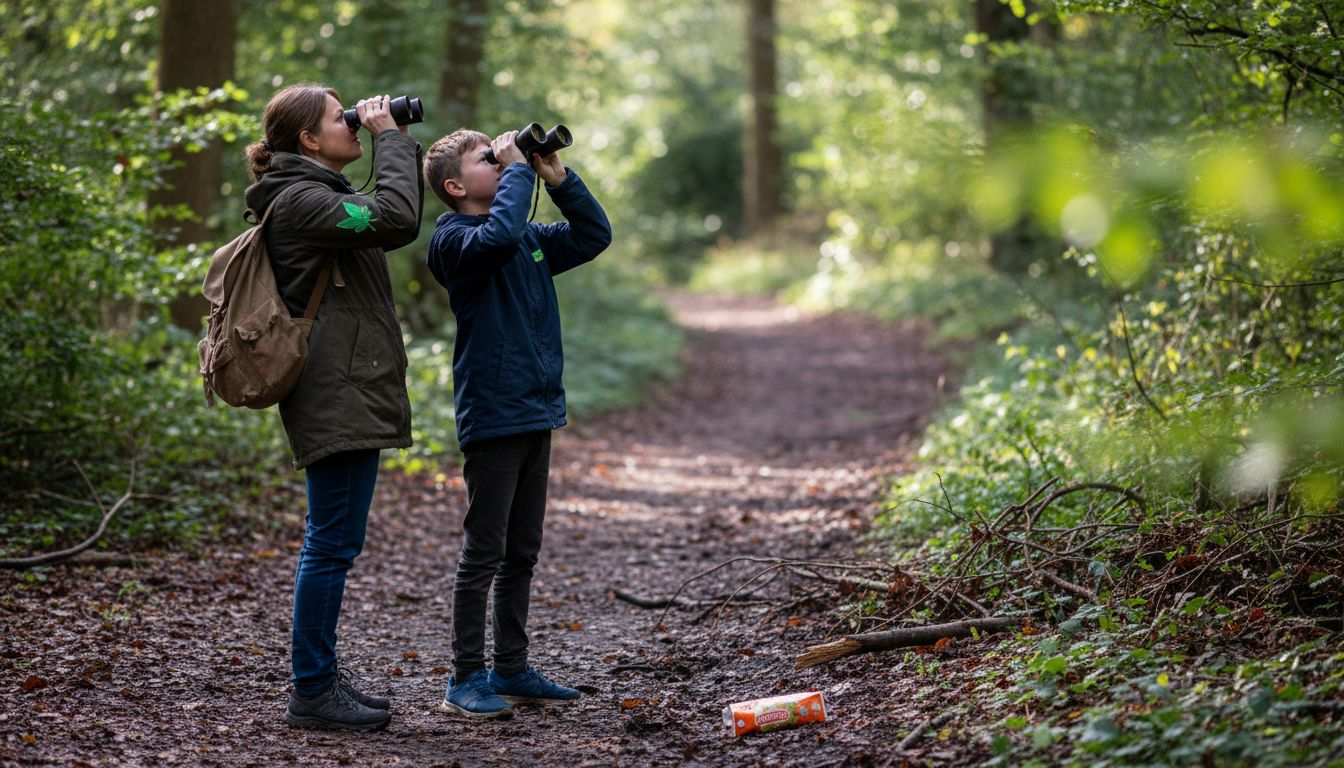
Walking in nature decreases anger and increases positive emotions compared to urban environments, with benefits coming from multisensory engagement with natural sounds and fragrances.
Care Farming and Wilderness Immersion
For families ready for deeper commitment, nature therapy approaches range from gentle guided walks to wilderness immersion, depending on your family’s experience level.
Care farming involves working directly with plants and animals on farms, teaching children where food originates. It’s particularly valuable in Delhi NCR’s surrounding areas where farm visits are accessible.
Wilderness therapy involves extended time in natural environments, though this typically requires organised programmes. Many Indian wellness organisations now offer family-friendly nature immersion retreats.
Which Approach Fits Your Family?
Younger children (ages 3-7) respond brilliantly to sensory activities and nature exploration. Teens often prefer adventure therapy and outdoor challenges. Parents typically benefit most from meditative walks or gardening activities that combine movement with mindfulness.
Start with what feels manageable. A 20-minute weekly park visit beats planning elaborate expeditions you’ll never actually do.
Pro tip: Try one new approach monthly with your family—rotate between forest bathing, gardening, and outdoor yoga—then commit to whichever creates the most visible mood improvement in everyone.
Here’s how different nature therapy approaches suit various family needs:
| Approach Type | Best For | Time Commitment | Typical Environments |
|---|---|---|---|
| Forest bathing | Parents, stressed adults | 20-60 minutes weekly | Local parks, gardens |
| Guided nature walks | Young children, beginners | 30 minutes monthly | Community parks, green spaces |
| Outdoor yoga | Teens, adults | 15-45 minutes weekly | Terraces, gardens, parks |
| Horticultural therapy | All ages, family bonding | Variable, often ongoing | Rooftop gardens, balconies |
| Wilderness immersion | Adventurous teens, families | Multi-day or monthly | Farms, rural preserves |
This summary highlights suitable therapy types based on family members, available time, and environment.
Health Benefits for Families and Children
Nature therapy isn’t just about feeling calmer. The health impacts run deep—affecting your child’s brain development, immune system, and emotional resilience in measurable ways.
Urban families often underestimate how much their children benefit from regular nature contact. The research is compelling, showing results that appear within weeks, not months.
Physical Health Benefits
Regular nature exposure strengthens children’s bodies in multiple ways:
- Enhanced physical activity through outdoor play, climbing, exploring, and movement in natural spaces
- Improved immune function from exposure to diverse microorganisms in soil and plants
- Better sleep quality due to natural light exposure regulating circadian rhythms
- Reduced inflammation from reduced stress hormones like cortisol
- Stronger cardiovascular health from increased movement and outdoor activity
Parents also experience measurable physical benefits. Blood pressure decreases, heart rate drops, and stress-related muscle tension eases after just 20 minutes in nature.
Nature contact enhances physical activity and reduces stress in children, with particular benefits for those in urban and lower-income communities.
Mental and Emotional Development
The psychological impact might be nature therapy’s greatest strength. Nature-based activities strengthen social-emotional skills and emotional stability, with benefits especially visible in children facing developmental challenges.
Children who spend regular time outdoors show:
- Reduced anxiety and depression symptoms
- Improved attention and focus in school
- Better emotional regulation when frustrated or upset
- Increased creativity and problem-solving abilities
- Enhanced confidence and independence
For anxious Delhi NCR children, nature exposure provides natural anxiety relief without medication side effects. The sensory engagement—bird calls, wind, textures—naturally calms the nervous system.
Cognitive and Academic Benefits
Nature contact directly supports brain development. Time outdoors improves memory, concentration, and academic performance across subjects.
Children develop better:
- Executive function (planning, organising, decision-making)
- Creative thinking and imagination
- Language development through exploration and observation
- Motivation for learning overall
Teachers report that students who spend time in nature before classes show dramatically improved focus during lessons.
Social Skills and Empathy
Nature therapy builds connection—to the environment and to each other. Outdoor family activities naturally encourage conversation, cooperation, and emotional bonding.
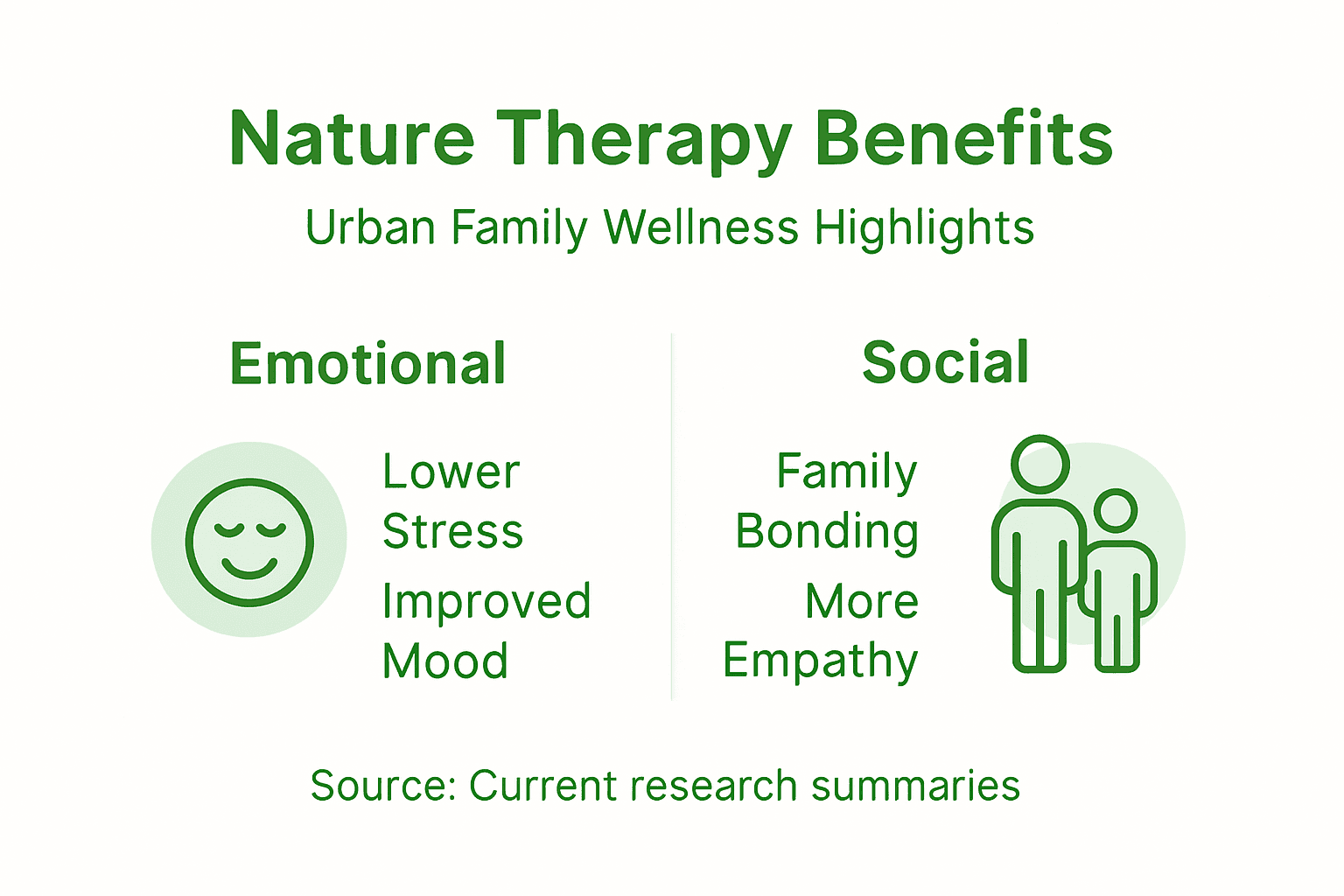
Children also develop empathy and responsibility through caring for plants, animals, and natural spaces. These aren’t abstract concepts—they’re practical skills built through direct experience.
Pro tip: Track one specific health change in your child—sleep quality, mood stability, or focus—for four weeks of regular nature time, then measure the improvement; visible results motivate families to maintain the practice.
For families considering health impacts, here’s a concise comparison of nature therapy benefits by focus area:
| Focus Area | Short-Term Benefit | Long-Term Impact |
|---|---|---|
| Physical health | Decreased stress, improved sleep | Stronger immunity, better heart health |
| Emotional wellbeing | Reduced anxiety, calmer mood | Resilience, improved self-regulation |
| Cognitive function | Boosted attention, focus | Enhanced creativity, academic gains |
| Social connection | More conversations, bonding | Greater empathy, family cohesion |
This table illustrates how nature therapy addresses both immediate and enduring wellbeing outcomes.
Incorporating Nature Therapy in Urban Life
The biggest challenge for Delhi NCR families isn’t understanding nature therapy’s benefits—it’s actually fitting it into packed schedules. You don’t need weekends at hill stations or hours away from home. Real nature therapy happens in small, consistent doses built into existing routines.
Urban living demands creative thinking. The good news? Research shows substantial benefits from accessible strategies that work alongside, not instead of, your current life.
Start with What’s Already Around You
Your immediate environment holds more nature than you realise. Begin integrating nature therapy by noticing what already exists:
- Local parks and green spaces within 10-15 minutes of your home
- Rooftop gardens or terraces at your apartment
- Potted plants indoors that clean air and provide greenery
- Window views of trees or sky, even in high-rise buildings
- Community gardens where neighbours grow vegetables and flowers together
Regular visits to parks and window views of greenery are linked to enhanced mental health and reduced depression in urban dwellers.
Many Delhi NCR families discover their closest park offers far more than expected once they start visiting regularly.
Build Nature Time into Daily Routines
You don’t need special “nature days.” Instead, weave outdoor time into habits you already maintain:
- Breakfast on the balcony instead of the kitchen table
- School drop-off walks through parks rather than driving direct routes
- Lunch breaks in green spaces rather than office cafeterias
- Evening strolls instead of scrolling at home
- Weekend grocery shopping at farmers’ markets with outdoor elements
These aren’t time additions—they’re time replacements. You’re moving existing activities outdoors.
Create Indoor Nature Connections
When weather or pollution makes outdoor time difficult, bring nature inside:
- Low-maintenance houseplants like pothos, snake plants, or monstera requiring minimal care
- Fresh herbs on kitchen windowsills for cooking and sensory engagement
- Natural light windows positioned near seating areas
- Nature sounds playing during work or study (bird calls, rainfall)
- Organic produce displays creating visual connection to nature’s cycles
Make It a Family Habit
Urban dwellers shift nervous system responses from stress to relaxation through nature interaction, especially when activities become regular habits. The key is consistency, not intensity.
Involve your family in selecting a specific commitment:
- Choose one park visit frequency (weekly, twice weekly, etc.)
- Agree on a specific time (Sunday morning, Wednesday evening)
- Assign roles—one person picks the location, another finds a bird, someone photographs something interesting
- Set a minimum time (start with 20 minutes; increase gradually)
Children respond brilliantly to predictable nature time. It becomes something they anticipate, not resist.
Combine Nature Therapy with Organic Living
Your wellness approach becomes complete when you pair outdoor nature time with building healthy habits naturally at home. Growing herbs, choosing organic produce, and preparing meals together outdoors creates a holistic nature-connected lifestyle.
It’s not separate practices—it’s one integrated approach to family wellbeing.
Pro tip: Start with one 20-minute park visit weekly at the same day and time, then add a single houseplant to your most-used room; after four weeks, you’ll notice mood improvements that make expanding the practice feel natural rather than effortful.
Risks, Limitations and Best Practices
Nature therapy isn’t universally suitable without thoughtful planning. Real families face practical challenges—pollution, allergies, accessibility issues, and unpredictable weather. Acknowledging these limitations doesn’t undermine nature therapy’s value. It simply means approaching it strategically.
The best outcomes come from addressing these concerns head-on rather than ignoring them.
Real Challenges in Delhi NCR’s Urban Environment
Your location presents specific obstacles that generic nature therapy advice doesn’t address:
- Air quality fluctuations affecting outdoor activity timing and safety
- Extreme temperatures (intense summer heat, winter pollution) limiting comfortable outdoor time
- Limited green space access in densely populated areas
- Seasonal allergies triggered by specific plants and pollen
- Physical accessibility constraints for elderly family members or children with mobility issues
These aren’t reasons to avoid nature therapy. They’re reasons to plan carefully. You wouldn’t ignore weather when scheduling outdoor activities—apply the same logic here.
Health-Related Limitations
Certain conditions require modified approaches:
- Severe allergies may require antihistamines before outdoor time or focusing on non-pollen seasons
- Respiratory conditions (asthma) demand checking air quality indices before outings
- Sun sensitivity or certain skin conditions require protective measures
- Mobility limitations mean seeking accessible parks with paths and seating
- Anxiety disorders may benefit from gradual exposure rather than extended wilderness time
Talk with your doctor about modifying nature therapy based on your family’s specific health profile.
Safety and Practical Concerns
Managing environmental risks like weather, allergens, and physical safety requires careful planning to maximise therapeutic benefits without negative effects.
Practical safety measures include:
- Checking weather forecasts before outings
- Carrying hydration and sun protection
- Selecting parks with good visibility and established paths
- Informing someone of your outdoor location and expected return time
- Starting with shorter durations to assess individual tolerance
Inconsistent Access Issues
Not every family has equal access to quality green spaces. Nature-based interventions vary widely, and inconsistent environmental access affects outcomes, particularly affecting lower-income communities.
If your nearest park is problematic, alternatives include:
- Indoor gardens with plants and natural light
- Balcony gardening growing herbs and flowers
- Community gardening projects often located in urban neighbourhoods
- Virtual nature options (nature documentaries, nature sounds) when outdoor time is impossible
- Window nature observation tracking birds, clouds, and seasonal changes
These aren’t perfect substitutes for outdoor nature. They’re practical adaptations when direct access is limited.
Best Practices for Sustainable Benefits
Effective nature therapy requires consistency and realistic expectations. Start small with achievable commitments you can maintain year-round, not ambitious plans you’ll abandon.
Track what works for your family:
- Note which locations feel most restorative
- Identify optimal times (early morning, less crowded periods)
- Observe which activities engage family members most
- Adjust based on seasonal changes and family circumstances
Success isn’t perfect park visits every week. It’s building a sustainable relationship with nature that persists through seasons, pollution episodes, and busy schedules.
Pro tip: Develop a “Plan B” nature activity for poor air quality days—indoor plant care, balcony gardening, or nature sound listening—so family commitment continues when outdoor access is temporarily limited.
Embrace Nature Therapy with Organic Living for Your Family’s Wellness
Urban family wellness faces challenges like limited green spaces, pollution and hectic schedules as detailed in the article about Nature Therapy Benefits for Urban Family Wellness. The solution lies in combining intentional nature moments with wholesome, natural lifestyle choices that nurture both body and mind. Key concepts like sensory engagement, reduced anxiety and improved immune health match perfectly with adopting organic products that support these goals every day.

Discover how integrating organic and natural products into your daily routine enhances the benefits of nature therapy. From fresh organic fruits and vegetables to clean home care and skin care essentials, every choice reinforces your family’s connection to nature and wellbeing. Start small but purposeful by exploring our wide selection on Nature’s Soul Shop. Make your family’s wellness intentional today and see the lasting impact of a truly natural lifestyle. Visit our homepage and begin your journey towards balanced health now.
Frequently Asked Questions
What is nature therapy and how does it benefit urban families?
Nature therapy, also known as ecotherapy or grounding, utilises natural environments to enhance mental and physical health. It helps reduce stress and improve well-being for urban families by encouraging intentional time spent outdoors, which can lead to increased emotional regulation, creativity, and social-emotional skills.
How much time do we need to spend outdoors to experience the benefits of nature therapy?
Even as little as 20 minutes of purposeful engagement in nature can result in measurable stress reduction. Families can start with short visits to local parks or green spaces before gradually increasing the duration as they become more comfortable.
What are some effective nature therapy activities for families living in urban areas?
Families can engage in various activities such as forest bathing, guided nature walks, gardening, outdoor yoga, and simply observing natural surroundings. These activities require minimal planning and can be easily integrated into daily routines.
How does nature therapy support children’s mental health and development?
Regular exposure to nature has been shown to reduce anxiety and depression symptoms in children, improve focus, enhance creative thinking, and promote better emotional regulation. This therapeutic approach plays a significant role in fostering resilience and responsibility in children through their interactions with the environment.
Recommended
- 7 Best Plant Based Supplements for Urban Wellness – naturessoulshop
- Natural Solutions for Allergies – Supporting Family Wellness – naturessoulshop
- Top Benefits of Natural Products: 2025 Guide for a Healthier Life – naturessoulshop
- Natural Skincare Routines: Healthier Family Choices – naturessoulshop
- 7 Big Ideas For Small Places | minupidu.ee
- Nordic Wellness Magazine 2023 nr6 – LÅT KROPPEN LÄKA SIG SJÄLV – ANF-Kliniken Stockholm


