


Every parent faces the worry of watching their child sneeze or struggle with itchy eyes during changing seasons or household chores. Allergies are not just fleeting annoyances—they reflect your immune system treating harmless substances like pollen or dust as threats, causing those constant symptoms. For families across Delhi NCR, understanding the difference between myth and reality opens the door to natural solutions that nurture wellness and reduce the need for medication.
Table of Contents
- Allergies Defined And Common Misconceptions
- Types Of Allergies And Natural Triggers
- How Natural Solutions Work For Allergies
- Most Effective Natural Allergy Remedies
- Risks, Safety Concerns And When To Seek Advice
Key Takeaways
| Point | Details |
|---|---|
| Understanding Allergies | Allergies result from the immune system mistakenly identifying harmless substances as threats, leading to symptoms like sneezing and swelling. |
| Common Misconceptions | Allergies are often viewed as harmless; however, mild allergies can escalate to serious reactions and genetic factors alone do not determine allergy risk. |
| Types and Triggers | Allergies fall into categories like seasonal, indoor, and food allergies, each requiring different management strategies based on their environment and triggers. |
| Natural Solutions | Natural remedies like probiotics and herbal treatments can effectively manage allergies by addressing underlying immune responses rather than just masking symptoms. |
Allergies Defined and Common Misconceptions
Allergies happen when your immune system mistakenly treats a harmless substance as dangerous. Your body then launches a defensive attack, causing the symptoms you experience.
When this occurs, specific immune system responses trigger the release of chemicals like histamine. This is why you sneeze, itch, or experience swelling.
What Actually Triggers Allergies
Common allergen triggers include:
- Pollen from trees, grasses, and weeds
- Pet dander and fur
- Dust mites in bedding and furniture
- Mould spores in damp areas
- Specific foods
- Insect stings or bites
- Medications or skincare products
The trigger itself isn’t harmful. Your immune system simply overreacts to it. This overreaction varies from person to person, which is why your child might react to peanuts whilst a classmate doesn’t.
Why Misconceptions About Allergies Persist
Many parents in Delhi NCR believe allergies are just inconvenient but harmless. This is dangerous thinking. Mild allergies can escalate into serious reactions without warning.
Another common misconception: allergies are purely genetic. Whilst genetics matter, environmental factors play a significant role too. Your lifestyle, where you live, and what you’re exposed to shape your family’s allergy risk.
Allergies develop through a combination of genetic predisposition and environmental exposure, not one factor alone.
Some people think children outgrow all allergies naturally. Some do, but many don’t. Food allergies, particularly to shellfish and tree nuts, often persist into adulthood.
Breaking Down the Physical Response
When exposed to an allergen, your body produces IgE antibodies. These antibodies bind to cells and trigger histamine release. Histamine causes inflammation, itching, swelling, and congestion.
Severe reactions can affect breathing and blood pressure. This is anaphylaxis, a medical emergency requiring immediate attention.
The severity depends on:
- How much allergen you’re exposed to
- How sensitive your immune system is
- Your previous exposure history
- Your overall health status
Myth vs. Reality for Your Family
Many families believe that understanding food allergies deeply is unnecessary if reactions seem mild. One sneezing fit doesn’t mean it’s safe next time.
You might think seasonal allergies are less serious than year-round ones. Both types can significantly impact sleep, concentration, and quality of life.
Pro tip: Track your family’s symptoms in a simple diary for two weeks—note what you were doing, what you ate, and when symptoms appeared. Patterns emerge quickly and help identify your actual triggers versus assumed ones.
Types Of Allergies and Natural Triggers
Allergies come in different categories, each triggered by specific substances in your environment. Understanding which type affects your family helps you manage symptoms more effectively.
Your immune system reacts differently depending on what it encounters. Some allergies develop seasonally, whilst others persist year-round in your Delhi NCR home.
Seasonal Allergies
These arrive with the changing seasons, driven by common environmental allergens like pollen from trees and grasses.
Spring and autumn typically trigger the worst reactions for families in your region. Trees like neem and mango release pollen that irritates airways and eyes.
Seasonal triggers include:
- Tree pollen (February to April)
- Grass pollen (May to July)
- Weed pollen (September to November)
- Mould spores from increased humidity
Your child might sneeze constantly during one month, then improve dramatically when weather changes. This pattern is the hallmark of seasonal allergies.
Year-Round Indoor Allergies
These persist because allergens live inside your home. Dust mites thrive in bedding, sofas, and carpets regardless of season.

Common indoor culprits include dust mites, pet dander, cockroaches, and mould. Your home’s humidity levels in Delhi NCR actually encourage dust mite populations to flourish.
Indoor allergens affect:
- Bedrooms and sleeping areas
- Living rooms with soft furnishings
- Kitchens and bathrooms with moisture
- Areas with poor air circulation
Year-round allergies often feel relentless because exposure never stops—the allergen lives where your family lives.
Food Allergies
These occur when your immune system reacts to proteins in specific foods. Unlike seasonal allergies, even tiny amounts trigger reactions.
Common food allergens in Indian households include peanuts, tree nuts, shellfish, milk, eggs, and wheat. Your child might develop allergies to foods they’ve eaten before without problems.
Managing infant food allergies requires particular care as young digestive systems are still developing. Food allergies can range from mild itching to severe anaphylaxis.
Food allergy symptoms appear within minutes to two hours of eating the trigger food.
Other Common Allergies
Insect allergies develop from stings or bites from bees, wasps, mosquitoes, and other insects. Drug allergies occur when your body reacts to medications like antibiotics.
Contact allergies happen when your skin touches something it reacts to—nickel jewellery, certain plants, or harsh chemicals in cosmetics.
Different allergy types require different management approaches. Your GP can help identify which type affects your family through testing and history.
Here is a comparison of the major types of allergies, their primary environments, and typical effects on daily life:
| Allergy Type | Common Environment | Typical Daily Impact | Duration |
|---|---|---|---|
| Seasonal | Outdoors, parks, gardens | Disrupted sleep, eye irritation | Months (seasonal) |
| Indoor | Bedrooms, bathrooms | Persistent congestion, fatigue | Year-round |
| Food | Kitchen, dining | Immediate symptoms, meal planning | Variable |
| Contact/Insect | Outdoors, jewellery use | Skin rash, risk of anaphylaxis | Event-driven |
Pro tip: Keep a photo-documented record of your home’s most common triggers—dusty corners, humid bathrooms, pet sleeping areas. Visual evidence helps you target cleaning efforts where they matter most, rather than cleaning everything equally.
How Natural Solutions Work for Allergies
Natural solutions don’t just mask allergy symptoms—they address what’s actually happening inside your body. They work by strengthening your immune system and reducing the chemical reactions that trigger sneezing, itching, and swelling.
When you use natural approaches, you’re giving your body tools to defend itself better. This is fundamentally different from simply suppressing symptoms with medication.
The Immune System Reset
Your immune system gets confused during allergies. It mistakes harmless substances for dangerous invaders. Natural solutions help reduce histamine release and calm inflammatory responses in your body.
This happens through dietary changes that support gut health. Your digestive system contains bacteria that influence immune responses. When you improve gut health with probiotics and whole foods, your immune system becomes less reactive.
Key immune-supporting mechanisms include:
- Strengthening the gut barrier with fibre and fermented foods
- Adding beneficial bacteria through natural probiotics
- Reducing inflammatory foods that trigger immune overreaction
- Supporting nutrient absorption for better immune function
How Natural Compounds Work Against Symptoms
Many plants contain natural antihistamines—compounds that reduce histamine without pharmaceutical side effects. Quercetin, found in onions and apples, is particularly effective.
These botanical compounds work alongside your body’s own healing abilities. Unlike prescription antihistamines that simply block receptors, natural antihistamines support your body’s natural chemical balance.
Other botanical medicines strengthen immunity from within, making your system less likely to overreact initially.
Environmental Control and Trigger Avoidance
Natural solutions include practical steps like HEPA air filtration. These filters remove allergens before they enter your lungs, reducing immune system triggers entirely.
When you reduce allergen exposure at home, your body faces fewer challenges. This gives your healing process a better chance to work.
Environmental modifications include:
- HEPA filters in bedrooms and living areas
- Regular vacuuming with proper equipment
- Humidity control to reduce dust mites
- Natural cleaning products replacing harsh chemicals
Natural solutions work best when you combine dietary support, environmental control, and botanical medicines—not just one approach alone.
Nutritional Foundation
Therapeutic nutrition targets the root cause of allergic sensitivity. Omega-3 rich foods reduce inflammatory responses throughout your body.
Vitamins like D and C strengthen immune function. Local, organic produce from your area may even provide natural desensitisation to local allergens.
Dietary changes work slowly but create lasting improvements. Many families see substantial symptom reduction within 4-6 weeks of consistent natural approaches.
Pro tip: Start by eliminating one inflammatory food for two weeks—typically refined sugar, processed oils, or common allergens like dairy. Note any symptom changes, then reintroduce it. This reveals which foods your family’s immune system actually struggles with.
Most Effective Natural Allergy Remedies
Some natural remedies have strong evidence supporting their effectiveness for allergies. These aren’t folk remedies—they’re plant-based solutions backed by research showing real symptom reduction.
The most effective approaches combine several remedies rather than relying on a single solution. Your family’s success depends on consistency and patience.
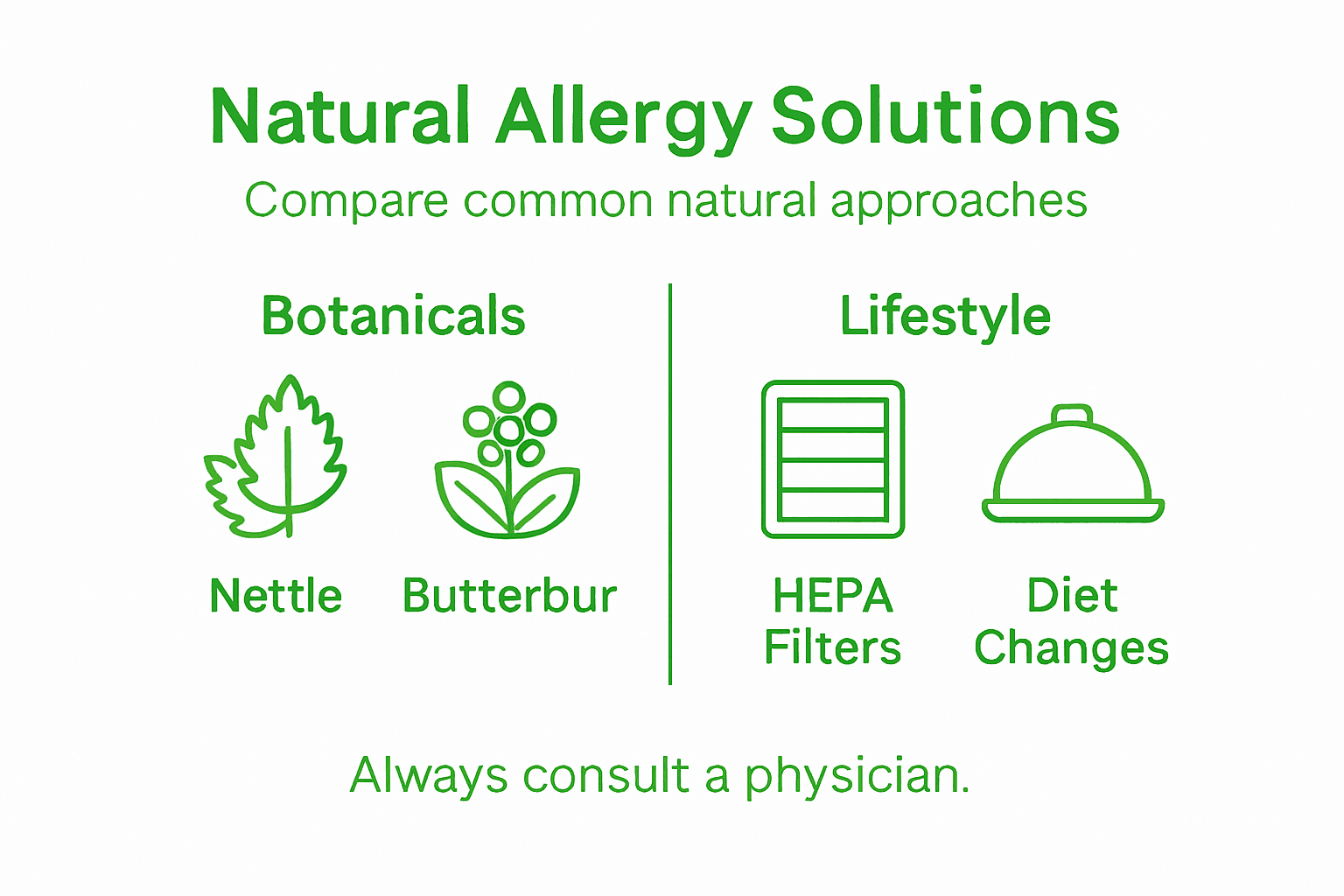
Stinging Nettle and Butterbur
These two herbs stand out for their proven antihistamine properties. Stinging nettle stabilises mast cells and prevents histamine release before symptoms start.
Unlike pharmaceutical antihistamines, these herbs work with your body’s natural chemistry. Many families in Delhi NCR find relief within 2-3 weeks of regular use.
Butterbur offers similar benefits without the drowsiness that comes with conventional drugs. Both herbs work best when started before allergy season arrives.
These remedies work through:
- Blocking histamine release at the cellular level
- Reducing inflammation in airways and nasal passages
- Supporting your immune system’s natural regulation
- Providing symptom relief without side effects
Probiotics and Gut Health
Probiotics are living beneficial bacteria that reshape your immune response. Your gut contains 70% of your immune system, so improving it transforms allergy severity.
Fermented foods like yoghurt, sauerkraut, and idli naturally contain probiotics. Adding these to your family’s daily diet strengthens immune tolerance.
Gut-healing foods include:
- Unsweetened yoghurt with live cultures
- Fermented vegetables (sauerkraut, kimchi, mixed pickles)
- Bone broth for intestinal wall repair
- High-fibre foods feeding beneficial bacteria
Probiotics take 6-8 weeks to significantly impact allergy symptoms because they’re reshaping your gut environment, not just masking symptoms.
Saline Rinses and Air Quality
Nasal saline rinses physically remove allergens from your nasal passages. This simple technique prevents allergens from triggering immune responses in the first place.
A neti pot or squeeze bottle with salt water takes 2 minutes and costs almost nothing. Use it daily during allergy season to prevent symptoms rather than treat them.
Combine rinses with HEPA air filters in bedrooms. Together they reduce allergen exposure dramatically, giving your body fewer triggers to fight.
Dietary Elimination and Anti-Inflammatory Foods
Removing inflammatory foods decreases overall immune reactivity. Many families see dramatic improvement by eliminating processed oils, refined sugar, and common allergens temporarily.
Immunity-boosting foods like turmeric, ginger, and local honey provide natural anti-inflammatory effects. Quercetin-rich foods including onions, apples, and berries act as natural antihistamines.
Start with a 4-week elimination of dairy and wheat. Document any symptom changes, then reintroduce foods one at a time.
Pro tip: Begin stinging nettle tea or butterbur supplements 6-8 weeks before your family’s typical allergy season starts—not once symptoms appear. Prevention works far better than treatment, and you’ll see significantly stronger results with early intervention.
To summarise, these natural approaches offer unique benefits for allergy management:
| Remedy or Method | How It Works | Potential Benefit | Time to Notice Effects |
|---|---|---|---|
| Stinging Nettle/Butterbur | Blocks histamine at cell level | Reduces sneezing, swelling | 2-3 weeks |
| Probiotics | Improves gut immunity | Lowers allergic sensitivity | 6-8 weeks |
| Saline Rinses | Physically removes allergens | Prevents nasal symptoms | Immediate |
| Dietary Elimination | Reduces inflammation | Less immune reactivity | 4-6 weeks |
Risks, Safety Concerns and When To Seek Advice
Natural solutions work well for mild to moderate allergies, but they’re not suitable for every situation. Knowing when to step back and seek professional help protects your family from serious harm.
Allergies exist on a spectrum. Some cause minor discomfort, whilst others create life-threatening emergencies requiring immediate medical intervention.
Recognising Severe Allergic Reactions
Severe allergic reactions include swelling of the lips, tongue, or throat that makes breathing difficult. Your child’s face puffing up during an allergic reaction is a medical emergency, not something to manage at home.
Other danger signs include dizziness, rapid pulse, difficulty speaking, or loss of consciousness. These symptoms mean your child needs immediate hospital care, not herbal remedies.
Severe reaction warning signs:
- Swelling affecting the airway or throat
- Difficulty breathing or wheezing that worsens
- Rapid or irregular heartbeat
- Dizziness or fainting
- Skin reactions spreading rapidly across the body
- Vomiting or severe abdominal pain
Anaphylaxis Requires Emergency Response
Anaphylaxis is a severe, rapid allergic reaction that can be fatal. It develops within minutes of exposure and requires immediate epinephrine injection followed by emergency services.
If your child has a history of severe reactions, your GP will prescribe an epinephrine auto-injector. Carry this with you always, even if natural remedies have been working.
Anaphylaxis symptoms require immediate action:
- Inject epinephrine immediately
- Call emergency services (112)
- Lie the person flat unless vomiting
- Stay calm and wait for ambulance arrival
Never assume a severe reaction will improve on its own. Every second counts with anaphylaxis—treatment delays cost lives.
When Natural Remedies Aren’t Enough
Seek medical advice if symptoms worsen despite natural approaches. Your child sneezing occasionally is manageable, but constant congestion affecting sleep or school performance isn’t.
Persistent symptoms lasting more than two weeks suggest your natural strategy needs adjustment. Your GP can identify what’s actually triggering reactions versus what you’re assuming causes them.
Contact your healthcare provider if:
- Symptoms don’t improve after 4-6 weeks of natural treatment
- Symptoms interfere with daily activities, sleep, or school
- New symptoms develop or existing ones escalate
- You suspect food allergies but aren’t certain which foods trigger reactions
- Your child develops asthma symptoms alongside allergies
Drug Interactions and Herbal Safety
Some herbal remedies interact with medications your family might be taking. Butterbur, for instance, can affect blood pressure medications.
Plant-based dietary approaches require careful consideration if your child has existing health conditions or takes regular medications. Always inform your GP about herbal supplements before starting them.
Young children, pregnant women, and those with kidney or liver conditions need professional guidance before using herbal remedies.
Creating an Action Plan
Work with your GP to create a written allergy action plan. Include trigger identification, symptom management steps, and emergency procedures.
Share this plan with schools, childcare providers, and extended family. Everyone caring for your child needs to know warning signs and what to do.
Pro tip: Photograph or screenshot your child’s allergy action plan and keep it on your phone, in your wallet, and stuck to your refrigerator. During medical emergencies, you won’t have time searching for documents—immediate access saves critical minutes.
Embrace Natural Allergy Relief for Your Family’s Wellness
Living with allergies can be exhausting and worrying especially when symptoms disrupt your family’s sleep and daily comfort. This article highlights how natural compounds like stinging nettle and probiotics support your immune system and reduce harsh chemical reactions that cause sneezing and itching. It also addresses common allergy challenges such as managing food triggers and seasonal pollen, showing that real relief comes from understanding and addressing root causes with comprehensive natural strategies.

Take control of your family’s allergy health today by exploring organic and natural products designed to nourish and strengthen from within. Whether you want to improve gut health with natural probiotics or find clean, anti-inflammatory foods to reduce immune sensitivity, our range at Natural Wellness Solutions supports you every step of the way. Start your journey with targeted nutrition and environment-friendly home care that helps reduce allergen exposure and promotes lasting well-being. Discover more about Infant Food Allergies and Safe Nutrition and common food triggers at our site and empower your family with effective natural allergy management now.
Frequently Asked Questions
What natural remedies are effective for allergies?
Natural remedies like stinging nettle and butterbur are effective for reducing allergy symptoms. Probiotics can enhance gut health and support the immune system, while saline rinses help physically clear allergens from the nasal passages.
How do dietary changes help manage allergies?
Dietary changes that eliminate inflammatory foods can significantly reduce immune reactivity. Foods rich in omega-3 fatty acids and antioxidants, such as turmeric and quercetin, can help lower inflammation and support immune function.
When should I seek medical help for allergy symptoms?
You should seek medical advice if allergy symptoms worsen despite natural treatments, persist for more than two weeks, or affect daily activities and sleep. Severe reactions, such as difficulty breathing or swelling in the throat, require immediate medical attention.
How long does it take for natural allergy remedies to work?
Natural allergy remedies can take time to show effects. For example, probiotics may take 6-8 weeks to significantly impact symptoms, while herbs like stinging nettle can provide relief within 2-3 weeks when started before pollen season.


