


Finding safe, organic nutrition for your infant can be stressful when more than 8% of children under five face food allergies. For parents in Delhi NCR, navigating which foods are truly allergy-friendly—especially when comparing British standards of organic purity—often feels confusing. This guide demystifies common infant food allergies, highlights reliable organic solutions, and empowers you with smart strategies for managing allergy risks so your baby’s health is always protected.
Table of Contents
- What Are Infant Food Allergies?
- Common Allergens And How Reactions Occur
- Recognising Symptoms And Getting Diagnosed
- Organic Solutions And Allergen-Free Feeding
- Early Prevention Strategies And Weaning Tips
- Managing Allergies: Alternatives And Mistakes
Key Takeaways
| Point | Details |
|---|---|
| Infant Food Allergies Are Common | Approximately 8% of children under five experience food allergies, with common allergens including cow’s milk, eggs, and peanuts. |
| Recognising Symptoms Is Crucial | Symptoms can vary widely from skin irritations to severe anaphylaxis; immediate and delayed allergic reactions require different diagnostic approaches. |
| Nutritional Strategies Matter | Early allergen introduction, under professional guidance, may help develop tolerance and reduce long-term allergy risks. |
| Emergency Preparedness Is Essential | Parents should create comprehensive allergy management plans and maintain emergency kits to address potential allergic reactions effectively. |
What Are Infant Food Allergies?
Infant food allergies represent a complex immune system reaction where the body mistakenly identifies specific food proteins as harmful, triggering an abnormal defensive response. Specific immune reactions to food proteins occur when an infant’s immature immune system overreacts to certain food substances, leading to potential health complications.
Approximately 8% of children under five experience food allergies, with some allergic reactions ranging from mild skin irritations to severe, life-threatening anaphylaxis. The most common allergens include cow’s milk, eggs, wheat, soybeans, tree nuts, peanuts, fish, shellfish, and sesame. These allergic reactions can manifest through multiple symptoms such as skin rashes, gastrointestinal distress, respiratory challenges, and systemic inflammatory responses.
Immune Mediation Types include IgE-mediated and non-IgE mediated allergic responses. IgE-mediated reactions typically occur rapidly, often within minutes of food consumption, and can involve immediate symptoms like hives, swelling, and breathing difficulties. Non-IgE mediated reactions might develop more slowly, potentially causing chronic symptoms such as eczema, persistent digestive issues, and gradual weight management challenges.
Pro tip: Keep a detailed food diary tracking your infant’s dietary intake and potential allergic reactions to help healthcare professionals conduct precise diagnostic assessments.
Common Allergens and How Reactions Occur
Food allergies in infants involve complex immune system responses to specific proteins, with nine primary food groups consistently triggering most allergic reactions. Common food allergen triggers include cow’s milk, eggs, peanuts, tree nuts, fish, shellfish, soy, wheat, and sesame. These substances can provoke immune responses ranging from mild skin irritations to potentially life-threatening anaphylactic reactions.
The mechanism of allergic reactions involves the immune system mistakenly identifying specific food proteins as harmful invaders. When an infant consumes an allergen, their immune system produces immunoglobulin E (IgE) antibodies, which signal immune cells to release inflammatory chemicals like histamine. This biochemical cascade leads to various symptomatic responses, including skin rashes, respiratory difficulties, gastrointestinal disturbances, and in severe cases, systemic inflammatory reactions that can compromise breathing and circulatory functions.
Interestingly, not all food allergies persist throughout an individual’s lifetime. Some allergens, particularly those related to milk, eggs, and wheat, may resolve during childhood, while others like peanut, tree nut, fish, and shellfish allergies tend to be more persistent. The severity and longevity of allergic responses can vary significantly between individuals, influenced by genetic predispositions, early exposure patterns, and overall immune system development.
Pro tip: Consult a paediatric allergist for comprehensive testing and personalised guidance if you suspect your infant might have food allergies, as early professional intervention can help manage potential risks effectively.
Recognising Symptoms and Getting Diagnosed
Identifying infant food allergy symptoms requires careful observation and understanding of the complex immune responses that can manifest across multiple bodily systems. Diagnostic approaches for food allergies typically involve a comprehensive assessment of clinical symptoms, which usually emerge within minutes to two hours after consuming an allergenic food. These symptoms can range from mild skin irritations to severe, potentially life-threatening reactions.
The primary symptoms of infant food allergies include skin manifestations like hives and eczema, gastrointestinal disturbances such as vomiting and diarrhoea, and respiratory challenges including wheezing and swelling. Medical professionals employ several diagnostic techniques to confirm food allergies, including detailed medical history reviews, skin prick tests, blood tests measuring food-specific immunoglobulin E (IgE) levels, and carefully supervised oral food challenges. Each diagnostic method provides unique insights into the specific nature and severity of an infant’s allergic response.

Crucial diagnostic considerations involve distinguishing between immediate and delayed allergic reactions. Immediate reactions typically present within two hours and involve clear immunological markers, while delayed reactions might develop more subtly, making diagnosis more complex. Parents should document specific symptoms, timing, and potential trigger foods meticulously to assist healthcare professionals in developing an accurate diagnosis and management strategy. Genetic predispositions, family history of allergies, and concurrent conditions like eczema can significantly influence diagnostic approaches.
Here is a comparison of immediate and delayed infant food allergy reactions to clarify their features:
| Reaction Type | Onset Timing | Common Symptoms | Diagnostic Challenge |
|---|---|---|---|
| Immediate (IgE) | Minutes to 2 hours | Hives, swelling, wheeze | Usually clear-cut symptoms |
| Delayed (Non-IgE) | Hours to several days | Eczema, diarrhoea, colic | Harder to identify triggers |
Pro tip: Maintain a detailed symptom diary documenting food intake, reaction times, and specific symptoms to provide paediatric allergists with comprehensive information for precise diagnostic assessment.
Organic Solutions and Allergen-Free Feeding
Nutritional strategies for infants with potential food allergies require a nuanced approach that balances careful allergen introduction with comprehensive immune system support. Early allergen introduction strategies have revolutionised traditional thinking, challenging previous recommendations of complete allergen avoidance. Contemporary pediatric research suggests that gradual, controlled exposure to potential allergens might actually help develop tolerance and reduce long-term allergy risks.
Organic feeding approaches focus on minimising potential inflammatory triggers while providing nutrient-dense, clean nutrition. This involves selecting minimally processed, pesticide-free foods that support optimal infant development and reduce exposure to potential immune system disruptors. Fermented organic foods are emerging as particularly promising, with early research indicating potential benefits in modulating immune responses and supporting gut microbiome health. Parents should prioritise organic protein sources, vegetables, and grains that are minimally processed and free from artificial additives.
The introduction of allergenic foods requires a strategic, carefully monitored approach. Pediatric allergists recommend introducing one potential allergen at a time, with significant time intervals between new food introductions. This methodical approach allows parents and healthcare professionals to identify specific trigger foods and monitor potential allergic responses. High-risk infants with family histories of allergies may require more conservative introduction strategies, always under professional medical supervision. Careful documentation of each food’s introduction, including timing, quantity, and any observed reactions, becomes crucial in developing a comprehensive understanding of the infant’s unique nutritional needs.
Pro tip: Consult with a paediatric nutritionist to develop a personalised, phased approach for introducing organic, allergen-free foods that align with your infant’s specific health requirements.
Early Prevention Strategies and Weaning Tips
Navigating infant nutrition requires a strategic approach that balances potential allergy risks with essential developmental needs. Allergen introduction guidelines recommend introducing potential allergenic foods between four to six months, a critical window for immune system development. This approach challenges previous conservative recommendations, suggesting that gradual, controlled exposure might actually reduce long-term allergy risks.
The weaning process demands meticulous planning, particularly for infants with heightened allergy potential. Parents should introduce one potential allergen at a time, starting with minimal quantities and monitoring for any adverse reactions. Common allergenic foods like peanuts, eggs, cow’s milk, and tree nuts can be strategically incorporated into the diet, always under careful observation. Pediatric nutritionists emphasise the importance of consistent, repeated exposure to build potential tolerance, recommending multiple exposures over several months to support immune system adaptation.
High-risk infants require additional considerations during the weaning journey. Families with documented allergy histories should consult pediatric allergists to develop personalised introduction strategies. This might involve preliminary allergy screenings or supervised food challenges in clinical settings. The goal remains creating a balanced nutritional approach that supports optimal growth while minimising potential allergic risks. Documentation becomes crucial, with parents tracking each new food’s introduction, quantity consumed, and any observable physiological responses.
Pro tip: Create a structured food introduction journal documenting each new allergen, tracking timing, quantity, and infant’s immediate and delayed responses to support comprehensive medical assessment.
Managing Allergies: Alternatives and Mistakes
Effective management of infant food allergies requires a comprehensive, multifaceted approach that goes beyond simple allergen avoidance. Food allergy management strategies encompass careful diet planning, precise symptom recognition, and strategic alternatives to traditional nutrition sources. Parents must distinguish between true allergic reactions and food intolerances, understanding that these conditions demand different medical interventions.
Hypoallergenic nutrition alternatives play a crucial role in managing infant food allergies. For infants with cow’s milk protein allergies, specialised formulas provide essential nutrients while eliminating allergenic triggers. These alternatives include extensively hydrolysed formulas, where milk proteins are broken down into smaller, less reactive fragments, and amino acid-based formulas that provide complete nutrition without potential allergenic components. Careful selection and professional guidance are paramount in choosing appropriate nutritional substitutes that support optimal infant growth and development.
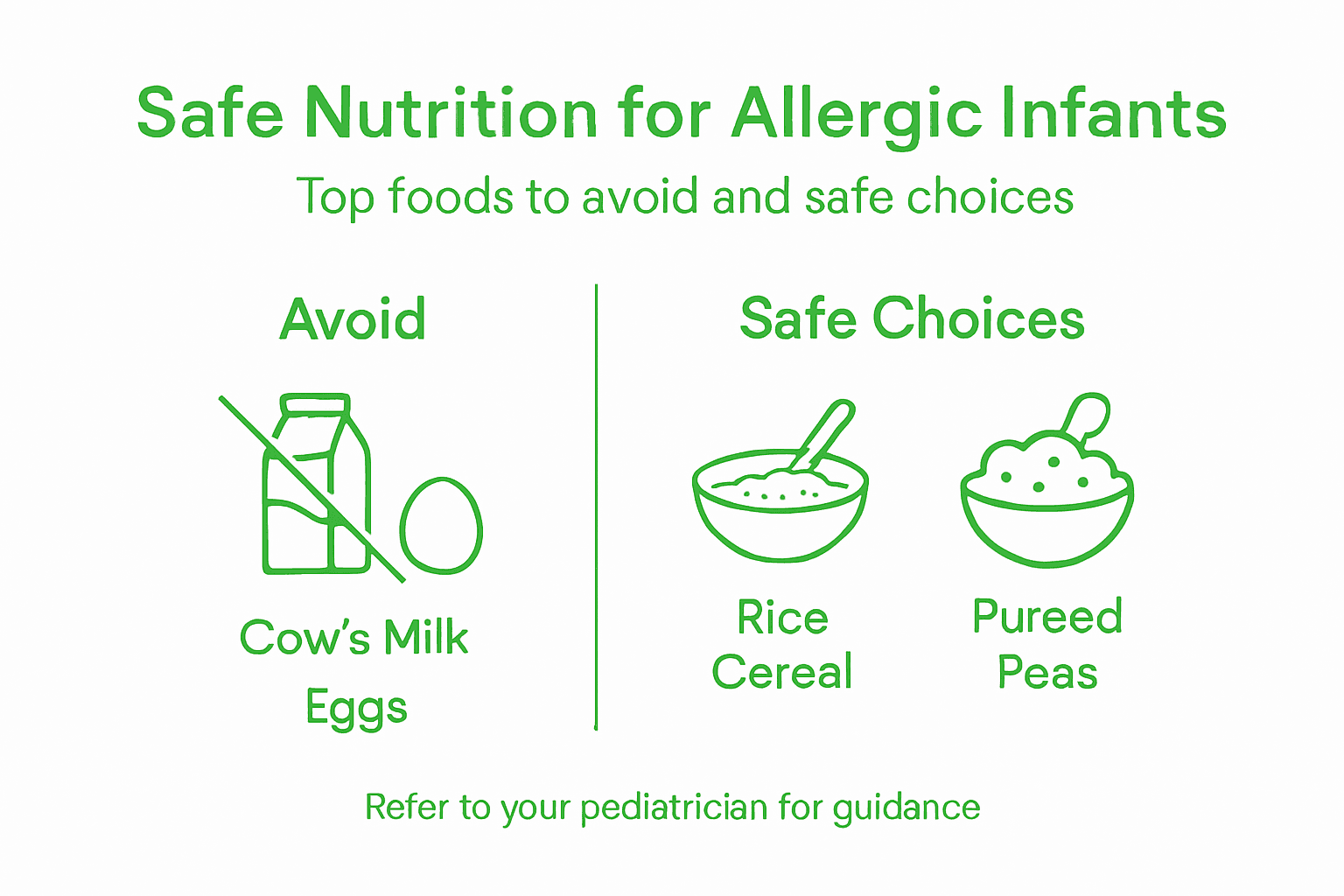
The table below summarises common hypoallergenic formula alternatives for infants with allergies:
| Formula Type | Protein Source | Suitability |
|---|---|---|
| Extensively hydrolysed | Broken-down cow’s milk | Most mild-moderate |
| Amino acid-based | Individual amino acids | Severe or complex |
| Soy-based, hypoallergenic | Soya proteins | Milk allergy (over 6 months) |
Common management mistakes can significantly compromise infant health and safety. These include delayed recognition of allergic symptoms, inadequate emergency preparedness, and inconsistent allergen avoidance. Parents should develop comprehensive action plans that include clear emergency protocols, maintain up-to-date medical documentation, and ensure constant communication with healthcare providers. Emerging approaches like oral immunotherapy offer potential long-term management strategies, though these must be conducted under strict medical supervision and are not suitable for all infants.
Pro tip: Create a comprehensive emergency allergy management kit including prescribed medications, detailed medical instructions, and clear contact information for healthcare professionals.
Secure Safe Nutrition for Your Infant’s Allergies Today
Managing the challenges of infant food allergies requires careful attention to organic and allergen-free nutrition options that support your baby’s developing immune system. If you are seeking clean, natural foods free from harsh additives and potential allergens, our collection at Nature’s Soul Shop offers thoughtfully sourced products tailored for sensitive infants. From organic fruits and vegetables to hypoallergenic proteins, you can find essentials that help reduce allergic reactions while promoting healthy growth.

Start your journey towards gentle, nourishing care by exploring our wellness selections today. Embrace a proactive approach by choosing products designed to align with early prevention strategies and allergen-free feeding recommendations mentioned in the article. Visit Nature’s Soul Shop now to access our range of natural nutrition solutions crafted with your infant’s safety in mind. Don’t wait because every feeding choice can support your infant’s healthier tomorrow.
Frequently Asked Questions
What are the common symptoms of infant food allergies?
The common symptoms of infant food allergies include skin irritations like hives and eczema, gastrointestinal disturbances such as vomiting and diarrhoea, and respiratory issues including wheezing and swelling. Symptoms can vary in severity and may appear within minutes to two hours after exposure to an allergen.
How can I help prevent food allergies in my infant?
To help prevent food allergies, introduce potential allergenic foods between four to six months, starting with one allergen at a time and monitoring for any adverse reactions. Gradual and repeated exposure to these foods may aid in developing tolerance and reducing the risk of long-term allergies.
What should I do if I suspect my infant has a food allergy?
If you suspect your infant has a food allergy, maintain a detailed food diary documenting the infant’s dietary intake and any symptoms observed. Consult a paediatric allergist for personalised testing and guidance to manage potential allergies effectively.
What are hypoallergenic formula options for infants with allergies?
Hypoallergenic formula options for infants with allergies include extensively hydrolysed formulas, where milk proteins are broken down into smaller fragments, and amino acid-based formulas, providing complete nutrition without allergenic components. These alternatives support the nutritional needs of infants with specific allergies.
Recommended
- Common Food Allergies – Impacts on Family Wellness – naturessoulshop
- Building a Balanced Meal Naturally: A Step-by-Step Guide – naturessoulshop
- How to Build a Balanced Meal Naturally for Families – naturessoulshop
- Gluten in Dairy Products: Everything You Need to Know – naturessoulshop
- Safe Ear Cleaning: Protecting Your Child’s Hearing


