


TL;DR:
- Natural remedies support cold recovery by easing symptoms and strengthening the immune system.
- Timing and proper use of herbal treatments like echinacea and ginger are crucial for effectiveness.
Natural remedies for the common cold are supportive treatments that ease symptoms and promote recovery without pharmaceuticals. The common cold, caused by viral rhinitis, resolves on its own within a few days in most adults. No remedy cures it. The best natural approaches reduce discomfort, shorten how rough you feel, and keep your body strong while your immune system does the work. This guide covers the evidence behind herbal treatments, food-based strategies, and physical remedies, so you can make informed choices rather than guessing at the chemist.
What are the most effective herbal treatments for common cold symptoms?
Herbal treatments for cold symptoms are the most studied category of natural cold relief, and a few stand out clearly from the rest. Echinacea and ginger have the strongest clinical backing among plant-derived options.
Echinacea: timing is everything
A standardised formulation of Echinacea purpurea reduces cold symptom severity by approximately 23% compared to placebo in a study of 282 adults aged 18–65. That figure matters because it shows the benefit is real but modest. The key word in that finding is “standardised.” Variable potency in over-the-counter herbal products may limit benefits significantly, meaning the echinacea capsules on a supermarket shelf may not match what clinical trials used. Start echinacea at the very first sign of symptoms. Waiting until day three reduces its usefulness considerably.
Ginger: more than a kitchen staple
Ginger reduces throat irritation, coughing, and nasal congestion, and shows antiviral effects against respiratory viruses. That makes it one of the few plant remedies with a multi-modal action during a cold. Naturessoulshop stocks organically grown ginger from Himachal Pradesh, which is a clean, traceable source if you want to use it fresh rather than in supplement form. Combining ginger with honey or lemon can enhance symptom relief by reducing viral replication and soothing airway inflammation. A simple ginger tea for cold relief takes five minutes: steep two centimetres of fresh ginger in boiling water for ten minutes, add raw honey and a squeeze of lemon.
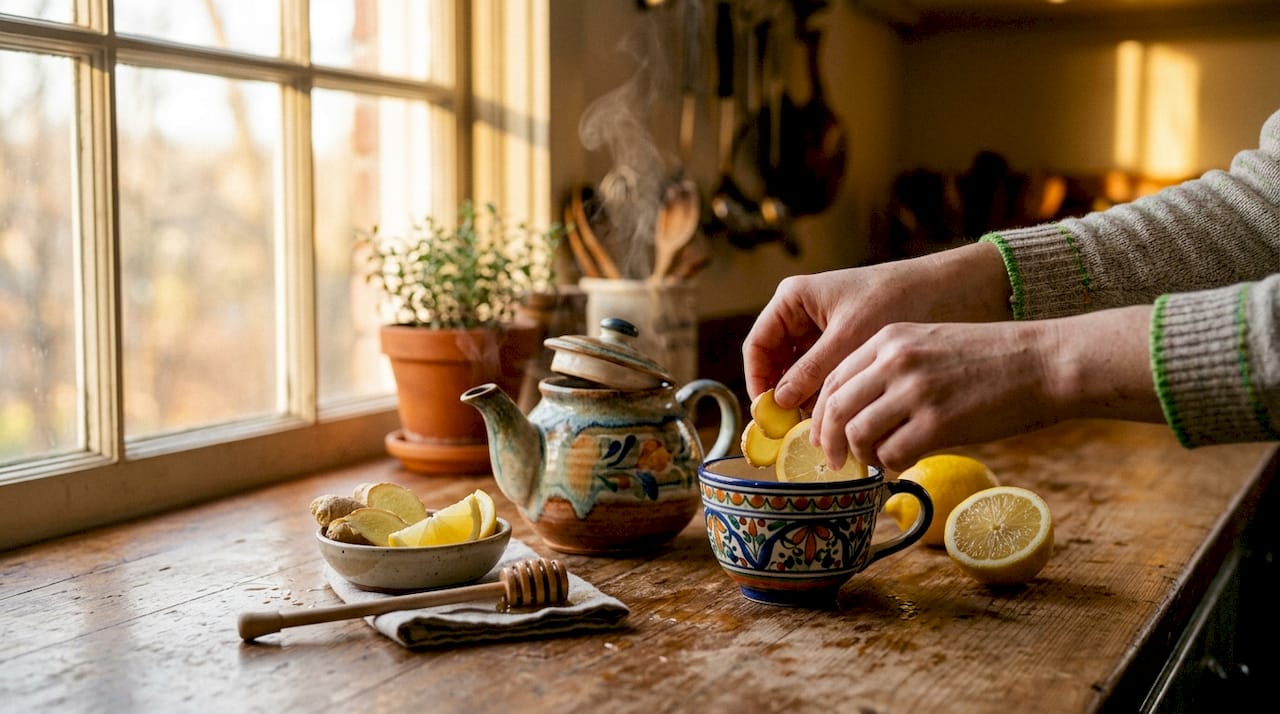
Pro Tip: Buy whole ginger root rather than powdered ginger for cold relief. Fresh root contains higher concentrations of gingerols, the active compounds responsible for its anti-inflammatory and antiviral properties.
A systematic review also found moderate-certainty evidence that herbal medicines may provide faster recovery and fewer adverse events in children’s cold care, though researchers call for more high-quality trials before drawing firm conclusions. Always consult a healthcare provider before giving herbal supplements to children or if you take prescription medicines, as interactions are possible.
- Echinacea purpurea: Take at first symptom onset. Use standardised formulations only.
- Ginger root: Fresh or as tea. Combine with honey or lemon for added effect.
- Herbal teas: Chamomile, peppermint, and elderflower are widely used for soothing upper respiratory symptoms.
- Quality matters: Choose products with clear ingredient sourcing and standardised extract levels.
How can dietary choices and food-based remedies support cold recovery?
Food-based home remedies for cold symptoms work primarily through hydration, anti-inflammatory compounds, and gut health support. None of them cure a cold, but the right dietary choices keep your body in the best position to fight back.
Warm fluids are the foundation of natural cold relief. Chicken soup has genuine evidence behind it: the broth provides electrolytes, the steam loosens congestion, and the warmth soothes an irritated throat. Warm herbal teas with honey serve a similar purpose. Honey acts as a natural cough suppressant and coats the throat to reduce irritation. It is one of the most accessible and well-supported home remedies for cold-related coughs in adults and children over one year old.
Vitamin C-rich foods play a supportive but limited role. Despite widespread belief, vitamin C and echinacea lack conclusive evidence for preventing colds. What vitamin C does do is support immune cell function during illness. Foods like citrus fruits, kiwi, bell peppers, and amla are practical ways to maintain your intake without relying on supplements. For a focused list of vitamin C-rich foods that support recovery, the Naturessoulshop blog covers options well-suited to everyday cooking.
Probiotics are worth adding to your routine, particularly if you take antibiotics alongside a cold. Antibiotics are ineffective against the common cold because it is viral, but if prescribed for a secondary infection, they disrupt gut flora. Fermented foods like yoghurt, kefir, and kimchi help maintain the gut microbiome, which plays a direct role in immune regulation.
- Warm fluids: Chicken broth, herbal teas, and warm water with lemon and honey keep you hydrated and ease congestion.
- Honey: A proven cough suppressant for adults and children over one year. Add to tea or take a teaspoon neat.
- Vitamin C foods: Citrus, kiwi, amla, and bell peppers support immune cell activity during illness.
- Probiotics: Yoghurt, kefir, and fermented vegetables help maintain gut health and immune function.
- Avoid: Alcohol and excessive caffeine, as both dehydrate and can worsen symptoms.
For a broader look at immune-boosting foods that support the whole family during cold season, Naturessoulshop has a dedicated guide worth bookmarking.
What non-oral natural remedies help ease cold symptoms?
Physical and topical approaches are some of the most underused natural cold relief methods. They work directly on the airways and nasal passages without entering the digestive system, which makes them suitable for people who prefer to avoid supplements entirely.
-
Steam inhalation. Lean over a bowl of hot water with a towel over your head and breathe slowly for five to ten minutes. Saline nasal sprays and steam inhalation temporarily relieve nasal congestion and soothe irritated nasal passages. Adding a few drops of eucalyptus oil to the water intensifies the decongestant effect. Keep your eyes closed to avoid irritation.
-
Humidifiers. A cool-mist humidifier in your bedroom adds moisture to dry air, which reduces the discomfort of a blocked nose overnight. Clean the humidifier daily. Stagnant water in the reservoir grows bacteria and mould, which defeats the purpose entirely.
-
Saline nasal spray or rinse. A simple saline solution of a quarter teaspoon of non-iodised salt dissolved in 250ml of warm water works as a nasal rinse. Saline gargles work via hypertonic solutions that soothe throat irritation and reduce local inflammation. Gargle for thirty seconds, spit, and repeat two to three times daily.
-
Vapour ointments. Chest rubs containing eucalyptus, menthol, and camphor are widely used for congestion relief. Apply to the chest and throat before sleep. Do not apply inside the nostrils or to broken skin.
-
Warm compress. A warm flannel pressed gently against the sinuses for a few minutes can ease sinus pressure and facial discomfort during a heavy cold.
Pro Tip: Add two drops of eucalyptus essential oil to your steam inhalation bowl rather than a full teaspoon. More is not better with essential oils for cold symptoms. High concentrations can irritate airways rather than soothe them.
What are key safety considerations and limitations of natural cold remedies?
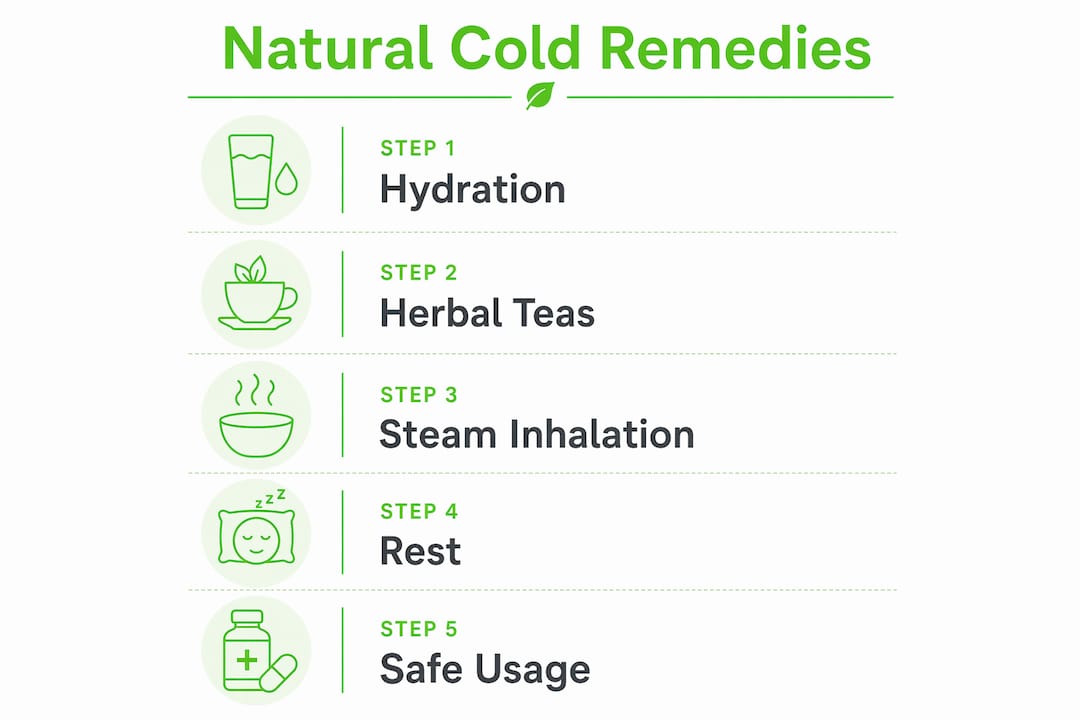
Natural remedies do not prevent or cure the common cold. Natural remedies help with symptom relief and maintaining comfort, not with eliminating the virus. Understanding this boundary helps you use them wisely and avoid wasting time or money on approaches that overpromise.
The most critical safety point concerns honey. Never give honey to infants under one year old. Honey must not be given to infants under one year due to the risk of infant botulism, a serious and potentially fatal condition. This applies to raw honey, cooked honey, and honey in any food or drink.
Cold and cough medications carry their own risks for young children. Cold and cough medications are not recommended for children under four years old. For this age group, saline drops, steam, and honey (for those over one year) are the safest options.
Know when to stop self-treating and see a doctor. The common cold typically resolves within a few days, but seek medical attention if symptoms persist beyond 7–10 days or worsen. Difficulty breathing, a high fever, chest pain, or severe headache all require prompt medical assessment.
- No honey for infants under one year. Botulism risk is real and serious.
- No cold medicines for children under four. Use saline and steam instead.
- Herbal supplements can interact with medications. Always check with a pharmacist or GP before combining them with prescription drugs.
- Antibiotics do not treat colds. Requesting them is ineffective and contributes to antibiotic resistance.
- See a doctor if symptoms worsen after day 7. Secondary infections like sinusitis or pneumonia can develop.
Key takeaways
Natural cold remedies work best when you combine rest, hydration, and evidence-based herbal or physical approaches from the first day of symptoms.
| Point | Details |
|---|---|
| Herbal remedies have real but modest benefits | Echinacea reduces symptom severity by approximately 23% when used early with a standardised formulation. |
| Ginger and honey are the most versatile options | Together they soothe the throat, suppress coughing, and show antiviral activity against respiratory viruses. |
| Physical remedies work without supplements | Steam inhalation, saline rinses, and humidifiers relieve congestion safely for most ages. |
| Safety limits apply to specific groups | Never give honey to infants under one year; avoid cold medicines in children under four. |
| See a doctor after 7–10 days | Symptoms that worsen or persist beyond this point may signal a secondary infection requiring treatment. |
Why I think most people use natural cold remedies wrong
People reach for echinacea on day four of a cold and wonder why it does not help. The research is clear: timing is the variable that determines whether herbal treatments for cold symptoms do anything useful. Start them on day one, or do not bother.
The other mistake I see constantly is treating “natural” as synonymous with “safe in any quantity.” Eucalyptus oil is a good example. Used correctly in steam inhalation, it opens airways. Used incorrectly, applied directly under the nose of a young child, it can cause respiratory distress. The dose and method matter as much as the ingredient.
My honest view is that the most underrated natural cold remedy is sleep. Rest is not passive. During sleep, your body produces cytokines, proteins that target infection and inflammation. Cutting sleep short to push through a cold actively slows your recovery. No supplement compensates for that.
The best natural immunity boosters are not exotic. They are ginger, vitamin C-rich foods, probiotics, and adequate sleep. The evidence points to these consistently, not to expensive proprietary blends with unverifiable potency. Build your cold care routine around what works, not what sounds impressive.
— Arjit
Natural wellness products for cold season from Naturessoulshop
Naturessoulshop brings together organic herbs, teas, and whole foods sourced with clean, traceable ingredients, which makes it a practical starting point when you want to treat cold naturally without pharmaceutical shortcuts.

The range covers organically grown ginger, herbal teas, and immune-supporting foods across dry grocery, vegan, and whole-food categories. Every product is selected for ingredient quality and clean sourcing, so you are not guessing at what is actually in the bottle or packet. For anyone building a natural cold care kit at home, the Naturessoulshop store is a good place to start. You will find products that align with the evidence-based approaches covered here, without the synthetic fillers common in mass-market wellness ranges.
FAQ
What is the best natural remedy for a common cold?
No single remedy is best. Combining rest, warm fluids, honey, and ginger tea for cold relief addresses the most common symptoms effectively and is supported by clinical evidence.
Does vitamin C actually help with a cold?
Vitamin C supports immune cell function but lacks conclusive evidence for preventing colds. Eating vitamin C-rich foods during illness is beneficial; high-dose supplements show minimal additional effect.
Can children use herbal treatments for cold symptoms?
Moderate-certainty evidence supports herbal medicines in paediatric cold care, but always consult a GP first. Never give honey to children under one year old, and avoid cold medicines in children under four.
How long does a common cold last with natural treatment?
The common cold typically resolves within a few days regardless of treatment. Natural remedies ease symptoms but do not shorten the viral course. See a doctor if symptoms persist beyond 7–10 days.
Are essential oils for cold symptoms safe to use?
Eucalyptus and peppermint essential oils are safe for adults when used in steam inhalation or chest rubs. Do not apply them directly inside the nostrils or use them undiluted on skin, and keep them away from young children.


