


TL;DR:
- Removing indoor pollutant sources is the most effective way to improve air quality and should be prioritized. Ventilation and filtration serve as supplementary measures to dilute and remove remaining pollutants. Regular testing and maintenance ensure ongoing effectiveness and healthier indoor environments.
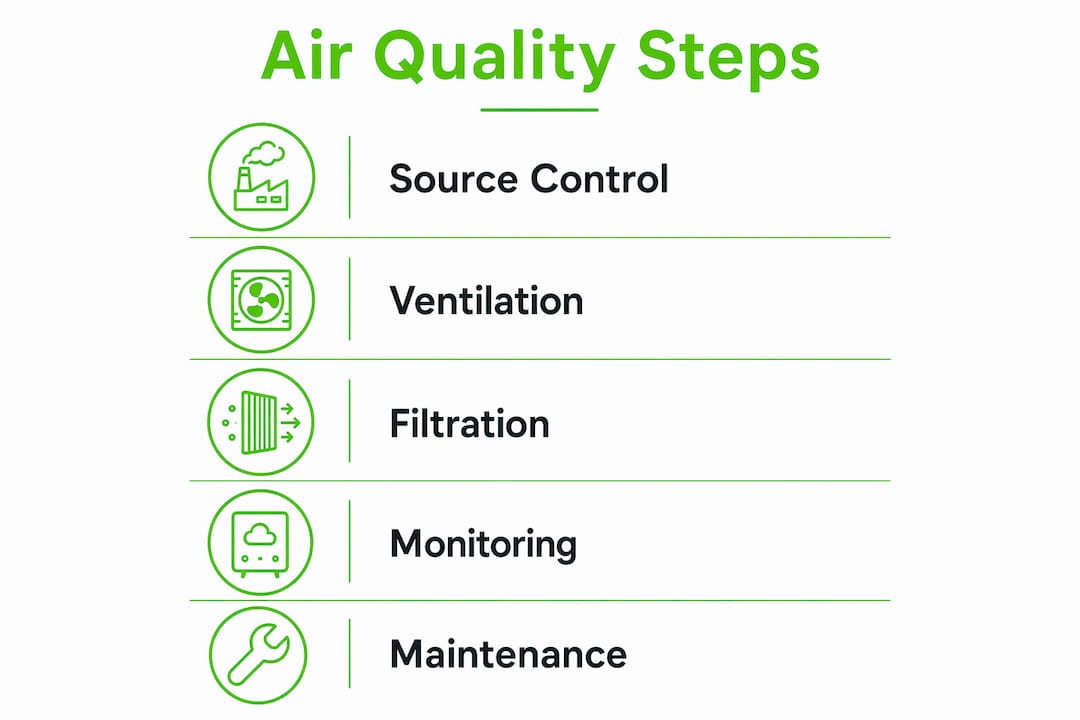
Improving indoor air quality means removing pollutants at their source, refreshing your home with clean air through ventilation, and filtering what remains. The EPA defines this three-step hierarchy as source control, ventilation, and filtration. Each step targets a different type of pollutant, and skipping any one of them weakens the whole system. Homeowners and renters who follow this order get better results at lower cost than those who rely on a single device or product. The good news is that most of these changes cost very little and take effect immediately.
What are the most effective ways to control pollution sources indoors?
Source control is the most effective strategy for better indoor air, more so than any air cleaning device. The logic is straightforward: a purifier running in a room with an active pollutant source is fighting a losing battle. Removing or reducing the source is always the first move.
The most common indoor pollutant sources in British homes include:
- Gas cookers and hobs, which emit nitrogen dioxide during use
- Synthetic fragrances in candles, plug-in air fresheners, and aerosol sprays
- VOC-emitting products such as solvent-based paints, varnishes, and new flat-pack furniture
- Cleaning sprays, particularly those containing bleach or ammonia
- Carpets and upholstery, which trap particulate matter and off-gas formaldehyde
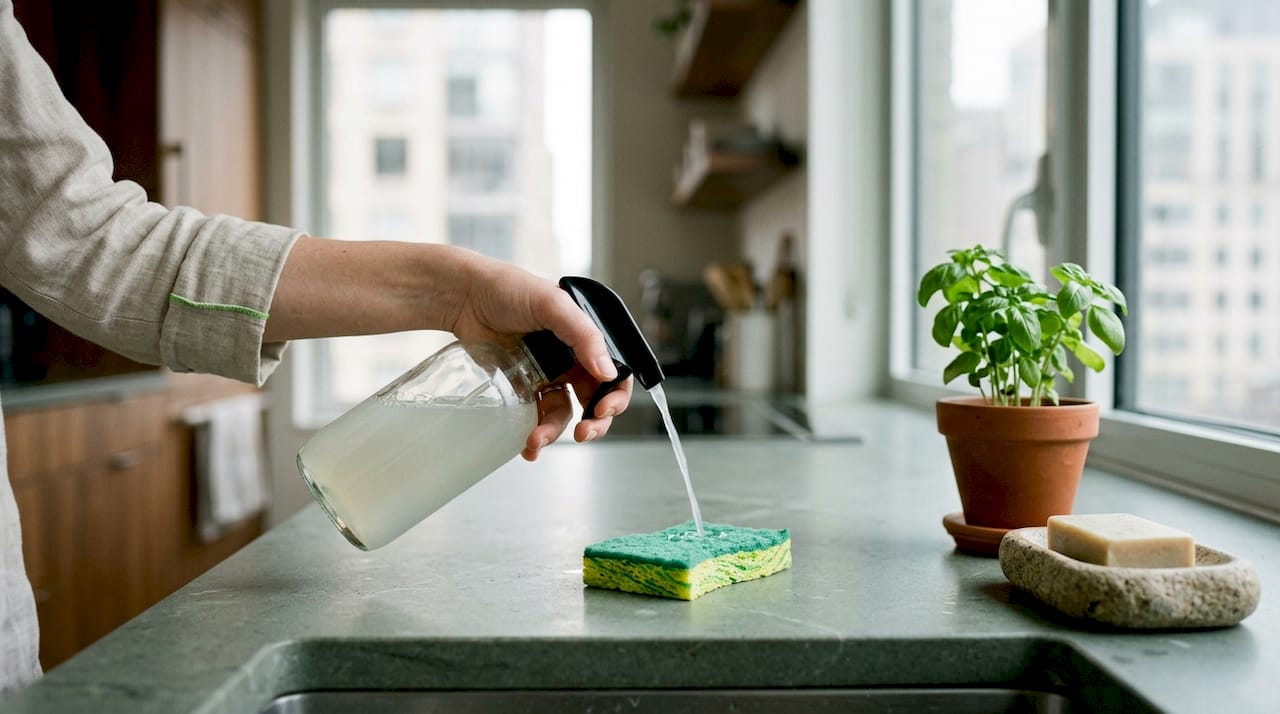
Practical swaps make a real difference here. Switching to non-toxic cleaning recipes removes a major source of VOC exposure without any cost to cleaning effectiveness. Choosing low-VOC paints and allowing new furniture to off-gas in a ventilated space before use cuts emissions significantly.
Radon, carbon monoxide, and formaldehyde are odourless and invisible, which means you cannot detect them by smell or sight. Radon testing kits are widely available and inexpensive. Carbon monoxide detectors are a legal requirement in many UK rental properties and should be checked monthly. Fuel-burning appliances, including gas boilers and wood-burning stoves, require annual professional inspections to prevent carbon monoxide hazards.
Pro Tip: Burning scented candles or unwrapping new furniture can cause a sharp, temporary spike in VOC levels. Open a window immediately and run an exhaust fan for at least 30 minutes after either activity.
How can strategic ventilation improve indoor air quality effectively?
Ventilation dilutes indoor pollutants by replacing stale air with fresh outdoor air. It is the second step in the EPA hierarchy and one of the most underused tools available to homeowners. Most people open windows only in warm weather, but consistent daily airing is effective year-round.
Opening windows for 10–15 minutes daily with cross-ventilation flushes stale air and reduces pollutant concentrations indoors. Cross-ventilation means opening windows on opposite sides of a room or home so air moves through rather than simply pooling near one opening. Even in winter, a short burst of fresh air is far better than none.
Mechanical ventilation options include:
- Kitchen range hoods vented outdoors, which can reduce nitrogen dioxide exposure from gas cookers by 55–70%
- Bathroom extractor fans, which should run during and for at least 15 minutes after showering to prevent moisture build-up
- Heat Recovery Ventilators (HRVs) and Energy Recovery Ventilators (ERVs), which are designed for well-insulated, airtight modern homes and provide continuous fresh air without significant heat loss
HRVs and ERVs are worth considering if your home has been recently insulated or double-glazed to a high standard. Airtight homes trap pollutants more effectively than draughty older properties, so mechanical ventilation becomes more important, not less.
One caution: outdoor air is not always clean. During high pollen counts, wildfire smoke events, or periods of elevated urban pollution, keep windows closed and rely on mechanical filtration instead. Checking the UK’s Daily Air Quality Index before opening windows is a practical habit that takes seconds.
Which air purification methods actually work to improve indoor air quality?
Air purification is the third layer of the hierarchy, not the first. Air purifiers are supplementary and should not replace source control or ventilation. That said, the right purifier in the right room makes a genuine difference, particularly for particulate matter and allergens.
True HEPA filtration
True HEPA filters capture at least 99.97% of airborne particles down to 0.3 microns. That includes dust mite debris, pet dander, mould spores, and fine particulate matter (PM2.5). The critical limitation is that HEPA filters do not remove gases or VOCs. A True HEPA filter will not address cooking smells, formaldehyde from furniture, or chemical fumes from cleaning products.
Activated carbon filtration
Activated carbon filters effectively absorb VOCs and odours that HEPA filters cannot capture. The catch is quantity. A thin carbon pre-filter, which is common in budget purifiers, offers minimal gas-phase removal. Meaningful VOC reduction requires at least 2 pounds of activated carbon media. Check the weight of the carbon layer before purchasing, not just whether the product mentions carbon.
Technologies to approach with caution
Ionizers and ozone generators can emit harmful ozone, a respiratory irritant, and are not recommended as primary air cleaning technologies. Ozone at elevated concentrations irritates the lungs and can worsen asthma. UV-C purifiers have a limited role in residential settings because the exposure time required to neutralise pathogens is rarely achieved in a portable device.
| Technology | What it removes | Key limitation |
|---|---|---|
| True HEPA | Particles, allergens, PM2.5 | Does not remove gases or VOCs |
| Activated carbon | VOCs, odours, gases | Requires substantial media weight |
| Ionizer | Some particles | May produce ozone |
| Ozone generator | Odours | Produces harmful ozone; not recommended |
| UV-C | Some pathogens | Limited efficacy in portable units |
Filter replacement schedules matter as much as filter quality. Replace HVAC filters every 90 days, every 60 days if you have pets, and every 30 days during allergy season or wildfire events. A clogged filter does not just stop working. It actively restricts airflow and can push pollutants back into the room.
Pro Tip: Size your air purifier by room area, not by the largest room in your home. A unit rated for 20 square metres running in a 40-square-metre room will not clean the air effectively. Check the CADR (Clean Air Delivery Rate) rating and match it to your actual room size.
How do you monitor and maintain good indoor air quality over time?
Sustainable air quality improvement is a habit, not a one-time purchase. Dependence on smell or visible dust to assess indoor air quality is unsafe, because the most hazardous pollutants are invisible and odourless. A basic indoor air quality monitor changes this entirely.
Consumer-grade monitors now track PM2.5, CO2, VOCs, temperature, and humidity in real time. CO2 levels above 1,000 parts per million indicate poor ventilation and are linked to reduced concentration and fatigue. A monitor gives you the data to act, rather than guessing.
Humidity control is equally important. Maintaining indoor humidity between 30% and 50% minimises biological contaminants like mould and dust mites. Below 30%, air becomes dry enough to irritate airways. Above 50%, mould growth accelerates and dust mite populations increase. A simple hygrometer costs under £15 and removes all guesswork.
Key maintenance habits to build into your routine:
- Run kitchen and bathroom extractor fans consistently, not just occasionally
- Check and replace HVAC and air purifier filters on schedule
- Test for radon every two years, particularly in ground-floor rooms
- Check carbon monoxide detectors monthly and replace batteries annually
- Ventilate after painting, cleaning, or bringing in new furniture
Pairing these habits with eco-friendly cleaning solutions reduces the number of VOC-emitting products in your home, which means less work for your ventilation and filtration systems.
Key takeaways
Source control, ventilation, and filtration work as a hierarchy: each layer builds on the last, and skipping any step reduces the effectiveness of the whole system.
| Point | Details |
|---|---|
| Source control comes first | Remove or reduce pollutant sources before relying on purifiers or ventilation. |
| Daily ventilation is free and effective | Opening windows for 10–15 minutes with cross-ventilation cuts indoor pollutant levels. |
| True HEPA and activated carbon work together | HEPA captures particles; activated carbon removes VOCs and odours. |
| Invisible pollutants need testing | Radon, carbon monoxide, and formaldehyde cannot be detected by smell alone. |
| Maintenance sustains results | Replace filters on schedule and keep humidity between 30% and 50% year-round. |
What I have learnt from years of watching people get this wrong
Most people buy an air purifier and consider the job done. I understand the appeal. It feels like a concrete action. But a purifier running in a room where synthetic fragrances, aerosol sprays, and a gas cooker without a range hood are all active is not solving the problem. It is masking it, temporarily.
The hierarchy matters because it reflects how pollutants actually behave. You cannot filter your way out of a source control problem. A True HEPA filter will not touch the formaldehyde off-gassing from a new wardrobe. An activated carbon filter will not compensate for a bathroom with no extractor fan and persistent damp.
What I have found works is starting with a single, specific change. Swap one aerosol spray for a non-toxic alternative. Run the range hood every time you cook. Open two windows on opposite sides of the house for 15 minutes each morning. These habits cost almost nothing and compound quickly. After a few weeks, you will notice the difference before any monitor confirms it.
The other thing worth saying plainly: you cannot trust your nose. The most dangerous pollutants in your home have no smell. Radon is odourless. Carbon monoxide is odourless. Formaldehyde at low concentrations is odourless. A monitor and a test kit are not luxuries. They are the only way to know what you are actually breathing.
— Arjit
A natural home starts with what you bring into it
Cleaner air and a healthier home are connected to the products you choose every day. Cleaning sprays, synthetic fragrances, and processed foods with artificial additives all contribute to the indoor chemical load your ventilation and filtration systems have to manage.

Naturessoulshop stocks organic and natural products across food, home care, and skin care, all made with clean ingredients and no unnecessary chemicals. Choosing products with fewer synthetic compounds means fewer VOCs entering your home in the first place. Browse the full range at Naturessoulshop or explore the health and wellness section for products that support a genuinely cleaner way of living.
FAQ
What is the most effective way to improve indoor air quality?
Source control is the most effective strategy, followed by ventilation and then filtration. Removing or reducing pollutant sources gives better results than any single device.
Do indoor plants actually improve air quality?
Indoor plants offer modest air quality benefits in real-world conditions. The effect is too small to replace ventilation or filtration, but plants do contribute to humidity regulation and can absorb trace VOCs over time.
How often should I replace my air purifier filter?
Replace HVAC filters every 90 days under normal conditions, every 60 days with pets, and every 30 days during allergy season or wildfire events. Air purifier filters vary by model, so follow the manufacturer’s schedule and check filters visually each month.
Are ionizers and ozone generators safe to use at home?
Ionizers and ozone generators can produce ozone, a respiratory irritant, and are not recommended as primary air cleaning technologies. True HEPA and activated carbon filters are the safer, more effective choice for residential use.
What humidity level is best for indoor air quality?
The EPA recommends keeping indoor humidity between 30% and 50%. This range prevents mould growth and dust mite proliferation while keeping the air comfortable to breathe.


