


TL;DR:
- Homemade cleaning products are natural mixtures made from common household ingredients that clean effectively without harsh chemicals. Starting with a basic all-purpose spray and bathroom scrub allows you to cover most household cleaning needs with minimal ingredients. Proper safety precautions ensure safe use around children, pets, and natural stone surfaces.
Homemade cleaning products are natural mixtures made from common household ingredients that clean effectively without harsh chemicals. White vinegar, baking soda, castile soap, and essential oils form the backbone of almost every recipe worth making. A starter kit costs under £40 and lasts for months, making DIY cleaning far cheaper than stocking a cupboard with commercial sprays. The real advantage is knowing exactly what goes on your surfaces, your skin, and into the air your family breathes. Naturessoulshop stocks the organic ingredients you need to get started today.
1. All-purpose spray cleaner
The most versatile homemade cleaner combines 1 cup water, 1 cup white vinegar, 15 drops tea tree oil, and 10 drops lemon oil in a spray bottle. Vinegar’s acidity dissolves mineral deposits and cuts through everyday grime on worktops, tiles, and appliances. Tea tree oil adds antimicrobial action. This single recipe replaces most of the sprays under your sink.
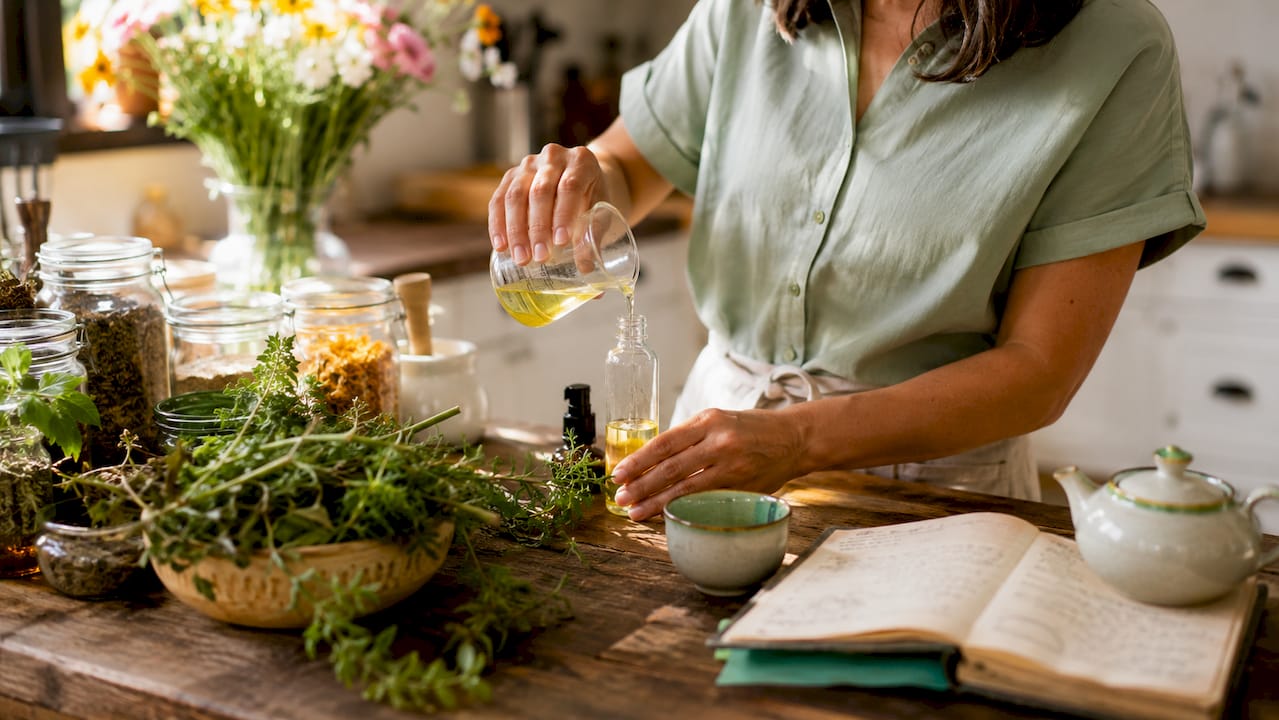
Pro Tip: Shake the bottle before each use. Essential oils and water separate on standing.
2. Bathroom scrub
Mix half a cup of baking soda with enough castile soap to form a thick paste, then add 10 drops of eucalyptus oil. Baking soda acts as a gentle abrasive that lifts soap scum and stains without scratching enamel or ceramic. Apply to the bath, sink, or toilet bowl, leave for five minutes, then scrub and rinse. The eucalyptus oil leaves the room smelling clean rather than chemical.
3. Glass and mirror cleaner
Combine 2 cups water, half a cup of white vinegar, and a quarter cup of rubbing alcohol (70% concentration) in a spray bottle. The alcohol speeds up drying and prevents streaks, which is the main complaint about vinegar-only glass cleaners. Spray directly onto glass and wipe with a lint-free cloth or scrunched newspaper. Avoid this recipe on tinted windows, as the alcohol can affect the film over time.
4. Kitchen degreaser
Mix 1 cup hot water, 1 tablespoon castile soap, and 15 drops of orange or lemon essential oil. Limonene in citrus oils breaks down grease at a molecular level, making it genuinely effective on hob splatter and greasy worktops. Spray on, leave for two minutes, then wipe clean. For baked-on grease, apply a second coat and use a non-scratch scourer.
5. Disinfectant wipes
Fold a stack of small cotton cloths or cut-up old T-shirts and place them in a glass jar. Pour over a solution of 1 cup water, 1 cup white vinegar, and 20 drops tea tree oil. Seal the jar and leave for 24 hours before use. A minimum 10-minute contact time on surfaces is required for proper sanitising. These reusable wipes cut down on single-use plastic waste significantly.
6. Drain freshener
Pour half a cup of baking soda directly into the drain, followed by half a cup of white vinegar. The fizzing reaction loosens debris and neutralises odours inside the pipe. Wait 15 minutes, then flush with a full kettle of boiling water. Use this weekly to prevent build-up rather than waiting for a blockage to form.
7. Grout cleaner
Make a thick paste from 3 tablespoons baking soda and 1 tablespoon castile soap. Apply to grout lines with an old toothbrush, scrub firmly, and rinse with warm water. For stubborn staining, add 5 drops of tea tree oil to the paste. Do not use vinegar on grout, as repeated acid exposure degrades the material over time.
8. Toilet cleaner
Sprinkle half a cup of baking soda into the toilet bowl, then add half a cup of white vinegar. Allow the mixture to fizz for 10 minutes before scrubbing with a toilet brush. Add 10 drops of lavender or tea tree oil for fragrance and additional antimicrobial effect. This recipe cleans and deodorises without the bleach fumes that irritate the respiratory tract.
9. Natural produce wash
Mix 1 cup water, 1 cup white vinegar, and 1 tablespoon lemon juice in a spray bottle. Spray directly onto fruit and vegetables, leave for 30 seconds, then rinse thoroughly under cold water. This removes surface residues and wax coatings more effectively than water alone. For food-safe kitchen cleaning more broadly, this recipe is a reliable starting point.
10. Furniture polish
Combine a quarter cup of olive oil with 2 tablespoons of white vinegar and 10 drops of lemon essential oil in a small jar. Apply a small amount to a soft cloth and rub into wooden furniture in the direction of the grain. The olive oil conditions the wood while the vinegar cuts through dust and fingerprints. Never apply this to unsealed or raw wood, as the oil can darken the grain permanently.
Which recipe suits your surface?
Choosing the right recipe matters as much as making it correctly. This table gives you a quick reference for matching each cleaner to its best use.
| Recipe | Key ingredients | Best surfaces | Antimicrobial | Safety note |
|---|---|---|---|---|
| All-purpose spray | Vinegar, tea tree oil | Worktops, tiles, appliances | Yes | Avoid natural stone |
| Bathroom scrub | Baking soda, castile soap | Bath, sink, ceramic | Partial | Safe on most surfaces |
| Glass cleaner | Vinegar, rubbing alcohol | Glass, mirrors | No | Avoid tinted windows |
| Kitchen degreaser | Castile soap, citrus oil | Hobs, worktops | Partial | Keep away from pets |
| Disinfectant wipes | Vinegar, tea tree oil | Hard surfaces | Yes | 10-minute dwell time needed |
| Drain freshener | Baking soda, vinegar | Drains | No | Do not seal drain after use |
| Grout cleaner | Baking soda, castile soap | Tile grout | Partial | Avoid vinegar on grout |
| Toilet cleaner | Baking soda, vinegar, lavender | Toilet bowl | Yes | Do not mix with bleach |
| Produce wash | Vinegar, lemon juice | Fruit, vegetables | No | Rinse thoroughly |
| Furniture polish | Olive oil, vinegar, lemon oil | Sealed wood | No | Avoid raw or unsealed wood |
Safety and usage precautions you must follow
Eco-friendly does not mean risk-free. Homemade green cleaners can still irritate skin and eyes, and several common combinations are genuinely dangerous.
The most critical rule is this: never mix bleach with vinegar or any acidic cleaner. The reaction releases toxic chlorine gas, which causes serious respiratory harm even in small quantities. If you use bleach anywhere in your home, keep it entirely separate from your DIY kit.
- Natural stone surfaces: Vinegar damages granite and marble permanently by etching the surface. Use only pH-neutral cleaners on these materials.
- Sealed wood: Avoid acidic recipes. Use the olive oil polish only on sealed, finished wood.
- Pets: Essential oils such as tea tree and citrus are toxic to cats and dogs. Check a vet-approved pet safety list before using any oil-based recipe in a home with animals.
- Children: Store all DIY cleaners in clearly labelled, sealed containers out of reach. Treat them with the same caution as commercial products.
- Dwell time: DIY cleaners need contact time to work. Wiping immediately after spraying reduces effectiveness significantly, especially for disinfecting.
Pro Tip: Always ventilate the room when using essential oil-based cleaners. Good airflow protects both you and any pets in the home.
Natural ingredients still carry real risks. Treat every homemade cleaner as you would a commercial product: label it clearly, store it safely, and keep it away from children and animals.
How to build your starter kit
Two recipes cover around 80% of household cleaning needs: the all-purpose spray and the bathroom scrub. Start there, then expand once you are confident with the basics.
Core ingredients to buy:
- White vinegar (large bottle, around £1.50–£2)
- Bicarbonate of soda (baking soda, around £1–£2)
- Castile soap (liquid, around £8–£12 for a concentrated bottle)
- Essential oils: tea tree, lemon, lavender, and eucalyptus (around £10–£15 for a starter set)
- Rubbing alcohol, 70% concentration (around £3–£5)
The total outlay sits comfortably under £40 and the supplies last for several months of regular use. Concentrated castile soap in particular goes a long way when diluted correctly.
Equipment you will need:
- Glass spray bottles (reusable, easier to clean than plastic)
- A glass jar with a lid for wipes and scrubs
- Labels and a permanent marker
Pro Tip: Buy organic or cold-pressed essential oils where possible. Cheaper synthetic versions lack the active compounds that give real cleaning power.
Transition gradually by replacing one commercial product at a time. Swap your kitchen spray first, then your bathroom cleaner. Within a month, you will have a clear sense of which recipes work best for your home. For more tried-and-tested recipes, Naturessoulshop’s blog is a reliable resource.
Key takeaways
The most effective approach to homemade cleaning is to master two core recipes first, then build outward using white vinegar, baking soda, castile soap, and essential oils as your foundation.
| Point | Details |
|---|---|
| Start with two recipes | An all-purpose spray and bathroom scrub cover 80% of household cleaning needs. |
| Dwell time is non-negotiable | Leave DIY cleaners on surfaces for several minutes before wiping for real effectiveness. |
| Never mix bleach with vinegar | The reaction produces toxic chlorine gas and is a serious safety risk. |
| Avoid vinegar on natural stone | Acidic cleaners permanently etch granite and marble surfaces. |
| Check essential oils around pets | Tea tree and citrus oils are toxic to cats and dogs; always verify before use. |
Why I stopped buying commercial cleaners entirely
The first time I made a batch of all-purpose spray, I expected it to be a compromise. It was not. The worktops were just as clean, the smell was better, and I did not have that faint chemical residue on my hands afterwards. That was the moment I realised the commercial cleaning industry had convinced me I needed something far more complicated than I actually did.
The learning curve is real but short. The first week, I over-diluted the castile soap and got streaky results. The second week, I forgot dwell time and wondered why the bathroom tiles still looked dull. By week three, both problems were solved and the routine felt natural. The biggest mistake people make is expecting instant results. These recipes work on chemistry, not on the aggressive surfactants in commercial products, so patience is part of the process.
What I did not expect was the financial saving. Replacing five or six commercial sprays with a single kit of base ingredients cuts the monthly spend on cleaning supplies considerably. The environmental benefit compounds over time too: fewer plastic bottles, no synthetic fragrances, no phosphates going down the drain.
My honest advice is to ignore the recipes that promise to do everything. The all-purpose spray, the bathroom scrub, and the kitchen degreaser are the three that earn their place every single week. Everything else is useful but optional. Build confidence with those three first, then experiment.
— Arjit
Stock your DIY kit with Naturessoulshop

Naturessoulshop carries the organic and natural ingredients you need to build a complete DIY cleaning kit from scratch. The range includes concentrated castile soap, certified organic essential oils, and biodegradable cleaning tools that complement every recipe in this article. Every product meets the same clean-ingredient standard that Naturessoulshop applies across its food, skin care, and home care ranges. If you are ready to make the switch to genuinely natural cleaning, shop the full range at Naturessoulshop and source quality ingredients you can trust. Your home, your family, and the environment all benefit from the change.
FAQ
What are the best homemade cleaning products for beginners?
The all-purpose spray (water, white vinegar, tea tree oil, and lemon oil) and the bathroom scrub (baking soda and castile soap) are the best starting point. Together they cover most cleaning needs and use only four base ingredients.
Can I use vinegar on all surfaces?
No. Vinegar damages natural stone such as granite and marble permanently. Avoid it on grout, unsealed wood, and cast iron as well.
Are homemade cleaners safe around children and pets?
They require the same caution as commercial products. Essential oils are toxic to pets, and all DIY solutions should be stored in sealed, labelled containers away from children.
How long do homemade cleaning solutions last?
Most water-based sprays stay effective for two to four weeks. Scrubs and oil-based polishes last longer when stored in sealed glass containers away from direct sunlight.
Do DIY cleaners actually disinfect?
Yes, with the right ingredients and enough contact time. Tea tree oil has documented antimicrobial properties, but surfaces need at least 10 minutes of contact with the solution before wiping for genuine sanitising effect.


