


TL;DR:
- Maintaining steady habits in diet, exercise, sleep, and stress management enhances long-term immune resilience.
- Single supplements or superfoods cannot rapidly boost immunity; consistent lifestyle choices are essential.
Natural immunity boosters are the consistent lifestyle and dietary choices that keep your immune system functioning at its best, day after day. The term “immune boosting” is widely used, but the science is clear: you cannot spike your immunity overnight with a single supplement or superfood. What you can do is support immune function steadily through nutrient-rich foods, targeted supplements, regular movement, and quality sleep. This guide covers the best natural immunity boosters backed by current evidence, so you can build a routine that actually works, whether you are a health-conscious adult or a first-time parent looking after your whole family.
1. What are the best natural immunity boosters?
The best natural immunity boosters are not single miracle ingredients. They are a combination of foods, habits, and supplements that work together to keep your immune system prepared. Think of your immune system less like a car engine you rev up and more like a garden you tend consistently. Neglect it for a week and the weeds take over.
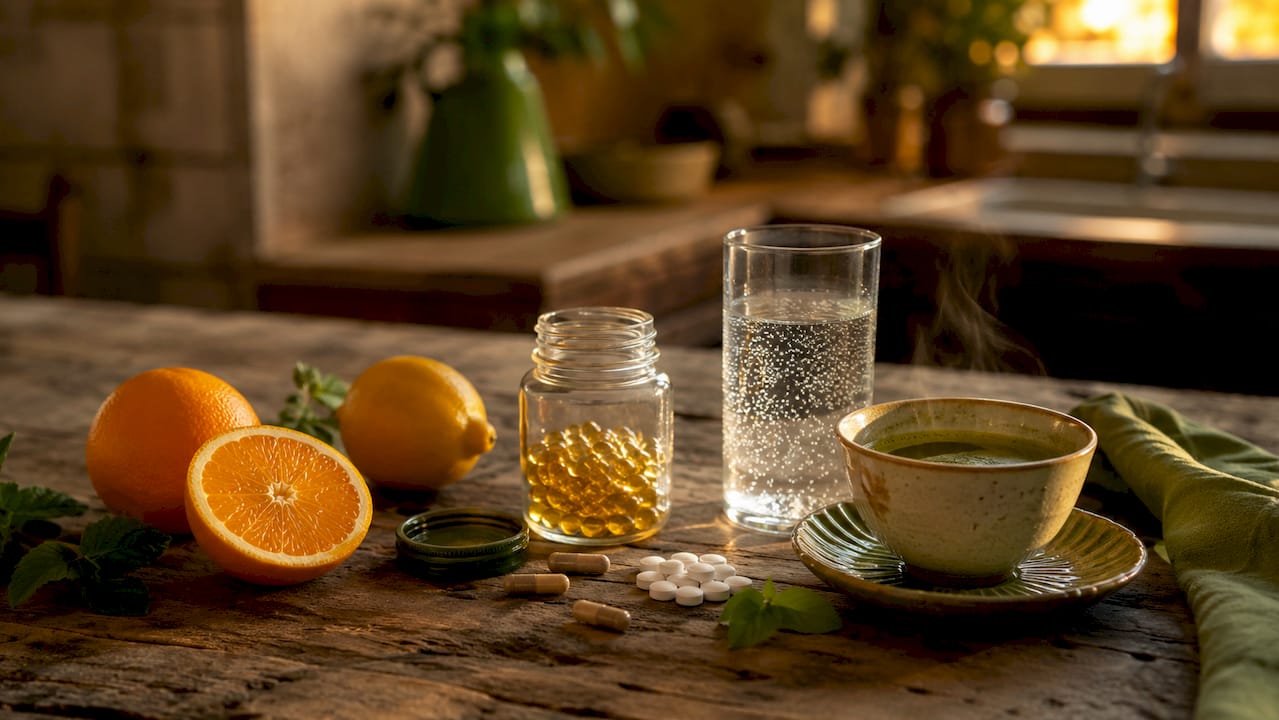
Nutrition experts recommend a 75% plant-based diet for optimal immune function. That proportion gives your body the antioxidants, fibre, and micronutrients it needs to produce and maintain immune cells. The remaining 25% covers lean proteins, dairy, and other whole foods that supply zinc, vitamin B12, and complete amino acids.
The core pillars are foods rich in vitamins C, D, and zinc; adequate protein; regular moderate exercise; 7–8 hours of sleep; and a diverse gut microbiome. You will find each one covered in detail below.
2. Top foods that support your immune system
Food is your first and most reliable source of immune support. Whole, minimally processed foods deliver nutrients in forms your body absorbs well, alongside co-factors that isolated supplements often lack. For families and parents especially, building meals around these foods is the most practical long-term strategy. You can explore more on immune-supporting family meals to get started.
Key immune-supporting foods:
- Citrus fruits and berries: Oranges, kiwis, strawberries, and blackcurrants are rich in vitamin C, which supports white blood cell production.
- Amla (Indian gooseberry): Amla contains 20 times more vitamin C than oranges, making it one of the most concentrated natural sources available.
- Shellfish, pumpkin seeds, and legumes: These supply zinc, which regulates immune cell signalling and reduces inflammation.
- Leafy greens and sweet potato: Rich in vitamins A and E, both of which protect the integrity of your skin and mucous membranes, your body’s first physical barrier.
- Yogurt and fermented foods: Kefir, kimchi, and live-culture yogurt introduce beneficial bacteria that strengthen gut immunity.
- Oily fish: Salmon and mackerel provide vitamin D alongside omega-3 fatty acids, both of which reduce inflammatory responses.
Pro Tip: Pair vitamin C-rich foods with iron-rich plant foods at the same meal. Vitamin C significantly increases the absorption of non-haem iron from sources like lentils and spinach, giving you a double immune benefit.
3. Which supplements are effective for natural immune support?
Supplements work best when they fill genuine gaps in your diet, not when they replace food. The form of a supplement matters as much as the dose. Liposomal vitamin C and zinc paired with quercetin significantly improve bioavailability compared to standard tablet forms. Quercetin acts as a natural ionophore, helping zinc enter cells where it can inhibit viral replication.
Vitamin D deserves particular attention. Around 25% of the population is deficient in vitamin D, which plays a direct role in immune cell regulation. Because vitamin D is fat-soluble and can accumulate to toxic levels, testing your blood levels before supplementing is the responsible approach.
Supplements with strong evidence for immune support:
- Liposomal vitamin C: Better absorbed than standard ascorbic acid; supports white blood cell activity.
- Zinc with quercetin: Quercetin improves zinc uptake into cells; take with food to avoid nausea.
- Elderberry (Sambucus nigra): Shown to reduce the duration of cold and flu symptoms in several clinical trials.
- Medicinal mushrooms: Reishi, shiitake, and lion’s mane contain beta-glucans that prime immune cell activity.
- Organic India Immunity Boost: A formulated supplement combining traditional herbs; available through Naturessoulshop’s supplement range.
One caution worth taking seriously: excess zinc supplementation inhibits the absorption of copper and other minerals. High-dose zinc at the onset of illness is far less effective than steady, moderate intake through diet and low-dose supplements.
Pro Tip: Take fat-soluble supplements like vitamin D and vitamin E with your largest meal of the day. Fat in the meal significantly increases their absorption.
4. How exercise, sleep, and stress management support immunity
Lifestyle factors are the most underrated category of natural immune support. You can eat perfectly and still have a compromised immune system if you are chronically sleep-deprived or under constant stress. These three habits are not optional extras. They are the foundation.
Regular moderate exercise is one of the most powerful immune interventions available. People who exercise regularly show a 36% lower risk of hospitalisation and a 43% lower risk of death from severe viral infections. That is a more significant protective effect than most supplements can claim. Moderate means brisk walking, cycling, swimming, or yoga for 30 minutes most days, not intense daily training, which can temporarily suppress immunity.
Sleep is when your body produces immune stem cells and consolidates immune memory. Seven to eight hours of sleep supports white blood cell production and keeps stress hormones like cortisol in check. Cortisol, when chronically elevated, directly suppresses immune cell activity. Practical stress management tools include breathwork, mindfulness apps like Headspace or Calm, and simply spending time outdoors, which also exposes you to beneficial environmental microbes.
For parents of young children, consistent sleep is genuinely difficult. Even short naps and structured wind-down routines make a measurable difference to immune resilience over time.
5. What role does gut health and protein intake play?
Your gut houses roughly 70% of your immune system. The diversity of bacteria living in your gut microbiome directly shapes how well your immune cells respond to threats. Microbiome diversity and 30g of daily fibre are linked to a stronger immune response. Most adults in the UK consume around 18g of fibre per day, well below that target.
One overlooked habit for gut health is gardening. Gardening transfers beneficial soil bacteria into your gut microbiome via skin contact and inhalation, adding microbial diversity that fermented foods alone cannot replicate. It is a genuinely surprising finding that costs nothing to act on.
Protein is equally critical and frequently underestimated. Insufficient protein intake forces the body to break down muscle tissue to supply amino acids for immune cell production during illness. This is why people who are already lean or elderly recover more slowly from infections.
| Food | Fibre per 100g | Protein per 100g |
|---|---|---|
| Red lentils (cooked) | 3.9g | 9g |
| Chickpeas (cooked) | 7.6g | 8.9g |
| Oats (dry) | 10.6g | 13g |
| Pumpkin seeds | 6g | 30g |
| Broccoli (raw) | 2.6g | 2.8g |
Pro Tip: Add a tablespoon of ground flaxseed to your morning porridge. It contributes around 3g of fibre and omega-3 fatty acids in one move, with no change to the flavour.
Key takeaways
Steady, consistent habits across diet, supplementation, exercise, and sleep are the most effective natural approach to immune health.
| Point | Details |
|---|---|
| Diet is the foundation | A 75% plant-based diet supplies the antioxidants and micronutrients your immune cells need daily. |
| Supplements fill gaps, not meals | Use liposomal vitamin C, zinc with quercetin, and vitamin D to address deficiencies, not replace food. |
| Exercise cuts infection risk sharply | Regular moderate exercise reduces hospitalisation risk from viral illness by 36%. |
| Gut health drives immune resilience | Aim for 30g of fibre daily and include fermented foods to support microbiome diversity. |
| Sleep and stress are non-negotiable | Seven to eight hours of sleep and active stress management protect white blood cell production. |
Why I think “immune boosting” is the wrong goal
People come to natural immunity with the wrong frame. They want a quick fix, a supplement to take when they feel a cold coming on, or a superfood to add to a smoothie once a week. I understand the appeal. Life is busy, especially with young children in the house.
But the science is unambiguous. There is no credible evidence that any single food or supplement can “boost” your immune system in the way the marketing implies. What the evidence does show is that consistent, unglamorous habits compound over months and years into genuine resilience. The person who walks 30 minutes every day, sleeps seven hours, eats lentils and leafy greens, and manages their stress is far better protected than the person who takes ten supplements but sleeps five hours and skips meals.
The misconception I see most often is treating zinc or vitamin C like a fire extinguisher, something you grab in an emergency. Vitamins C and D, zinc, and protein are most effective when maintained consistently through diet, not spiked reactively. High-dose zinc at the onset of illness is actually counterproductive because it blocks copper absorption and disrupts nutrient balance.
My honest advice: pick two or three habits from this article and do them every day for a month before adding anything else. Consistency beats complexity every time. You can find a practical starting point in this natural immunity 2026 guide from Naturessoulshop.
— Arjit
Support your immunity with Naturessoulshop
Naturessoulshop stocks a carefully chosen range of organic foods and natural supplements designed to complement exactly the kind of immune support strategy this article describes. From vitamin-rich fruits and vegetables to clean-ingredient supplements and fermented foods, every product is sourced with clean, whole ingredients in mind.
Whether you are stocking up on fibre-rich legumes, looking for a quality elderberry supplement, or exploring the health product range for your family, Naturessoulshop makes it straightforward to shop with confidence. Visit the Naturessoulshop online store to browse organic groceries and immune-supporting supplements delivered to your door.
FAQ
What are the best natural immunity boosters for adults?
The most effective natural immunity boosters for adults are a varied plant-rich diet, regular moderate exercise, 7–8 hours of sleep, and targeted supplements like vitamin D and zinc where deficiencies exist. Consistency across all four areas produces far better results than any single intervention.
Can supplements replace food for immune support?
Supplements cannot replace food for immune support. Essential nutrients like vitamins C and D are most effective when obtained steadily through diet, with supplements filling specific gaps rather than acting as a primary source.
How does gut health affect immunity?
Your gut houses the majority of your immune system, and a diverse microbiome strengthens immune responses. Eating 30g of fibre daily and including fermented foods like kefir and kimchi are the most practical ways to support gut-based immunity.
Is vitamin D important for natural immune support?
Vitamin D is critical for immune cell regulation, and deficiency is widespread. Get your levels tested before supplementing, as vitamin D is fat-soluble and can reach toxic levels with excessive intake.
How quickly do natural immunity habits show results?
Natural immunity habits typically show measurable results over weeks to months, not days. Regular moderate exercise and consistent nutrition build immune resilience gradually, which is why starting early and maintaining habits matters more than intensity.


