


TL;DR:
- Consistent lifestyle habits such as a balanced diet, regular exercise, quality sleep, and stress management are essential for strengthening the immune system. Focusing on whole foods rich in vitamin C, zinc, and probiotics supports immune health, while avoiding smoking and excess alcohol prevents immune suppression. Small, sustainable changes like improving sleep and reducing stress can significantly enhance immunity over time.
Your immune system is your body’s primary defence against infections, viruses, and disease, and the most reliable way to strengthen it is through consistent, evidence-based lifestyle habits rather than any single supplement or superfood. The natural approach to immune support, sometimes called immune lifestyle medicine, covers what you eat, how you move, how well you sleep, and how you manage stress. Each factor works in concert, not in isolation. This guide draws on guidance from the CDC, MD Anderson Cancer Centre, and Nature Communications to give you a practical, no-nonsense framework for building stronger defences from the ground up.
What are the best natural ways to boost immunity?
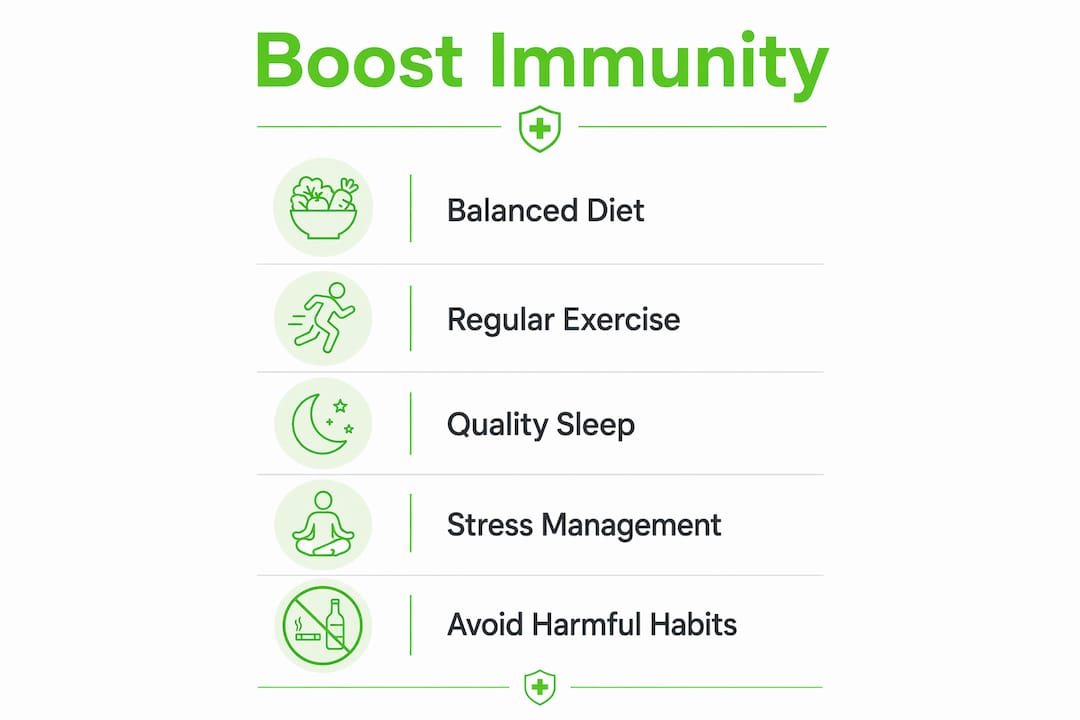
The CDC’s 2026 guidance defines the core levers of natural immune enhancement as a balanced diet, regular physical activity, sufficient sleep, healthy weight maintenance, not smoking, and limiting alcohol. This is not a list of optional extras. These habits collectively reduce chronic inflammation, support immune cell production, and keep your body’s surveillance systems sharp. The most important insight here is that no single habit works alone. Someone who eats well but sleeps four hours a night will still have a compromised immune response. The system requires all parts to function together.

Which foods naturally support immune function?
Diet is the foundation of immune health, and the structure of your meals matters as much as individual ingredients. MD Anderson’s 2025 guidance recommends filling two-thirds of every meal with vegetables, fruits, nuts, and whole grains, with the remaining third made up of lean proteins. This pattern delivers the vitamins for immune health your body needs without relying on supplements.
Vitamin C and zinc are the two nutrients most associated with immune function, and both are adequately obtained from whole foods for most people. Citrus fruits, bell peppers, and amla are exceptional vitamin C sources. Pumpkin seeds, lentils, and chickpeas deliver zinc. Garlic contains allicin, a compound with well-documented antimicrobial properties. Turmeric’s active compound, curcumin, reduces inflammatory markers. Spinach provides both vitamin C and antioxidants that protect immune cells from oxidative damage.
Your gut is where roughly 70% of your immune cells reside, which makes gut health a direct immune health issue. Consuming at least 30 grams of dietary fibre daily from diverse whole food sources increases gut microbiome diversity, supporting immune cell function and reducing systemic inflammation. Fermented foods such as yoghurt, kefir, kimchi, and sauerkraut introduce beneficial bacteria that strengthen the gut lining. You can explore the role of fermented foods in gut and immune support in more depth if this is new territory for you.
| Food | Key nutrient | Immune benefit |
|---|---|---|
| Citrus fruits and amla | Vitamin C | Stimulates white blood cell production |
| Pumpkin seeds and lentils | Zinc | Supports immune cell development |
| Garlic | Allicin | Antimicrobial and anti-inflammatory |
| Turmeric | Curcumin | Reduces chronic inflammation |
| Yoghurt and kefir | Probiotics | Strengthens gut microbiome diversity |
| Spinach | Antioxidants, vitamin C | Protects immune cells from oxidative stress |
Pro Tip: If you are new to a high-fibre diet, increase your intake gradually over two to three weeks. Jumping from low to high fibre too quickly causes bloating and discomfort, which puts people off before the benefits arrive. Gut microbiome responses to fibre also vary individually, especially after antibiotic use, so diversity of fibre sources matters as much as total quantity.
How does regular exercise strengthen your immune system?
Moderate, consistent physical activity is one of the most well-evidenced natural immune boosters available. 150 minutes of moderate aerobic exercise weekly is the recommended threshold for meaningful immune benefits, covering activities such as brisk walking, cycling, swimming, or yoga. This level of activity improves the circulation of immune cells, increases antibody production, and reduces the chronic low-grade inflammation that undermines immune function over time.
The mechanism is straightforward. Exercise temporarily raises your body temperature, which may help kill pathogens in the same way a fever does. It also flushes bacteria from the lungs and airways and causes immune cells to circulate more rapidly, detecting illness earlier. Regular movement also reduces stress hormones, which is a secondary immune benefit covered in the next section.
The key distinction is between moderate and excessive training. Endurance athletes who overtrain without adequate recovery experience a well-documented dip in immune function, sometimes called the open window effect, where infection risk temporarily rises after extreme exertion. The goal for most people is consistency at moderate intensity, not maximum effort.
- Brisk walking for 30 minutes, five days a week meets the weekly threshold
- Resistance training two to three times weekly supports healthy weight and reduces inflammation
- Yoga and tai chi combine movement with stress reduction, offering a dual immune benefit
- Outdoor exercise adds vitamin D exposure from sunlight, which supports immune cell regulation
Pro Tip: If you are recovering from illness, reduce exercise intensity rather than stopping entirely. Light movement maintains circulation and immune surveillance without taxing a system already under strain.
Why do sleep and stress management matter for immunity?
Sleep is not passive recovery. During deep sleep, your body produces and releases cytokines, the proteins that coordinate immune responses to infection and inflammation. Sleep fragmentation significantly impairs immune responses and increases infection risk, with adults who have obstructive sleep apnoea showing notably higher flu infection rates. Critically, it is the quality of sleep that matters, not just duration. Six hours of uninterrupted sleep delivers better immune outcomes than eight hours of fragmented rest.
Chronic stress compounds the problem. Cortisol, released during stress, suppresses immune function, increases systemic inflammation, and disrupts mood regulation. Short-term stress is manageable. Sustained stress over weeks or months creates a physiological environment where immune cells are perpetually suppressed, leaving you more vulnerable to both infections and chronic disease.
Here are the most effective practices for improving sleep quality and managing stress:
- Keep a consistent sleep and wake time, including at weekends, to regulate your circadian rhythm.
- Avoid screens for at least 60 minutes before bed. Blue light suppresses melatonin production and delays sleep onset.
- Keep your bedroom cool, dark, and quiet. Temperature between 16 and 19 degrees Celsius is optimal for deep sleep.
- Practise diaphragmatic breathing or a body scan meditation before sleep to lower cortisol levels.
- Limit caffeine after 2pm. Caffeine has a half-life of five to six hours, meaning an afternoon coffee still affects sleep quality at midnight.
- Explore meditation practices such as mindfulness or yoga nidra as structured tools for stress reduction.
Pro Tip: If you snore heavily or wake unrefreshed despite adequate sleep hours, ask your GP about a sleep study. Undiagnosed sleep apnoea is one of the most overlooked causes of poor immune function, and treating it can produce rapid improvements in energy, mood, and infection resistance.
Which lifestyle habits actively weaken your immune system?
Knowing what to avoid is as important as knowing what to do. Two habits stand out for the scale of their immune impact: smoking and excessive alcohol consumption.
Smoking increases the risk of immune problems and directly weakens the body’s ability to fight disease. Cigarette smoke damages the cilia in the respiratory tract, the tiny hair-like structures that sweep pathogens out of the airways. It also reduces the effectiveness of T-cells and natural killer cells, two of the immune system’s primary weapons against infection and cancer.
Excessive alcohol disrupts the gut microbiome, impairs the production of immune cells in bone marrow, and fragments sleep, creating a triple hit on immune function. Even moderate regular drinking affects the gut lining’s integrity, reducing its ability to act as a barrier against pathogens.
- Smoking: Damages respiratory defences, suppresses T-cell activity, and increases infection risk across all age groups
- Excessive alcohol: Disrupts gut microbiome, impairs immune cell production, and fragments sleep quality
- Chronic sleep deprivation: Reduces cytokine production and vaccine responsiveness
- Sedentary behaviour: Allows chronic low-grade inflammation to persist unchecked
- Ultra-processed food diets: Reduce gut microbiome diversity and deprive immune cells of key nutrients
Pro Tip: The NHS Smokefree service and the Drinkaware app are free, evidence-based tools for reducing or quitting smoking and alcohol. Framing these as immune health decisions rather than willpower challenges makes the motivation more durable.
Key takeaways
Consistent lifestyle habits across diet, exercise, sleep, and stress management are the most reliable foundation for strong natural immunity, and no supplement replaces them.
| Point | Details |
|---|---|
| Diet pattern over single foods | Fill two-thirds of meals with plants; obtain vitamin C and zinc from whole foods, not supplements. |
| Fibre and gut health | Aim for 30g of diverse dietary fibre daily to support microbiome diversity and immune cell function. |
| Exercise at moderate intensity | 150 minutes of moderate aerobic activity weekly improves immune surveillance and reduces inflammation. |
| Sleep quality, not just duration | Fragmented sleep impairs immune responses; address sleep disorders to see meaningful immune gains. |
| Avoid smoking and excess alcohol | Both directly suppress immune cell activity and disrupt gut and respiratory defences. |
What I have learnt about immunity that most articles miss
By Arjit
Most immunity content focuses on what to add: this superfood, that supplement, this herb. After years of working in the wellness space and watching how people actually change their health, I have come to believe the more useful question is what to stop doing. Fragmented sleep, chronic stress, and a diet dominated by ultra-processed foods are doing far more damage than any turmeric latte can repair.
The gut health angle is also consistently underplayed. People think of digestion and immunity as separate systems. They are not. When I started paying serious attention to fibre diversity rather than just total fibre intake, the difference in energy and resilience was noticeable within weeks. Thirty grams of fibre from five or six different plant sources does something that thirty grams from one source simply does not.
The other thing I would push back on is the idea that you need a dramatic overhaul. The people I have seen make lasting immune improvements did it through small, stacked habits: a consistent sleep time, a walk after lunch, one fermented food per day, and cutting back on alcohol during the week. None of those changes are hard. Together, they compound into something genuinely significant. Start with sleep. Fix that first, and everything else becomes easier.
— Arjit
Support your immunity with Naturessoulshop
Naturessoulshop stocks a carefully curated range of organic health products designed to make the dietary side of immune support straightforward and accessible. From fresh organic produce and fermented foods to plant-based supplements and clean-ingredient dry grocery, every product is chosen with whole-food nutrition in mind. If you are looking for a convenient plant-based supplement to complement your diet, the Organic India immunity capsules are a well-regarded option. Browse the full Naturessoulshop store to find organic foods and lifestyle products that align with the habits covered in this guide.

FAQ
What are the most effective natural ways to boost immunity?
The most effective approach combines a plant-rich diet, 150 minutes of moderate weekly exercise, seven to nine hours of quality sleep, and active stress management. No single food or supplement replaces this combination.
Which foods are best for supporting immune function?
Citrus fruits, garlic, turmeric, spinach, yoghurt, and zinc-rich foods such as lentils and pumpkin seeds are among the best foods for immunity. Dietary diversity matters more than any single ingredient.
Do vitamins and supplements actually boost immunity?
Vitamin C and zinc support immune function, but whole foods provide these nutrients adequately for most people. Supplements are useful when dietary gaps exist, but they do not replace a balanced diet.
How does sleep affect immune health?
Sleep fragmentation impairs immune responses and increases infection risk. Quality of sleep matters as much as duration, and conditions like sleep apnoea can significantly compromise immune function even when total sleep hours appear sufficient.
Can stress really make you more likely to get ill?
Yes. Chronic stress triggers sustained cortisol release, which suppresses immune cell activity and increases systemic inflammation. Managing stress through exercise, meditation, or breathing techniques is a direct immune health strategy, not just a wellbeing nicety.


