


TL;DR:
- Family wellness activities that blend physical movement, emotional regulation, and creative collaboration strengthen children’s health and family bonds. Simple routines like daily walks, shared cooking, and mindful exercises can create lasting positive habits, especially when modeled by parents. Small, consistent actions taken over time are more effective than extensive overhauls in promoting a healthy family lifestyle.
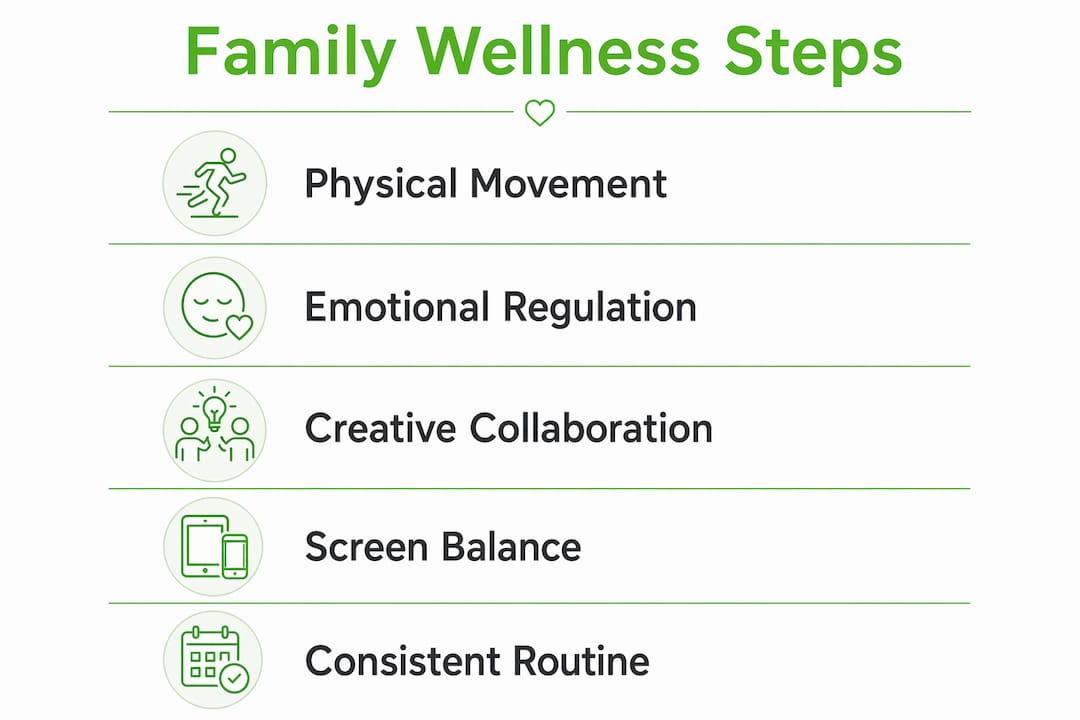
Family wellness activities are intentional, shared practices that improve physical health, emotional well-being, and family connection at the same time. The CDC recommends making physical activity a family routine, limiting screen time, and encouraging active play as foundational pillars of children’s health. Research from NIDDK confirms that preschoolers need three hours of movement daily, while children aged 6 to 17 require at least one hour. The most effective family health and wellness programmes combine physical movement, emotional regulation, and creative collaboration, not just sport or exercise alone.
What types of family wellness activities effectively boost health and connection?
Family wellness activities fall into three proven categories: physical movement, emotional regulation practices, and creative collaboration. Each category serves a distinct purpose, and the most powerful routines blend all three.
Physical movement as a family
Walking, cycling, dancing, and active outdoor games are the most accessible entry points for families. The Cleveland Clinic advises keeping movement fun and varied for young children, citing dancing, tricycle riding, and tag as ideal forms of engagement. A 2026 randomised controlled trial published in MDPI found that a digital parent-child exercise intervention using gamified tasks produced medium effects on children’s physical activity levels and small but significant reductions in anxiety. This matters because it proves family fitness ideas do not require a gym or specialist equipment to deliver real results.
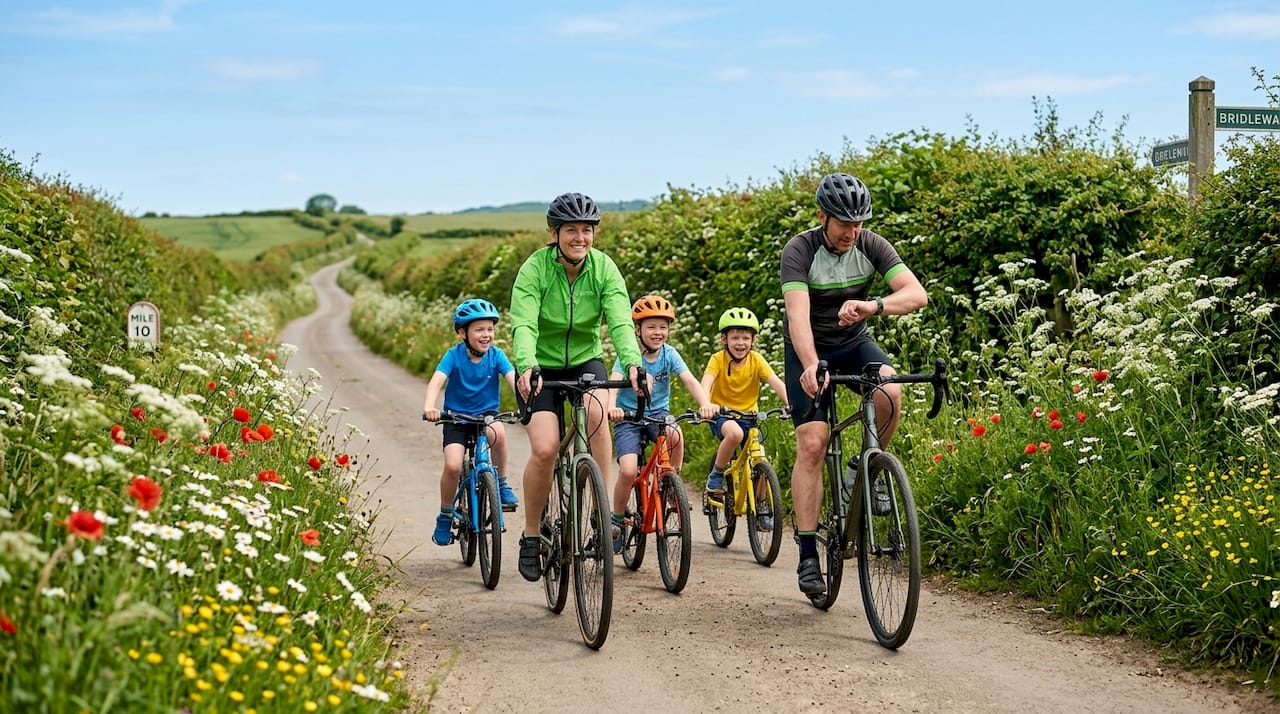
Community events also offer low-cost options. State College, Pennsylvania’s annual family fishing picnic combines guided hikes, environmental education, and social bonding without financial barriers. Events like FunFam SportFest in Singapore feature coach-led 30-minute sessions and obstacle courses that blend competitive fun with structured fitness. These examples show that outdoor wellness for families can be both structured and spontaneous.
Pro Tip: Start with a 20-minute family walk after dinner three times a week. Consistency at a low threshold beats ambitious plans that collapse after a fortnight.
Emotional regulation and creative activities
Physical activity alone does not build the relational depth that families need. Live Heal Travel’s Wild and Grounded Family Circles programme integrates breathwork, movement, and eco-friendly crafts into a single session, specifically to support nervous system regulation alongside family bonding. Cooking together, building crafts, or working on a shared garden project all activate collaboration and communication in ways that a jog around the park simply cannot replicate. These activities also give children a sense of contribution and ownership, which strengthens their emotional investment in the family unit.
How can families balance screen time with wellness activities?
Screen time management is one of the most practical challenges in building healthy family activities. Restricting screens without offering appealing alternatives creates conflict rather than wellness.
The American Academy of Paediatrics developed the 5 C’s media-use framework to move families beyond blunt time limits. The five elements are child, content, calming, crowding out, and communication. This framework acknowledges that the type of content and the emotional context of viewing matter as much as the number of minutes spent on a screen.
Here is a practical approach to implementing the 5 C’s at home:
- Assess your child’s needs. Consider age, temperament, and how your child uses screens. A teenager using a device for creative projects differs from a five-year-old watching passive video.
- Evaluate content quality. Prioritise interactive, educational, or creative content over passive entertainment. Co-viewing and discussing what you watch together transforms screen time into a bonding activity.
- Use screens for calming intentionally. Avoid screens as a default emotional regulator. Instead, introduce breathwork or a short walk as the first response to stress or boredom.
- Crowd out screen time with planned alternatives. Replacing screen time with reading, outdoor play, or family board games reduces negotiation stress and builds more sustainable wellness habits over time.
- Keep communication open. Talk regularly about what your children are watching, why they enjoy it, and how it makes them feel. This dialogue builds media literacy and trust.
Pro Tip: Create a family media plan together rather than imposing rules from above. Children who help set the boundaries are far more likely to respect them.
Screen-free zones work best when they are tied to existing rituals. Designating the dinner table, the hour before bed, and the first 30 minutes after school as screen-free creates natural windows for family bonding exercises without requiring willpower every single day.
What practical strategies help families build consistent wellness routines?
Consistency is the single biggest predictor of whether family wellness activities stick. Good intentions collapse without structure.
The most effective strategy is breaking recommended daily activity into several short bouts rather than one long session. NIDDK confirms that short, frequent activity bouts are more feasible and better aligned with children’s natural behaviour patterns than sustained exercise. A ten-minute morning stretch, a lunchtime walk, and an after-dinner active game collectively meet the one-hour daily target for children aged 6 to 17 without requiring a single dedicated workout session.
Parental modelling is equally powerful. Research from NIDDK shows that parents modelling enjoyable activity makes children significantly more likely to adopt active lifestyles than expert instructions alone. When children see a parent genuinely enjoying a bike ride or a yoga session, they absorb the message that movement is pleasurable, not medicinal.
Simple feedback systems also make a measurable difference. A 2026 MDPI trial found that sticker charts and progress trackers for joint physical activities improved children’s exercise attitudes and sustained their engagement over time. This is not about rewards for performance. It is about making progress visible and celebrating effort together.
Practical habits to build into your week:
- Schedule a weekly family cooking session using plant-based meals that children help prepare from scratch.
- Assign each family member a role in a shared physical challenge, such as a weekend hike or a park circuit.
- Use a shared family calendar to block wellness time the same way you would a school appointment.
- Rotate who chooses the activity each week so every family member feels heard and invested.
- Pair active time with a healthy snack ritual. Exploring healthy snacking ideas together after a walk reinforces the connection between movement and nourishment.
How do family wellness activities promote emotional health and social skills?
The emotional benefits of shared wellness activities are often underestimated. Physical health is visible and measurable. Emotional growth is quieter but equally significant.
A randomised controlled trial evaluating the Little All Children in Focus programme in Sweden found that a four-session parenting intervention significantly increased supportive emotion regulation strategies in parents of children aged one to two years. The trial demonstrated that even brief, structured activities around emotional regulation improve the quality of parent-child interaction. This finding applies directly to family wellness routines: the structure of the activity matters as much as the activity itself.
The table below summarises how different types of family activities support specific emotional and social outcomes.
| Activity type | Emotional benefit | Social skill developed |
|---|---|---|
| Breathwork and calming exercises | Reduces anxiety and stress responses | Self-regulation and emotional awareness |
| Collaborative cooking | Builds patience and shared purpose | Communication and turn-taking |
| Outdoor nature walks | Lowers cortisol and improves mood | Observation, conversation, and presence |
| Creative crafts together | Encourages self-expression | Empathy and appreciation of others’ ideas |
| Active family games | Releases tension and builds joy | Teamwork, fairness, and resilience |
Shared experiences create what psychologists call relational attunement. When a family laughs together during a silly obstacle course or sits quietly on a mindful walk, they are building a shared emotional vocabulary. These moments accumulate into a family culture where emotional expression feels safe and normal. Mindfulness activities for families, such as a two-minute breathing exercise before dinner, require almost no time but consistently signal that emotional health is valued in the home.
Key takeaways
The most effective family wellness activities combine physical movement, emotional regulation, and creative collaboration rather than treating fitness as the sole goal.
| Point | Details |
|---|---|
| Combine movement and emotion | Activities that blend physical play with calming or creative tasks deliver deeper health and bonding benefits. |
| Use the 5 C’s framework | The AAP’s 5 C’s approach moves screen management beyond time limits to address content, context, and communication. |
| Break activity into short bouts | Several ten-minute activity sessions across the day meet daily targets more reliably than one long session. |
| Model enjoyment, not obligation | Children adopt active lifestyles when they see parents genuinely enjoying movement, not performing it as a duty. |
| Simple feedback sustains habits | Sticker charts and progress trackers improve children’s exercise attitudes and keep the whole family engaged over time. |
Why I think most families are one small habit away from real change
Most families I speak with assume that wellness requires a complete lifestyle overhaul. They picture early morning runs, expensive gym memberships, and perfectly balanced meal plans. That picture is both intimidating and inaccurate.
What the research actually shows is that the gap between a sedentary family and a genuinely healthy one is often a single consistent habit. One shared walk. One weekly cooking session. One screen-free dinner. These are not dramatic interventions. They are small, repeatable actions that compound over months into something genuinely transformative.
The families I have seen struggle most are those who try to change everything at once and then abandon the whole effort when one element fails. The families who thrive start with one activity they actually enjoy, protect that time fiercely, and add to it gradually. Stress relief for families does not come from doing more. It comes from doing a few things together, consistently, with real presence.
My honest recommendation: pick the one activity your family already half-enjoys and formalise it. Put it in the calendar. Give it a name. Make it yours. The science will follow.
— Arjit
How Naturessoulshop supports your family’s wellness journey

Naturessoulshop was built on the belief that what your family eats is as important as how your family moves. Every wellness routine needs fuel, and the quality of that fuel shapes how your children feel, focus, and recover. Naturessoulshop’s organic food and grocery store stocks clean-ingredient products across fresh produce, dry grocery, dairy, vegan and gluten-free ranges, and natural home and skin care. Whether you are stocking up for a weekly family cooking session or looking for wholesome snacks to pair with an active afternoon, the fresh organic selections at Naturessoulshop make it straightforward to nourish every activity your family takes on together.
FAQ
What are the best family wellness activities for young children?
Physical play such as dancing, tag, and tricycle riding suits young children best, as the Cleveland Clinic confirms these keep movement fun and engaging. Pairing active play with simple breathing exercises or creative crafts adds emotional and social benefits alongside physical ones.
How much physical activity do children need each day?
Preschoolers need approximately three hours of physical activity daily, while children aged 6 to 17 require at least one hour, according to NIDDK guidelines. Breaking this into several short, enjoyable bouts throughout the day is more practical and sustainable than one long session.
How do I reduce screen time without family conflict?
The AAP’s 5 C’s framework recommends replacing screen time with planned, enjoyable alternatives rather than simply imposing limits. Creating a family media plan together, with input from children, reduces resistance and builds shared ownership of the rules.
Can family wellness activities improve emotional health?
Yes. Research from the Little All Children in Focus trial in Sweden found that structured family activities focused on emotional regulation significantly improved parent-child interaction quality. Even brief shared activities, such as a two-minute breathing exercise or a mindful walk, build emotional skills over time.
Do family wellness activities need to be expensive or time-consuming?
No. Community events like family fishing picnics and free outdoor spaces provide accessible options at no cost. Digital gamified exercise programmes and short home-based activities also deliver measurable health benefits without specialist equipment or significant time investment.


