


TL;DR:
- Post-workout recovery foods should include 20-30 grams of high-quality protein combined with carbohydrates within 30 minutes to 2 hours after exercise. Whole foods like Greek yogurt, eggs, salmon, and sweet potatoes outperform processed shakes because they deliver essential micronutrients and anti-inflammatory compounds. Consuming balanced meals with proper timing and hydration maximizes glycogen replenishment and muscle repair, promoting optimal recovery.
Post-workout recovery foods are those that combine high-quality protein with carbohydrates to repair muscle tissue and replenish glycogen stores depleted during exercise. Sports dietitians recommend 20–30 grams of protein alongside carbohydrates at a 3:1 or 4:1 ratio for optimal muscle repair. The timing matters too. Eating within 30 minutes to 2 hours after exercise maximises glycogen replenishment and sets your recovery in motion. Whole foods like Greek yogurt, eggs, salmon, and sweet potatoes consistently outperform processed protein shakes because they deliver micronutrients your muscles genuinely need.
1. Which foods provide the best protein sources for muscle recovery?
The best post-workout recovery foods lead with protein, and the quality of that protein matters as much as the quantity. Your muscles need 20–30 grams of high-quality protein to trigger muscle protein synthesis effectively. That process rebuilds the micro-tears created during training, making you stronger over time.

Dairy products hold a particular advantage here. Leucine in dairy switches on muscle protein synthesis faster than protein alone. Greek yogurt and cottage cheese are especially rich in leucine, which is why sports dietitians consistently recommend them as first-choice recovery snacks.
Top whole-food protein sources for recovery:
- Greek yogurt (17–20g protein per 200g serving): high in leucine, calcium, and probiotics
- Eggs (6g protein per egg): complete amino acid profile, fast to prepare
- Cottage cheese (14g protein per 100g): slow-digesting casein protein, ideal after evening sessions
- Salmon (25g protein per 100g): combines protein with anti-inflammatory omega-3 fatty acids
- Chicken breast (31g protein per 100g): lean, versatile, and easy to batch-cook
- Tofu and tempeh: plant-based complete proteins with a solid leucine content
- Chickpeas and lentils: excellent plant-based options when paired with rice or quinoa for a complete amino acid profile
Whole foods like Greek yogurt and salmon provide calcium, vitamin D, and omega-3s that processed protein shakes simply cannot replicate. Shakes have their place for convenience, but they should supplement whole-food meals rather than replace them.
Pro Tip: Choose easily digestible proteins immediately after training. Greek yogurt, eggs, and white fish are absorbed quickly, making them ideal for the first meal post-workout.
2. What carbohydrates and micronutrients optimise glycogen replenishment?
Carbohydrates are the primary fuel source your muscles draw on during exercise. After training, your glycogen stores are partially or fully depleted, and carbohydrates are the only macronutrient that restores them efficiently. The insulin response triggered by carbohydrate intake also helps shuttle amino acids into muscle cells, accelerating repair.
Best carbohydrate sources for post-exercise nutrition:
- Oats and porridge: slow-release energy with beta-glucan fibre
- Brown rice and white rice: white rice digests faster, making it useful immediately post-workout
- Quinoa: a complete protein and carbohydrate source in one
- Sweet potatoes: rich in potassium, vitamin A, and complex carbohydrates
- Bananas: fast-digesting natural sugars with potassium to replace electrolytes
- Berries (blueberries, strawberries, raspberries): antioxidants that reduce post-exercise oxidative stress
- Bell peppers: one serving of red peppers provides over 200% of the daily recommended vitamin C, stimulating collagen production for connective tissue repair
Anti-inflammatory foods deserve a dedicated place in your recovery meals. Salmon’s omega-3 fatty acids and pineapple’s bromelain enzyme both reduce muscle inflammation and improve recovery time. Bromelain also aids protein digestion, which is a useful bonus after a heavy session. For a deeper look at how these foods work, the anti-inflammatory foods guide at Naturessoulshop covers the science clearly.
Micronutrients are the often-overlooked side of post-exercise nutrition. Calcium supports muscle contraction, vitamin D aids protein synthesis, and antioxidants from colourful vegetables reduce cellular damage caused by intense training.
| Nutrient | Role in recovery | Top food sources |
|---|---|---|
| Protein | Muscle protein synthesis | Greek yogurt, eggs, chicken, salmon |
| Carbohydrates | Glycogen replenishment | Oats, rice, sweet potato, banana |
| Omega-3 fatty acids | Reduces inflammation | Salmon, walnuts, flaxseed |
| Vitamin C | Collagen and tissue repair | Bell peppers, kiwi, strawberries |
| Leucine | Activates protein synthesis | Dairy, eggs, soy protein |
Pro Tip: Add a handful of berries and a few slices of pineapple to your post-workout smoothie. You get fast carbohydrates, bromelain, and antioxidants in one go.
3. When and how much should you eat after your workout?
Timing is real, but it is not as rigid as gym culture suggests. Here is what the evidence actually supports:
- Eat within 30 minutes to 2 hours post-workout. This is the window where glycogen replenishment and muscle protein synthesis are most responsive to nutrition. If you trained fasted or had a long, intense session, aim for the earlier end of that window.
- A balanced meal within 1–3 hours still delivers highly optimised recovery. The so-called anabolic window is not a narrow 30-minute slot. If life gets in the way, eating a proper meal within three hours remains highly effective.
- Target 20–30g of protein per meal. Spreading protein intake across three to four meals throughout the day produces better muscle protein synthesis than loading it all into one post-workout shake.
- Match carbohydrate intake to workout intensity. A 90-minute run demands more glycogen replacement than a 30-minute strength session. Fuelling for the work required means adjusting portions based on what you actually did and what training follows next.
- Do not skip food if you are not hungry. Appetite suppression after intense exercise is common. A small, easily digestible snack like a banana with Greek yogurt is better than nothing while you wait for hunger to return.
- Hydrate alongside your recovery meal. Water supports nutrient transport and muscle function. Electrolyte-rich foods like bananas and sweet potatoes help replace what sweat removes.
4. Which meals and snacks combine these nutrients most effectively?
Practical recovery meals do not need to be complicated. The best options hit the protein and carbohydrate targets, include anti-inflammatory ingredients, and are realistic to prepare after a training session.
Greek yogurt with berries and honey is one of the most effective quick recovery snacks available. A 200g serving of full-fat Greek yogurt provides roughly 17–20g of protein, leucine for protein synthesis, and calcium. Berries add antioxidants and natural sugars for glycogen restoration. Honey provides fast-release glucose. This combination takes under two minutes to assemble.
Eggs on wholegrain toast delivers a complete amino acid profile alongside slow-release carbohydrates. Two eggs on two slices of wholegrain toast provides approximately 20g of protein and 30g of carbohydrates. Add sliced avocado for healthy fats and potassium.
Chicken with rice and vegetables is the classic post-exercise meal for good reason. Lean protein with carbohydrates and antioxidant-rich vegetables supports muscle recovery and reduces inflammation simultaneously. Batch-cooking chicken and rice on a Sunday makes this a genuinely fast option on training days.
Salmon with sweet potato combines omega-3 fatty acids for inflammation reduction with complex carbohydrates and potassium. It is one of the most nutrient-dense recovery foods you can eat, covering protein, carbohydrates, healthy fats, and micronutrients in a single meal.
Smoothies with fruit and protein work well when appetite is low after training. Blend a banana, a handful of frozen berries, 200ml of milk or oat milk, and a scoop of natural protein powder or Greek yogurt. You get fast carbohydrates, protein, and antioxidants without needing to cook.
Vegan and vegetarian options are equally effective when planned well. A chickpea curry with brown rice provides complete protein when the two are combined, along with iron, fibre, and anti-inflammatory spices like turmeric. A tofu scramble with wholegrain toast and spinach hits similar macronutrient targets. For athletes following a plant-based approach, the plant-based protein guide at Naturessoulshop is worth reading before you plan your recovery meals.
| Meal or snack | Protein (approx.) | Carbohydrates (approx.) | Key benefit |
|---|---|---|---|
| Greek yogurt, berries, honey | 18g | 30g | Leucine, antioxidants, fast prep |
| Eggs on wholegrain toast | 20g | 30g | Complete amino acids, sustained energy |
| Chicken, rice, vegetables | 35g | 50g | Lean protein, glycogen replenishment |
| Salmon with sweet potato | 28g | 35g | Omega-3s, potassium, vitamin A |
| Chickpea curry with brown rice | 18g | 55g | Plant-based, anti-inflammatory |
| Fruit and protein smoothie | 20g | 40g | Fast absorption, low appetite friendly |
Key takeaways
The most effective post-workout recovery foods combine 20–30g of high-quality protein with carbohydrates at a 3:1 or 4:1 ratio, consumed within 30 minutes to 2 hours after exercise.
| Point | Details |
|---|---|
| Protein target | Aim for 20–30g of high-quality protein per post-workout meal to trigger muscle repair. |
| Carbohydrate ratio | Pair protein with carbohydrates at a 3:1 or 4:1 ratio to restore glycogen effectively. |
| Timing flexibility | Eating within 30 minutes to 3 hours post-exercise still delivers strong recovery outcomes. |
| Whole foods over shakes | Greek yogurt, eggs, and salmon provide leucine, omega-3s, and micronutrients that shakes lack. |
| Anti-inflammatory additions | Include salmon, pineapple, berries, and bell peppers to reduce inflammation and support tissue repair. |
What I have learned from years of eating for recovery
People overcomplicate post-workout nutrition. The supplement industry has done a thorough job convincing athletes that recovery requires a specific branded powder consumed within a precise window. In my experience, that framing causes more anxiety than it solves.
The research is clear that whole foods outperform processed shakes for overall recovery because they deliver calcium, vitamin D, and omega-3s alongside protein. A bowl of Greek yogurt with berries does more for your body than most protein powders, and it tastes considerably better.
What I have found genuinely useful is adjusting portion sizes to match training intensity rather than eating the same recovery meal regardless of what I actually did. A light 30-minute session does not demand the same refuelling as a two-hour endurance run. Eating proportionally keeps energy levels stable without unnecessary excess.
Hydration is the piece most people underestimate. You can eat perfectly and still recover poorly if you are dehydrated. I drink at least 500ml of water with my post-workout meal and add electrolyte-rich foods like banana or sweet potato to replace what training removes.
Finally, do not stress the clock obsessively. Timing flexibility up to three hours post-workout is supported by current research. Eat a proper, balanced meal when you can. Consistency across the week matters far more than hitting a 30-minute window on any single day.
— Arjit
Fuel your recovery with Naturessoulshop
Finding genuinely clean, organic ingredients for your recovery meals should not require reading labels for 20 minutes in a supermarket aisle. Naturessoulshop stocks a wide range of organic whole foods across every category you need for post-exercise nutrition, from fresh produce and dairy to plant-based proteins and dry grocery staples.
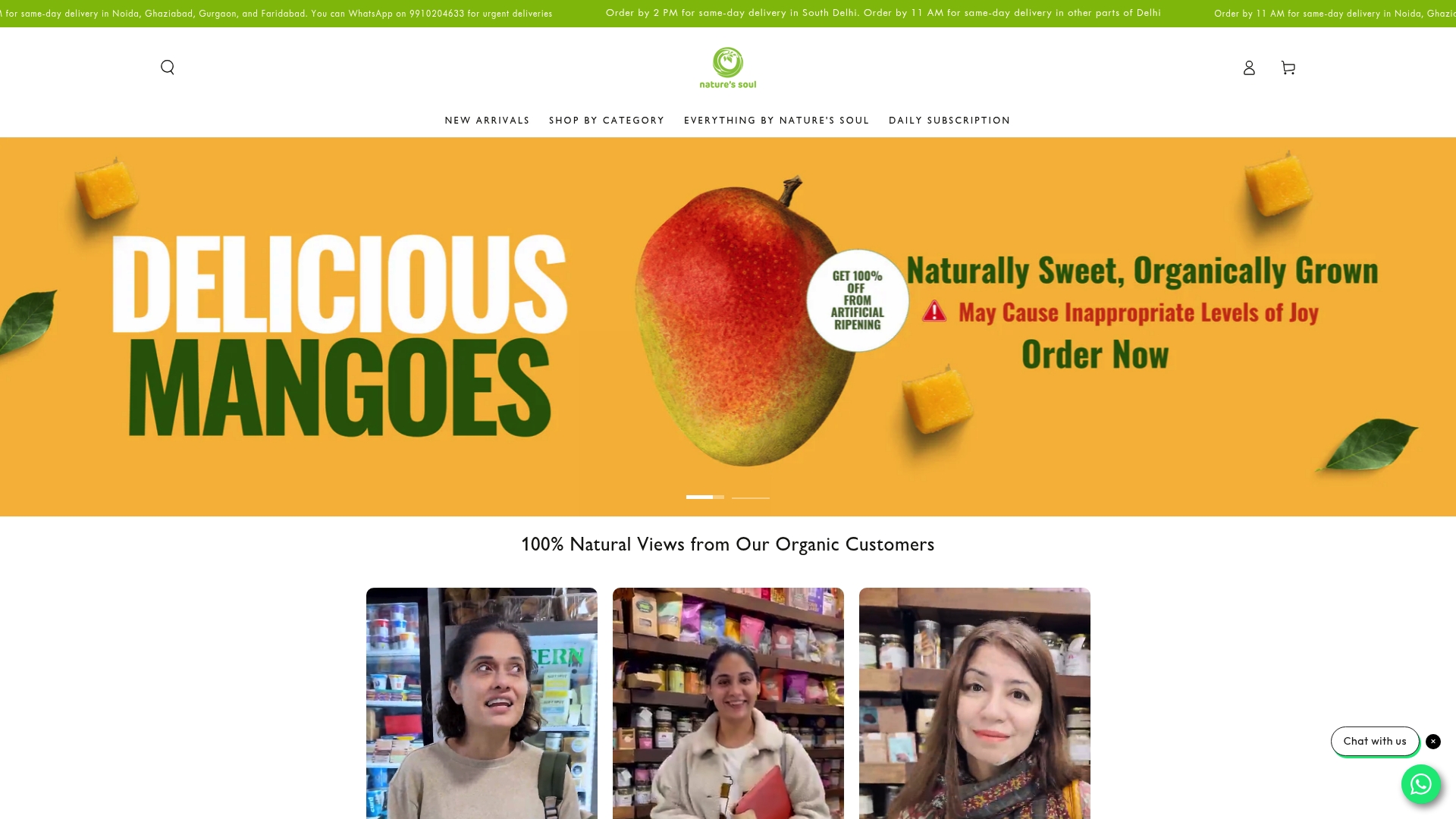
Every product at Naturessoulshop is selected for clean ingredients with no unnecessary additives. Whether you are building a Greek yogurt bowl, preparing a salmon and sweet potato dinner, or stocking up on oats and quinoa for the week, you will find quality options that support your training. Browse the fresh organic range to start building your recovery meal plan with ingredients you can actually trust.
FAQ
What is the best food to eat immediately after a workout?
Greek yogurt with berries and honey is one of the most effective immediate post-workout snacks. It provides 18–20g of leucine-rich protein, fast-release carbohydrates, and antioxidants in under two minutes of preparation.
How much protein do I need after exercise?
Sports dietitians recommend 20–30g of high-quality protein per post-workout meal to trigger muscle protein synthesis effectively. Spreading protein across three to four meals daily produces better results than consuming it all at once.
Does the timing of post-workout nutrition really matter?
Timing helps but is not rigid. Eating within 30 minutes to 2 hours is optimal, but a balanced meal consumed up to three hours post-exercise still delivers strong glycogen replenishment and muscle recovery.
Are protein shakes as effective as whole foods for recovery?
Protein shakes are convenient but fall short of whole foods for overall recovery. Whole foods like salmon and Greek yogurt provide omega-3s, calcium, and vitamin D alongside protein, nutrients that most shakes do not contain.
What are the best vegan post-workout recovery foods?
Chickpeas with brown rice, tofu scramble on wholegrain toast, and smoothies made with oat milk, banana, and plant-based protein are all effective vegan options. Pairing legumes with grains creates a complete amino acid profile comparable to animal protein sources.


