


Choosing a nutritious breakfast that aligns with clean eating, gluten-free, or plant-based diets can feel overwhelming with countless options claiming health benefits. Many health-conscious individuals struggle to identify genuinely wholesome choices that support their wellness goals whilst fitting dietary preferences. This article provides expert-vetted breakfast ideas for 2026, focusing on nutrient-rich, satiating meals that promote weight management and overall health. You’ll discover clear criteria for evaluating breakfast options, specific meal ideas backed by research, and practical strategies to maximise nutrition whether you follow gluten-free, plant-based, or clean eating principles.
Table of Contents
- Healthy Breakfast Criteria For Clean Eating In 2026
- Top Healthy Breakfast Ideas: Nutrient-Rich Options For Gluten-Free And Plant-Based Diets
- Comparing Ready-To-Eat Cereals And Other Convenience Breakfasts For Health-Conscious Eaters
- Special Considerations For Gluten-Free And Plant-Based Breakfasts
- Discover Organic And Gluten-Free Foods At Nature’s Soul Shop
- FAQ
Key takeaways
| Point | Details |
|---|---|
| Protein and fibre promote fullness | High-protein, fibre-rich breakfasts enhance satiety and support weight management goals effectively. |
| Gluten-free diets need planning | Careful selection of gluten-free whole grains and fortified foods prevents nutrient deficiencies. |
| Plant-based protein is achievable | Varied plant sources like tofu, lentils, and quinoa provide adequate protein for breakfast. |
| Clean eating prioritises whole foods | Focus on unprocessed ingredients with minimal added sugars for optimal health benefits. |
| Label reading ensures safety | Checking certifications and ingredients maintains gluten-free compliance and nutritional quality. |
Healthy breakfast criteria for clean eating in 2026
Evaluating breakfast options requires understanding key nutritional principles that support wellness goals. The foundation of any healthy breakfast centres on macronutrient balance, particularly protein and fibre content. Research confirms that dietary protein increases satiety, helping you feel fuller longer and naturally reducing overall calorie intake throughout the day. Combining protein with fibre creates a powerful synergy for weight management and sustained energy.
For those following gluten-free diets, meal planning requires attention to specific nutrients that wheat-based products typically provide. Gluten-free diets risk falling short on fibre, iron, and B vitamins if you don’t deliberately include alternative sources. Certified gluten-free whole grains like quinoa, amaranth, and oats become essential foundations for maintaining nutritional adequacy. You’ll want to prioritise these nutrient-dense options over refined gluten-free products that often lack vital micronutrients.
Plant-based breakfasts present unique considerations for protein adequacy. Whilst animal products provide complete proteins easily, plant sources require more thoughtful combination and quantity. The good news is that varied plant foods consumed in sufficient amounts deliver all essential amino acids your body needs. Focus on rotating protein sources throughout the week rather than obsessing over combining proteins at every meal.
Clean eating principles emphasise whole, minimally processed ingredients with recognisable components. This means avoiding products with lengthy ingredient lists full of additives, preservatives, or excessive added sugars. When shopping for breakfast items, ingredients should read like a recipe you could make at home, not a chemistry experiment. Whole fruits, vegetables, nuts, seeds, and unprocessed grains form the cornerstone of clean breakfast choices.
Label reading becomes non-negotiable for maintaining both gluten-free safety and nutritional standards. Look for certified gluten-free symbols on packaged products, as cross-contamination during manufacturing poses real risks. Simultaneously, check nutrition panels for added sugars, which manufacturers often hide under various names. Even products marketed as healthy can contain surprising amounts of sugar that undermine your wellness goals.
Pro Tip: Create a morning routine that includes checking labels on new products before purchasing, and keep a list of trusted brands that consistently meet your dietary standards to streamline future shopping trips.
Top healthy breakfast ideas: nutrient-rich options for gluten-free and plant-based diets
Greek yoghurt stands out as a protein powerhouse for those who include dairy, delivering 15 to 20 grammes per serving alongside beneficial probiotics. Pair it with fresh berries, a drizzle of honey, and a sprinkle of gluten-free granola for a balanced meal. If you’re avoiding dairy, opt for coconut or almond-based yoghurt alternatives fortified with calcium and vitamin D. The creamy texture satisfies whilst the protein content keeps hunger at bay for hours.
Eggs offer unmatched versatility and complete protein in a naturally gluten-free package. Scramble them with spinach, tomatoes, and mushrooms for a nutrient-dense start, or prepare a vegetable frittata on Sunday to portion throughout the week. The combination of protein and healthy fats in eggs promotes sustained energy without blood sugar spikes. You’ll get essential nutrients like choline, selenium, and vitamin B12 that support brain function and metabolism.
Whole-grain avocado toast with edamame creates a satisfying plant-based option rich in heart-healthy fats, fibre, and protein. Use certified gluten-free bread or sourdough if you tolerate fermented grains, then top with mashed avocado, shelled edamame, and a squeeze of lemon. This combination provides iron, folate, and magnesium whilst delivering approximately 15 grammes of protein. The monounsaturated fats in avocado enhance absorption of fat-soluble vitamins from accompanying vegetables.
Plant-based breakfast enthusiasts can explore quick plant-based breakfast ideas that don’t sacrifice nutrition or flavour. Tofu scramble seasoned with turmeric, nutritional yeast, and black salt mimics eggs whilst providing 20 grammes of protein per serving. Lentil porridge cooked with cinnamon and topped with sliced banana offers a savoury-sweet alternative to traditional oats. Quinoa breakfast bowls with almond butter, chia seeds, and fresh fruit deliver complete protein and omega-3 fatty acids.
For those seeking high protein vegan meals, tempeh bacon paired with roasted vegetables and quinoa creates a satisfying plate. Research shows that plant-based protein sources like lentils, tofu, and quinoa provide adequate protein when consumed in sufficient amounts throughout the day. The key lies in variety and portion sizes rather than complicated combining rules.

Certified gluten-free oats deserve special mention as a breakfast staple that provides soluble fibre for heart health and sustained energy. Cook them with plant-based milk, stir in ground flaxseed for omega-3s, and top with walnuts and berries. Steel-cut oats offer a chewier texture and lower glycaemic impact compared to instant varieties. Always verify gluten-free certification, as conventional oats often contain gluten from cross-contamination during processing.
Pro Tip: Batch-prepare breakfast components on weekends, such as cooking quinoa, roasting vegetables, or portioning smoothie ingredients into freezer bags, to streamline busy weekday mornings whilst maintaining nutritional quality.
Comparing ready-to-eat cereals and other convenience breakfasts for health-conscious eaters
Ready-to-eat cereals present convenience but vary dramatically in nutritional quality. Studies reveal that cereals marketed to adults contain significantly more protein, fibre, and fat whilst having lower sugar content compared to children’s varieties. This distinction matters enormously for satiety and blood sugar management. Adult-oriented options typically provide 3 to 5 grammes of protein and 4 to 6 grammes of fibre per serving, supporting fullness until your next meal.
Children’s cereals often fail to meet health guidelines, with many exceeding recommended sugar limits substantially. Brightly coloured boxes and cartoon characters frequently mask nutritional inadequacy, with some varieties containing over 12 grammes of added sugar per serving. This amount represents nearly half the daily recommended limit for adults and exceeds guidelines for children entirely. Such high sugar loads cause energy crashes and increased hunger shortly after eating.
When selecting cereals, scrutinise nutrition labels for sugar content relative to fibre and protein. Aim for options with at least 3 grammes of fibre and protein per serving, whilst keeping added sugars below 6 grammes. Whole grain ingredients should appear first on the ingredient list, indicating they comprise the majority of the product. Avoid cereals with artificial colours, flavours, or hydrogenated oils that contradict clean eating principles.
| Cereal Type | Protein (per serving) | Fibre (per serving) | Added Sugar (per serving) | Best For |
|---|---|---|---|---|
| Adult whole grain | 4-6g | 5-8g | 3-6g | Weight management, sustained energy |
| Children’s varieties | 1-2g | 1-3g | 10-15g | Occasional treats only |
| Gluten-free options | 2-4g | 3-5g | 4-8g | Coeliac disease, gluten sensitivity |
| High-protein cereals | 8-12g | 4-6g | 2-5g | Athletic performance, muscle maintenance |
Pairing cereals with plant-based milk significantly boosts protein content and nutritional value. Fortified soy milk adds 7 to 9 grammes of protein per cup, whilst pea protein milk delivers similar amounts. Explore dairy-free milk options to find varieties that complement your taste preferences and nutritional needs. Almond milk provides fewer calories but also less protein, making it better suited for smoothies where you’ll add protein from other sources.
Granola bars and breakfast biscuits marketed as healthy alternatives often contain as much sugar as confectionery. Many brands use honey, agave, or fruit juice concentrates to create a health halo whilst delivering identical blood sugar impacts to table sugar. Read labels critically and calculate total sugar content, including natural and added sources. Genuinely nutritious bars contain whole nuts, seeds, and dried fruit with minimal binding agents.
Pro Tip: Calculate the sugar-to-fibre ratio by dividing grammes of sugar by grammes of fibre on the nutrition label; ratios below 2:1 indicate better blood sugar control, whilst ratios above 3:1 suggest the product will cause energy spikes and crashes.
Special considerations for gluten-free and plant-based breakfasts
Gluten-free diets require vigilance to prevent common nutritional shortfalls that emerge when eliminating wheat-based products. Research indicates that gluten-free diets may lack adequate fibre, iron, and B vitamins without deliberate planning and supplementation. Refined gluten-free products often use white rice flour or cornstarch as bases, providing minimal nutrients compared to whole wheat equivalents. You must actively seek gluten-free whole grains and fortified products to maintain nutritional adequacy.
Plant-based breakfasts face similar challenges, with studies showing that plant-based diets risk deficiency in vitamin B12, iron, and omega-3 fatty acids without careful planning. Vitamin B12 exists almost exclusively in animal products, making supplementation or fortified foods essential for vegans and strict vegetarians. Iron from plant sources has lower bioavailability than haem iron from meat, requiring higher intake levels and strategic pairing with vitamin C-rich foods to enhance absorption.
“The key to thriving on restrictive diets lies not in what you eliminate, but in how thoughtfully you replace those nutrients through diverse, whole food sources and strategic supplementation when necessary.”
Successful meal planning for gluten-free diets involves several evidence-based strategies:
- Rotate gluten-free whole grains like quinoa, amaranth, millet, and certified oats to maximise nutrient diversity and prevent boredom with limited options.
- Include iron-rich plant foods such as spinach, lentils, and pumpkin seeds at breakfast, paired with citrus fruits or bell peppers to boost iron absorption through vitamin C.
- Choose fortified gluten-free products that add back B vitamins, iron, and fibre lost when wheat is removed from the diet.
- Supplement vitamin B12 reliably through methylcobalamin or cyanocobalamin forms, as plant foods cannot provide adequate amounts regardless of variety.
- Verify gluten-free certification on oats and other grains prone to cross-contamination during growing, harvesting, or processing stages.
Slow-release carbohydrates from whole grains provide sustained energy and stable blood sugar compared to refined alternatives. Combining these complex carbohydrates with protein and healthy fats creates a balanced breakfast that supports physical stamina and mental clarity. This combination proves especially important for active individuals whose performance depends on steady fuel availability. The fibre in whole grains also supports digestive health and beneficial gut bacteria.
Label reading extends beyond checking for gluten-containing ingredients to identifying hidden sources of cross-contamination. Manufacturing facilities that process wheat products alongside gluten-free items may leave trace amounts that trigger reactions in sensitive individuals. Look for dedicated gluten-free facility certifications when coeliac disease or severe sensitivity is present. Precautionary statements like “may contain wheat” indicate real contamination risks.
Consider products like sprouted ragi porridge mix that combine gluten-free whole grains with complementary ingredients for enhanced nutrition. Sprouting increases nutrient bioavailability and reduces antinutrients that interfere with mineral absorption. These convenient options provide wholesome alternatives when time constraints limit from-scratch cooking.
Pro Tip: Keep a food diary tracking energy levels, digestion, and satiety for two weeks when transitioning to gluten-free or plant-based breakfasts, noting which combinations sustain you best and which leave you hungry or sluggish within hours.
Discover organic and gluten-free foods at Nature’s Soul Shop
Building nutritious breakfasts becomes effortless when you have access to quality ingredients that align with your dietary preferences. Nature’s Soul Shop offers an extensive selection of certified organic, gluten-free, and plant-based products designed for health-conscious individuals pursuing clean eating lifestyles. From ancient grains and sprouted porridges to dairy-free alternatives and clean-label pantry staples, you’ll find everything needed to create the breakfast ideas discussed throughout this article.
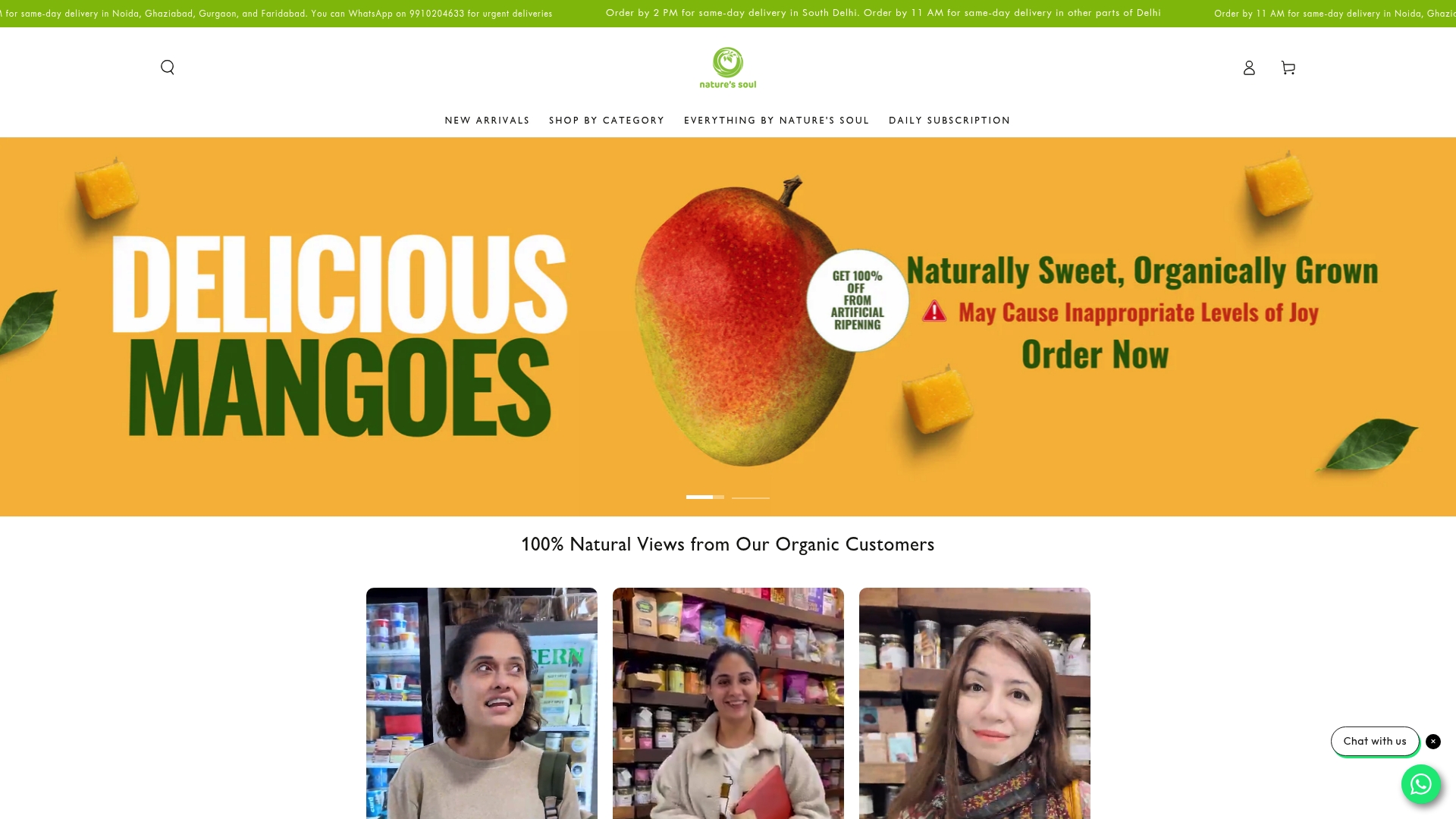
The Nature’s Soul Fresh section provides seasonal organic produce delivered directly to your door, ensuring maximum nutrient retention and flavour. Browse health products specifically curated for wellness goals, including gluten-free grains, plant-based proteins, and superfood additions that elevate ordinary breakfasts into nutritional powerhouses. Shopping online saves time whilst guaranteeing access to specialty items that support your commitment to clean, wholesome eating in 2026.
FAQ
What are the best high-protein plant-based breakfast options?
Tofu scramble seasoned with turmeric and nutritional yeast provides approximately 20 grammes of protein per serving whilst mimicking traditional eggs. Lentil porridge, quinoa breakfast bowls, and tempeh bacon offer excellent alternatives that deliver complete nutrition. Adding nuts, seeds, or high-protein plant-based meals components boosts protein content further. Pairing these foods with fortified plant milk enhances overall protein intake whilst adding calcium and vitamin D.
How can I avoid nutrient deficiencies on a gluten-free diet?
Incorporate certified gluten-free whole grains like quinoa, amaranth, and oats to maintain adequate fibre and mineral intake. Include iron-rich foods such as spinach and lentils paired with vitamin C sources to enhance absorption. Supplement vitamin B12 and choose fortified gluten-free products that replace nutrients lost when wheat is eliminated. Review gluten-free meal planning strategies for comprehensive guidance on maintaining nutritional balance.
Is sugar content a concern in ready-to-eat breakfast cereals?
Yes, research confirms that children’s cereals contain sugar levels exceeding WHO recommendations, with many varieties providing over 12 grammes per serving. Adults should select cereals with less than 6 grammes of added sugar and at least 3 grammes each of protein and fibre per serving. Reading nutrition labels carefully prevents inadvertently consuming excessive sugar that undermines weight management and energy stability throughout the morning.
Can gluten-free diets help with weight management?
Studies indicate that gluten-free diets showed modest reductions in weight and BMI amongst non-coeliac athletes, alongside improvements in aerobic performance. However, these benefits require careful nutritional planning to avoid replacing gluten-containing foods with refined alternatives high in calories and low in nutrients. Focus on whole food, gluten-free options rather than processed substitutes to maximise weight management potential whilst meeting all nutritional needs.


