


Many Indian households unknowingly compromise their family’s health through improper food storage practices that accelerate spoilage and invite contamination. With India’s humid climate and diverse dietary preferences, especially amongst parents managing gluten-free or plant-based diets, safe storage becomes essential for preserving nutrition and preventing foodborne illness. This guide delivers expert-backed strategies to keep your family’s food fresh, safe, and nutritious year-round.
Table of Contents
- Why Proper Food Storage Matters For Your Family’s Health
- Safe Storage Tips For Flour And Gluten-Free Foods
- Maximising Freshness For Fresh Produce And Plant-Based Foods
- Kitchen Hygiene And Safe Food Handling Essentials
- Discover Natural Organic Foods And Storage Solutions At Nature’s Soul Shop
Key takeaways
| Point | Details |
|---|---|
| Prevent spoilage and cross-contamination | Proper storage techniques protect food quality and reduce health risks, especially critical in humid Indian conditions. |
| Use airtight containers | Transfer flour, spices, and dry goods to sealed containers to extend shelf life and block pests. |
| Separate gluten-free and plant-based foods | Dedicated storage zones and utensils prevent contamination for families with dietary restrictions. |
| Keep produce dry and refrigerate appropriately | Thorough drying before storage and strategic refrigeration extend freshness by up to 50% during monsoon. |
| Maintain rigorous kitchen hygiene | Clean hands, surfaces, and utensils following the Clean, Separate, Cook, Chill principles reduce foodborne illness risk. |
Why proper food storage matters for your family’s health
Millions of people experience foodborne illness annually, often from food prepared at home. The consequences range from mild stomach discomfort to severe health complications, particularly dangerous for young children and elderly family members. Proper food storage prevents waste and nutrient loss whilst protecting family health against preventable contamination.
India’s climate and dietary preferences require tailored storage strategies. The monsoon season brings exceptional humidity that accelerates bacterial growth and spoilage, whilst year-round heat challenges even well-intentioned storage efforts. Health-conscious families following gluten-free or plant-based diets face additional complexity, as cross-contamination risks multiply without dedicated protocols.
Cleanliness and pest control in storage areas reduce contamination risk substantially. Ants, cockroaches, and rodents carry pathogens that compromise food safety, making sealed storage and regular cleaning non-negotiable practices. Following the four core food safety principles—Clean, Separate, Cook, Chill—minimises risk across all food categories.
Most cases of food poisoning are preventable with proper knowledge and practices. Understanding how to store fresh food naturally empowers families to protect their investment in quality ingredients. The financial impact of spoilage adds urgency, as discarded produce and spoiled proteins drain household budgets unnecessarily.
“Safe food storage is not merely about extending shelf life; it’s about preserving the nutritional integrity and safety of every meal your family consumes.”
Key storage principles include:
- Maintain consistent cool temperatures in storage areas
- Minimise exposure to light, heat, and moisture
- Rotate stock using first-in, first-out methodology
- Inspect stored items regularly for signs of spoilage
- Label containers clearly with contents and storage dates
Safe storage tips for flour and gluten-free foods
Transfer flour from paper to airtight containers stored in cool, dark places immediately after purchase. Flour stored in airtight containers can extend shelf life by several months compared to paper bags, preventing rancidity and pests. Paper packaging absorbs moisture and provides no barrier against insects, whilst glass or food-grade plastic containers create impermeable seals.
Refrigeration or freezing is recommended in hot, humid climates like India to extend shelf life further. Whole grain flours contain natural oils that turn rancid quickly at room temperature, particularly during summer months. Storing these flours in the freezer can triple their usable lifespan whilst preserving nutritional value and flavour integrity.
Use separate labelled containers and utensils for gluten-free products to avoid contamination. Dedicated storage spaces and utensils are essential to prevent gluten cross-contamination. Even microscopic amounts of gluten-containing flour can trigger reactions in sensitive individuals, making this separation critical for families managing coeliac disease or gluten sensitivity.
Clearly label and dedicate storage areas for gluten-free food, ideally positioning them above gluten-containing items to prevent particle drift. Consider investing in a separate shelf or cabinet section exclusively for gluten-free food storage, making identification effortless during busy meal preparation.
| Storage method | Shelf life | Advantages | Disadvantages |
|---|---|---|---|
| Paper bag (original) | 1-2 months | Convenient, no transfer needed | Vulnerable to pests, moisture, limited protection |
| Airtight container (ambient) | 4-6 months | Pest-proof, moisture barrier, stackable | Requires space, rancidity risk in heat |
| Refrigeration | 6-8 months | Slows oxidation, extends freshness | Takes fridge space, condensation risk |
| Freezer storage | 12+ months | Maximum longevity, preserves nutrition | Requires advance thawing, frost buildup |
Pro Tip: Freeze flour in portioned amounts using vacuum-sealed bags or small airtight containers. This prevents repeated temperature fluctuations and makes it simple to thaw only what you need for immediate baking, maintaining optimal quality throughout storage.
Additional considerations for preventing gluten cross-contamination include using colour-coded scoops, storing gluten-free products in distinctively shaped containers, and educating all household members about handling protocols. Regular inspection ensures seals remain intact and no moisture has compromised stored goods.
Maximising freshness for fresh produce and plant-based foods
Always dry produce thoroughly before storage to prevent microbial growth. Proper storage can extend produce shelf life by up to 50% during the monsoon season. Excess moisture creates ideal conditions for bacteria and mould, turning fresh vegetables into slimy, inedible waste within days.
Store leafy greens in the crisper box or wrapped in paper inside airtight containers. Drying leafy greens before airtight storage extends freshness by about a week. Paper towels absorb residual moisture whilst the container prevents dehydration, creating balanced humidity levels that preserve crispness and nutritional content.
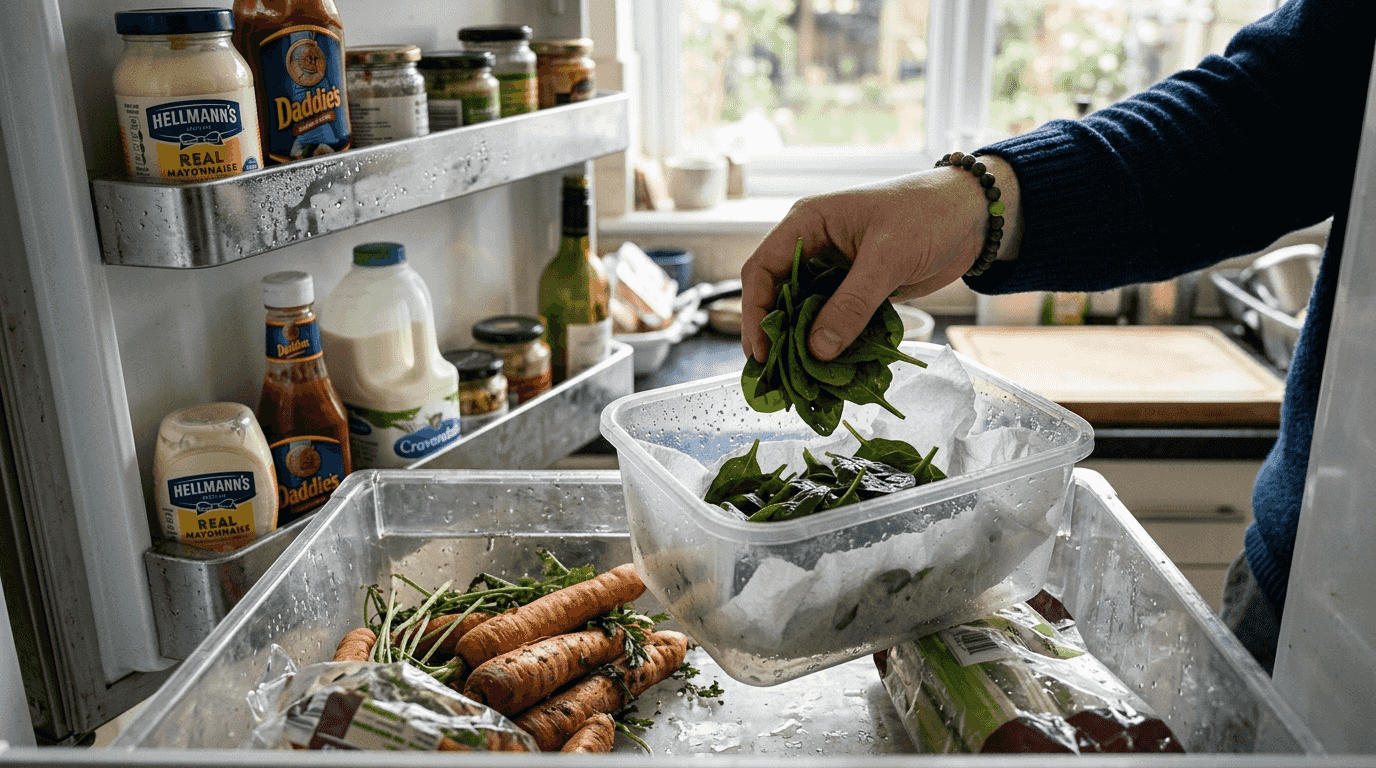
Separate ethylene-producing fruits like bananas, mangoes, and papayas from sensitive vegetables to prevent premature spoilage. Tomatoes, potatoes, and leafy greens deteriorate rapidly when exposed to ethylene gas, which accelerates ripening and decay. Strategic separation in different drawers or compartments maintains optimal freshness across your entire produce inventory.
Refrigerate plant-based proteins properly to maintain nutrition and prevent spoilage. Tofu should remain submerged in fresh water changed daily, whilst tempeh and plant-based meat alternatives require sealed containers at consistent cold temperatures. Following produce freshness tips ensures maximum nutrient retention.
| Produce type | Ambient storage | Fridge crisper | Freezer | Drying method | Shelf life |
|---|---|---|---|---|---|
| Leafy greens (spinach, coriander) | Not recommended | 5-7 days (dried, wrapped) | 2-3 months (blanched) | Air-dry before wrapping | Up to 1 week fresh |
| Root vegetables (carrots, radish) | 3-5 days (cool, dark) | 2-3 weeks | 8-12 months (chopped) | Not needed | 2-3 weeks chilled |
| Tomatoes (ripe) | 2-3 days | 1 week | 6 months (pureed) | Not recommended | 3-5 days optimal |
| Bananas | 3-5 days | Not recommended | 2-3 months (peeled) | Not applicable | 5-7 days ambient |
| Ginger, garlic | 2-3 weeks | 3-4 weeks | 6 months (paste) | Slice and sun-dry | 1 month ambient |
Pro Tip: Invest in breathable produce bags made from cotton or mesh for items like onions, potatoes, and garlic. These allow air circulation whilst blocking light, significantly extending shelf life compared to plastic bags that trap moisture and promote sprouting.
Understanding how to store fresh food naturally includes recognising which items benefit from refrigeration and which suffer from it. Tropical fruits often develop off-flavours and textures when chilled, whilst temperate vegetables like lettuce and cabbage thrive in cold storage.
Kitchen hygiene and safe food handling essentials
Follow the four core principles: Clean, Separate, Cook, Chill. These fundamentals form the foundation of food safety in every kitchen, preventing the majority of preventable foodborne illnesses. Implementing them consistently transforms kitchen routines into protective health practices.
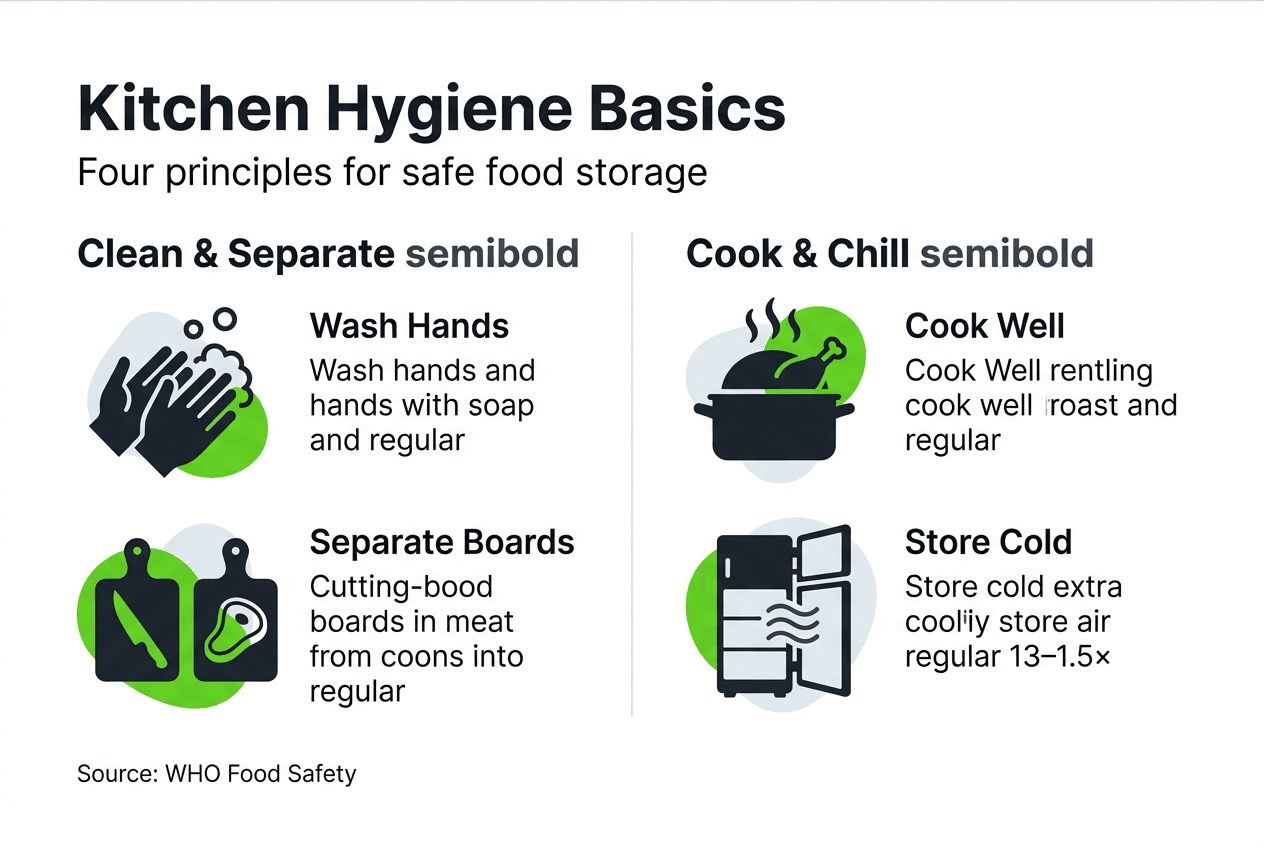
Hands should be washed thoroughly with soap for at least 20 seconds before and during food preparation. Friction from scrubbing removes pathogens that water alone cannot eliminate. Pay particular attention to fingernails, between fingers, and wrists where bacteria concentrate.
Clean cutting boards, utensils, and surfaces with hot, soapy water after each food item. Cross-contamination occurs invisibly when raw meat juices contact ready-to-eat foods or when gluten-containing crumbs migrate to gluten-free preparation areas. Dedicated cleaning between tasks creates essential barriers against contamination.
Separate raw and cooked foods to prevent cross-contamination, especially critical for gluten-free and plant-based diets. Use colour-coded cutting boards—red for raw meat, green for vegetables, blue for fish—to eliminate guesswork during busy cooking sessions. Understanding cross-contamination prevention protects vulnerable family members.
Store leftovers promptly in the fridge or freezer at safe temperatures below 5°C. The danger zone between 5°C and 60°C allows rapid bacterial multiplication, turning safe food hazardous within hours. Shallow containers cool food faster than deep ones, reducing time spent in dangerous temperature ranges.
“Kitchen hygiene is not about perfection; it’s about consistent application of simple, effective practices that collectively create a safe food environment.”
Daily hygiene steps in order:
- Wash hands thoroughly before touching any food or preparation surface
- Clean and sanitise all work surfaces with hot, soapy water or food-safe sanitiser
- Use separate cutting boards and utensils for raw proteins, vegetables, and ready-to-eat foods
- Wash produce under running water, scrubbing firm items like potatoes and carrots
- Store raw meats on the lowest fridge shelf to prevent drips contaminating other foods
- Cool cooked foods to room temperature within two hours, then refrigerate promptly
- Label leftovers with preparation date and consume within 3-4 days
- Sanitise sponges and dishcloths daily by microwaving damp ones for 60 seconds or washing in hot water
For families managing gluten-free diets, understanding gluten-free cooking utensils includes recognising that porous materials like wooden spoons can harbour gluten particles even after washing. Dedicated silicone, stainless steel, or glass utensils eliminate this hidden contamination source.
Discover natural organic foods and storage solutions at Nature’s Soul Shop
Implementing these safe storage practices becomes effortless when you start with quality ingredients from trusted sources. Nature’s Soul Shop offers an extensive range of organic and gluten-free pantry staples ideal for health-conscious families across India. Their commitment to clean ingredients, from fresh produce to vegan alternatives, supports both safe storage and optimal nutrition.
Buying from a trusted supplier eliminates contamination risks and enhances diet quality from the start. Products like gluten-free puffed rice and gluten-free sabudana arrive properly packaged to maintain freshness during transport and home storage. Their comprehensive selection across fruits, vegetables, meats, dairy, and home care simplifies your journey towards cleaner, safer eating.
Pro Tip: Choose well-packaged organic foods that arrive in moisture-resistant, pest-proof packaging. This not only optimises initial freshness but also reduces the need for immediate repackaging, saving time whilst ensuring your storage efforts start from the highest quality baseline.
FAQ
What are the best containers for storing flour and spices?
Use airtight, non-reactive containers made of glass or BPA-free plastic to preserve flour and spices effectively. Keep containers in cool, dark cupboards away from heat sources like cooktops to inhibit spoilage and preserve aromatic compounds. Airtight containers prevent moisture and preserve aroma of spices for months longer than original packaging.
How can I avoid gluten cross-contamination in my kitchen?
Dedicated gluten-free containers and utensils should be clearly labelled with permanent markers or colour-coded systems. Store gluten-free foods separately on designated shelves, ideally above gluten-containing items to prevent particle drift. Using separate storage areas and utensils reduces gluten cross-contamination risks substantially. Additional strategies include maintaining dedicated preparation zones and educating household members through gluten cross-contamination tips.
What is the safest way to store leafy greens during the humid monsoon season?
Wash and dry greens thoroughly using a salad spinner or clean kitchen towels before storage. Store wrapped in paper inside airtight containers or in crisper drawers set to high humidity. Drying and airtight storage extend leafy greens’ freshness by about a week, preventing the sliminess common during monsoon. Explore additional monsoon storage strategies for comprehensive produce protection.
How long can I safely freeze fresh chicken or fish?
Store proteins at freezing temperatures of -18°C or below to extend freshness safely. Chicken, fish, and mutton stay fresh up to 2-3 weeks when frozen properly in airtight, moisture-proof packaging. For longer storage, vacuum-sealing removes air and prevents freezer burn, potentially doubling safe storage duration whilst maintaining texture and nutrition.
Recommended
- Plastic Free Food Storage: Safe Choices For Families – naturessoulshop
- Complete Guide to Eco Friendly Food Storage – naturessoulshop
- How to Store Fresh Food Naturally for Maximum Freshness – naturessoulshop
- How to Store Produce: Maximise Freshness and Quality – naturessoulshop
- 7 Essential Warehouse Food Storage Tips for Businesses - Probe IT


