


TL;DR:
- Natural stain removers like baking soda, vinegar, and hydrogen peroxide target specific stain types effectively without chemicals. Acting immediately and rinsing with cold water before applying treatments are crucial for best results. Use each natural ingredient separately and avoid heat until stains are fully removed to prevent fabric damage.
Natural stain removers are household ingredient-based solutions that lift and break down stains without synthetic chemicals, making them a safe and effective choice for clothing and home fabrics. Ingredients like baking soda, white vinegar, and 3% hydrogen peroxide each target different stain types through distinct physical or chemical actions. The American Cleaning Institute confirms that acting immediately is the single most critical factor in removal success. Treating a stain before it bonds to fabric fibres gives any eco-friendly stain solution its best chance of working. Naturessoulshop stocks a range of plant-based stain cleaners and natural laundry products that complement every method covered here.
What are the best natural stain removers and how do they work?
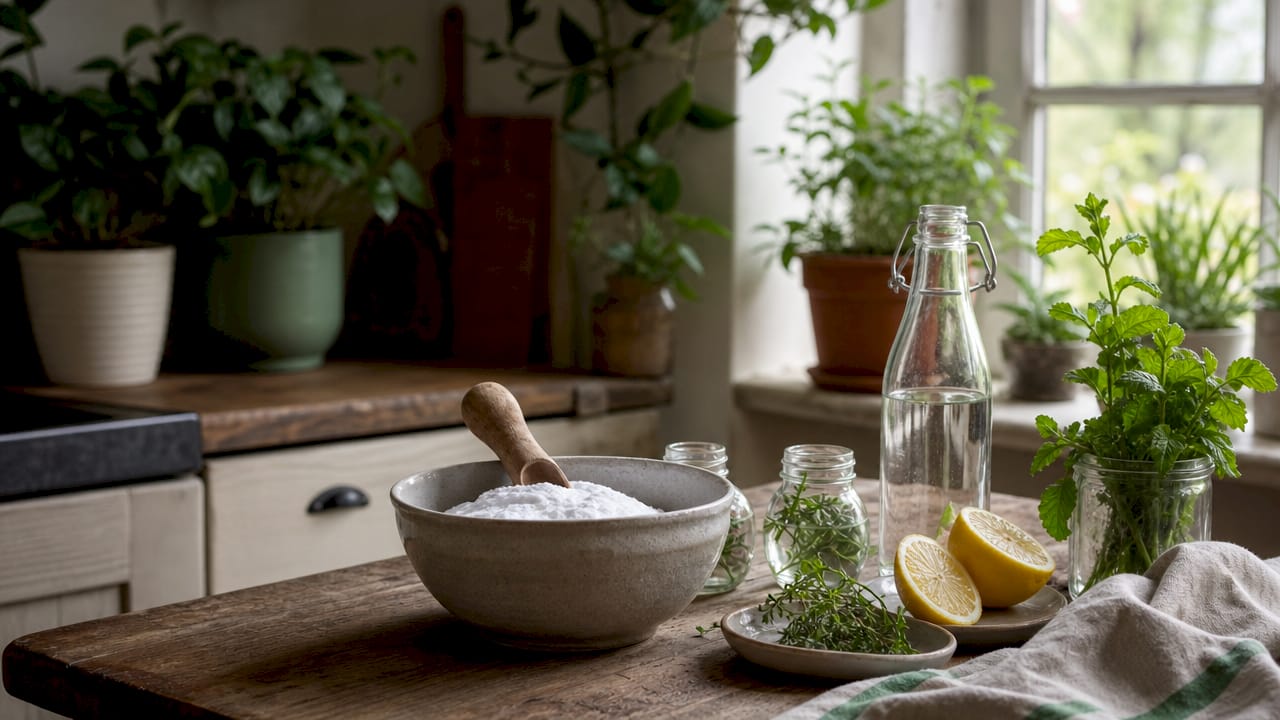
The most effective natural stain removers each work through a different mechanism, which is why matching the ingredient to the stain type matters. Baking soda (sodium bicarbonate) is mildly abrasive and highly absorbent. It draws oil and grease out of fabric fibres rather than dissolving them. White vinegar is a dilute acetic acid that cuts through mineral deposits, sweat marks, and deodorant build-up. Lemon juice works in a similar way, though its bleaching effect makes it better suited to white or light fabrics.
Hydrogen peroxide at 3% concentration acts as an oxidising agent. It breaks apart the colour compounds in protein stains such as blood and egg, which is why it works well as a whitening treatment on cotton. Cornstarch and salt are both absorbents. They work best on fresh, wet stains by drawing liquid up and out of the fabric before it can set. Set times typically range from 10 to 30 minutes before laundering, depending on the ingredient and stain type.
Key ingredients and their primary uses:
- Baking soda: Oil, grease, and odour on cotton and synthetic fabrics
- White vinegar: Sweat stains, mineral deposits, and light mildew
- 3% hydrogen peroxide: Blood, egg, and other protein stains on white or light fabrics
- Lemon juice: Surface discolouration and rust marks on white fabrics
- Salt: Fresh liquid stains, including red wine and juice, on most fabrics
- Cornstarch: Wet grease stains on delicate or dry-clean-only fabrics
Pro Tip: Always check the care label before applying any natural ingredient. Wool and silk are protein-based fibres, so hydrogen peroxide can damage them just as it breaks down protein stains.
Understanding the properties of natural ingredients helps you choose the right one confidently rather than guessing.
How should natural stain removers be applied effectively and safely?
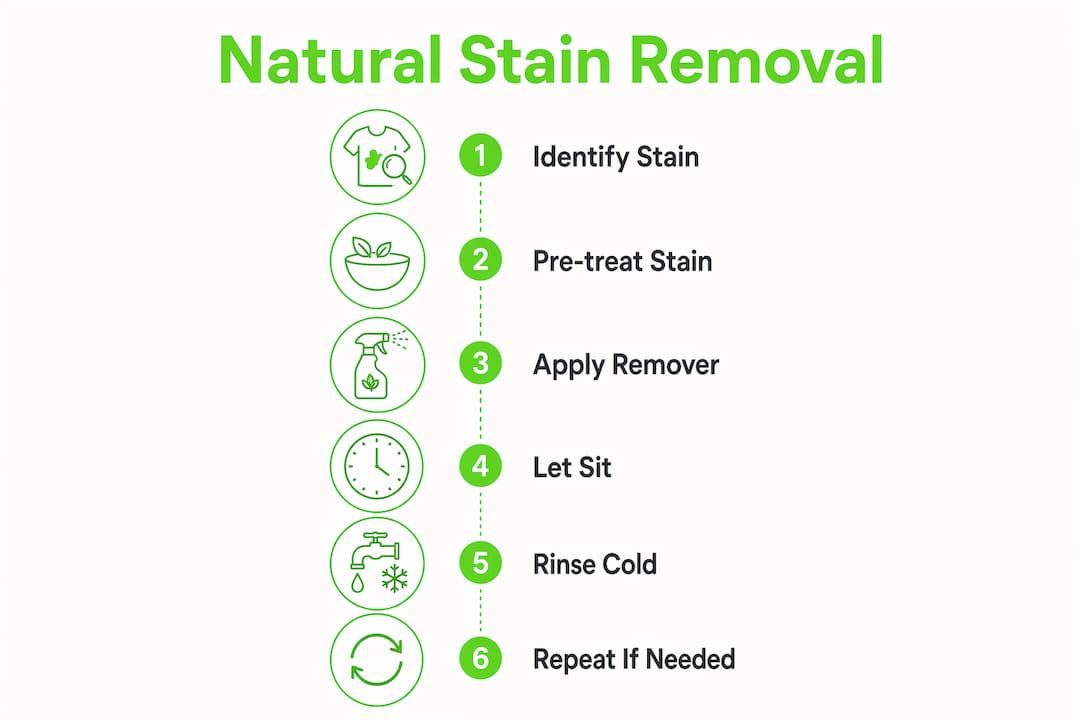
Correct application technique matters as much as ingredient choice. Follow these steps to get the best result without damaging fabric.
- Act immediately. Blot the stain with a clean white cloth as soon as it happens. Blotting extracts the stain rather than pushing it deeper into the fibres. Work from the outer edge inward to stop the stain spreading.
- Scrape off solids first. Use a blunt knife or spoon to lift any solid residue before applying liquid treatments. Skipping this step traps material under the treatment and reduces its effectiveness.
- Use cold or tepid water. Rinse the stained area with cold water before applying your chosen ingredient. Heat used too soon sets stains permanently into fabric, so avoid hot water at this stage entirely.
- Patch test first. Apply a small amount of your chosen solution to a hidden seam or hem. Even natural acids like lemon juice or hydrogen peroxide can alter dyes and fabric colours, so this step protects against irreversible damage.
- Apply and wait. Spread the natural treatment over the stain and allow it to work for 10–30 minutes. Longer soak times suit dried or set stains.
- Rinse thoroughly. Flush the area with cold water to remove the treatment and loosened stain material before laundering as normal.
- Check before drying. Inspect the fabric while still damp. If the stain remains, repeat the treatment. Never put a stained item in the dryer, as heat will lock the stain in permanently.
Pro Tip: Apply baking soda first, allow it to absorb the stain, brush it off, then treat with white vinegar. Mixing them simultaneously cancels their cleaning properties, producing mostly salt water that does nothing for the stain.
For more ideas on building a natural cleaning routine at home, the homemade cleaning recipes guide at Naturessoulshop is a practical starting point.
Which natural stain removers suit specific types of stains?
Different stain categories respond to different treatments. The table below matches common stain types to the most effective natural solutions.
| Stain type | Best natural treatment | Soak time | Notes |
|---|---|---|---|
| Oil and grease | Baking soda or cornstarch | 15–30 minutes | Brush off powder before rinsing |
| Protein (blood, egg) | Cold water, then 3% hydrogen peroxide | 10–20 minutes | Never use hot water; avoid on wool or silk |
| Mineral and sweat | White vinegar diluted with water | 15–30 minutes | Rinse well to remove vinegar smell |
| Pigment (wine, coffee) | Salt immediately, then lemon juice | 10–20 minutes | Best on white or light fabrics |
| Rust | Lemon juice and salt paste | 20–30 minutes | Sun exposure accelerates the effect |
| Mildew | White vinegar or diluted hydrogen peroxide | 15–30 minutes | Air dry in sunlight after treatment |
Protein stains deserve special attention. Cold water lifts fresh blood effectively, but dried blood or egg requires an oxidising agent. Enzyme-based commercial products outperform DIY natural solutions on stubborn protein stains because enzymes break down protein structures at a molecular level. Knowing this limitation saves you from repeated failed attempts with home remedies.
Oil and grease stains respond well to baking soda because the powder physically absorbs the oil before it spreads. Apply a generous layer, press it gently into the fabric, and leave it for at least 15 minutes. For kitchen grease stains on cookware or surfaces, natural cleaning methods follow a similar principle of absorbing and lifting rather than scrubbing.
What mistakes should you avoid with natural stain removers?
The most common errors with home remedies for stains cause more damage than the original mark. Knowing what not to do is as valuable as knowing the right technique.
- Never mix acids with bleach. Combining vinegar or lemon juice with chlorine bleach produces toxic gases. This is a serious safety risk, not just a cleaning mistake. Keep these products entirely separate.
- Do not rub the stain. Rubbing forces stain particles deeper into fabric fibres and spreads the affected area. Always blot with a clean cloth.
- Avoid heat before the stain is gone. Hot water, tumble dryers, and steam irons all set stains permanently. Confirm the stain is fully removed while the fabric is still damp.
- Do not skip the patch test. Natural bleaching agents like hydrogen peroxide and lemon juice can strip colour from dyed fabrics. Test on a hidden area first, every time.
- Do not mix baking soda and vinegar at the same time. The fizzing reaction looks effective but produces mostly salt water, which has no cleaning power. Use them sequentially with a rinse in between.
- Do not persist with DIY on stubborn protein stains. DIY solutions may be insufficient for dried blood, egg, or dairy stains. Switch to an enzyme-based product when natural methods fail after two attempts.
How can natural cleaning fit into your regular laundry routine?
Building biodegradable stain removers into your weekly laundry habits makes stain removal feel effortless rather than reactive. The key is keeping the right ingredients within easy reach so you can act fast when a spill happens.
Practical habits that make a real difference:
- Keep a small jar of baking soda and a spray bottle of diluted white vinegar near your laundry area at all times.
- Pre-treat collars, cuffs, and underarm areas with diluted white vinegar before every wash to prevent sweat stains from building up.
- Add half a cup of white vinegar to the rinse cycle as a natural fabric softener and odour remover.
- Use a plant-based laundry soap for everyday washing to reduce chemical load on fabrics and waterways.
- Air dry fabrics in sunlight when possible. UV light is a natural bleaching and antibacterial agent that freshens fabrics without any product.
Pairing these habits with quality natural cleaning products makes the whole system work better. Naturessoulshop’s bio laundry soap is vegan, free from fillers and harsh chemicals, and designed to complement gentle pre-treatment methods. For a broader look at clean ingredient choices for the home, the pantry staples guide at Naturessoulshop covers everyday natural ingredients worth keeping stocked.
Key takeaways
Natural stain removers work best when you match the ingredient to the stain type, act immediately, and apply cold water before any heat source.
| Point | Details |
|---|---|
| Act immediately | Treating a stain before it sets is the single most important factor in removal success. |
| Match ingredient to stain | Use baking soda for oil, white vinegar for mineral stains, and hydrogen peroxide for protein stains. |
| Apply sequentially, not together | Use baking soda and vinegar one at a time with a rinse between, never simultaneously. |
| Avoid heat until stain is gone | Cold or tepid water first; never use a dryer or iron on a stained fabric. |
| Know when to switch | Enzyme-based products outperform DIY methods on stubborn dried protein stains. |
What I have learned from years of natural stain removal
People tend to overcomplicate this. They mix every ingredient they own into a paste, scrub hard, and then blame the method when the stain gets worse. The truth is that restraint works better than effort here.
The single most underrated technique is the cold water rinse. Most people reach for a product first. Flushing a fresh stain with cold water for 30 seconds removes a surprising amount of material before any treatment is needed. That one habit alone has saved more garments than any recipe I know.
I have also noticed that people treat baking soda and vinegar as a team. They pour one on, then the other, and watch the fizz with satisfaction. That fizz is the two ingredients cancelling each other out. The chemistry is not working for you at that point. Use them separately and you get two distinct, effective treatments. Use them together and you get a mildly salty foam.
The environmental case for natural cleaning is real, but I think the more persuasive argument is practical. These ingredients are already in your kitchen. They cost very little. They do not leave residue on fabrics that irritates skin. And when they are not enough, enzyme-based products exist for a reason. Knowing when to use each one is the skill worth developing.
— Arjit
Natural laundry essentials from Naturessoulshop
Naturessoulshop brings together natural cleaning and laundry products that work alongside the methods described here.

The natural fabric wash by Herbal Strategi is a plant-based option for everyday laundry care, free from synthetic surfactants. For a full range of eco-friendly home care and natural cleaning products, the Naturessoulshop store covers everything from laundry soaps to household cleaners, all with clean, transparent ingredients. These products are designed to complement your DIY pre-treatment habits, not replace them.
FAQ
What are the most effective natural stain removers?
Baking soda, white vinegar, and 3% hydrogen peroxide are the most effective natural stain removers for everyday use. Each targets a different stain category, so matching the ingredient to the stain type gives the best result.
Is it safe to mix vinegar and baking soda for stain removal?
Mixing them simultaneously cancels their cleaning properties and produces mostly salt water. Use baking soda first, rinse, then apply white vinegar to benefit from both ingredients separately.
Can natural stain removers damage fabric?
Natural acids like lemon juice and hydrogen peroxide can alter dyes and fabric colours, particularly on dark or delicate fabrics. Always test on a hidden area before applying to the visible surface.
When should I use a commercial stain remover instead?
Enzyme-based commercial products outperform DIY natural solutions on stubborn protein stains like dried blood or egg. Switch to an enzyme cleaner if natural methods fail after two treatment attempts.
Does temperature matter when removing stains naturally?
Cold or tepid water should always be used first. Heat sets stains permanently into fabric, so avoid hot water, tumble dryers, and steam irons until the stain is fully removed.


